
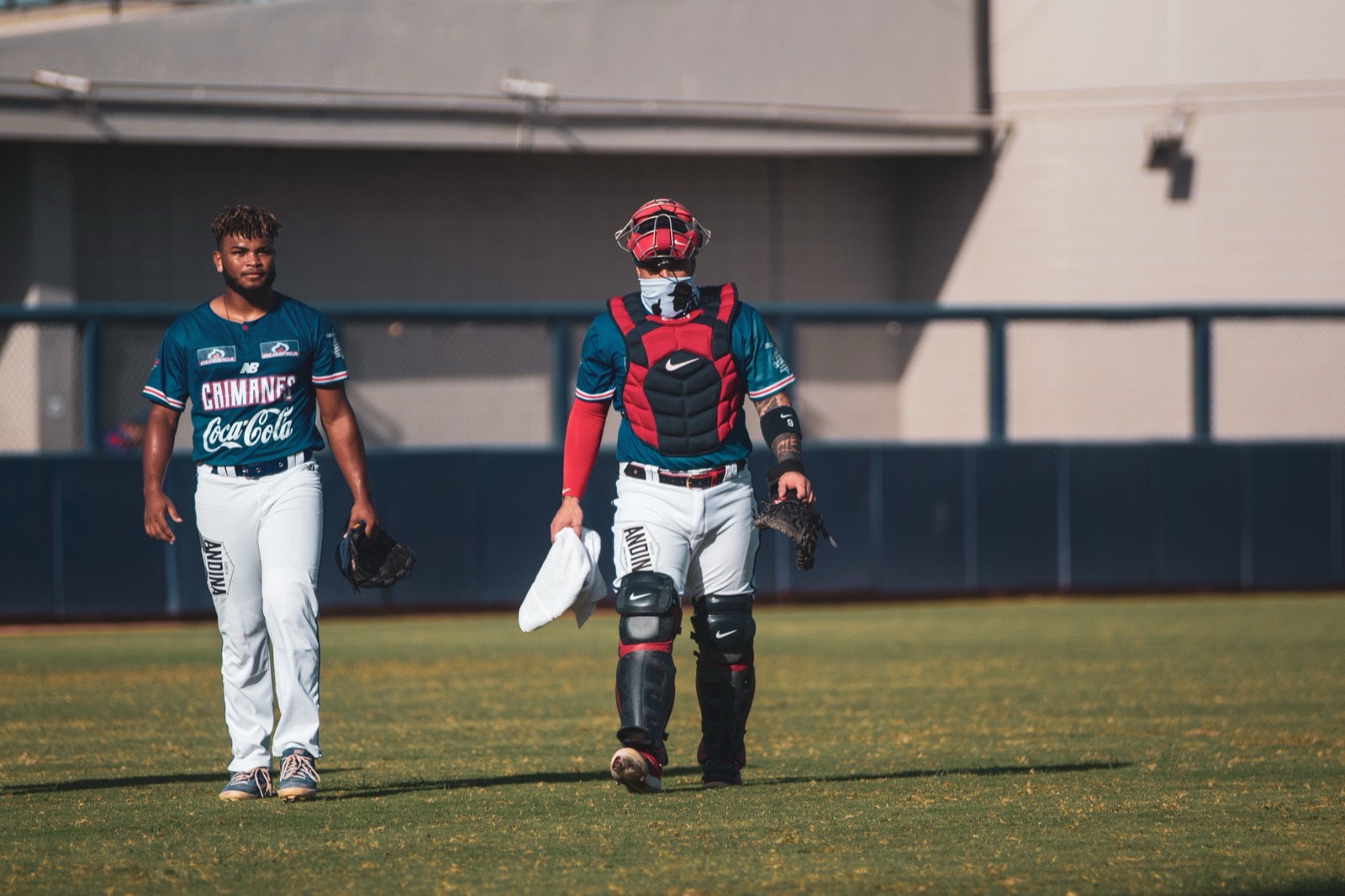
In most youth baseball games, every single pitch is chosen by an adult in the dugout. The catcher relays a signal; the pitcher throws what he is told.
That is a defensible choice at younger ages and a genuine cost at older ones. Here is how pitch calling works and when to hand it over.
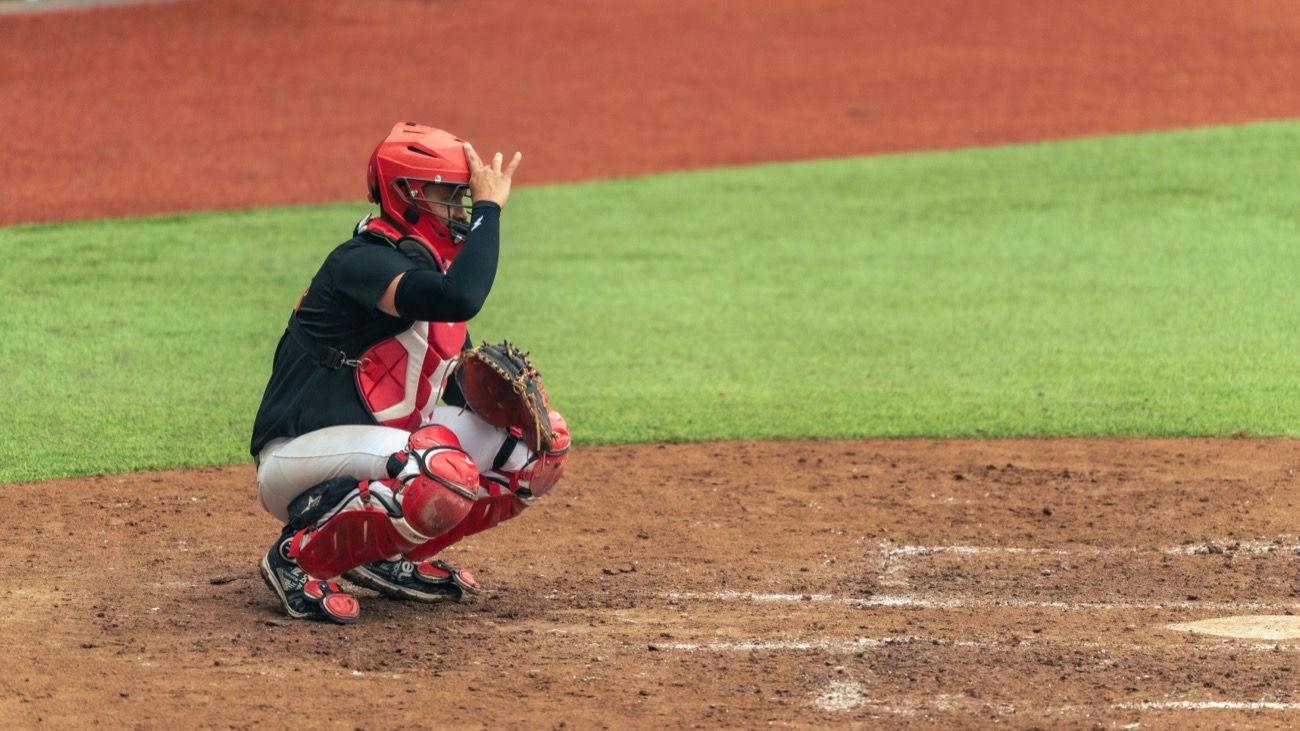
Who Should Call the Game
| Age | Typical | Better |
|---|---|---|
| 10U – 12U | Coach calls everything | Coach calls; explains why between innings |
| 13U – 14U | Coach calls everything | Catcher calls with coach overruling |
| 15U – 16U | Coach calls most | Catcher calls; coach intervenes rarely |
| 17U+ | Varies widely | Catcher calls the game |
The overwhelming majority of youth coaches call the game themselves, and the reasoning is understandable — it is faster, it avoids mistakes, and it feels safer. It also means a sixteen-year-old catcher who has never chosen a pitch arrives at high school unable to.
If a catcher has never called a game, he has never actually learned the game. He has learned to relay signals.
WAR Baseball coaching staff
Coaching material published by the American Baseball Coaches Association on calling pitches in youth baseball makes the same argument for handing responsibility over progressively rather than all at once.
A Simple Sequencing Philosophy
Youth pitch calling does not need to be sophisticated. It needs to be consistent and understood.
| Count | General approach |
|---|---|
| First pitch | The pitcher’s best pitch, in the zone |
| Ahead (0-1, 0-2, 1-2) | Off-speed, or fastball off the plate |
| Even (1-1, 2-2) | Best pitch for a strike |
| Behind (2-0, 3-1) | Fastball, middle of the zone |
| 3-0 | Fastball, strike — no exceptions at youth level |
| Two outs, runner on | Pitcher’s most reliable strike pitch |
The principle underneath: throw the pitch you can command when you need a strike, and use off-speed as a reward for getting ahead. A young pitcher with a commanded fastball and changeup can execute that entire table — which is why our pitching development guide argues for two pitches commanded over four thrown.
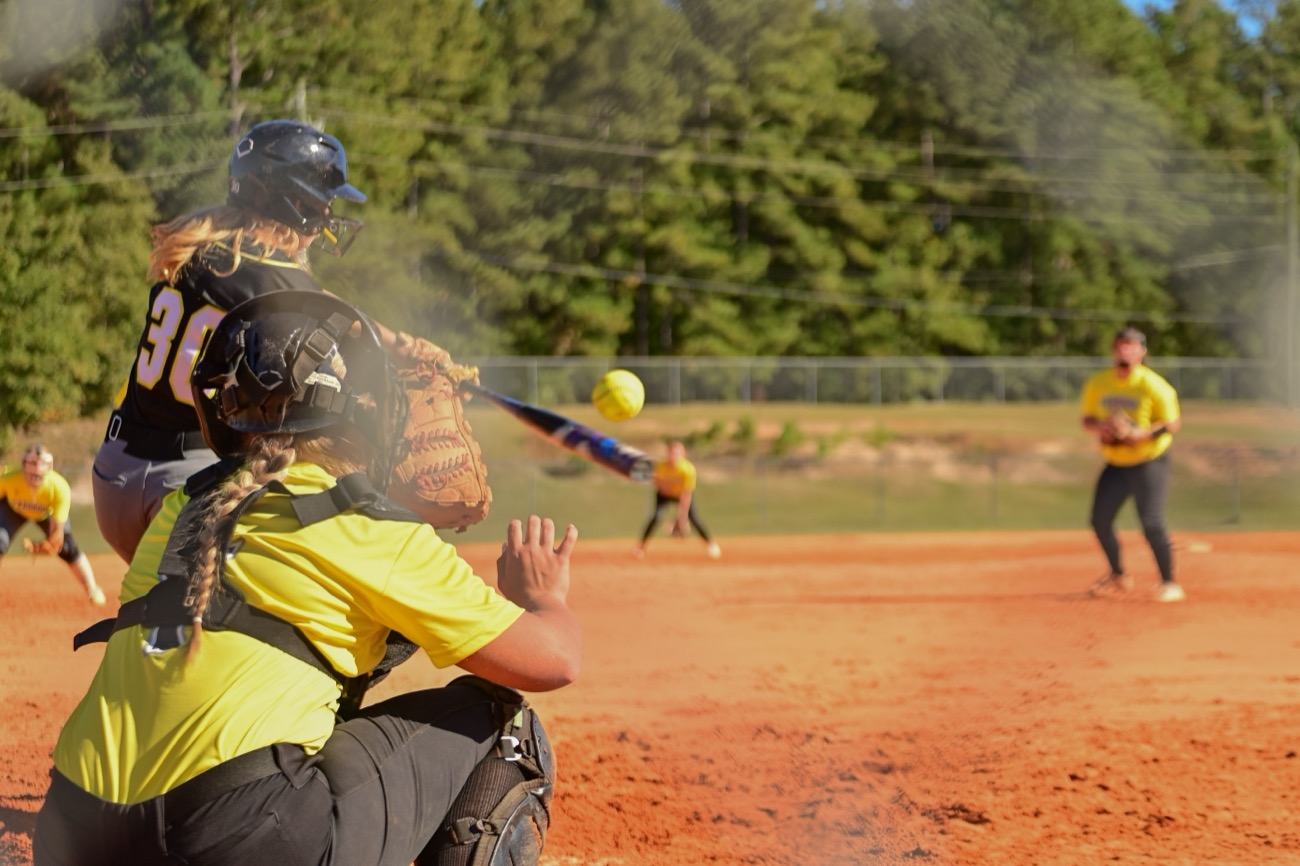
What the Catcher Should Be Tracking
- The count, and what it demands.
- The pitcher’s stuff today — which pitch is actually working.
- What the hitter did last time up.
- The hitter’s stance and swing — late, early, pulling off.
- Runners, and whether a breaking ball in the dirt is affordable.
- The umpire’s zone — where strikes are actually being called.
That last one is a genuine competitive skill. A catcher who works out by the second inning that the umpire is calling the low strike, and calls accordingly, has changed the game — the same situational thinking our baseball IQ guide describes.
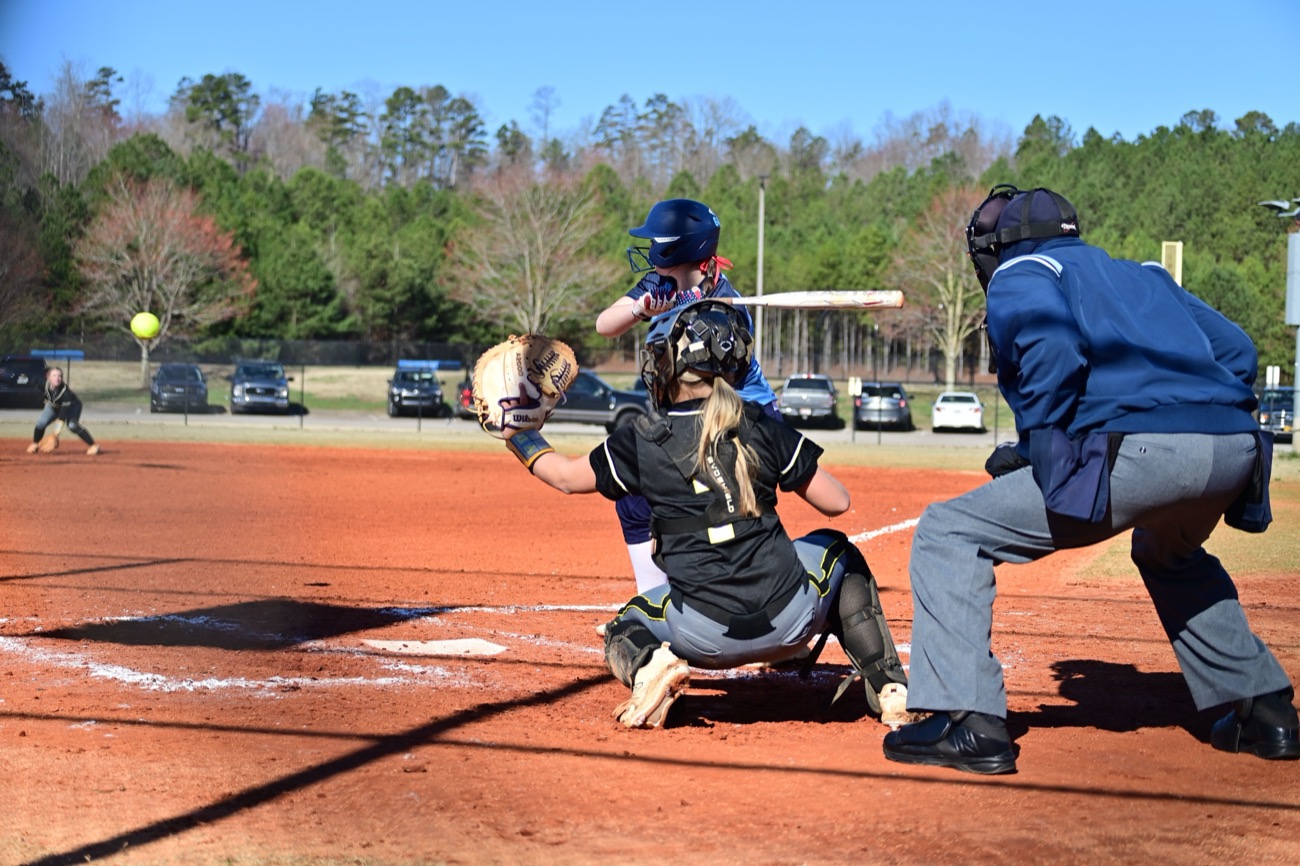
Let the Pitcher Shake Off
This is the single easiest way to develop both players, and many youth teams forbid it.
| Allowing shake-offs | Forbidding them |
|---|---|
| Pitcher commits to the pitch | Pitcher throws something he doubts |
| Both players think about sequencing | Only the coach thinks |
| Builds the battery relationship | Keeps them as separate operators |
| Occasional wrong choice, quickly learned | No learning at all |
| Prepares them for higher levels | Leaves a gap they fill later |
A pitcher throwing a pitch he does not believe in usually throws it badly. Allowing the shake-off costs an occasional poor choice and buys two players who are actually engaged in the at-bat.
Mound Visits
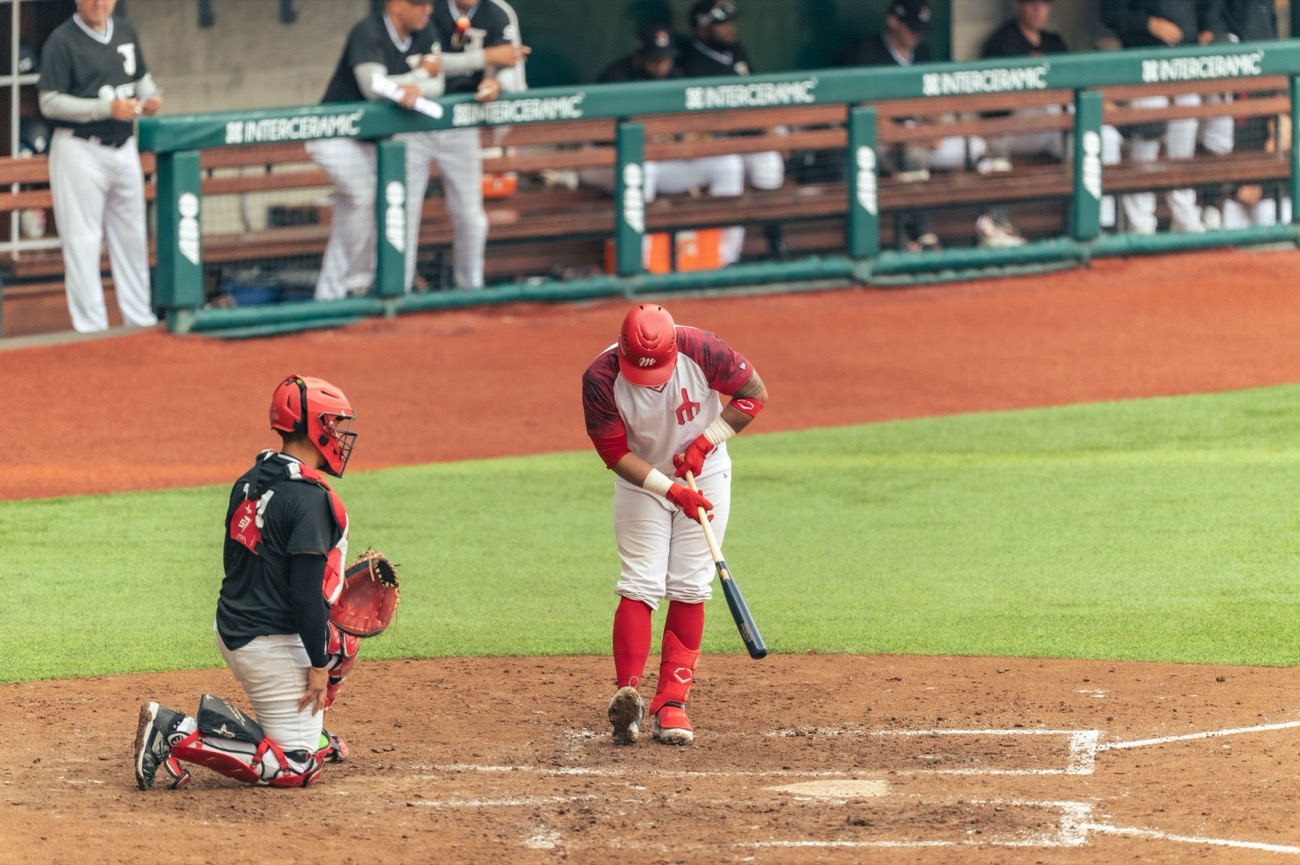
A mound visit is a coaching tool that youth teams mostly waste, usually by using it to deliver instruction that could have waited.
| Good use | Poor use |
|---|---|
| Slowing a pitcher down after a rough stretch | Delivering mechanical instruction mid-inning |
| Resetting the plan for the next hitter | Repeating what the pitcher already knows |
| Checking honestly how the arm feels | Asking in front of everyone if he is tired |
| Letting the catcher lead it | Coach talking, players listening |
The third row matters for arm safety. A pitcher asked publicly whether he is tired will say no every time — the honest version of that question happens privately, as our arm care guide sets out.
Building the Battery
The pitcher-catcher relationship is the only genuine partnership on a baseball field, and it is built off the field as much as on it.
- Throw bullpens together rather than to whoever is available.
- Talk between innings about what is working, not just what went wrong.
- Agree signs and a mound-visit protocol before the season.
- Review a game afterwards — briefly, and without blame.
- Rotate catchers through bullpens so several pairs work.
Catchers who understand their pitchers call better games, and pitchers who trust their catcher shake off less. Our catching guide covers the position more broadly, including why good catchers are so scarce.
Signs and Concealment
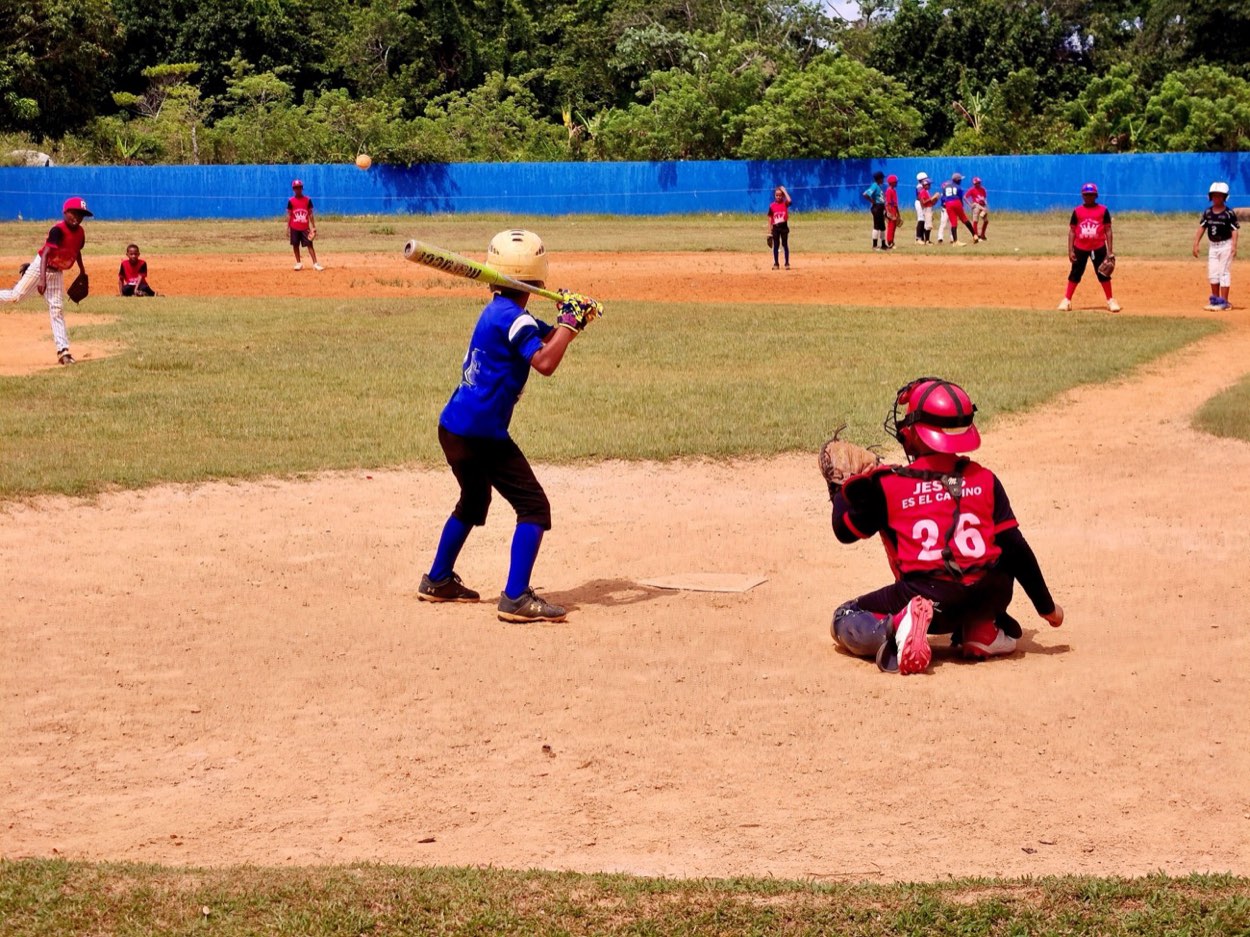
Once runners can reach second base, sign stealing becomes real and youth teams handle it badly.
- Use a simple indicator system with a runner on second — not a single finger.
- Change the system if it is obviously being read.
- Catchers should set signs deep between the thighs, not visibly forward.
- Pitchers should not look in until the sign is set.
- Keep the grip inside the glove — see our pitching grips guide.
The last point is the one most often given away. A pitcher setting a changeup grip outside the glove has told the entire opposing dugout what is coming.
Handing It Over
The transition works best in stages rather than all at once.
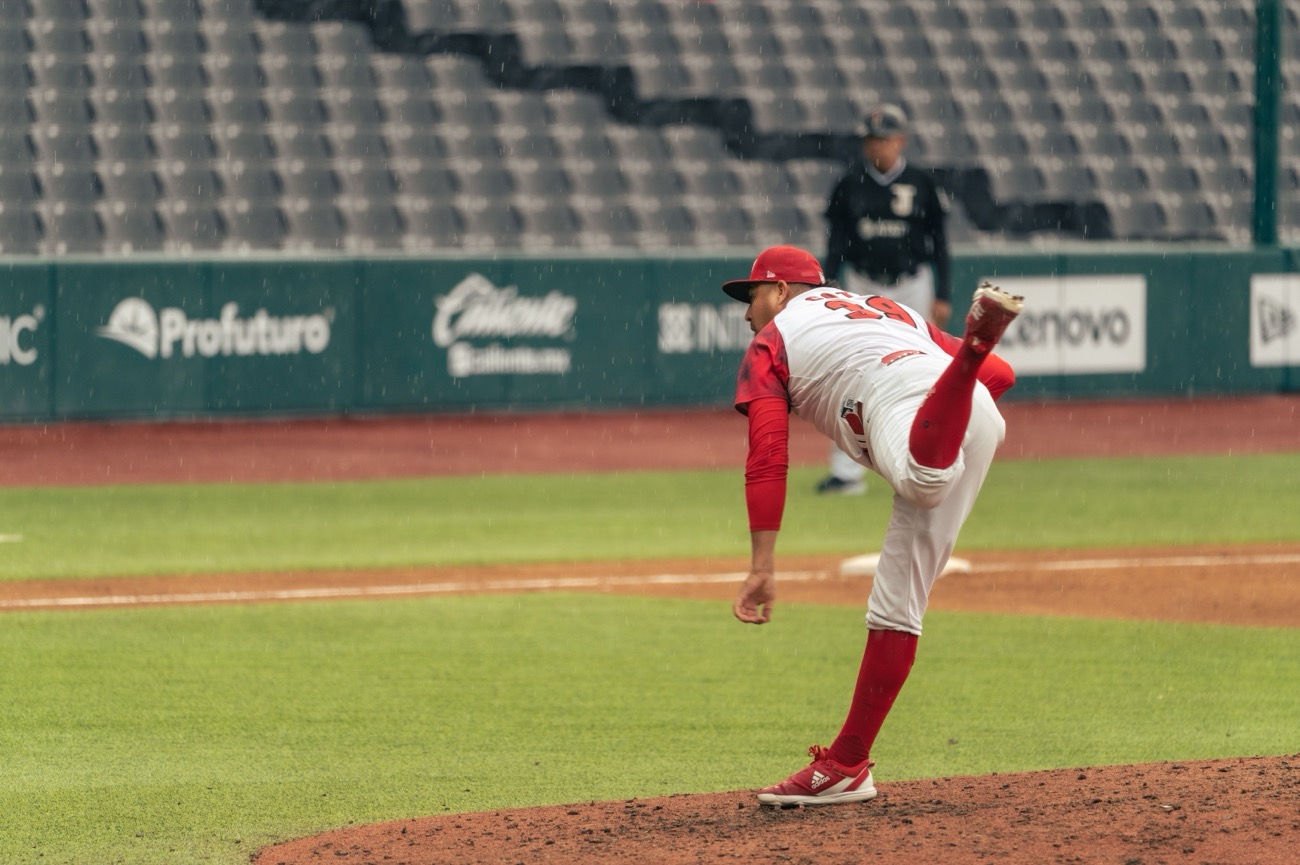
Start by explaining calls between innings. Then let the catcher call with the coach overruling freely. Then let them call with occasional intervention. By 16U or 17U, a catcher who has been through that sequence can genuinely run a game.
It costs a few runs along the way, which is precisely what the fall season is for — a development window where mistakes are cheap.
Our staff includes a former professional pitcher, and we work batteries together deliberately across 13U to 17U. If your player catches or pitches, come to a tryout.
Frequently Asked Questions
Who should call pitches in youth baseball?
Most youth coaches call pitches from the dugout, and that is reasonable at younger ages. From about 14U, letting a catcher call the game — with the freedom to be overruled — develops understanding far faster.
How does a catcher call a game?
By tracking the count, the hitter’s tendencies, the runners and the pitcher’s best pitch that day, then choosing a pitch and location. It is the same situational awareness good baserunning requires, applied to every pitch.
What is a basic pitch sequencing philosophy?
Attack early with the pitcher’s best pitch, use off-speed when ahead in the count, and throw strikes when behind. Simple, consistent principles beat elaborate patterns at youth level.
Should a pitcher be allowed to shake off a sign?
Yes. A pitcher who has to throw a pitch they do not believe in usually throws it badly, and the act of shaking off teaches both players to think about sequencing rather than follow instructions.
How do pitchers and catchers build a working relationship?
Bullpens together, talking between innings, and reviewing what worked after a game. The pairs who communicate consistently outperform pairs with better individual tools.
Develop Catchers Who Understand the Game
WAR Baseball works pitchers and catchers together across 13U through 17U. See upcoming tryouts in Tallahassee.