
Team fundraising occupies a strange place in travel baseball. Everyone does it, most of it returns very little for the effort involved, and almost nobody compares the options before choosing.
Here is what actually produces money relative to the hours it costs.
Ranked by Return on Effort
| Activity | Typical return | Effort | Verdict |
|---|---|---|---|
| Business sponsorship | $250 – $1,000+ each | Low — mostly asking | Best |
| Restaurant partner night | $200 – $600 | Very low | Excellent |
| Raffle | $500 – $2,000 | Moderate | Strong |
| Silent auction | $1,000 – $4,000 | High | Strong at scale |
| Team merchandise | $150 – $400 per player | Moderate | Good — families buy anyway |
| Car wash / bake sale | $300 – $800 | Very high | Poor per hour |
| Catalogue product sales | $100 – $250 per player | High | Poor margins |
The bottom two rows consume entire weekends for modest returns, and they persist mainly because they are traditional. The top two require asking rather than organising, and return more.
Ask a business before you organise a car wash. One phone call frequently beats a Saturday.
The single most useful reframe in team fundraising
Restaurant Partner Nights
The best effort-to-return ratio available, and consistently underused.
- Approach a local restaurant and ask about a percentage-of-sales night.
- Pick a quiet weeknight — they are far more receptive.
- Promote with a flyer, a team email and social media.
- Families eat out anyway; the team takes a share.
- Thank them publicly afterwards, which is what secures next year.
Organising effort is close to zero, and it doubles as a team social occasion. WAR has run these successfully — our events page lists current activity.
Running a Raffle
| Element | What works |
|---|---|
| Prizes | One large draw item plus several smaller |
| Ticket price | Low enough for impulse purchase |
| Sales window | Several weeks; sell at every game |
| Promotion | Email, social media, and in person |
| The draw | Visible, at a well-attended event |
| Compliance | Check local rules on raffles before selling |
The last row is worth checking. Raffle rules vary by state and some require registration — worth five minutes before selling tickets rather than afterwards.
Silent Auctions
The highest-ceiling option and the most work, so it suits an annual event rather than a routine one.
- Collect donated items from local businesses — most will give something.
- Include at least one headline item to draw attention.
- Set sensible minimum bids; too high kills bidding entirely.
- Display items clearly with a short description of each.
- Hold it alongside something families already attend — a banquet or end-of-season event.
- Assign bidder numbers and keep the sheets simple.
Pairing it with an existing event is what makes it viable. Asking families to attend a separate fundraiser is a much harder sell than adding an auction to a banquet they are already coming to.
Sponsorship Beats All of It
Worth restating, because families reliably underweight it: a single business sponsorship frequently exceeds what a full weekend of organised fundraising produces.
It also renews. A sponsor treated well — a banner photo, a thank-you, a mention — often continues year after year for one conversation annually. Our sponsorship program runs from banner advertising through full player sponsorship, and our funding guide covers how to approach a business.
Team Merchandise
An underrated middle option — families buy team gear regardless, so the margin is close to free money.
- Offer items families genuinely want: hoodies, hats, car decals, blankets.
- Take pre-orders rather than carrying stock.
- Price sensibly; a modest margin across the whole roster adds up.
- Extend it to grandparents and sponsors, who buy readily.
- Run it once at the start of a season rather than repeatedly.
It doubles as team identity, which has its own value — and unlike most fundraising it asks families to buy something they wanted anyway.
Organising It Without Resentment
Fundraising causes friction mainly through unclear expectations rather than the work itself.
| Do | Do not |
|---|---|
| State whether fundraising is expected, upfront | Leave it ambiguous |
| Give families options — participate or buy out | Make one method compulsory |
| Share the organising across several families | Let one parent carry it |
| Report what was raised and where it went | Leave people guessing |
| Thank the organisers publicly | Assume it was easy |
The buy-out option is worth offering. Some families would rather contribute the money directly than sell anything, and forcing participation produces resentment for no financial gain.
Timing the Calendar
Fundraising works better at some points in the year than others.
| When | What suits it |
|---|---|
| Pre-season | Sponsorship push; merchandise pre-orders |
| Early season | Restaurant night while enthusiasm is high |
| Mid-season | Raffle sold across several games |
| End of season | Banquet with silent auction |
| Off-season | Sponsorship renewals for next year |
The last row is the one teams forget. Renewing a sponsor in the off-season, when there is time for a proper thank-you and a photo of last year’s banner, is far easier than chasing them in March.
Grants Are Under-Applied For
Beyond team events, individual family assistance exists and is consistently under-claimed.
Organisations such as Every Kid Sports provide registration assistance for families facing financial barriers, and applications are typically short. An hour of paperwork for a few hundred dollars is a better return than most team events.
Our funding guide covers the full range, and our cost breakdown sets out what you are fundraising toward.
Where to Start
If a team does two things, make them a restaurant night and a genuine sponsorship push. Those two cover a meaningful share of a season’s costs for a fraction of the effort that traditional fundraising consumes.
Everything else is optional — and a weekend not spent washing cars is a weekend the families get back, which has its own value in a sport that already takes most of them.
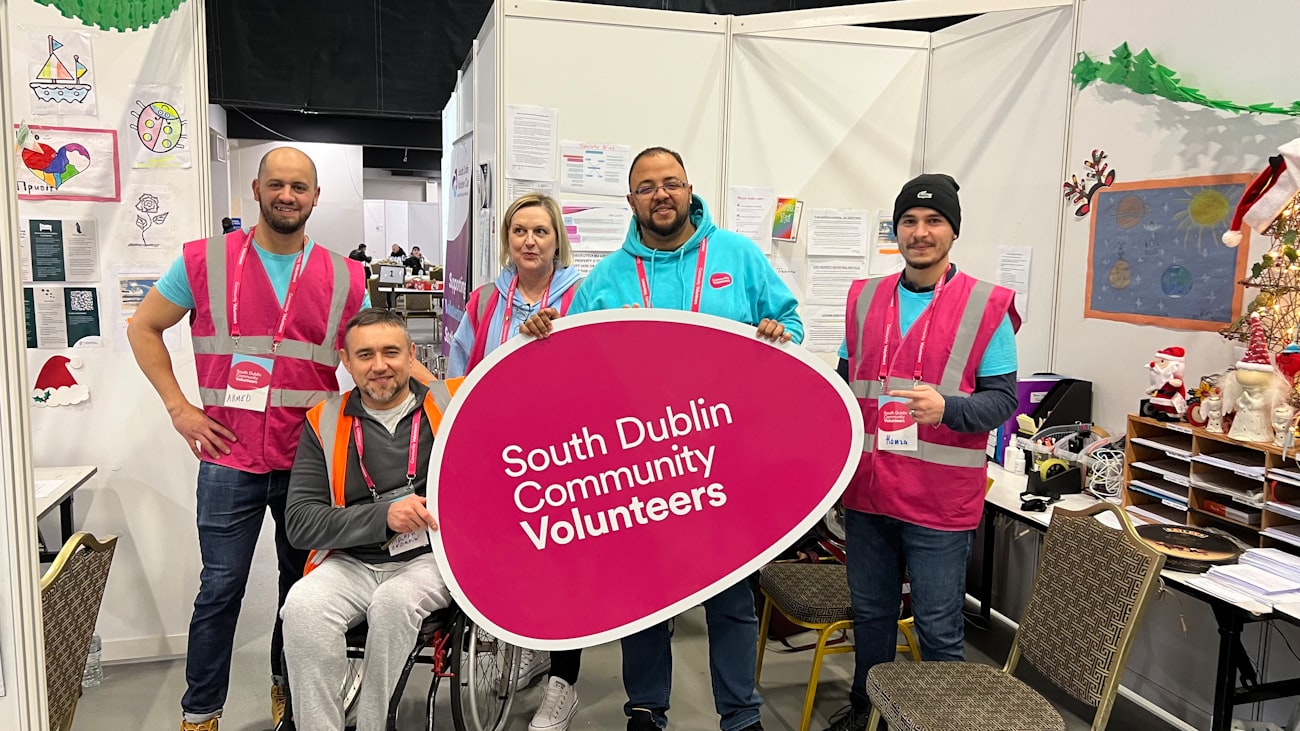
If your family wants to help with sponsorship or has a business connection, get in touch — it is the most useful thing anyone can offer a youth programme.
Frequently Asked Questions
What is the easiest baseball team fundraiser?
A restaurant partner night. A local restaurant donates a share of one evening’s takings, families turn up anyway, and the organising effort is close to zero compared with what it raises.
How much can a youth baseball team raise from an event?
A restaurant night typically raises a few hundred dollars, a well-run raffle or auction considerably more. The best return per hour usually comes from sponsorship rather than events.
How do you run a silent auction for a sports team?
Collect donated items from local businesses, set sensible minimum bids, display items clearly, and include at least one large item to draw attention. Hold it alongside an event families are already attending.
Should fundraising be mandatory?
It should be clear either way before families commit. Ambiguity about whether fundraising is expected is a common source of friction — ask about it before signing.
What is the highest-return fundraising activity?
Local business sponsorship, by a considerable margin. It requires asking rather than organising, and a renewed sponsor costs almost nothing to maintain.
Support WAR Baseball
Sponsorship directly reduces what families pay. See our sponsorship tiers or get in touch about supporting a Tallahassee team.