Category: Travel Baseball Guides

Practical guides for travel baseball parents and players in Tallahassee and North Florida.

  • The Travel Baseball Parent’s Guide: Supporting Your Player

    The Travel Baseball Parent’s Guide: Supporting Your Player

    Travel baseball asks a great deal of parents. You pay for it, drive to it, sit through it in the heat, and absorb the disappointment afterwards.

    What nobody hands you is guidance on the part that matters most — how to be useful to your player without accidentally becoming the reason they stop enjoying it.
    Parent and child playing catch together

    The Car Ride Home

    Ask coaches and former players what parents most often get wrong, and this comes up more than anything else.

    A player has just spent three hours being evaluated, corrected and judged. The car is where they decompress — or where the evaluation continues for another forty minutes.

    Instead ofTry
    “Why did you swing at that?”“I love watching you play.”
    “You need to work on…”Silence, and let them start the conversation
    “The coach should have…”“What did you enjoy about today?”
    “Your teammate really struggled”Nothing about other players at all
    Detailed performance analysisFood, music, and a change of subject
    What to say — and not say — after a game.

    If your player wants to talk about the game, they will. If they do not, the game is over. That single habit does more for a young athlete’s longevity in the sport than any lesson you could pay for.

    From the Stands

    The rule is simple: support loudly, instruct never.

    Coaching from the fence splits a player’s attention between two voices at the exact moment they need one. It also undermines the coach and, in most cases, contradicts what was worked on in practice.

    • Cheer for effort and good plays — including the other team’s.
    • Never comment on another player, ever. It travels.
    • Never address umpires. They are often teenagers.
    • Keep body language neutral after mistakes. Players check the stands.
    • If you cannot watch calmly, watch from further away. That is a legitimate strategy.
    Family driving home from a weekend tournament

    Talking to Coaches

    Playing time is the most common source of friction in travel baseball, and there is a right way to raise it.

    SituationBest approach
    Playing time concernsHave the player ask the coach first
    Position changesAsk what the coach sees long-term, not why the change happened
    Perceived unfairnessWait 24 hours, then request a private conversation
    Player safety or arm useRaise immediately — this one cannot wait
    Team logisticsEmail, not a conversation at the field
    How to approach different conversations with a coach.

    The 24-hour rule exists for good reason. Conversations immediately after a loss rarely go well for anyone.

    More importantly, encourage the player to ask first. A fifteen-year-old who can ask a coach ‘what do I need to work on to earn more innings?’ has learned something more valuable than the innings themselves — and it is precisely the trait college coaches look for, as our recruiting timeline explains.

    The players who go furthest are almost always the ones who advocate for themselves. That skill is learned at thirteen, not at eighteen.

    WAR Baseball coaching staff
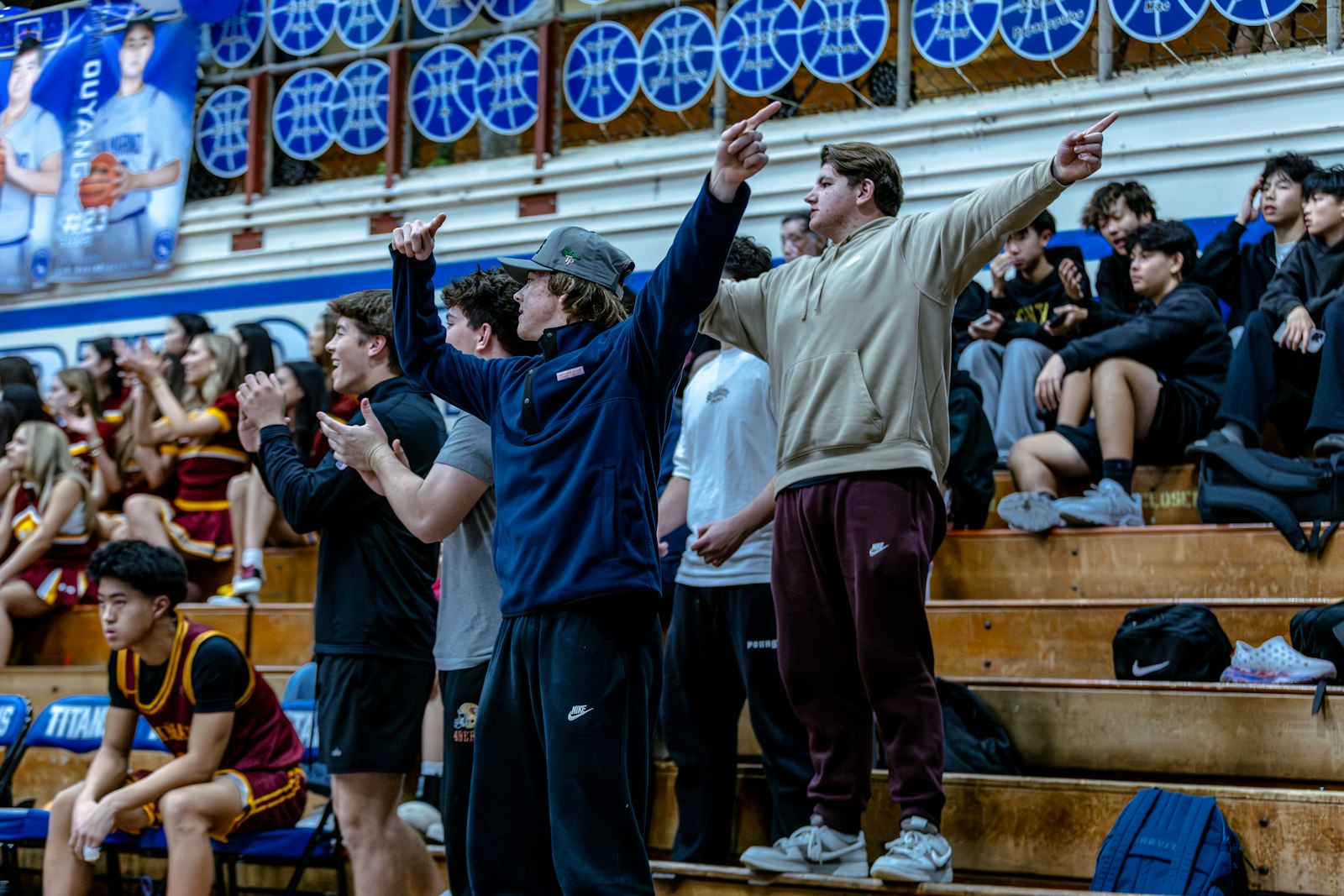
    Spectators cheering at a youth baseball game

    Whose Game Is It?

    This is the uncomfortable question, and it is worth asking honestly once a season.

    Sign it is the player’sSign it has become the parent’s
    They pick up a glove without promptingYou bring up baseball more than they do
    They are disappointed, then move onYou stay upset longer than they do
    They ask to go to extra practicePractice attendance is an argument
    They talk about teammates and coachesThey avoid discussing the team
    They want to play next seasonYou are already planning next season for them
    An honest check on whose ambition is driving the season.

    None of these mean a family should quit. They mean it is time for a genuine conversation. Players who leave sport in their teens overwhelmingly cite pressure and lost enjoyment rather than lack of ability.

    The Positive Coaching Alliance publishes useful material for parents on keeping youth sport developmental rather than results-driven.
    Parent talking with their child after a game

    The Practical Side

    Beyond the emotional dimension, a lot of parenting in travel baseball is simply logistics done well.

    • Pack the cooler the night before. See our tournament nutrition guide for what actually goes in it.
    • Track pitch counts across every team your player throws for — no coach sees the total, as our arm care guide explains.
    • Know the schedule and build in buffer. Tournament times shift.
    • Share driving. It cuts cost and makes the season more sociable.
    • Protect sleep, especially on multi-day events.

    Bleachers beside a youth baseball field

    Supporting Without Steering

    The most useful thing a parent provides is not instruction. It is stability — showing up, staying calm, and making home the place where performance does not follow them.

    Let the coaches coach. Our staff includes former college and professional players, and they will handle the mechanics. What they cannot provide is a player who arrives rested, fed, and enjoying themselves.

    If cost pressure is adding tension at home, that is worth addressing directly rather than absorbing — our guide to paying for travel baseball covers sponsorship, fundraising and assistance options, and our payment plans are published openly.
    Family supporting a young baseball player

    The Long View

    Almost no youth baseball player becomes a professional. A small percentage play in college. Nearly all of them stop playing competitively at some point in their teens or early twenties.

    What lasts is whether they enjoyed it, what they learned about work and failure, and whether they still want to throw a ball with you at twenty-five.

    That is the actual return on the investment. Everything else — the tournaments, the fees, the hot Saturdays in Marianna — is the means, not the end. If you are still deciding whether to start, our comparison of travel and rec baseball is the honest version.

    Frequently Asked Questions

    What should I say to my child after a baseball game?

    Start with something other than performance. ‘I love watching you play’ works better than any analysis. Let the player raise the game if they want to; if they do not, let it go. The car ride home is consistently cited as the moment parents do the most unintentional damage.

    Should parents coach from the stands?

    No. It splits the player’s attention between two voices, undermines the coach, and adds pressure at exactly the wrong moment. Support loudly, instruct never.

    How do I talk to my child’s coach about playing time?

    Have the player ask first — coaches respect that, and it is the single most useful thing a young athlete can learn. If a parent conversation is still needed, request it away from the field, never immediately after a game, and ask what your player can work on rather than why they sat.

    How do I know if my child still enjoys baseball?

    Watch what happens without prompting. Do they pick up a glove on their own? Do they talk about the team? Are they willing to go to practice? Ask directly and occasionally — and be prepared to accept the answer.

    What is the biggest mistake travel baseball parents make?

    Caring more than the player does. When a parent’s investment visibly exceeds the child’s, the game stops being theirs — and that is the most common route to a player quitting in their teens.

    Come See How We Work

    WAR Baseball holds open tryouts for 13U through 17U in Tallahassee. Meet the coaches and see whether the environment fits your family.


  • Fueling a Tournament Weekend: Youth Baseball Nutrition and Hydration

    Fueling a Tournament Weekend: Youth Baseball Nutrition and Hydration

    By the third game of a Florida tournament Saturday, you can spot the players who did not eat breakfast. Bat speed drops, focus goes, and errors start appearing in innings that should be routine.

    Almost none of that is fitness. It is fuel and fluid, and it is one of the easiest advantages a family can hand a player.

    Healthy snacks including fruit and nuts

    Why Baseball Tournaments Are Uniquely Hard

    A tournament day is not like a single game. Players arrive early, play, wait several hours, then play again — often in high heat and humidity, standing on open fields with minimal shade.

    The waiting is the trap. Long gaps encourage concession-stand eating and forgetting to drink, and by the time a player feels hungry or thirsty, performance has already dropped.

    Timing: What to Eat and When

    WhenWhat to eatWhy
    2-3 hours before first pitchBalanced carb-focused meal, moderate proteinDigests fully; steady energy
    1-2 hours beforeLight carbohydrate snack — fruit, toastTops up without sitting heavy
    Under 1 hour beforeQuick carbs only — banana, pretzels, applesauceFast to digest
    Between games (3+ hrs)Proper meal — sandwich, fruit, waterFull refuel before the next game
    Between games (under 1 hr)Light carb snack and fluidAvoids stomach discomfort
    Within 30-60 min after final gameCarbs plus proteinStarts recovery for tomorrow
    Tournament day fuelling timeline for youth baseball players.

    Two rules override everything in that table. Nothing high in fat or fibre close to game time — both sit heavily. And never try new foods on a tournament day.

    Sports water bottle and hydration supplies

    Hydration in Florida Heat

    This is where North Florida tournaments differ from most of the country. August and September events run in serious heat and humidity, and players are often at the complex for eight hours or more.

    WhenWhat to drinkNotes
    Waking upLarge glass of waterMost players start the day behind
    Morning, pre-gameSteady sips of waterLittle and often beats chugging
    During gamesWater; sports drink if hot or over an hourSodium replacement matters in heat
    Between gamesWater plus electrolytesEspecially for heavy sweaters
    EveningWater with the evening mealRehydrating for day two
    A practical tournament hydration schedule.

    Water is the foundation, but on long hot days a sports drink genuinely earns its place — it replaces the sodium lost in sweat and supplies quick carbohydrate. Look for at least 110-240mg of sodium per 8oz serving; many popular drinks fall short of that.

    The Academy of Nutrition and Dietetics’ sports nutrition guidance is a reliable reference for parents wanting more detail on fuelling young athletes.

    If a player waits until they feel thirsty, they are already behind. Sip all day, every day of the tournament.

    The single most useful hydration rule
    Young athlete eating between games

    What to Pack in the Cooler

    • Fluids: more water than seems sensible, plus an electrolyte option
    • Quick carbs: bananas, oranges, grapes, pretzels, applesauce pouches
    • Real food: sandwiches, wraps, pasta salad for longer gaps
    • Protein: turkey, cheese sticks, yogurt if it can stay cold
    • Backups: granola bars and trail mix that survive heat
    • Non-food: extra ice, a shade tent or umbrella, sunscreen, towels

    Pack for the family too. Parents who spend $80 at the concession stand across a weekend usually did not plan the cooler — a real line item in our travel baseball cost breakdown.

    Two coolers works better than one: a small one that stays in the dugout with drinks and quick snacks, and a larger one in the car with meals and spare ice. It saves repeated trips across a complex in the heat, and keeps the food that needs to stay cold actually cold.

    Bananas and oranges on the sideline at a game

    What to Avoid

    AvoidWhy
    Heavy fried concession foodSlow to digest; sits through the next game
    Energy drinksNot appropriate for youth athletes; caffeine plus heat is a poor mix
    Large amounts of sodaSugar spike then crash, and no sodium replacement
    Skipping breakfastThe most common cause of a fade by game three
    Only drinking at breaksToo little, too late in real heat
    New supplements or foodsTournament day is the worst possible time to experiment
    Common tournament nutrition mistakes and why they matter.
    Player drinking water in the dugout

    The Week Before Matters Too

    Tournament nutrition does not start on Saturday morning. A player who has eaten poorly and under-hydrated all week cannot fix it with one good breakfast.

    TimingPriority
    Monday-ThursdayNormal balanced meals; consistent fluid intake
    FridayIncrease carbohydrate slightly; hydrate deliberately all day
    Friday eveningFamiliar carb-focused dinner; early night
    Saturday morningFull breakfast 2-3 hours before first pitch
    Building into a tournament weekend across the preceding week.

    Friday is the day most often wasted. Players travel, eat fast food on the road and arrive already behind on fluid — then play three games in the heat on Saturday.

    Recovery Between Days

    Multi-day tournaments are won on Sunday by what happened Saturday evening. Three things matter, in order.

    1. Rehydrate properly — with the evening meal and before bed.
    2. Eat a real meal within an hour of the last game, with carbs and protein.
    3. Sleep. The most underrated recovery tool available to any adolescent athlete.

    Sleep does more for young athlete recovery than any supplement, and it is the first thing lost to late finishes and unfamiliar hotel rooms. It is worth protecting deliberately — a point we make in our off-season training guide too.

    Shaded rest area at a baseball tournament

    Building the Habit

    None of this is complicated, and that is rather the point. Pack the cooler the night before, make breakfast non-negotiable, keep a bottle in hand all day.

    Players who fuel well hold their performance into the afternoon games — which, in bracket play, are the games that decide the weekend. See our North Florida tournament guide for how those weekends are structured, and our parent’s guide for the rest of the sideline logistics.

    Frequently Asked Questions

    What should a baseball player eat between tournament games?

    If there are a few hours, a balanced carb-focused meal with moderate protein works well — a sandwich with fruit is ideal. Under an hour, stick to quick, easily digested carbohydrates such as a banana, pretzels or applesauce.

    How much water should a young athlete drink during a tournament?

    Sip consistently throughout the day rather than drinking large amounts occasionally. Thirst means a player is already behind. On hot Florida tournament days, plan on steady intake from waking up through the last game.

    Do young baseball players need sports drinks?

    Water is the foundation. Sports drinks earn their place during long, hot days or games over an hour, because they replace sodium lost in sweat and add quick carbohydrate. Look for at least 110-240mg of sodium per 8oz serving.

    What should a player eat before a morning game?

    A carbohydrate-focused breakfast two to three hours before first pitch — oatmeal, toast, fruit, a little protein. Avoid high-fat or high-fibre foods, which sit heavily. Never try new foods on tournament day.

    What causes players to fade by the third game of the day?

    Usually dehydration and under-fuelling rather than fitness. Players who skip breakfast, drink little and eat only concession food are running on empty by the afternoon, particularly in Florida heat.

    Join Us for a Tournament Weekend

    WAR Baseball plays a regional Southeast schedule out of Tallahassee. See our upcoming tryouts for 13U through 17U.

  • How to Pay for Travel Baseball: Sponsorships, Fundraising and Aid

    How to Pay for Travel Baseball: Sponsorships, Fundraising and Aid

    Travel baseball costs most families several thousand dollars a year. That number stops plenty of good players before they start.

    What is less widely known is that relatively few families pay the whole thing from savings. Most assemble it from several sources — and the ones that work best are the ones nobody talks about.

    Community fundraising event with volunteers

    The Funding Routes, Compared

    SourceTypical valueEffortBest for
    Business sponsorship$250 – $1,000+ModerateFamilies with local business connections
    Team fundraising$100 – $400 per playerHigh, shared across the teamOrganised teams
    Youth sports grants$100 – $500Moderate paperworkFamilies meeting need criteria
    Program payment plansCash-flow reliefLow — just askAlmost everyone
    Program hardship aidVaries, sometimes full feesOne conversationFamilies in genuine difficulty
    Individual fundraising$200 – $600ModerateFamilies with a wide network
    Travel baseball funding routes compared by value and effort.

    The highest-return option for most families is the one they never try: simply asking the program what is available.

    Sponsorship: The Biggest Lever

    Local business sponsorship is the single most effective funding route, and it is genuinely a two-way transaction rather than charity. A business gets local advertising in front of an engaged community audience.

    TierTypical askWhat the business receives
    Entry$250 – $350Facility or fence banner for one year
    Mid$500 – $800Larger banner placement, social media, team photo
    Team$950+Logo on team jerseys, full-season recognition
    PlayerFull season feesDirect sponsorship of one athlete, premium recognition
    Common youth baseball sponsorship tiers and what they include.

    WAR Baseball runs exactly this structure — our sponsorship program covers banner advertising at Powermill through to full player sponsorship, where a business covers a player’s dues and fees for the season.

    Youth baseball team group photo with sponsors

    How to Actually Approach a Business

    1. Start with people you know. Your dentist, your mechanic, your employer. Existing relationships convert far better than cold approaches.
    2. Bring a one-page package. Tiers, what they get, where the banner hangs, how many families see it.
    3. Lead with the business case. Local visibility to local customers — not ‘please help my kid.’
    4. Mention the tax treatment. Sponsorship is often an advertising expense for the business.
    5. Follow through. Send photos of the banner and a thank-you. That is what renews it next year.

    A sponsorship you renew every year is worth more than three you have to chase from scratch. Treat sponsors like customers.

    What works, consistently
    Handshake sealing a sponsorship agreement

    Fundraising That Is Worth the Effort

    Not all fundraising is equal. Some methods return a great deal for the hours invested, and some return almost nothing.

    MethodTypical returnEffortVerdict
    Team merchandise sales$150 – $400/playerModerateStrong — families buy anyway
    Restaurant partner nights$200 – $600/teamLowStrong — easy and social
    Sponsored tournament programme$500 – $2,000/teamModerateStrong when sold locally
    Car wash / bake sale$300 – $800/teamHighWeak return per hour
    Product catalogue sales$100 – $250/playerHighWeak — margins are poor
    Online donation driveHighly variableLowWorth trying once per season
    Youth baseball fundraising methods ranked by return on effort.

    Restaurant partner nights are consistently underused. A local restaurant donates a share of one evening’s takings, families show up anyway, and the effort involved is close to zero. WAR has run these successfully — see our events page for current activity.

    Saving money for youth sports fees

    Grants and Financial Assistance

    Youth sports grants exist and are consistently under-applied for. They come from nonprofits, corporations and some state programs, and typically cover registration fees, equipment or travel.

    Every Kid Sports is one of the better-known organisations providing registration assistance to families facing financial barriers, and is a reasonable starting point for families who qualify.

    Beyond formal grants, most travel programs have some internal flexibility. It is rarely advertised, because programs would rather handle it case by case and confidentially.

    Applications are usually short — proof of income, a description of the program and the fee involved. An hour of paperwork for a few hundred dollars is one of the better returns available to a family, and the main reason more people do not claim it is simply that they assume they will not qualify.

    Sponsor banner hanging on an outfield fence

    A Worked Example

    Funding rarely comes from one source. Here is what a realistic mix looks like for a family facing a $2,800 season.

    SourceAmountHow it was secured
    Business sponsorship$800Two local businesses at the entry tier
    Team fundraising share$350Restaurant night plus merchandise sales
    Youth sports grant$300One application, roughly an hour of paperwork
    Family contribution$1,350Spread across a two-payment plan
    Total covered$2,800Out-of-pocket reduced by over half
    How a typical family assembles a travel baseball season’s funding.

    The point is not the specific numbers. It is that no single source carried it — and the family that only considers writing one cheque pays roughly twice what this family did.

    Payment Plans and Cash Flow

    Sometimes the problem is not the total but the timing. A $1,000 fee due in one payment is very different from the same amount spread across a season.

    Our pricing page sets out both a one-time and a two-payment plan, and we accept cash, check, Venmo or PayPal. If a different arrangement would make the difference, that is a conversation worth having.

    For the full picture of what you are budgeting toward — including the costs that catch families out — see our travel baseball cost breakdown and our guide to what tournament weekends cost.

    Baseball team celebrating with supporters

    Just Ask

    The most common reason a family does not get help is that they never asked. Program directors would overwhelmingly rather have a good player on the roster at a reduced rate than lose them over money.

    If cost is what stands between your player and a spot, contact us. That conversation is confidential, and it happens far more often than most families imagine.

    Frequently Asked Questions

    How do families pay for travel baseball?

    Most combine several sources: team payment plans, business sponsorships, team and individual fundraising, youth sports grants, and program-level financial assistance. Very few families cover the full cost from savings alone.

    Are there grants for youth sports?

    Yes. Nonprofits, corporations and some state programs offer youth sports grants covering registration fees, equipment and travel. Organisations such as Every Kid Sports provide assistance specifically for families facing financial barriers.

    How do I get a business to sponsor my child’s baseball team?

    Approach local businesses with a clear package showing what they receive — banner placement, jersey logos, social media mentions — at defined tiers. Businesses with a local customer base respond best, and existing family connections have by far the highest success rate.

    Can travel baseball fees be tax deductible?

    Generally no, if the program is a for-profit business. Donations to a registered non-profit organisation may be deductible for the donor. Sponsoring businesses can often treat sponsorship as an advertising expense — worth raising when you approach them.

    What if we simply cannot afford travel baseball?

    Talk to the program director directly and confidentially. Many programs have sponsorship arrangements or hardship funds that are never advertised. Cost should be a conversation, not a silent barrier.

    Let’s Talk About Making It Work

    Sponsorship, payment plans and assistance options are all on the table. Reach out and we will find something that fits.

  • Should Your Player Specialize in Baseball? What the Research Says

    Should Your Player Specialize in Baseball? What the Research Says

    Somewhere around age eleven or twelve, most baseball families face the same pressure. A travel coach mentions that serious players train year-round. Another sport’s season overlaps. A choice seems to be required.

    It is worth knowing that the research on this question is unusually clear — and it points the opposite way from the pressure.

    Youth basketball game in a school gym

    What Specialization Actually Means

    Researchers generally define sport specialization by three conditions: intensive year-round training, participation in one sport at the exclusion of others, and involvement for more than eight months per year.

    Meeting all three is what raises risk most sharply. A player who plays travel baseball in spring and summer but runs track in the winter is not specialized in this sense.

    The Injury Evidence

    FindingWhat the research shows
    Innings volumePitchers throwing 100+ innings per year were ~3.5x more likely to be injured
    Months per yearPitching more than 8 months/year significantly raised risk of shoulder or elbow surgery
    Arm injury frequencyHigher among specialized players than non-specialized players
    Across sportsSpecialization is repeatedly identified as an overuse injury risk factor
    Movement qualityMulti-sport youth developed better landing mechanics than single-sport peers
    Key findings from research on youth sport specialization.

    Baseball is a particularly poor sport for specialization because the throwing motion is both repetitive and unusually stressful on a developing elbow and shoulder. A player who only plays baseball does the same high-stress movement year-round.

    Growth plates compound the problem. Adolescent elbows and shoulders are still developing, and the tissue absorbing that repeated stress is measurably more vulnerable than an adult’s — which is why the injuries showing up in fourteen-year-olds were once seen mainly in professionals.

    Young athlete playing football on a grass field

    The Performance Argument

    The common assumption is that specialization is the cost of getting good. The evidence suggests the opposite.

    Studies of professional baseball players found they generally played multiple sports as children and specialized later than athletes who topped out at lower levels. A broader base of motor skills appears to help rather than hinder.

    Early specializationMulti-sport until 15-16
    Injury riskElevated, particularly overuseLower
    Athletic baseNarrow, sport-specificBroader movement vocabulary
    Burnout riskHigherLower
    Skill ceilingNo demonstrated advantageNo demonstrated disadvantage
    Elite outcomesCommon among lower-level athletesCommon among professionals
    Early specialization compared with delayed specialization.

    The players who make it tend to be the best athletes, not the ones who played the most baseball.

    A consistent finding across the research
    Children running on a track

    What Other Sports Give a Baseball Player

    SportTransferable benefit
    BasketballLateral movement, explosive jumping, hand-eye coordination
    FootballStrength, physicality, competitive toughness
    Track and fieldSprint mechanics — directly improves the 60-yard dash
    SoccerConditioning, lower-body strength, spatial awareness
    SwimmingShoulder health, conditioning without impact
    How other sports contribute to baseball development.

    Track is worth singling out. The 60-yard dash is the universal athleticism screen in baseball recruiting, and sprint coaching improves it faster than anything a baseball practice does — something we cover in our off-season training guide.

    Youth soccer match in progress

    When Specialization Starts to Make Sense

    This is not an argument that nobody should ever specialize. It is an argument about timing.

    • Age 15-16 and above is the range most guidance points to.
    • The player is driving it, not a parent or a coach.
    • There is still a genuine off-season — at least two to three months away from throwing.
    • Realistic goals exist — the player is tracking toward college-level ability.
    • Training is supervised by people who understand adolescent development.

    The American Academy of Pediatrics’ guidance for young athletes is a useful reference for parents weighing this decision, covering rest, specialization and overuse injury together.

    Baseball player sitting thoughtfully in the dugout

    Burnout Is the Other Half of the Problem

    Injury gets the attention, but attrition quietly does more damage. A large share of young athletes stop playing organised sport in their early teens, and the reasons they give are consistent: it stopped being fun, and the pressure outweighed the enjoyment.

    Warning signWhat it often means
    Dreading practiceLoad or pressure has exceeded enjoyment
    No interest outside organised sessionsThe internal motivation has gone
    Frequent vague complaints of sorenessSometimes physical, often avoidance
    Irritability about the scheduleToo little unstructured time
    Relief when an event is cancelledThe clearest signal of all
    Early indicators of burnout in young baseball players.

    The awkward truth is that specialization and burnout reinforce each other. A player who has given up every other sport has nothing to fall back on when baseball stops being fun — and quitting entirely becomes the only exit.

    Handling It Practically

    The conflict is usually a calendar problem rather than a philosophical one. Fall baseball overlaps with football. Winter workouts overlap with basketball.

    • Have the conversation with both coaches early — before schedules are set.
    • Accept that your player will miss some events, and say so upfront.
    • Protect the throwing break regardless of which sport is in season.
    • Watch total load, not just baseball load. A three-sport athlete with no rest is still at risk.
    • If a program will not accommodate another sport at all, weigh that carefully.

    For what it is worth, we would rather have a player for two seasons who arrives healthy and athletic than have them year-round and lose them to an elbow injury at fifteen. Our FAQ sets out our season structure, and our tournament schedule shows the actual commitment involved.

    Multi-sport young athlete training outdoors

    The Bottom Line

    Playing baseball year-round from age ten does not produce better baseball players. The research points consistently toward more injuries, more burnout and no measurable performance advantage.

    Play other sports. Take real time off from throwing. Specialize when your player is old enough and wants it — and read our arm care guide before the innings start adding up. If you are still weighing the broader commitment, our comparison of travel and rec baseball covers the trade-offs.

    Frequently Asked Questions

    At what age should a player specialize in baseball?

    Most sports medicine guidance recommends delaying single-sport specialization until at least age 15 or 16. Before that, playing multiple sports builds broader athletic ability and is consistently associated with lower injury rates.

    Does specializing early improve the odds of playing college baseball?

    The evidence does not support it. Studies of professional baseball players found they typically played multiple sports as children and specialized later than their lower-level peers. Early specialization raises injury risk without a clear performance benefit.

    How many innings is too many for a youth pitcher?

    Research found that youth pitchers throwing more than 100 innings in a year were about 3.5 times more likely to be injured. Pitching more than eight months per year is associated with a significantly increased risk of shoulder or elbow surgery.

    Can a player play travel baseball and another sport?

    Yes, and many of the best athletes do. It requires honest scheduling conversations with both coaches, and it usually means missing some events. A program unwilling to have that conversation is telling you something useful.

    What counts as sport specialization?

    The common definition is intensive year-round training in a single sport, at the exclusion of other sports, for more than eight months per year. Meeting all three conditions is what raises risk most sharply.

    A Program That Respects the Off-Season

    WAR Baseball runs defined fall and spring seasons with real breaks. Come see how we develop players in Tallahassee.

  • Off-Season Baseball Training: What Actually Makes Players Better

    Off-Season Baseball Training: What Actually Makes Players Better

    The off-season is when baseball players actually change. In-season, there is barely time to maintain — games, travel and recovery fill the calendar.

    Winter is when strength, speed and arm health get built. It is also when the most time gets wasted, usually on the wrong things. Here is what the evidence and experience both point to.

    Baseball player sprinting during speed training

    Start With Rest

    This is the part players skip and the part that matters most.

    After a season ends, young arms need genuine time away from throwing — not a lighter throwing schedule, but a stop. Sports medicine guidance consistently recommends two to three months per year away from overhead throwing.

    Strength and conditioning work can continue during that break. The rest applies to throwing, not to being an athlete. Our guide to youth pitch counts and arm care covers why this window is non-negotiable.

    A Phase-by-Phase Off-Season

    PhaseTimingFocusThrowing
    1. Recovery2-4 weeks post-seasonComplete rest from throwing; general movementNone
    2. FoundationWeeks 3-6Movement quality, base strength, mobilityNone to light catch
    3. StrengthWeeks 5-10Progressive loading, posterior chain, coreLight catch play
    4. PowerWeeks 9-14Explosive work, medicine ball, sprint mechanicsLong toss progression
    5. Ramp-up4-6 weeks pre-seasonMaintain strength, sharpen skillFull progression, bullpens
    A typical off-season structure from season’s end to opening weekend.

    The sequence matters more than the specific exercises. Building power on top of no foundation is how players get hurt in February.

    Player long tossing across an open field

    What Actually Improves Velocity

    Every young pitcher wants velocity, and most chase it the least effective way — by throwing harder, more often.

    Research comparing training approaches found that athletes who added a strength program gained velocity more safely than those who only increased throwing volume. Throwing more is the highest-risk, lowest-return path.

    InputEffect on velocityInjury risk
    Lower-body and core strengthHigh — the legs generate the forceLow when supervised
    Structured long tossHigh when progressiveLow to moderate
    Mobility and thoracic rotationModerate — unlocks existing abilityVery low
    Mechanical efficiencyModerate to highLow
    Simply throwing harder, more oftenLowHigh
    Weighted ball programsVariableHigh without expert supervision
    What genuinely builds throwing velocity, ranked against injury risk.

    The same principle applies to hitting. Exit velocity is a strength and sequencing outcome, not something produced by swinging more. A twelve-week strength program in adolescent players has been shown to improve running speed and produce measurable gains in bat exit velocity.

    Velocity is built in the weight room and protected in the off-season. It is not built by throwing more bullpens in January.

    WAR Baseball coaching staff
    Athlete performing strength work with free weights

    Strength Training for Young Players

    Parents often worry that lifting will stunt growth. That concern is not supported by the evidence — supervised, age-appropriate resistance training is considered safe and beneficial for adolescent athletes.

    AgeEmphasisLoading
    10-12Bodyweight control, coordination, movement qualityBodyweight and light medicine ball
    13-14Technique under light load, posterior chainLight external load, high quality
    15-16Progressive strength, explosive workModerate to heavy, well supervised
    17-18Strength and power, sport-specific transferFull program
    Age-appropriate strength progression for baseball players.

    The National Strength and Conditioning Association publishes long-term athletic development guidance worth reading if you are evaluating a training program for a young player.

    Player stretching and working on mobility

    Long Toss, Done Properly

    Long toss is one of the most effective arm-building tools available, and one of the most commonly botched.

    1. Start at around 60 feet with easy, on-line throws.
    2. Extend distance gradually across weeks, not within a single session.
    3. Work out to 120 feet and beyond only once the arm handles it comfortably.
    4. Finish by pulling down — coming back in closer with flat, firm throws.
    5. Stop when mechanics deteriorate. Fatigue is the signal, not distance.

    Three sessions a week is plenty. The goal is accumulating quality throws over months, not maximising distance in any one session. Players who treat every long toss day as a distance competition tend to arrive at spring with a sore arm and no additional velocity.

    Speed and Agility

    The 60-yard dash is the universal athleticism measure in baseball evaluation, and it is highly trainable — most young players have never been taught how to sprint.

    Acceleration mechanics, first-step quickness and change of direction respond quickly to coaching. It is one of the fastest ways for a player to improve their profile ahead of college recruiting evaluation.

    Speed and agility work is built into team membership at Powermill for our players — two sessions a week, year-round, alongside team practice.

    Indoor batting cage session during the off-season

    Common Off-Season Mistakes

    • No rest at all. Playing fall, winter and spring baseball with no break is the clearest predictor of arm trouble.
    • Chasing velocity in December. Peak throwing effort belongs at the end of the off-season, not the start.
    • Skill work only. Hitting lessons without strength work produce very little physical change.
    • Copying professional programs. Adult training loads do not transfer to developing bodies.
    • Ignoring sleep and nutrition. Both do more for adolescent development than any training variable — see our guide to fuelling young baseball players.
    Athlete training with resistance equipment indoors

    Where to Start

    If your player is coming off a fall season, the first decision is when to stop throwing, not when to start training. Build the break in deliberately.

    From there, two to three quality strength sessions a week through the winter will do more than any amount of extra baseball. Our coaching staff builds this into team training, and our FAQ covers practice frequency across the season.

    If your player is deciding whether to play another sport this winter instead, that is genuinely worth considering — our article on sport specialization and multi-sport athletes looks at what the research actually shows.

    Frequently Asked Questions

    When does baseball off-season training start?

    For players finishing a fall season, serious training usually begins in late November or December and runs through February. The general shape is roughly eight to twelve weeks of strength work before ramping throwing back up ahead of the spring season.

    Should young baseball players lift weights?

    Supervised, age-appropriate strength training is considered safe and effective for adolescent athletes, and research shows baseball-specific programs improve athleticism. The emphasis at younger ages should be on movement quality and bodyweight control before heavy loading.

    What actually increases throwing velocity?

    Lower-body and core strength plus a structured long-toss progression. Studies comparing approaches found that athletes in a strength program gained velocity more safely than those who only added throwing volume. Simply throwing harder more often is the least effective and most dangerous route.

    How long should a baseball player rest before off-season training?

    At least a few weeks of complete rest from throwing after the season ends, and sports medicine guidance recommends two to three months per year away from overhead throwing overall. Strength work can continue during a throwing break.

    How many days a week should a player train in the off-season?

    Two to three quality strength sessions per week is enough for most youth and high school players, alongside mobility work and a gradual throwing progression. More frequency rarely helps and often interferes with recovery.

    Train Year-Round With WAR

    Speed, agility and conditioning are built into team membership at Powermill. See upcoming tryouts for 13U through 17U in Tallahassee.

  • Youth Baseball Pitch Counts and Arm Care: A Parent’s Guide

    Youth Baseball Pitch Counts and Arm Care: A Parent’s Guide

    Arm injuries in youth baseball have risen sharply, and the cause is not mysterious. Young players throw more, year-round, across more teams than any previous generation.

    The encouraging part is that the main risk factors are largely preventable, and they come down to volume, fatigue and rest. Here is what parents need to track.

    Side view of a young pitcher throwing

    Daily Pitch Count Limits by Age

    These limits are widely adopted across youth baseball and are the baseline most tournament organisations enforce.

    AgeMaximum pitches per day
    7-850
    9-1075
    11-1285
    13-1495
    15-1695
    17-18105
    Daily pitch count ceilings by age — limits, not targets.

    The word maximum matters. These are ceilings, not goals. Most outings should finish comfortably below the limit, particularly early in the season or after time away from throwing.

    Youth pitcher on the mound mid-windup

    Required Rest Days

    Rest is where guidelines are most often broken, usually because a tournament weekend creates pressure to use a pitcher again on Sunday.

    Pitches thrownRest required (ages 7-14)Rest required (ages 15-18)
    1 – 20NoneNone
    21 – 351 dayNone (to 30)
    36 – 502 days1 day (31-45)
    51 – 653 days2 days (46-60)
    66+4 days3 days (61-80), 4 days (81+)
    Minimum rest days by pitch count and age group.

    One rule sits above the table: no youth pitcher should throw on three consecutive days, regardless of pitch count. Cumulative fatigue builds in ways that daily limits alone do not capture.

    Fatigue is the single strongest predictor of arm injury in young pitchers — more than curveballs, more than mechanics.

    The consistent finding across sports medicine research
    Player stretching before throwing

    The Multi-Team Problem

    This is the most dangerous gap in travel baseball, and it is almost always invisible to each individual coach.

    A player pitches Saturday for his travel team, then Monday for his school team. Each coach sees a reasonable outing. Neither sees the total. Research consistently finds that playing for multiple teams simultaneously raises injury risk substantially.

    • Keep a single running pitch log across every team.
    • Tell each coach what your player threw and when — do not assume they will ask.
    • Count showcase innings, bullpens and lessons, not just games.
    • If two teams want the same arm in one weekend, someone has to say no.

    Parents are the only people who see the complete picture. That makes tracking a parent job, not a coaching one.

    What Counts as a Pitch

    Official pitch counts record game pitches only. Young arms do not make that distinction, and the throws that go uncounted are often where the real volume hides.

    ThrowingCounted officially?Counts for the arm?
    Game pitchesYesYes
    Bullpen / warm-up before an inningNoYes
    Pre-game bullpen sessionNoYes
    Private pitching lessonsNoYes
    Showcase velocity testingRarelyYes — often max effort
    Infield throws across the diamondNoPartially — cumulative stress
    Official pitch counts capture only part of a young arm’s real workload.

    A pitcher who throws 80 in a game may have added 30 more in warm-ups and bullpens. Track the total, and be especially cautious with showcase events, where players throw at maximum effort to post a velocity number.

    Baseball player warming up his throwing arm

    Warning Signs

    SignWhat it often meansWhat to do
    Pain during throwingTissue stress — never normalStop; evaluate before returning
    Soreness lasting past 48 hoursInadequate recoveryExtend rest; reduce volume
    Velocity dropAccumulated fatigueRest before it becomes injury
    Loss of commandOften fatigue, not mechanicsReduce workload before adjusting mechanics
    Changed arm slotCompensating for discomfortAsk directly; players hide pain
    Reduced range of motionEarly overuse indicatorEvaluation recommended
    Arm injury warning signs and the appropriate response.

    Young players routinely hide pain because they want to compete. Ask specific questions — ‘does it hurt when you throw?’ gets a more honest answer than ‘are you okay?’ Make clear that reporting soreness will not cost them innings, or they will simply stop telling you.

    The American Academy of Orthopaedic Surgeons’ guidance on throwing injuries in children is a useful reference on why growth plates make young arms particularly vulnerable, and when to seek evaluation.

    Coach talking with a pitcher on the mound

    The Off-Season Is Not Optional

    Sports medicine guidance consistently recommends at least two to three months per year away from overhead throwing, and at least four months away from competitive pitching.

    In a sport that now runs fall, spring and summer seasons, that requires a deliberate decision. Year-round play is one of the strongest predictors of arm injury in young players — and a program that offers no off-season is a warning sign, not a mark of seriousness.

    It is a fair question to ask any program directly, alongside the others in our travel versus rec baseball comparison.

    Young pitcher resting between innings

    Building a Durable Arm

    • Long toss — builds arm strength progressively rather than through max-effort innings.
    • Lower body and core strength — a lot of arm stress traces back to weak legs.
    • Proper warm-up — never let a player throw hard without building up.
    • Play other positions and other sports — varied movement reduces repetitive stress.
    • Sleep — the single most underrated recovery tool for adolescent athletes.
    • A real off-season — structured properly, as our off-season training guide sets out.

    Our teams train speed, agility and conditioning as part of team membership at Powermill, and our coaching staff includes a six-year professional pitcher who threw 225 games professionally. Managing young arms is not an afterthought for us.

    If your player is entering the year when arm demands rise most, our guide to the 13U jump to the big field covers what changes and why the temptation to overthrow is strongest then. Players with college ambitions should also read our recruiting timeline — health is a prerequisite for all of it.

    Frequently Asked Questions

    How many pitches should a youth pitcher throw?

    Widely used guidelines cap daily pitches at 50 for ages 7-8, 75 for ages 9-10, 85 for ages 11-12, 95 for ages 13-16 and 105 for ages 17-18. These are ceilings, not targets — most outings should finish well below the maximum.

    How many rest days does a young pitcher need?

    For ages 7-14: one day of rest after 21-35 pitches, two days after 36-50, three days after 51-65 and four days after 66 or more. Ages 15-18 use slightly higher thresholds. No youth pitcher should throw on three consecutive days.

    Should young pitchers throw curveballs?

    The bigger risk factor is volume and fatigue rather than pitch type. Most coaches and sports medicine guidance recommend establishing fastball command and a changeup first, and introducing breaking balls only once mechanics are consistent.

    How much time off should a baseball player take each year?

    Sports medicine guidance recommends at least two to three months per year away from overhead throwing, and at least four months away from competitive pitching. Year-round play is one of the strongest predictors of arm injury in young players.

    What are the warning signs of an arm injury?

    Pain during or after throwing, a drop in velocity, loss of command, decreased range of motion, and a player quietly changing their arm slot. Any pain that persists after rest warrants evaluation before returning to throwing.

    Join a Program That Manages Arms Properly

    WAR Baseball builds conditioning and arm care into team training. See our upcoming tryouts for 13U through 17U in Tallahassee.

  • BBCOR vs USSSA vs USA Bat: Which Bat Does Your Player Need?

    BBCOR vs USSSA vs USA Bat: Which Bat Does Your Player Need?

    Few things confuse baseball families more than bat certifications. Three competing standards, different stamps, and rules that change the year your player moves up.

    Buy the wrong one and it is not a minor problem — an illegal bat gets pulled from the game. Here is what each standard means and how to choose correctly.

    Close-up of a baseball bat barrel and certification stamp

    The Three Standards

    BBCOR (.50)USSSA (1.15 BPF)USA Bat
    Where requiredHigh school and collegeMost travel and select ballMost rec leagues
    Max barrel2⅝ inUp to 2¾ in2⅝ in (varies)
    Drop weight-3 only-5 to -12No drop restriction
    PerformanceWood-like, strictly cappedHighest of the threeWood-like, strictly capped
    Stamp to look for“BBCOR .50” on the taperUSSSA thumbprint mark“USA Baseball” mark
    Typical ages14 and up8-14 travelT-ball through 14U rec
    The three baseball bat certifications compared side by side.

    The short version: USSSA bats perform best, BBCOR and USA Bat are deliberately restricted. That is not a defect — the restricted standards exist to keep exit velocities safe and put the emphasis back on hitting ability.

    The official standard and an approved-model list are maintained at USA Baseball’s bat standard site.

    Young player holding a baseball bat at the plate

    Which Bat Does Your League Require?

    League / levelRequired standard
    Little League and most rec ballUSA Bat
    USSSA travel tournamentsUSSSA (1.15 BPF)
    Perfect Game eventsVaries by age — often BBCOR at 15U+
    Middle schoolUsually BBCOR
    High school (NFHS)BBCOR only
    NCAA collegeBBCOR only
    Bat certification required by league and level.

    Never buy a bat based on age alone. Check what your league and your tournament circuit require, because they are not always the same thing.

    The one rule that prevents costly mistakes

    This catches families out at 13U and 14U in particular, where a player may need a USSSA bat for travel tournaments and a BBCOR bat for middle school in the same year.

    Hitter following through on a swing

    Drop Weight, Explained

    Drop weight is simply length in inches minus weight in ounces. A 31-inch bat weighing 21 ounces is a -10. The larger the drop number, the lighter the bat.

    AgeTypical lengthTypical drop
    8-1027-29 in-10 to -12
    11-1229-31 in-8 to -10
    13-1430-32 in-5 to -8
    15+ (BBCOR)31-33 in-3 only
    Typical bat length and drop weight by age.

    As players move up, drops get heavier. The jump from a -10 to a -3 BBCOR bat is a genuine shock — many players lose bat speed for a season while they build strength. Moving to a -5 or -8 at 13U eases that transition, which lines up with everything else changing during the jump to the big field.

    Baseball bats displayed on a store shelf

    How to Size a Bat

    Length is the easy part. Weight is where most families get it wrong — and swinging something too heavy does real damage to a young swing.

    1. The hold test: hold the bat straight out to the side, one hand, for 20 seconds. If it drops, it is too heavy.
    2. The plate test: in a stance, the barrel should comfortably reach the far side of the plate.
    3. The fatigue test: watch the last five swings of a round. If mechanics fall apart, the bat is too heavy.
    4. When in doubt, go lighter. Bat speed produces more exit velocity than bat weight does at youth ages.

    Buying Without Overspending

    StrategyTypical savingTrade-off
    Buy last season’s model$100 – $250Essentially none — performance is nearly identical
    One-piece alloy over composite$150 – $300Less forgiving feel, but very durable
    Quality used bats$100 – $200Check for dents, rattles and stamp legibility
    Buy in the off-season$50 – $150Requires planning ahead
    Practical ways to cut bat costs without losing performance.

    Composite bats also need breaking in — roughly 150-200 hits off a tee and front toss, rotating the barrel slightly each swing. And they should not be used in cold weather, which can crack the barrel.

    Alloy vs Composite, Balanced vs End-Loaded

    Two more choices sit underneath the certification question, and both affect how a bat feels far more than the price does.

    ChoiceBest forTrade-off
    Alloy (aluminium)Contact hitters, cold weather, durabilitySmaller sweet spot
    CompositeLarger sweet spot, less sting on mishitsNeeds break-in; cracks in cold
    Balanced swing weightMost youth players; faster bat speedSlightly less mass behind the ball
    End-loadedStronger, physically mature power hittersSlows bat speed if the player is not ready
    Bat construction and swing weight compared.

    For the overwhelming majority of youth players, a balanced alloy or composite bat is the right answer. End-loaded models suit a small number of physically developed hitters and quietly hurt everyone else by slowing the swing.

    Baseball bat and ball resting on outfield grass

    Common Mistakes

    • Buying for growth. A bat two inches too long for a whole season builds bad habits that outlast the bat.
    • Assuming price equals performance. All bats within a standard are capped at the same performance ceiling.
    • Ignoring the stamp. Check it before every season — certifications change.
    • Sharing bats across standards. A USSSA bat in a high school game is an immediate ejection of the bat.
    Player selecting a bat from the dugout

    Equipment is one of the more manageable costs in travel baseball, but it adds up — our full cost breakdown puts bats in context alongside tournament fees and travel. WAR Baseball also carries official team gear and apparel.

    Not sure which level your player is heading into next season? Our FAQ covers age groups, and tryouts are the fastest way to find out where they fit.

    Frequently Asked Questions

    What is the difference between BBCOR, USSSA and USA Bat?

    They are three different performance standards. BBCOR is required for high school and college and limits bats to a -3 drop with a 2⅝-inch barrel. USSSA (1.15 BPF) allows larger barrels and lighter drops and is used in most travel ball. USA Bat has stricter, wood-like performance limits and is required by most recreational leagues.

    Which bat does my child need for travel baseball?

    Most travel leagues, including USSSA events, require a USSSA-stamped bat. Once a player reaches high school or plays in a BBCOR-designated division, they need BBCOR. Always confirm with your specific league or tournament before buying.

    What does the drop weight on a bat mean?

    Drop weight is the bat’s length in inches minus its weight in ounces. A 30-inch bat weighing 20 ounces is a -10. A larger drop number means a lighter bat. High school BBCOR bats are all -3.

    Can you use a USSSA bat in high school baseball?

    No. High school baseball requires BBCOR certification. A USSSA bat is illegal in high school play and will be removed from the game if discovered.

    How do I size a baseball bat correctly?

    Length should let the player comfortably reach the far side of the plate. Weight matters more — if a player cannot hold the bat straight out to the side for 20 seconds, or their swing slows noticeably late in a round, the bat is too heavy.

    Questions About Gear or Age Groups?

    Our coaching staff helps WAR families sort out bats, sizing and league requirements every season. Get in touch and we will point you the right way.

  • College Baseball Recruiting: A Timeline for Travel Ball Families

    College Baseball Recruiting: A Timeline for Travel Ball Families

    College baseball recruiting is one of the least transparent processes in youth sports. The rules change, the timelines differ by division, and most of what families hear comes secondhand from other parents.

    Here is the actual structure: when coaches can contact you, what they evaluate, and what the numbers realistically look like.

    Scout timing a pitch with a radar gun behind the backstop

    When Coaches Can Contact You

    The NCAA restricts early recruiting, and the rules differ sharply by division. This is the piece families most often get wrong.

    DivisionCoaches may first contactPractical reality
    NCAA Division IAugust 1 before junior yearStrictly enforced; no calls or replies before
    NCAA Division IIJune 15 before junior yearOpens slightly earlier than D1
    NCAA Division IIINo restrictionCan communicate at any time
    NAIANo restrictionOften the most responsive to player outreach
    Junior college (JUCO)No restrictionFrequently recruits late, including after signing day
    NCAA and NAIA first-contact rules by division.

    One detail that matters enormously: a player can contact a coach at any time. The restriction is on the coach replying. Emails sent as a sophomore are read — they simply cannot be answered until the window opens.

    The current calendars and contact periods are published by the NCAA’s official baseball recruiting calendar, which is worth checking directly rather than relying on secondhand summaries.

    Player working out at a baseball showcase camp

    A Grade-by-Grade Plan

    YearFocusConcrete actions
    8th – 9th gradeDevelopment onlyBuild strength, play multiple sports, learn a premium position
    SophomoreFoundationStart video, build a target school list, take the PSAT seriously
    Junior (before Aug 1)OutreachEmail coaches with video and metrics; attend showcases
    Junior (after Aug 1)Active recruitingCoaches can now reply; camps, visits, conversations
    SeniorDecisionsOfficial visits, offers, signing; JUCO and NAIA move later
    A realistic grade-by-grade college baseball recruiting plan.

    Note how much of this is development rather than marketing. Before junior year, the highest-value activity is simply becoming a better player. Families who invest heavily in exposure before a player has the tools to be evaluated well usually spend money at exactly the wrong time.

    College baseball team in the dugout

    What Coaches Actually Evaluate

    Recruiting conversations tend to fixate on velocity. Coaches look at considerably more.

    What they measureWhy it mattersRough benchmarks
    Fastball velocityPrimary pitcher screenD1 typically 88+ mph; D2/NAIA 83-88
    60-yard dashUniversal athleticism proxyUnder 7.0 sec draws attention
    Infield velocityPosition viabilityD1 middle infield typically 85+ mph
    Exit velocityBat strength, tracked heavilyIncreasingly the key hitting metric
    PositionScarcity drives opportunityCatcher, shortstop, centre field open more doors
    AcademicsExpands options and moneyStrong GPA unlocks D3 and NAIA aid
    MakeupCoachability, body languageEvaluated constantly, often decisive
    What college baseball coaches evaluate, and rough benchmarks by level.

    Two of these are fully within a player’s control regardless of physical gifts: academics and makeup. Coaches watch how a player reacts after an error far more closely than families expect — the same trait we evaluate at travel baseball tryouts.

    Coach taking notes on a clipboard at a baseball game

    Honest Numbers

    LevelShare of HS playersScholarship reality
    NCAA Division IAbout 2%Limited pool split across a large roster; mostly partial
    NCAA Division IIAbout 2%Partial athletic aid, often combined with academic money
    NCAA Division IIIAbout 3%No athletic scholarships; academic and need-based aid
    NAIASmall but meaningfulAthletic and academic aid available
    Junior collegeSignificantA genuine route to four-year programs
    Realistic participation and scholarship expectations by level.

    Full rides in college baseball are rare. Families who plan around partial athletic aid combined with academic money end up in a far better position than those expecting a full scholarship.

    This is also why treating travel baseball as a scholarship investment rarely works out financially — a point we make plainly in our travel baseball cost breakdown.

    Player signing a college letter of intent

    Where Coaches Actually Watch

    College baseball’s season runs at the same time as high school baseball. Coaches are running their own programs in spring, which is exactly why summer and fall travel events dominate recruiting.

    • Summer showcase tournaments — the highest-density evaluation opportunities.
    • College camps — direct exposure to one staff; valuable when targeted.
    • Fall travel events — the main window for juniors and seniors.
    • Video — how most coaches perform the first screen before travelling.

    A well-made video matters more than most families realise. Coaches use it to decide whether to watch in person, so it should show clean, unedited mechanics rather than a highlight reel.

    Video sectionWhat to includeCommon mistake
    IntroductionName, grad year, position, height, weight, schoolSkipping it entirely
    HittingSide and open angles, full swings, no musicOnly showing home runs
    FieldingFootwork and throws from a wide angleCutting before the throw lands
    PitchingFull delivery, side and centre field viewsEditing between pitches
    LengthThree to five minutes totalTen-minute highlight compilations
    What college coaches want in a recruiting video.

    Keep it unedited within each clip. Coaches are evaluating mechanics and consistency, and cuts make them suspicious that something is being hidden.

    Playing a schedule that puts you in front of the right events matters too — our North Florida tournament guide covers which circuits college staff attend.

    College baseball field before first pitch

    What Parents Should Do

    • Let your player own the communication. Coaches want to hear from the athlete.
    • Keep academics strong — it widens options and unlocks money.
    • Be realistic about level. A happy contributor at D2 beats a bench player at D1.
    • Do not pay for recruiting services before exhausting free outreach.
    • Prioritise health. An injured senior gets recruited by nobody — see our arm care guide.

    Our coaching staff includes former college and professional players who have been through this process from both sides. If you want an honest assessment of where your player realistically projects, get in touch.

    Frequently Asked Questions

    When can college baseball coaches start contacting players?

    For NCAA Division I, coaches cannot communicate with recruits until August 1 before their junior year of high school. Division II opens June 15 before junior year. Division III, NAIA and junior college have no such restrictions and can contact players at any time.

    What year should a player start the recruiting process?

    Freshman and sophomore years are for development, video and research — players can contact coaches at any time even though D1 coaches cannot reply until August 1 of junior year. The active recruiting window for most players is junior year.

    Do you need travel baseball to get recruited?

    For most players, effectively yes. College coaches evaluate at travel showcases and tournaments because they can see many players at once. High school season conflicts with the college season, so coaches attend far fewer high school games.

    How many high school baseball players play in college?

    Roughly 2% of high school players reach NCAA Division I. Around 7% play at some NCAA level. Including NAIA and junior college widens the picture considerably, and those are legitimate paths that many families overlook.

    Are full-ride baseball scholarships common?

    No. NCAA Division I baseball divides a limited scholarship pool across a large roster, so most scholarship offers are partial. Academic money frequently exceeds athletic money, particularly at Division III and NAIA schools.

    Get Seen by the Right People

    WAR Baseball fields 15U through 17U teams playing schedules built around college exposure. Come get evaluated by coaches who have played at the next level.

  • 13U Baseball: Making the Jump to the Big Field

    13U Baseball: Making the Jump to the Big Field

    Ask experienced travel coaches which year separates players most, and most will say the same thing: 13U.

    It is the year the field grows. Players who dominated at 12U can look ordinary for months, and families often misread a normal adjustment as a sudden decline. Here is what actually changes and how to get through it.

    Pitcher winding up on a regulation 60-foot mound

    What Changes on the Big Field

    The jump is usually described as ‘the mound moves back.’ In reality, every dimension scales at once.

    Dimension12U (46/60)Full field (60/90)Change
    Pitching distance46 ft60 ft 6 in+14 ft 6 in
    Base paths60 ft90 ft+30 ft
    Home to secondAbout 85 ftAbout 127 ft+42 ft
    Typical outfield depth200-225 ft300-330 ftRoughly +100 ft
    Lead-offs and pickoffsLimited or noneFull leads permittedNew skill entirely
    Field dimensions before and after the jump to a regulation diamond.

    A shortstop who made the throw across the diamond comfortably at 12U now needs meaningfully more arm strength. A catcher’s throw to second grows by more than 40 feet. Outfielders who camped under everything suddenly have real ground to cover.

    54/80 and 60/90: Why Both Exist

    This is the part that confuses families most, because 13U is not standardised.

    Sanctioning body13U dimensionsNotes
    USSSA54 ft mound / 80 ft basesAn intermediate step rather than a full jump
    AAUBoth offeredSeparate national tournaments at each size
    Cal Ripken / middle school60 ft 6 in / 90 ftFull regulation dimensions
    Most Florida travel baseball60 ft 6 in / 90 ftFlorida generally goes straight to big field
    13U field dimensions vary by organisation — always confirm before the season.

    That last row matters for families here. Across much of the Southeast, 13U is played at 54/80 as a stepping stone. Florida generally goes straight to the full 60/90 field.

    It is a harder first year — but players arrive at high school having already spent multiple seasons on regulation dimensions, which is a genuine advantage. The dimensions themselves match the high school standard maintained by the National Federation of State High School Associations.

    Base runner sliding into second base

    What Changes by Position

    PositionThe new demandWhat to work on
    Pitcher14+ extra feet reduces effective velocityCommand, a real second pitch, leg drive
    CatcherThrow to second grows by 40+ feetTransfer speed, footwork, arm strength
    Middle infieldLonger throws, far more range requiredLong toss, first-step quickness
    Corner infieldBigger gaps, harder-hit ballsReaction work, glove-side range
    OutfieldRoughly 100 feet more depth to coverReads off the bat, routes, throwing
    BaserunnerLeads and pickoffs are newReading pitchers, secondary leads
    How the big field changes each position’s demands.
    Outfielder tracking a fly ball on a large outfield

    Pitching Is the Biggest Adjustment

    At 46 feet, a pitcher throwing 60 mph gives hitters roughly the same reaction time as a 78 mph fastball from a regulation mound. Move that same pitcher back to 60 feet 6 inches and the ball arrives dramatically later.

    The result is predictable. Pitchers who succeeded by throwing hard past 12U hitters find that the same fastball gets squared up. What works instead is command and a genuine second pitch.

    There is a safety dimension here too. The instinct is to throw harder to compensate, exactly when arms are growing fastest and are most vulnerable. Our guide to youth baseball pitch counts and arm care covers the limits that matter most during this year.

    Thirteen is the year you find out who can actually pitch, rather than who could just throw hard at a shorter distance.

    WAR Baseball coaching staff
    Catcher throwing down to second base

    What a Realistic First Season Looks Like

    • Months 1-2: Numbers drop across the board. Normal, and expected.
    • Months 3-4: Defensive footwork settles; throws start carrying.
    • Months 5-6: Timing at the plate returns as strength catches up.
    • Second season: The field stops feeling big and skill differences re-emerge.

    The most common mistake parents make is judging the first two months. A player hitting .400 at 12U who hits .240 in the first half of their 13U season has not regressed — they have changed sports slightly. Coaches expect this, and they evaluate the trend across the season rather than the first few weekends.

    How to Prepare

    1. Long toss, consistently. Arm strength is the single biggest limiter, and it builds slowly over months.
    2. Lower-body strength. Longer throws and a longer mound distance are driven by legs, not arms.
    3. Baserunning reps. Leads, secondary leads and reading pickoff moves are new skills that go untaught surprisingly often.
    4. Patience at the plate. Bigger fields reward line drives in the gaps far more than they reward trying to pull everything.
    Teenage baseball player taking a swing

    Should a Player Move Up on Schedule?

    Not always. Players who are young for their age group, or physically behind their peers, often benefit from another season at smaller dimensions.

    There is no long-term penalty. What matters is arriving at high school strong, confident and healthy — not whether a player moved up exactly on schedule at thirteen. If you are unsure, ask a coach who has seen your player throw and run, not a spreadsheet.

    Our staff evaluates this at every tryout, and our coaches have taken players through this transition since 2011. You can see our current age groups on the 13U, 14U and 16U rosters.

    Young players training on a full-size baseball diamond

    For how the age divisions fit together across the state, see our Florida travel baseball guide. If your player is approaching high school and thinking further ahead, our college baseball recruiting timeline lays out what comes next.

    Frequently Asked Questions

    What size field does 13U baseball play on?

    It depends on the sanctioning body. USSSA and some AAU divisions play 13U at 54 feet to the mound with 80-foot bases. Florida travel baseball, Cal Ripken and most middle school programs play the full 60 feet 6 inches with 90-foot bases. Always confirm before the season.

    Why is the jump to the big field so difficult?

    Everything scales at once. Base paths grow by 10-20 feet, the mound moves back, and the outfield gets larger. Throws that were routine become long, stolen bases get harder, and pitchers who dominated on a short mound suddenly need real velocity and command.

    How long does it take to adjust to the 60/90 field?

    Most players need a full season. Physical strength catches up over 12-18 months, and arm strength typically lags the hardest. Expect a dip in production during the first few months and judge progress over the year, not the first month.

    Should my player repeat a year at the smaller field?

    Sometimes. Players who are young for their age group or physically behind often benefit from another season at 54/80. There is no long-term disadvantage — arriving at high school strong matters far more than moving up on schedule.

    What changes most for pitchers at 13U?

    The mound moves back to 60 feet 6 inches, which reduces effective velocity and exposes weak command. Pitchers who relied on throwing hard past hitters need to develop a genuine second pitch and locate the fastball to both sides of the plate.

    13U Tryouts in Tallahassee

    WAR Baseball fields a 13U team that plays full 60/90 dimensions. Our coaches have guided players through this transition for over a decade.

  • Baseball Tournaments in North Florida: A Travel Team Guide

    Baseball Tournaments in North Florida: A Travel Team Guide

    Travel baseball is played in tournaments, not in a weekly league schedule. For families new to it, that single fact reshapes the entire calendar — and nobody hands you a map of where you will actually be spending your weekends.

    Here is how the North Florida tournament circuit works: the venues, the formats, the costs, and how to find events near Tallahassee.

    Baseball scoreboard during a tournament game

    Where North Florida Teams Actually Play

    Most guides to Florida baseball are written around Orlando and the I-4 corridor. Panhandle teams operate on a completely different map — one that runs west along I-10 and north into Georgia and Alabama rather than south into the peninsula.

    LocationDrive from TallahasseeWhat is hosted there
    Tallahassee, FLLocalLocal and regional events, showcases, scrimmages
    Marianna, FLAbout 1 hourTravel Ball USA events at Publix Sports Park
    Panama City Beach, FLAbout 2 hoursLarge multi-field tournaments and holiday events
    Dothan, ALAbout 2 hoursRegional tournaments drawing Alabama and Georgia teams
    Valdosta / South GA1.5-2 hoursCross-border regional events
    Jacksonville, FLAbout 2.5 hoursLarger fields, deeper competition, showcase events
    Orlando, FLAbout 5 hoursThe state’s biggest events — usually an overnight trip
    The realistic North Florida tournament map, measured from Tallahassee.

    The practical takeaway: a North Florida team can play a genuinely competitive schedule while keeping most weekends within a two-hour drive. That is a real financial advantage, and it is why we build our tournament schedule around regional events.

    Travel baseball team on the bench between tournament games

    Who Runs the Tournaments

    Events are organised by sanctioning bodies, and most teams play across several of them:

    OrganisationFootprintBest known for
    USSSALargest volume statewideWeekly events across nearly every age division
    Travel Ball USA (TBUSA)Strong in the PanhandleMarianna and Panama City area events
    Perfect GameNational showcase circuitWhere college coaches concentrate, 15U and up
    Local hostsIndividual facilitiesSmaller regional events and season openers
    The main sanctioning bodies serving North Florida travel teams.

    For recruiting-age players, Perfect Game’s event calendar is worth tracking separately — those are the events where college staff actually attend, and they operate on a different rhythm from regular weekend tournaments.

    How a Tournament Weekend Works

    Nearly every event follows the same two-stage structure.

    StageFormatWhat it means for you
    Pool play2-3 seeded gamesResults determine bracket seeding; every game matters
    Bracket playSingle eliminationOne loss ends the weekend
    Typical volume3-5 games over 2 daysOften Friday evening through Sunday afternoon
    SchedulingReleased days beforehandStart times can shift; build in flexibility
    The standard pool-play-into-bracket tournament format.

    Two things surprise new families. First, games are usually time-limited rather than strictly seven innings — most youth tournaments cap games at 90 minutes to two hours to keep multiple fields on schedule. Our tournament nutrition guide covers fuelling across a full day of them.

    Second, the gaps. You may play at 8am and not again until 4pm. Bring chairs, shade, food and something for younger siblings to do.

    Florida heat deserves its own mention. Summer and early-fall tournaments regularly run in high humidity, and players are often at the complex for eight hours or more. Pack far more water than seems necessary, plus electrolyte drinks, sunscreen and a change of shirts. Dehydration is the most common reason a player fades by the third game of a day.

    Umpire calling a pitch behind home plate

    How Many Tournaments Should a Team Play?

    SeasonTypical eventsWhat drives the number
    Fall2-4Development focus; overlaps with school and other sports
    Spring / Summer4-8Primary competitive season
    Showcase-heavy (16U-17U)8-12+College exposure priority
    Tournament volume by season and program type.

    More is not automatically better. Every additional tournament adds entry fees, travel cost and — most importantly — innings on young arms. A team playing fifteen events a year is asking a lot of its pitchers, which is why tracking pitch counts and rest days across the season matters more in travel ball than anywhere else.

    Championship trophy at a youth baseball tournament

    What a Tournament Weekend Costs

    ItemTypical costNotes
    Team entry fee$300 – $700Split across the roster, usually inside team fees
    Gate / spectator fee$10 – $20 per person, per dayCharged at many events; cash is common
    Hotel (if overnight)$120 – $200 per nightSome events require booking through a partner
    Food on the road$60 – $150 per familyLong days mean multiple meals out
    Fuel$20 – $70Regional events keep this low
    What a single tournament weekend typically costs a family.
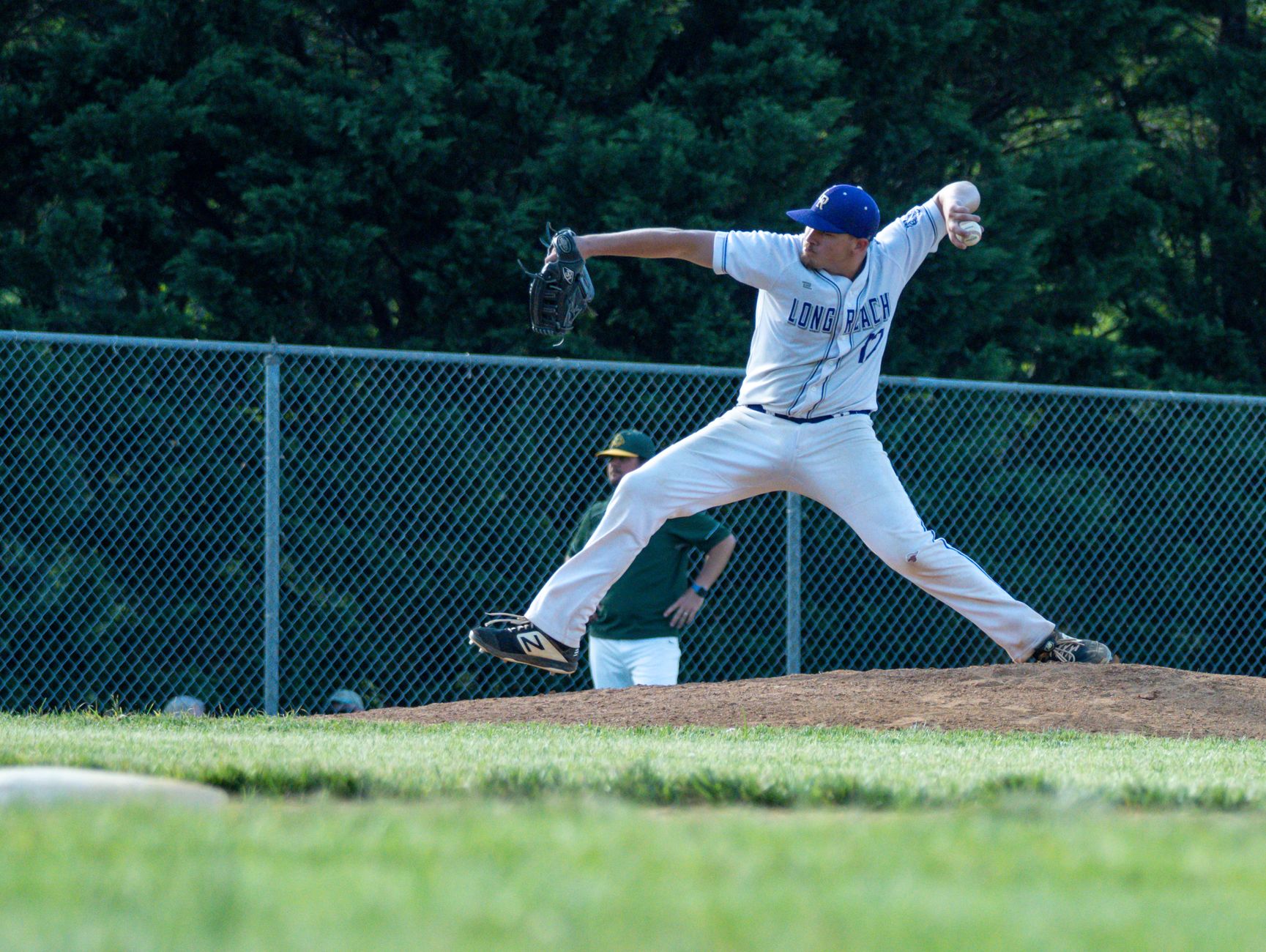
    A day-trip regional event might cost a family $60. An overnight in Jacksonville or Orlando can run $400 or more. That gap is the single biggest reason we schedule regionally — the full picture is in our travel baseball cost breakdown.

    Ask any program how far they travel before you ask anything else. It determines your budget and your weekends more than the team fee does.

    What we tell prospective families
    Baseball field foul line and outfield grass

    Finding Events Near Tallahassee

    The sanctioning bodies publish searchable calendars you can filter by age division and location. Start there rather than with third-party aggregators, which are often out of date.

    If you are a parent evaluating programs rather than a coach looking for events, the more useful question is what a program’s schedule looks like across a full year — how many events, how far, and how they balance development against travel.

    Our own current events are listed on the WAR Baseball tournament schedule, and our FAQ page covers how many tournaments each age group plays per season.

    Teams warming up on adjacent tournament fields

    Getting on a Team First

    None of this matters until your player is on a roster. If you are still deciding whether travel ball is the right move, start with our comparison of travel baseball versus rec baseball, then read up on what to expect at travel baseball tryouts.

    For a broader view of how the season works statewide, our Florida travel baseball guide covers the two-season calendar and age divisions.

    Frequently Asked Questions

    Where are most North Florida baseball tournaments held?

    Publix Sports Park in Panama City Beach and the fields around Marianna host the largest share of Panhandle events. Tallahassee, Dothan (Alabama), Jacksonville and South Georgia round out the regular circuit for North Florida travel teams.

    How many tournaments does a travel baseball team play?

    Fall teams typically play 2-4 tournaments. Spring and summer teams usually play 4-8, and some showcase-focused programs play considerably more. More is not automatically better — tournament volume drives both cost and arm fatigue.

    How does a baseball tournament weekend actually work?

    Most run pool play followed by bracket play. Teams play two or three seeded pool games, then enter a single-elimination bracket. A typical weekend means three to five games across two days, often with early starts and long gaps between games.

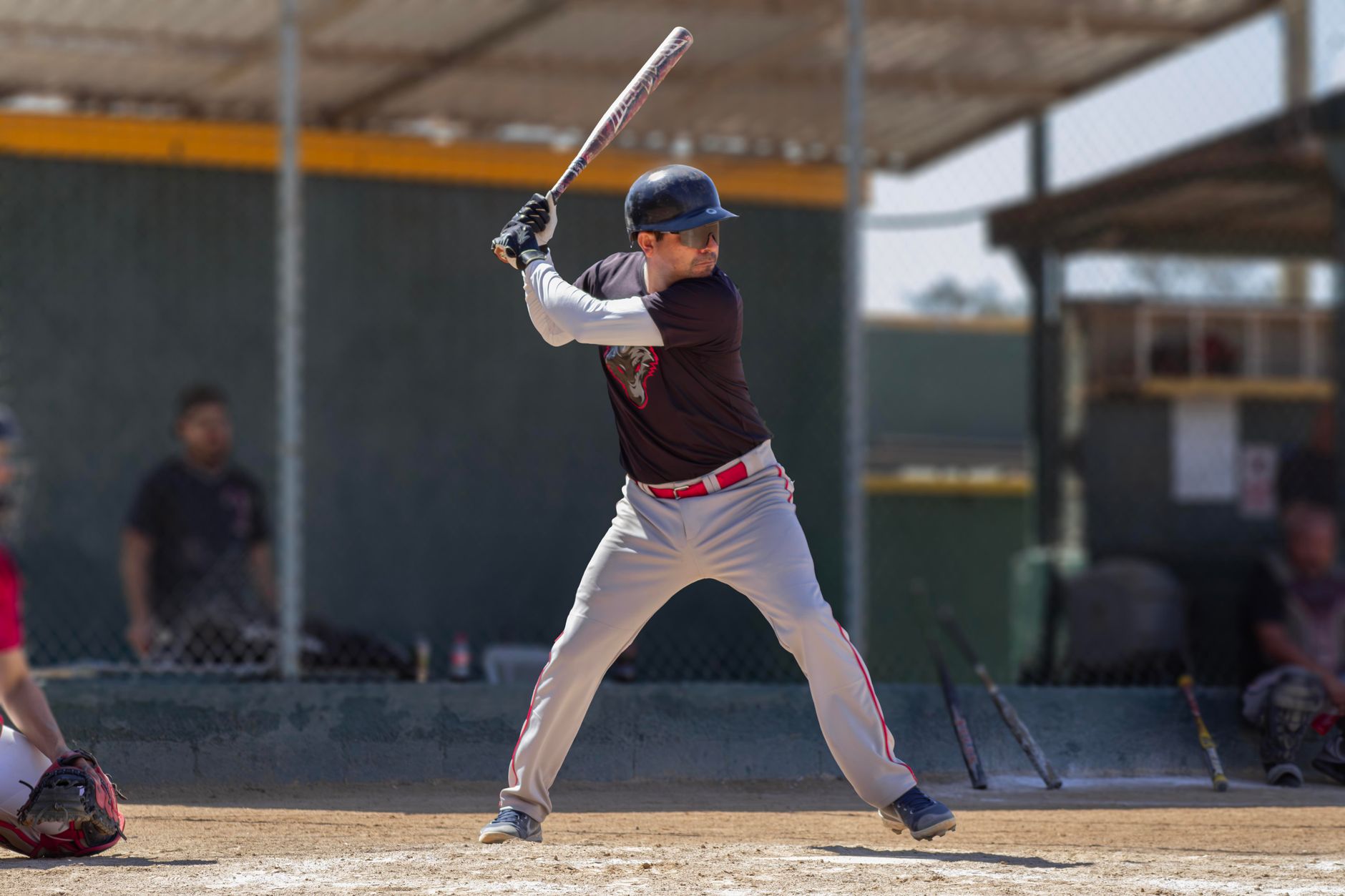
    What does it cost to enter a baseball tournament?

    Entry fees generally run $300-$700 per event, split across the roster. Families should also budget for gate fees, which many tournaments charge spectators at $10-$20 per person per day.

    How do I find baseball tournaments near Tallahassee?

    Check the sanctioning bodies directly — USSSA, Perfect Game and Travel Ball USA all publish event calendars you can filter by age division and location. Most North Florida events sit within a one-to-three hour drive of Tallahassee.

    Play a Real Regional Schedule

    WAR Baseball fields 13U through 17U teams out of Tallahassee, playing a competitive Southeast schedule without the statewide travel burden.