
By the third game of a Florida tournament Saturday, you can spot the players who did not eat breakfast. Bat speed drops, focus goes, and errors start appearing in innings that should be routine.
Almost none of that is fitness. It is fuel and fluid, and it is one of the easiest advantages a family can hand a player.
Why Baseball Tournaments Are Uniquely Hard
A tournament day is not like a single game. Players arrive early, play, wait several hours, then play again — often in high heat and humidity, standing on open fields with minimal shade.
The waiting is the trap. Long gaps encourage concession-stand eating and forgetting to drink, and by the time a player feels hungry or thirsty, performance has already dropped.
Timing: What to Eat and When
| When | What to eat | Why |
|---|---|---|
| 2-3 hours before first pitch | Balanced carb-focused meal, moderate protein | Digests fully; steady energy |
| 1-2 hours before | Light carbohydrate snack — fruit, toast | Tops up without sitting heavy |
| Under 1 hour before | Quick carbs only — banana, pretzels, applesauce | Fast to digest |
| Between games (3+ hrs) | Proper meal — sandwich, fruit, water | Full refuel before the next game |
| Between games (under 1 hr) | Light carb snack and fluid | Avoids stomach discomfort |
| Within 30-60 min after final game | Carbs plus protein | Starts recovery for tomorrow |
Two rules override everything in that table. Nothing high in fat or fibre close to game time — both sit heavily. And never try new foods on a tournament day.
Hydration in Florida Heat
This is where North Florida tournaments differ from most of the country. August and September events run in serious heat and humidity, and players are often at the complex for eight hours or more.
| When | What to drink | Notes |
|---|---|---|
| Waking up | Large glass of water | Most players start the day behind |
| Morning, pre-game | Steady sips of water | Little and often beats chugging |
| During games | Water; sports drink if hot or over an hour | Sodium replacement matters in heat |
| Between games | Water plus electrolytes | Especially for heavy sweaters |
| Evening | Water with the evening meal | Rehydrating for day two |
Water is the foundation, but on long hot days a sports drink genuinely earns its place — it replaces the sodium lost in sweat and supplies quick carbohydrate. Look for at least 110-240mg of sodium per 8oz serving; many popular drinks fall short of that.
The Academy of Nutrition and Dietetics’ sports nutrition guidance is a reliable reference for parents wanting more detail on fuelling young athletes.
If a player waits until they feel thirsty, they are already behind. Sip all day, every day of the tournament.
The single most useful hydration rule
What to Pack in the Cooler
- Fluids: more water than seems sensible, plus an electrolyte option
- Quick carbs: bananas, oranges, grapes, pretzels, applesauce pouches
- Real food: sandwiches, wraps, pasta salad for longer gaps
- Protein: turkey, cheese sticks, yogurt if it can stay cold
- Backups: granola bars and trail mix that survive heat
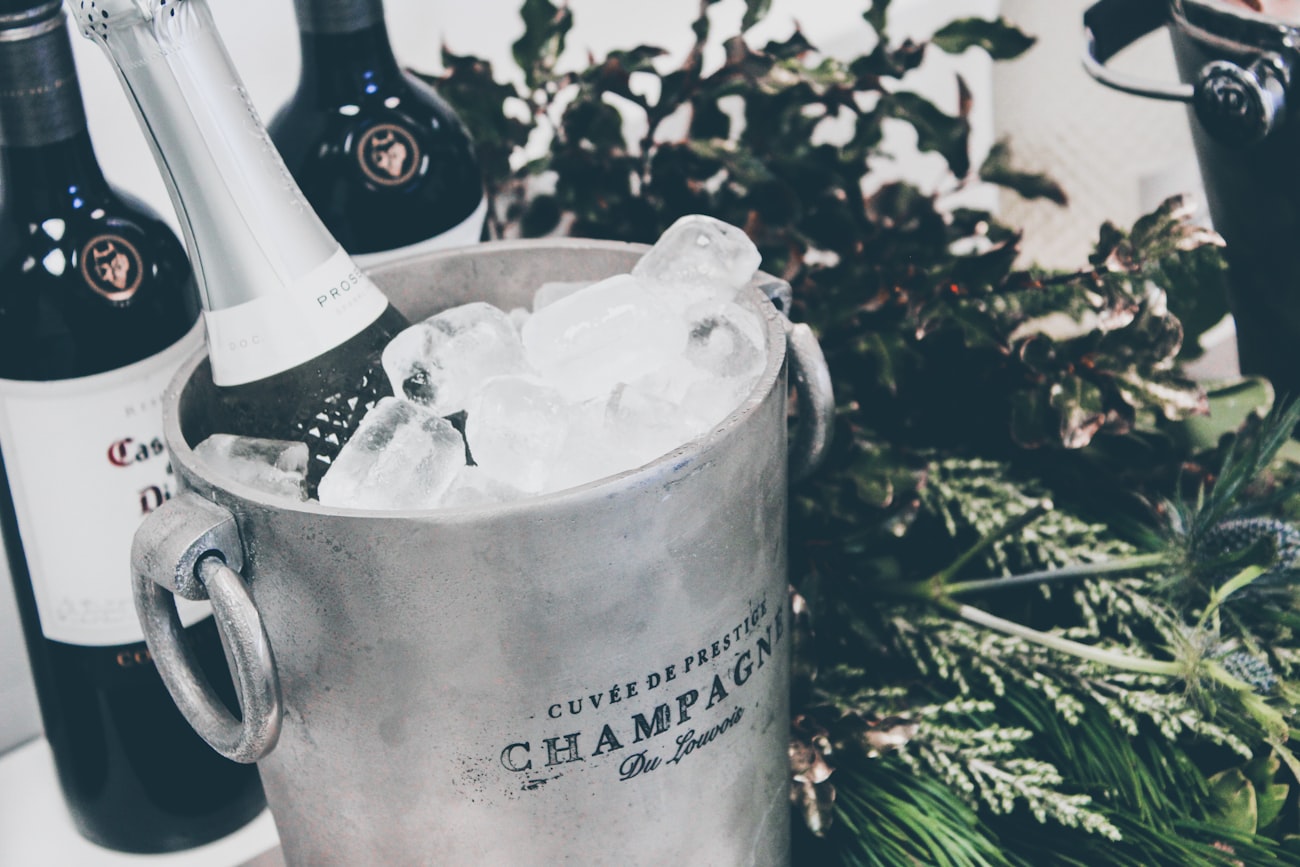
- Non-food: extra ice, a shade tent or umbrella, sunscreen, towels
Pack for the family too. Parents who spend $80 at the concession stand across a weekend usually did not plan the cooler — a real line item in our travel baseball cost breakdown.
Two coolers works better than one: a small one that stays in the dugout with drinks and quick snacks, and a larger one in the car with meals and spare ice. It saves repeated trips across a complex in the heat, and keeps the food that needs to stay cold actually cold.
What to Avoid
| Avoid | Why |
|---|---|
| Heavy fried concession food | Slow to digest; sits through the next game |
| Energy drinks | Not appropriate for youth athletes; caffeine plus heat is a poor mix |
| Large amounts of soda | Sugar spike then crash, and no sodium replacement |
| Skipping breakfast | The most common cause of a fade by game three |
| Only drinking at breaks | Too little, too late in real heat |
| New supplements or foods | Tournament day is the worst possible time to experiment |
The Week Before Matters Too
Tournament nutrition does not start on Saturday morning. A player who has eaten poorly and under-hydrated all week cannot fix it with one good breakfast.
| Timing | Priority |
|---|---|
| Monday-Thursday | Normal balanced meals; consistent fluid intake |
| Friday | Increase carbohydrate slightly; hydrate deliberately all day |
| Friday evening | Familiar carb-focused dinner; early night |
| Saturday morning | Full breakfast 2-3 hours before first pitch |
Friday is the day most often wasted. Players travel, eat fast food on the road and arrive already behind on fluid — then play three games in the heat on Saturday.
Recovery Between Days
Multi-day tournaments are won on Sunday by what happened Saturday evening. Three things matter, in order.
- Rehydrate properly — with the evening meal and before bed.
- Eat a real meal within an hour of the last game, with carbs and protein.
- Sleep. The most underrated recovery tool available to any adolescent athlete.
Sleep does more for young athlete recovery than any supplement, and it is the first thing lost to late finishes and unfamiliar hotel rooms. It is worth protecting deliberately — a point we make in our off-season training guide too.
Building the Habit
None of this is complicated, and that is rather the point. Pack the cooler the night before, make breakfast non-negotiable, keep a bottle in hand all day.
Players who fuel well hold their performance into the afternoon games — which, in bracket play, are the games that decide the weekend. See our North Florida tournament guide for how those weekends are structured, and our parent’s guide for the rest of the sideline logistics.
Frequently Asked Questions
What should a baseball player eat between tournament games?
If there are a few hours, a balanced carb-focused meal with moderate protein works well — a sandwich with fruit is ideal. Under an hour, stick to quick, easily digested carbohydrates such as a banana, pretzels or applesauce.
How much water should a young athlete drink during a tournament?
Sip consistently throughout the day rather than drinking large amounts occasionally. Thirst means a player is already behind. On hot Florida tournament days, plan on steady intake from waking up through the last game.
Do young baseball players need sports drinks?
Water is the foundation. Sports drinks earn their place during long, hot days or games over an hour, because they replace sodium lost in sweat and add quick carbohydrate. Look for at least 110-240mg of sodium per 8oz serving.
What should a player eat before a morning game?
A carbohydrate-focused breakfast two to three hours before first pitch — oatmeal, toast, fruit, a little protein. Avoid high-fat or high-fibre foods, which sit heavily. Never try new foods on tournament day.
What causes players to fade by the third game of the day?
Usually dehydration and under-fuelling rather than fitness. Players who skip breakfast, drink little and eat only concession food are running on empty by the afternoon, particularly in Florida heat.
Join Us for a Tournament Weekend
WAR Baseball plays a regional Southeast schedule out of Tallahassee. See our upcoming tryouts for 13U through 17U.