
Travel baseball asks a great deal of parents. You pay for it, drive to it, sit through it in the heat, and absorb the disappointment afterwards.
What nobody hands you is guidance on the part that matters most — how to be useful to your player without accidentally becoming the reason they stop enjoying it.
The Car Ride Home
Ask coaches and former players what parents most often get wrong, and this comes up more than anything else.
A player has just spent three hours being evaluated, corrected and judged. The car is where they decompress — or where the evaluation continues for another forty minutes.
| Instead of | Try |
|---|---|
| “Why did you swing at that?” | “I love watching you play.” |
| “You need to work on…” | Silence, and let them start the conversation |
| “The coach should have…” | “What did you enjoy about today?” |
| “Your teammate really struggled” | Nothing about other players at all |
| Detailed performance analysis | Food, music, and a change of subject |
If your player wants to talk about the game, they will. If they do not, the game is over. That single habit does more for a young athlete’s longevity in the sport than any lesson you could pay for.
From the Stands
The rule is simple: support loudly, instruct never.
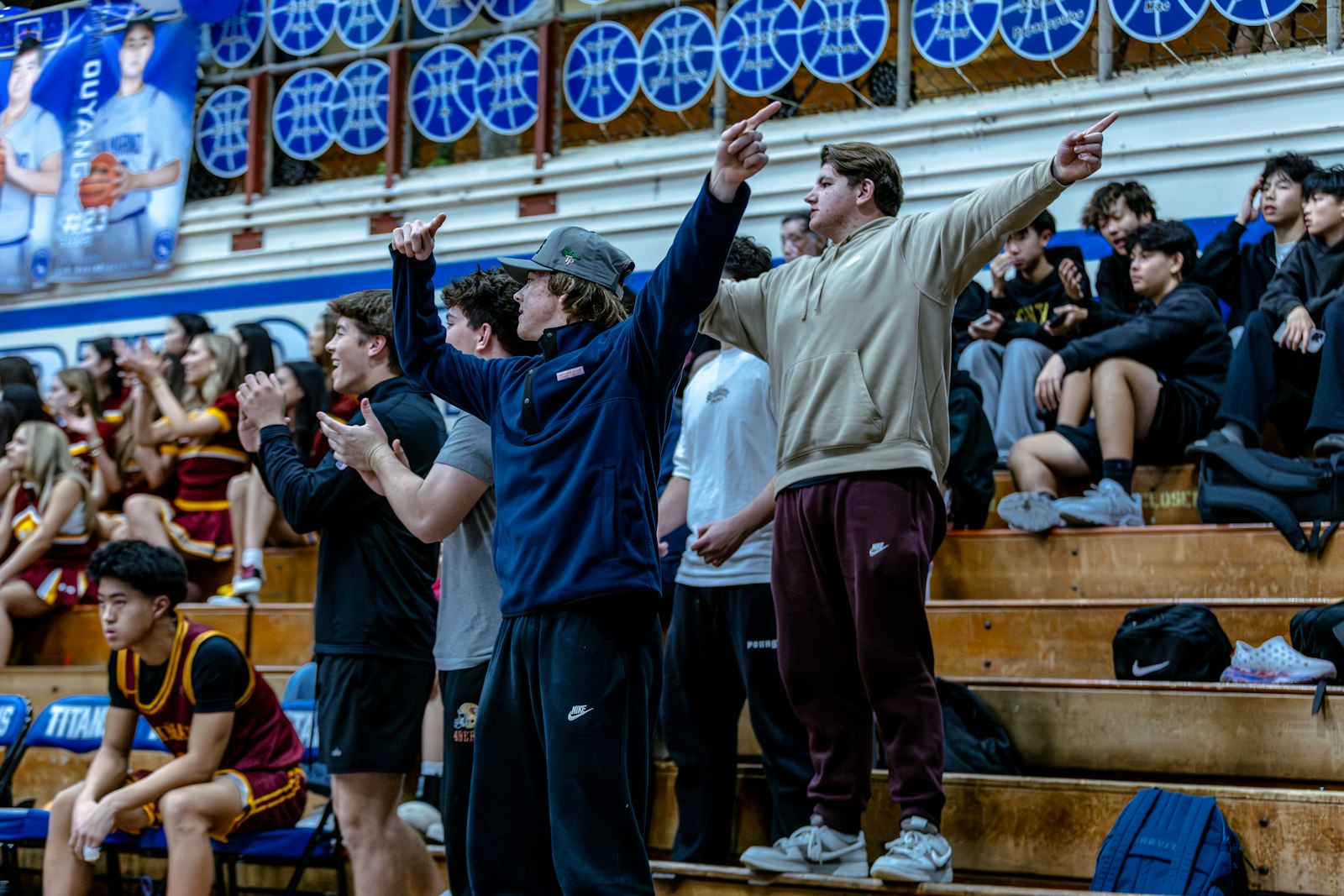
Coaching from the fence splits a player’s attention between two voices at the exact moment they need one. It also undermines the coach and, in most cases, contradicts what was worked on in practice.
- Cheer for effort and good plays — including the other team’s.
- Never comment on another player, ever. It travels.
- Never address umpires. They are often teenagers.
- Keep body language neutral after mistakes. Players check the stands.
- If you cannot watch calmly, watch from further away. That is a legitimate strategy.
Talking to Coaches
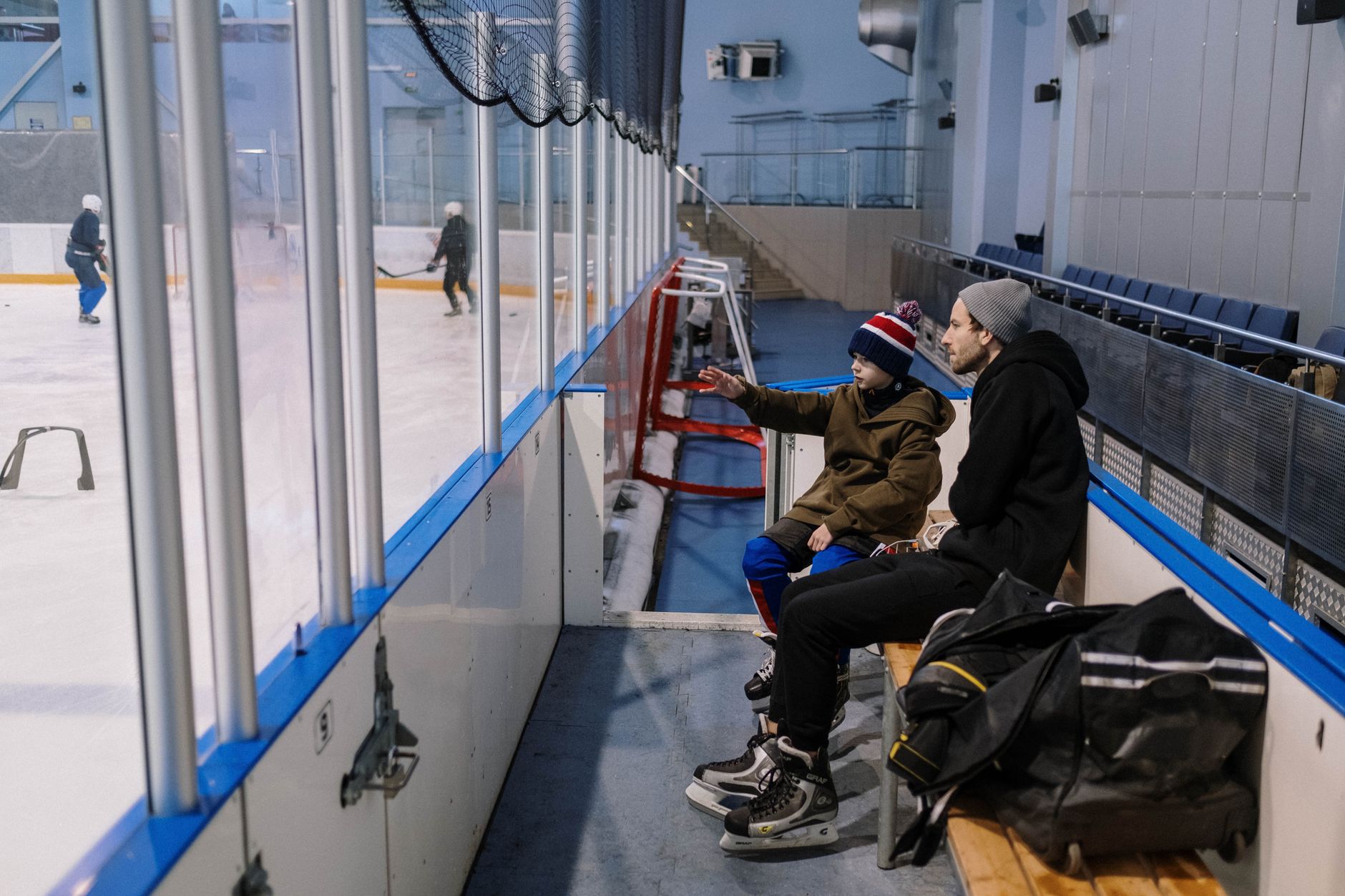
Playing time is the most common source of friction in travel baseball, and there is a right way to raise it.
| Situation | Best approach |
|---|---|
| Playing time concerns | Have the player ask the coach first |
| Position changes | Ask what the coach sees long-term, not why the change happened |
| Perceived unfairness | Wait 24 hours, then request a private conversation |
| Player safety or arm use | Raise immediately — this one cannot wait |
| Team logistics | Email, not a conversation at the field |
The 24-hour rule exists for good reason. Conversations immediately after a loss rarely go well for anyone.
More importantly, encourage the player to ask first. A fifteen-year-old who can ask a coach ‘what do I need to work on to earn more innings?’ has learned something more valuable than the innings themselves — and it is precisely the trait college coaches look for, as our recruiting timeline explains.
The players who go furthest are almost always the ones who advocate for themselves. That skill is learned at thirteen, not at eighteen.
WAR Baseball coaching staff
Whose Game Is It?
This is the uncomfortable question, and it is worth asking honestly once a season.
| Sign it is the player’s | Sign it has become the parent’s |
|---|---|
| They pick up a glove without prompting | You bring up baseball more than they do |
| They are disappointed, then move on | You stay upset longer than they do |
| They ask to go to extra practice | Practice attendance is an argument |
| They talk about teammates and coaches | They avoid discussing the team |
| They want to play next season | You are already planning next season for them |
None of these mean a family should quit. They mean it is time for a genuine conversation. Players who leave sport in their teens overwhelmingly cite pressure and lost enjoyment rather than lack of ability.
The Positive Coaching Alliance publishes useful material for parents on keeping youth sport developmental rather than results-driven.
The Practical Side
Beyond the emotional dimension, a lot of parenting in travel baseball is simply logistics done well.
- Pack the cooler the night before. See our tournament nutrition guide for what actually goes in it.
- Track pitch counts across every team your player throws for — no coach sees the total, as our arm care guide explains.
- Know the schedule and build in buffer. Tournament times shift.
- Share driving. It cuts cost and makes the season more sociable.
- Protect sleep, especially on multi-day events.

Supporting Without Steering
The most useful thing a parent provides is not instruction. It is stability — showing up, staying calm, and making home the place where performance does not follow them.
Let the coaches coach. Our staff includes former college and professional players, and they will handle the mechanics. What they cannot provide is a player who arrives rested, fed, and enjoying themselves.
If cost pressure is adding tension at home, that is worth addressing directly rather than absorbing — our guide to paying for travel baseball covers sponsorship, fundraising and assistance options, and our payment plans are published openly.
The Long View
Almost no youth baseball player becomes a professional. A small percentage play in college. Nearly all of them stop playing competitively at some point in their teens or early twenties.
What lasts is whether they enjoyed it, what they learned about work and failure, and whether they still want to throw a ball with you at twenty-five.
That is the actual return on the investment. Everything else — the tournaments, the fees, the hot Saturdays in Marianna — is the means, not the end. If you are still deciding whether to start, our comparison of travel and rec baseball is the honest version.
Frequently Asked Questions
What should I say to my child after a baseball game?
Start with something other than performance. ‘I love watching you play’ works better than any analysis. Let the player raise the game if they want to; if they do not, let it go. The car ride home is consistently cited as the moment parents do the most unintentional damage.
Should parents coach from the stands?
No. It splits the player’s attention between two voices, undermines the coach, and adds pressure at exactly the wrong moment. Support loudly, instruct never.
How do I talk to my child’s coach about playing time?
Have the player ask first — coaches respect that, and it is the single most useful thing a young athlete can learn. If a parent conversation is still needed, request it away from the field, never immediately after a game, and ask what your player can work on rather than why they sat.
How do I know if my child still enjoys baseball?
Watch what happens without prompting. Do they pick up a glove on their own? Do they talk about the team? Are they willing to go to practice? Ask directly and occasionally — and be prepared to accept the answer.
What is the biggest mistake travel baseball parents make?
Caring more than the player does. When a parent’s investment visibly exceeds the child’s, the game stops being theirs — and that is the most common route to a player quitting in their teens.
Come See How We Work
WAR Baseball holds open tryouts for 13U through 17U in Tallahassee. Meet the coaches and see whether the environment fits your family.