
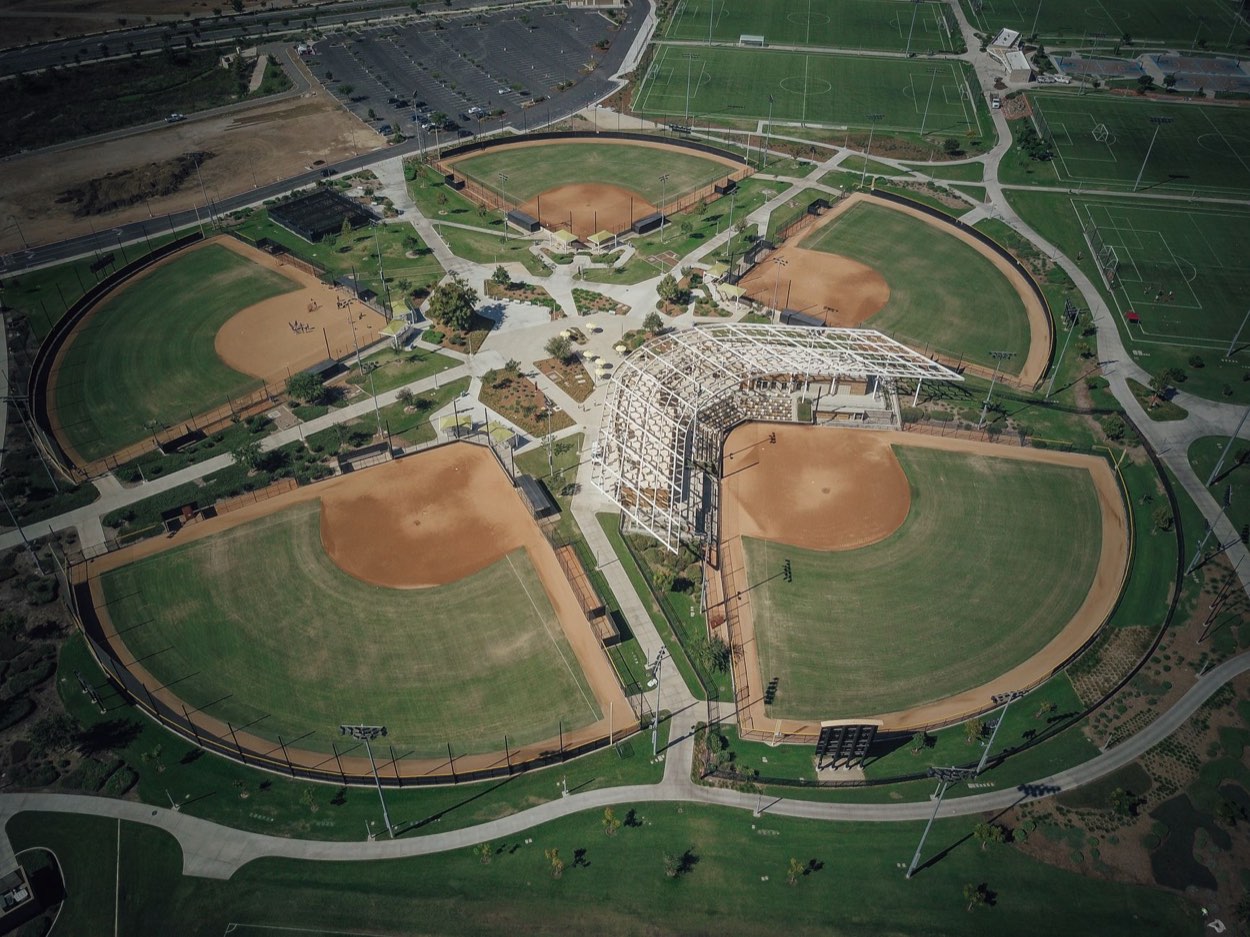
Travel baseball is played in tournaments, not in a weekly league schedule. For families new to it, that single fact reshapes the entire calendar — and nobody hands you a map of where you will actually be spending your weekends.
Here is how the North Florida tournament circuit works: the venues, the formats, the costs, and how to find events near Tallahassee.
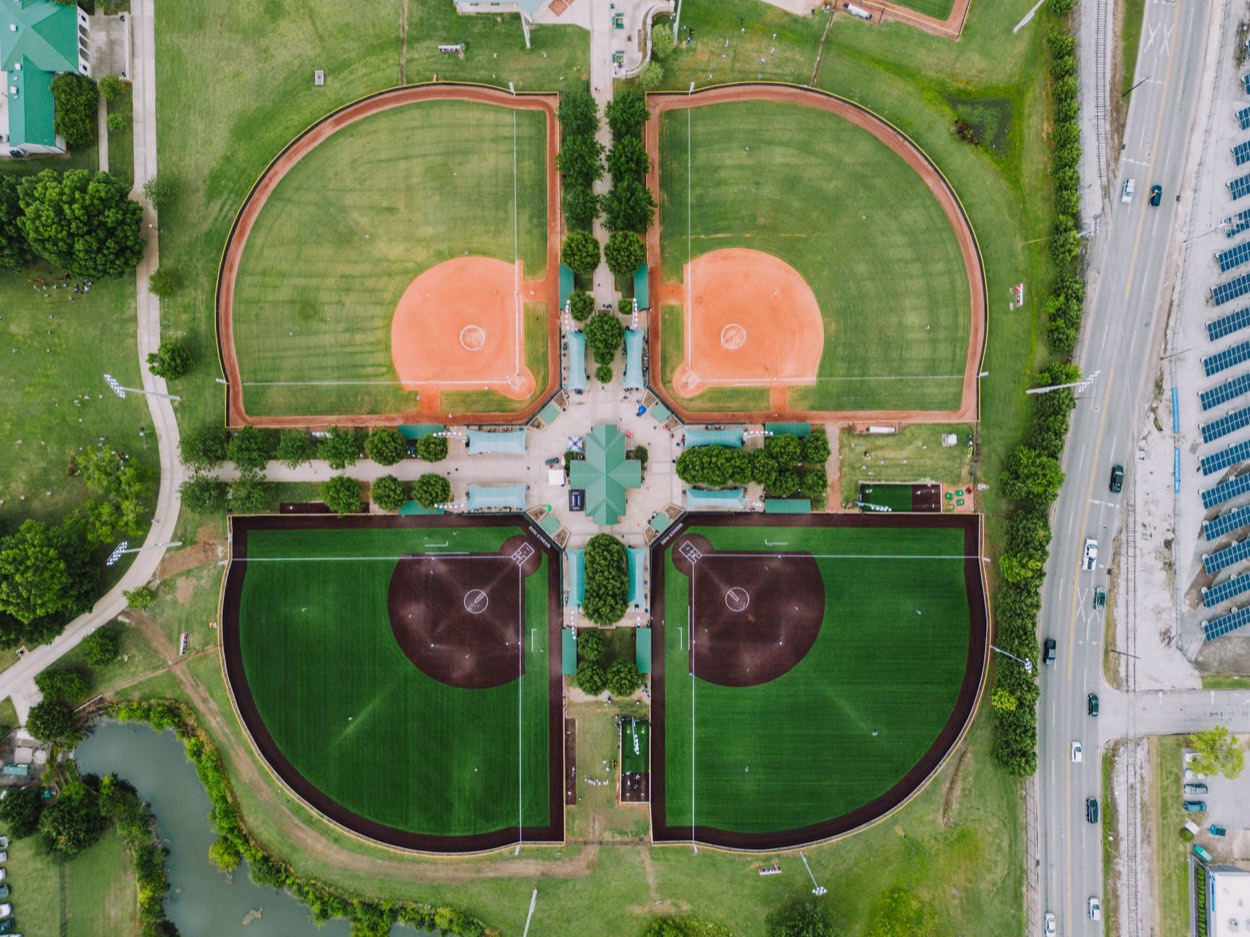
Where North Florida Teams Actually Play
Most guides to Florida baseball are written around Orlando and the I-4 corridor. Panhandle teams operate on a completely different map — one that runs west along I-10 and north into Georgia and Alabama rather than south into the peninsula.
| Location | Drive from Tallahassee | What is hosted there |
|---|---|---|
| Tallahassee, FL | Local | Local and regional events, showcases, scrimmages |
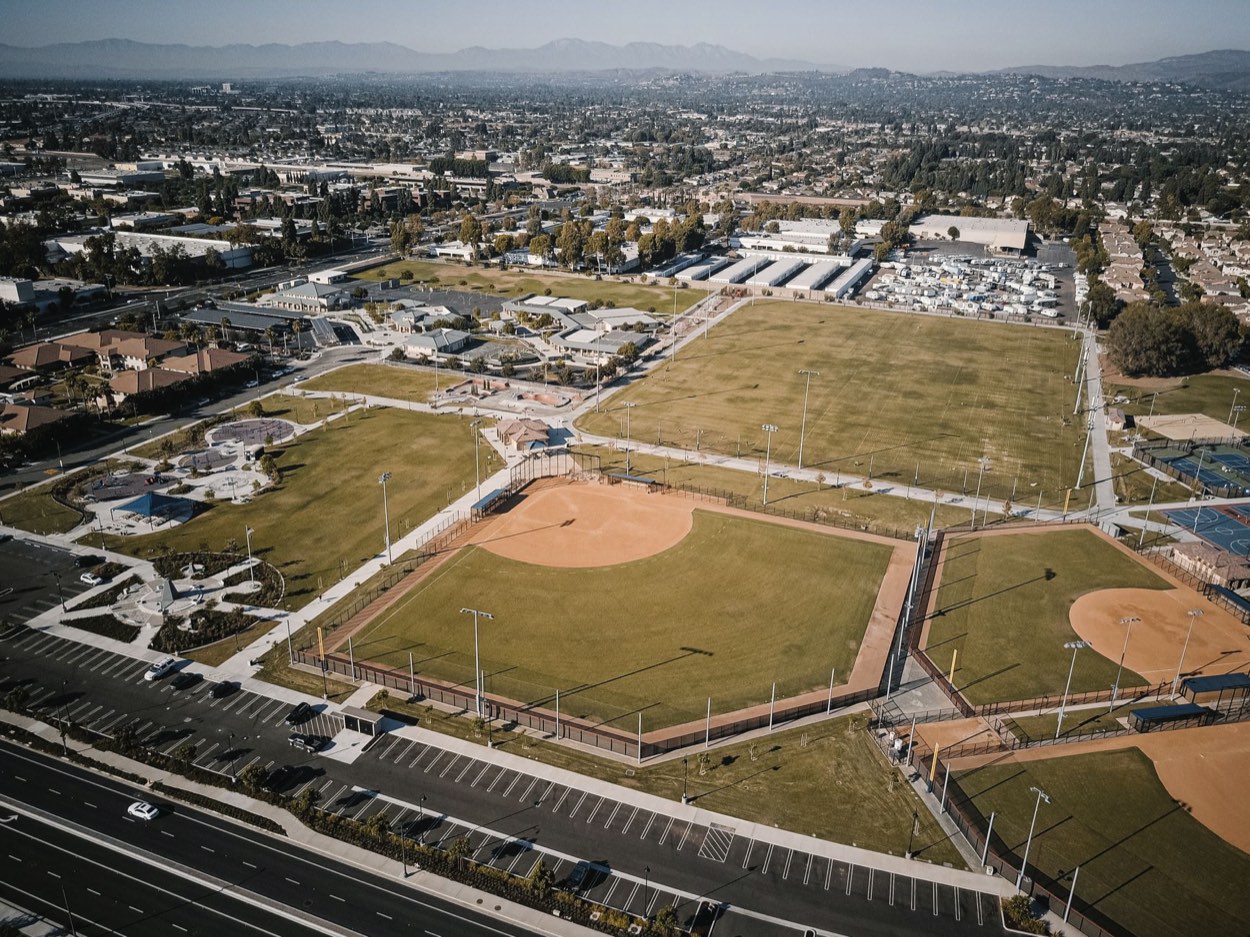
| Marianna, FL | About 1 hour | Travel Ball USA events at Publix Sports Park |
| Panama City Beach, FL | About 2 hours | Large multi-field tournaments and holiday events |
| Dothan, AL | About 2 hours | Regional tournaments drawing Alabama and Georgia teams |
| Valdosta / South GA | 1.5-2 hours | Cross-border regional events |
| Jacksonville, FL | About 2.5 hours | Larger fields, deeper competition, showcase events |
| Orlando, FL | About 5 hours | The state’s biggest events — usually an overnight trip |
The practical takeaway: a North Florida team can play a genuinely competitive schedule while keeping most weekends within a two-hour drive. That is a real financial advantage, and it is why we build our tournament schedule around regional events.
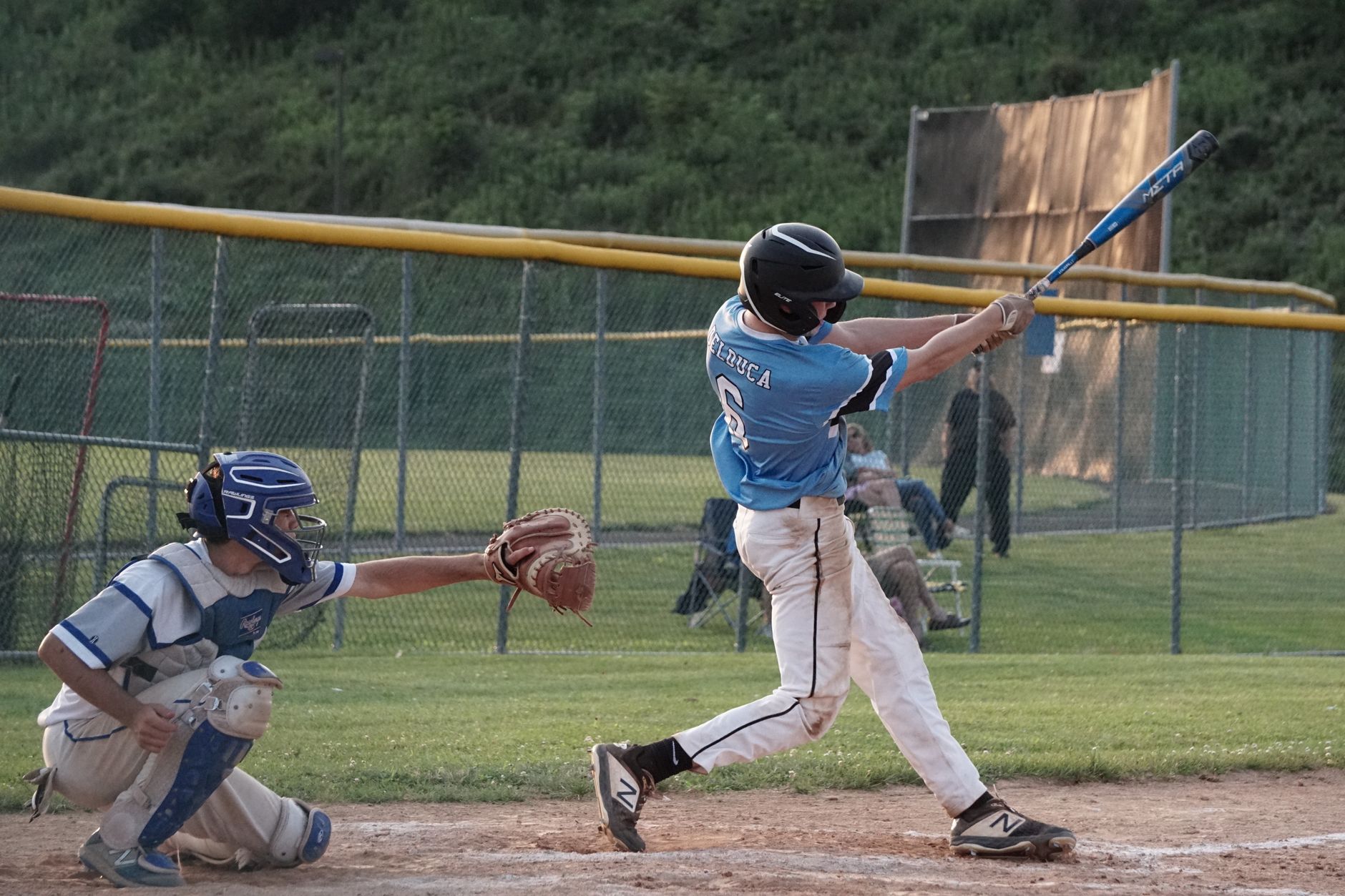
Who Runs the Tournaments
Events are organised by sanctioning bodies, and most teams play across several of them:
| Organisation | Footprint | Best known for |
|---|---|---|
| USSSA | Largest volume statewide | Weekly events across nearly every age division |
| Travel Ball USA (TBUSA) | Strong in the Panhandle | Marianna and Panama City area events |
| Perfect Game | National showcase circuit | Where college coaches concentrate, 15U and up |
| Local hosts | Individual facilities | Smaller regional events and season openers |
For recruiting-age players, Perfect Game’s event calendar is worth tracking separately — those are the events where college staff actually attend, and they operate on a different rhythm from regular weekend tournaments.
How a Tournament Weekend Works
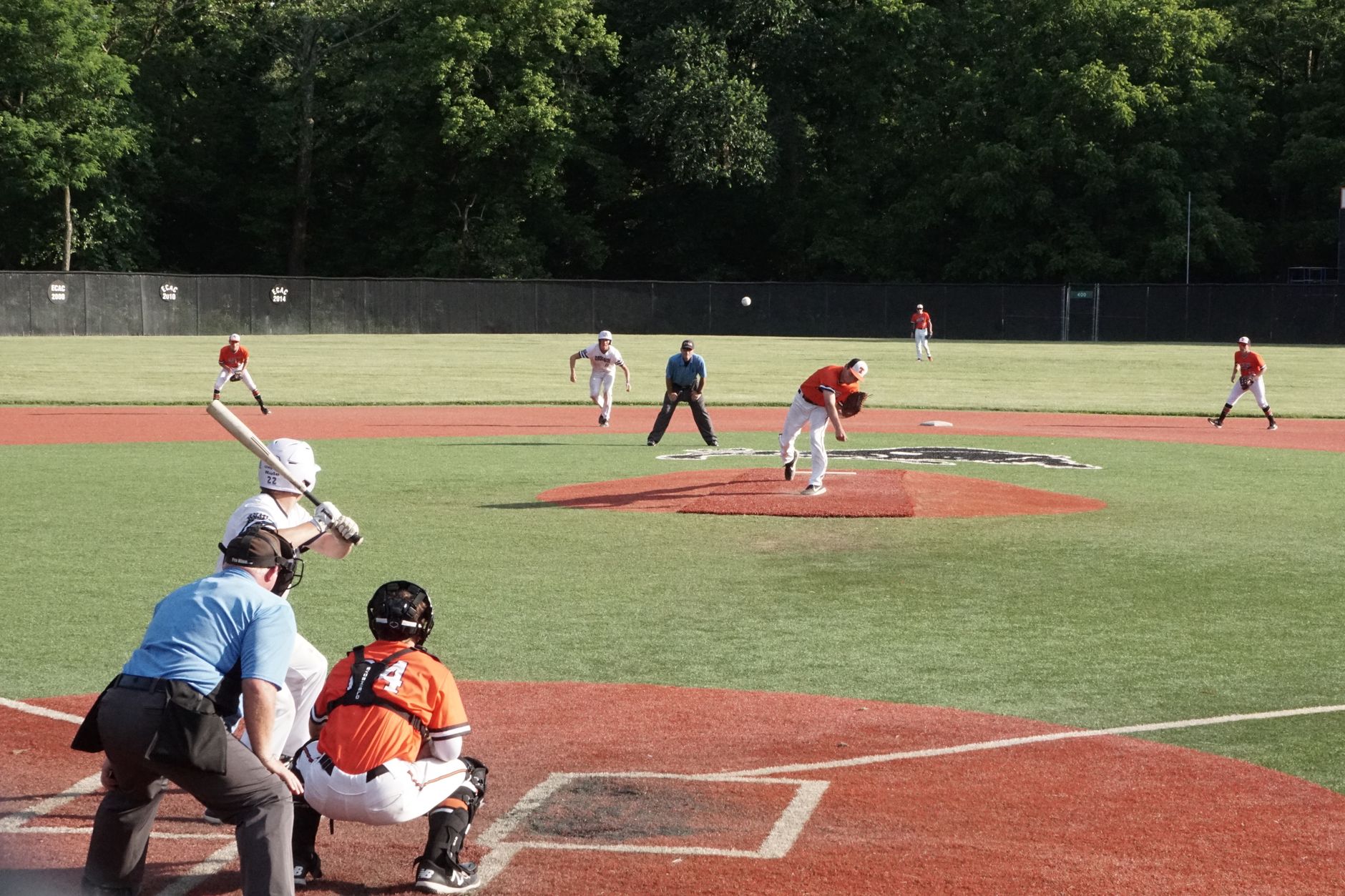
Nearly every event follows the same two-stage structure.
| Stage | Format | What it means for you |
|---|---|---|
| Pool play | 2-3 seeded games | Results determine bracket seeding; every game matters |
| Bracket play | Single elimination | One loss ends the weekend |
| Typical volume | 3-5 games over 2 days | Often Friday evening through Sunday afternoon |
| Scheduling | Released days beforehand | Start times can shift; build in flexibility |
Two things surprise new families. First, games are usually time-limited rather than strictly seven innings — most youth tournaments cap games at 90 minutes to two hours to keep multiple fields on schedule. Our tournament nutrition guide covers fuelling across a full day of them.
Second, the gaps. You may play at 8am and not again until 4pm. Bring chairs, shade, food and something for younger siblings to do.
Florida heat deserves its own mention. Summer and early-fall tournaments regularly run in high humidity, and players are often at the complex for eight hours or more. Pack far more water than seems necessary, plus electrolyte drinks, sunscreen and a change of shirts. Dehydration is the most common reason a player fades by the third game of a day.
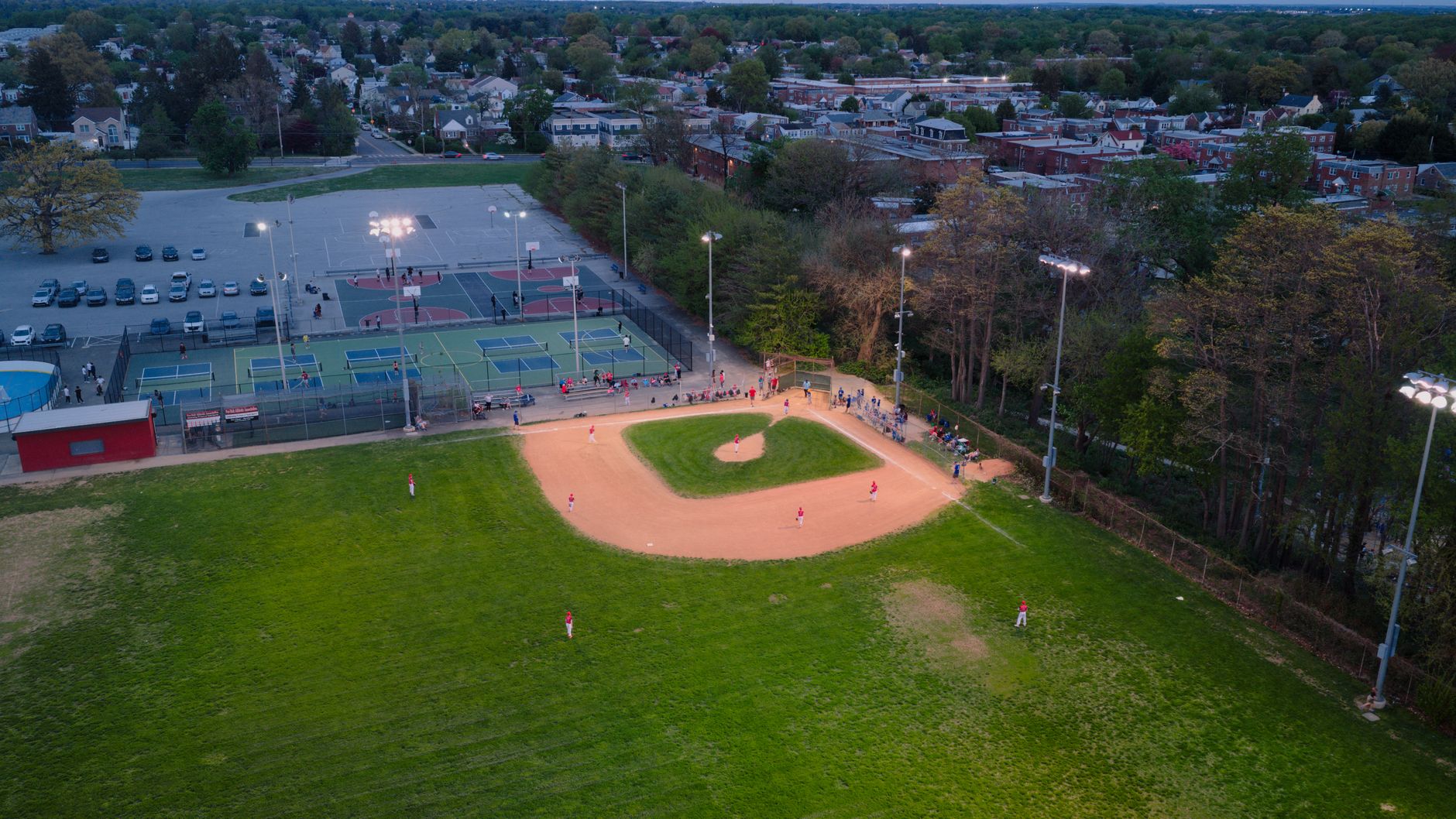
How Many Tournaments Should a Team Play?
| Season | Typical events | What drives the number |
|---|---|---|
| Fall | 2-4 | Development focus; overlaps with school and other sports |
| Spring / Summer | 4-8 | Primary competitive season |
| Showcase-heavy (16U-17U) | 8-12+ | College exposure priority |
More is not automatically better. Every additional tournament adds entry fees, travel cost and — most importantly — innings on young arms. A team playing fifteen events a year is asking a lot of its pitchers, which is why tracking pitch counts and rest days across the season matters more in travel ball than anywhere else.
What a Tournament Weekend Costs
| Item | Typical cost | Notes |
|---|---|---|
| Team entry fee | $300 – $700 | Split across the roster, usually inside team fees |
| Gate / spectator fee | $10 – $20 per person, per day | Charged at many events; cash is common |
| Hotel (if overnight) | $120 – $200 per night | Some events require booking through a partner |
| Food on the road | $60 – $150 per family | Long days mean multiple meals out |
| Fuel | $20 – $70 | Regional events keep this low |
A day-trip regional event might cost a family $60. An overnight in Jacksonville or Orlando can run $400 or more. That gap is the single biggest reason we schedule regionally — the full picture is in our travel baseball cost breakdown.
Ask any program how far they travel before you ask anything else. It determines your budget and your weekends more than the team fee does.
What we tell prospective families
Finding Events Near Tallahassee
The sanctioning bodies publish searchable calendars you can filter by age division and location. Start there rather than with third-party aggregators, which are often out of date.
If you are a parent evaluating programs rather than a coach looking for events, the more useful question is what a program’s schedule looks like across a full year — how many events, how far, and how they balance development against travel.
Our own current events are listed on the WAR Baseball tournament schedule, and our FAQ page covers how many tournaments each age group plays per season.
Getting on a Team First
None of this matters until your player is on a roster. If you are still deciding whether travel ball is the right move, start with our comparison of travel baseball versus rec baseball, then read up on what to expect at travel baseball tryouts.
For a broader view of how the season works statewide, our Florida travel baseball guide covers the two-season calendar and age divisions.
Frequently Asked Questions
Where are most North Florida baseball tournaments held?
Publix Sports Park in Panama City Beach and the fields around Marianna host the largest share of Panhandle events. Tallahassee, Dothan (Alabama), Jacksonville and South Georgia round out the regular circuit for North Florida travel teams.
How many tournaments does a travel baseball team play?
Fall teams typically play 2-4 tournaments. Spring and summer teams usually play 4-8, and some showcase-focused programs play considerably more. More is not automatically better — tournament volume drives both cost and arm fatigue.
How does a baseball tournament weekend actually work?
Most run pool play followed by bracket play. Teams play two or three seeded pool games, then enter a single-elimination bracket. A typical weekend means three to five games across two days, often with early starts and long gaps between games.
What does it cost to enter a baseball tournament?
Entry fees generally run $300-$700 per event, split across the roster. Families should also budget for gate fees, which many tournaments charge spectators at $10-$20 per person per day.
How do I find baseball tournaments near Tallahassee?
Check the sanctioning bodies directly — USSSA, Perfect Game and Travel Ball USA all publish event calendars you can filter by age division and location. Most North Florida events sit within a one-to-three hour drive of Tallahassee.
Play a Real Regional Schedule
WAR Baseball fields 13U through 17U teams out of Tallahassee, playing a competitive Southeast schedule without the statewide travel burden.