

A travel baseball tryout is usually the first time a young player is formally evaluated. That makes it nerve-racking — mostly because nobody explains what is about to happen.
So here is the whole thing: the format, what coaches are actually scoring, what to bring, and how to prepare in the weeks beforehand.
What Actually Happens at a Tryout
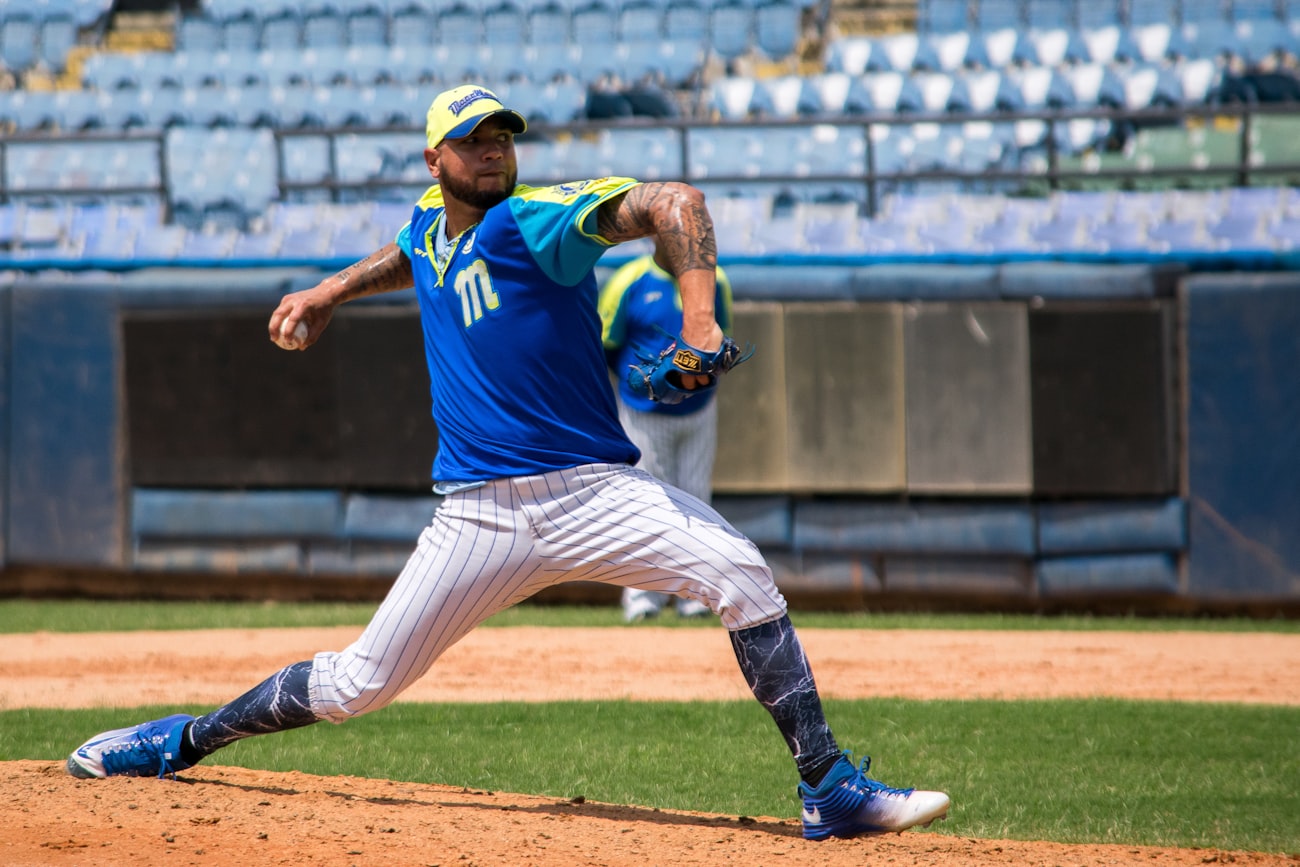
Formats vary, but nearly every travel baseball tryout follows the same sequence:
| Stage | Typical duration | What is being measured |
|---|---|---|
| Check-in and warm-up | 15-20 min | Punctuality, preparation, how you carry yourself |
| Throwing / long toss | 10-15 min | Arm strength, mechanics, accuracy |
| 60-yard dash | 10 min | Raw foot speed — the standard timed benchmark |
| Infield / outfield defense | 30-45 min | Footwork, glove actions, arm on the move, range |
| Batting practice | 20-30 min | Bat speed, contact quality, swing mechanics |
| Live at-bats or scrimmage | 30-60 min | Game application, plate discipline, instincts |
| Position-specific work | 15-30 min | Catcher pop times, pitcher bullpen sessions |
Most tryouts run 90 minutes to three hours. Showcase-style events for older age groups can fill an entire day.
What Coaches Are Really Evaluating
Players assume tryouts are purely a talent audit. They are not — not entirely.
| What coaches watch | Why it matters | How a player controls it |
|---|---|---|
| Arm strength and accuracy | Determines position fit | Long-toss program in the weeks prior |
| Foot speed | Affects range and baserunning value | Sprint work; largely physical |
| Fielding actions | Footwork and hands predict development | Hundreds of controlled reps |
| Bat speed and contact | Hardest skill to teach | Tee and front-toss volume |
| Baseball IQ | Hitting cutoffs, situational awareness | Watching and playing more baseball |
| Hustle | Sprinting between drills is noticed every time | Fully controllable |
| Coachability | Response to instruction predicts growth | Fully controllable |
| Response to failure | Body language after a mistake | Fully controllable |
That last group is where players separate themselves. Two players with identical tools are routinely split by which one sprinted on and off the field and which one sulked after a booted ground ball.
At the travel level we are picking teammates, not just talent. Attitude shows up in the first twenty minutes.
WAR Baseball coaching staff
What to Bring
- Glove — broken in, not brand new
- Bat, helmet and batting gloves
- Molded cleats and turf shoes (field conditions change)
- Catching gear, if you catch
- Water and a snack — a three-hour tryout in Florida heat is taxing
- Clean athletic clothing or plain practice gear with no other team’s logo
- Any required registration form, completed in advance
Two practical notes. Do not wear brand-new cleats — blisters at a tryout are entirely self-inflicted. And skip another program’s gear; it reads as divided loyalty even when it is not.
A Four-Week Preparation Plan
Preparation should start well before tryout day. This is a realistic build:
| Week | Focus | Sessions |
|---|---|---|
| 4 weeks out | Arm conditioning | Long toss 3x/week, building distance gradually |
| 3 weeks out | Defense | Ground balls and fly balls, 100+ reps per session |
| 2 weeks out | Hitting | Tee and front toss daily; live pitching 2x/week |
| 1 week out | Speed and sharpening | Sprint work, base running, reduced volume |
| 2 days out | Rest | Light throwing only — arrive fresh, not sore |
The most common mistake is training hardest in the final three days. Players arrive fatigued and perform below their level. Taper instead.
Pitchers should be especially careful here. The American Orthopaedic Society for Sports Medicine’s baseball injury prevention guidance emphasises rest and monitoring arm fatigue — and coaches notice when a pitcher is throwing through a tired arm. Our youth pitch count and rest day guidelines set out the limits by age.
Tryout Day: A Practical Checklist
- Eat a normal meal two to three hours beforehand — nothing unfamiliar.
- Arrive 30 minutes early. Being rushed is visible.
- Introduce yourself to the coaches. Make eye contact. Use their names.
- Warm up properly and independently, before anyone tells you to.
- Sprint everywhere — on and off the field, between every station.
- Play your strongest position first if given a choice, then show versatility.
- After a mistake: reset, next play. Coaches are watching your face.
- Thank the coaches on your way out.
Advice for Parents
Parents shape tryout outcomes more than they realize, mostly by managing pressure — a theme we expand on in our travel baseball parent guide.
- Watch from a distance. Coaching from the fence undermines your player and irritates staff.
- Do not talk to coaches during evaluation — wait until the end.
- Handle logistics quietly: forms, water, timing.
- Afterward, ask one question: did you have fun? Not how did you do?
- If your player does not make the roster, model how to handle it. They are taking their cue from you.
If the Tryout Does Not Go Well
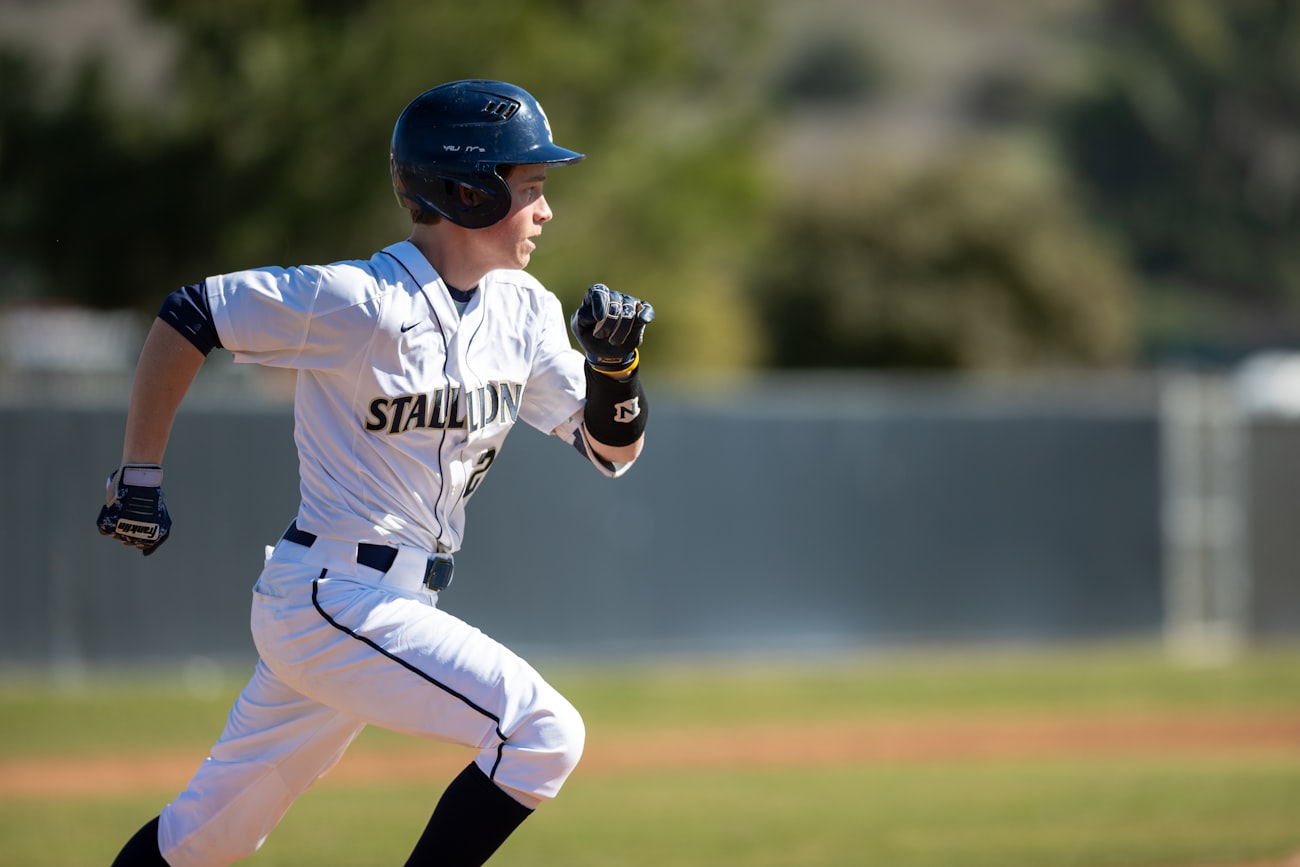
One bad round is rarely decisive, and coaches actively watch how a player responds after a mistake — that response is itself part of the evaluation.
Many programs also hold make-up tryouts for players who were sick, travelling or committed elsewhere. We regularly run them, and you can see current dates on our upcoming WAR Baseball events page.
If your player is genuinely interested but had an off day, follow up. Coaches remember the players who reach out — it signals exactly the attitude they are trying to recruit.
Tryouts at WAR Baseball
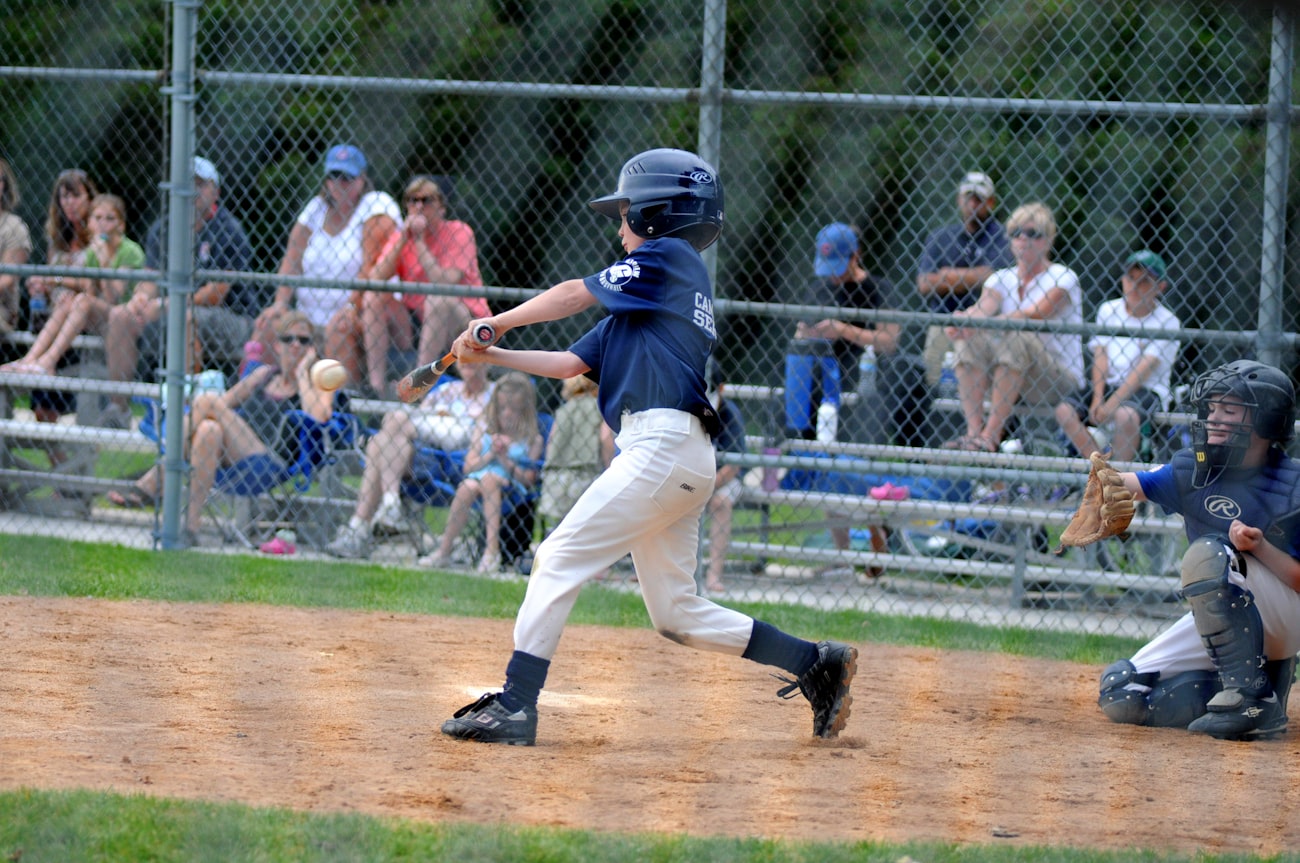
We hold open tryouts for 13U through 17U teams in Tallahassee, and there is no obligation attached to attending. Players are evaluated by coaches with college and professional playing backgrounds — you can read their credentials on our meet the coaches page.
Current dates, age eligibility and graduation-year requirements are listed on our Tallahassee travel baseball tryouts page. If you are still weighing whether the commitment fits your family, our travel baseball cost breakdown and our travel versus rec baseball comparison are the honest versions.
Frequently Asked Questions
What should you bring to a travel baseball tryout?
Bring your glove, bat, helmet, cleats, turf shoes, water and any position-specific gear such as catching equipment. Wear clean athletic clothing or a plain practice uniform without another team’s logo. Arrive with everything already broken in — a tryout is not the day for new cleats.
How long do travel baseball tryouts last?
Most run between 90 minutes and three hours. Larger showcase-style tryouts for older age groups can run a full day. Expect a warm-up, a 60-yard dash, position-specific defensive work, batting practice and sometimes live at-bats.
What do travel baseball coaches look for at tryouts?
Coaches evaluate arm strength and accuracy, foot speed, fielding actions, bat speed and quality of contact, and baseball IQ. Just as important is attitude — hustle between drills, coachability, and how a player responds after a mistake.
What if my player has a bad tryout?
Coaches watch how players respond to failure, and one poor round rarely decides anything. Many programs also hold make-up tryouts. If your player is genuinely interested, contact the program directly — coaches remember players who follow up.
When are travel baseball tryouts held?
Fall season tryouts are typically held in July and August. Spring and summer season tryouts usually run from November through January. Older age groups tend to run on tighter, earlier timelines.
Come Get Evaluated
WAR Baseball tryouts are open to players in grad years across 13U through 17U. Show up, compete, and see where you stand — no commitment required.