Category: Travel Baseball Guides

Practical guides for travel baseball parents and players in Tallahassee and North Florida.

  • Florida Travel Baseball: A Complete Guide for Parents

    Florida Travel Baseball: A Complete Guide for Parents

    Florida is one of the most competitive youth baseball states in the country. Warm weather means players train year-round, and the state consistently produces MLB draft picks at a rate few others match.

    That is excellent for development and confusing for parents new to it. Here is how travel baseball actually works in Florida — the calendar, the divisions, the tournament circuits, and how to find the right program.
    Florida baseball diamond at sunset

    Florida’s Two-Season Calendar

    Unlike much of the country, Florida runs two distinct travel baseball seasons. Understanding the calendar is the first step, because tryout timing drives everything else.

    Fall SeasonSpring / Summer Season
    TryoutsJuly – AugustNovember – January
    Season runsLate August – NovemberFebruary – July
    Tournaments2-4 for most programs4-8 or more
    Primary purposeDevelopment, evaluation, new roster chemistryCompetition, championships, college exposure
    Roster stabilityOften rebuilt after high school seasonSet in winter, carried through summer
    WeatherHot and humid early, excellent by OctoberIdeal through spring, very hot by June
    Florida’s fall and spring/summer travel baseball seasons compared.

    The practical consequence: if you are reading this in summer, fall tryouts are happening now or have just finished. Miss the window and you are usually waiting until November.

    Age Divisions

    Florida travel baseball uses standard age divisions, determined by a player’s age before a set cutoff date rather than their school grade.

    DivisionTypical agesWhat the level is about
    8U – 10U7-10Fundamentals; travel commitment should stay light
    11U – 12U10-12Bigger field transition begins; competition sharpens
    13U12-13Move to the 60’6″ mound and 90-foot bases — a major adjustment
    14U13-14High school preparation; separation begins
    15U – 16U14-16College coaches start watching; showcase events matter
    17U – 18U16-18Primarily recruiting and college placement
    Florida travel baseball age divisions and what each level focuses on.

    The 13U year is the one families underestimate. Moving to a full-size field changes every part of the game — pitching distance, base running, defensive range. Players who handled 12U comfortably often need a full season to adjust, as our guide to the 13U jump to the big field explains in detail.
    Baseball complex with multiple tournament fields

    The Tournament Circuits

    Florida teams play across several sanctioning bodies, and most programs mix them:

    • USSSA — the largest circuit in Florida by volume, with events nearly every weekend across the state.
    • Perfect Game — the primary showcase circuit for recruiting-age players; where college coaches concentrate.
    • Travel Ball USA (TBUSA) — a strong regional presence, particularly across North Florida and South Georgia.
    • Local and regional hosts — independent tournaments run by facilities and programs throughout the state.

    You can check event listings directly through USSSA Baseball’s tournament and team finder, which lets you filter by age division and location.

    Orlando hosts the largest share of Florida tournaments — it is centrally located, has abundant hotel capacity, and is home to several large multi-field complexes. For Panhandle families, that is a five-to-six hour drive, which is exactly why regional scheduling matters so much up here. Our North Florida tournament guide maps out where teams up here actually play.
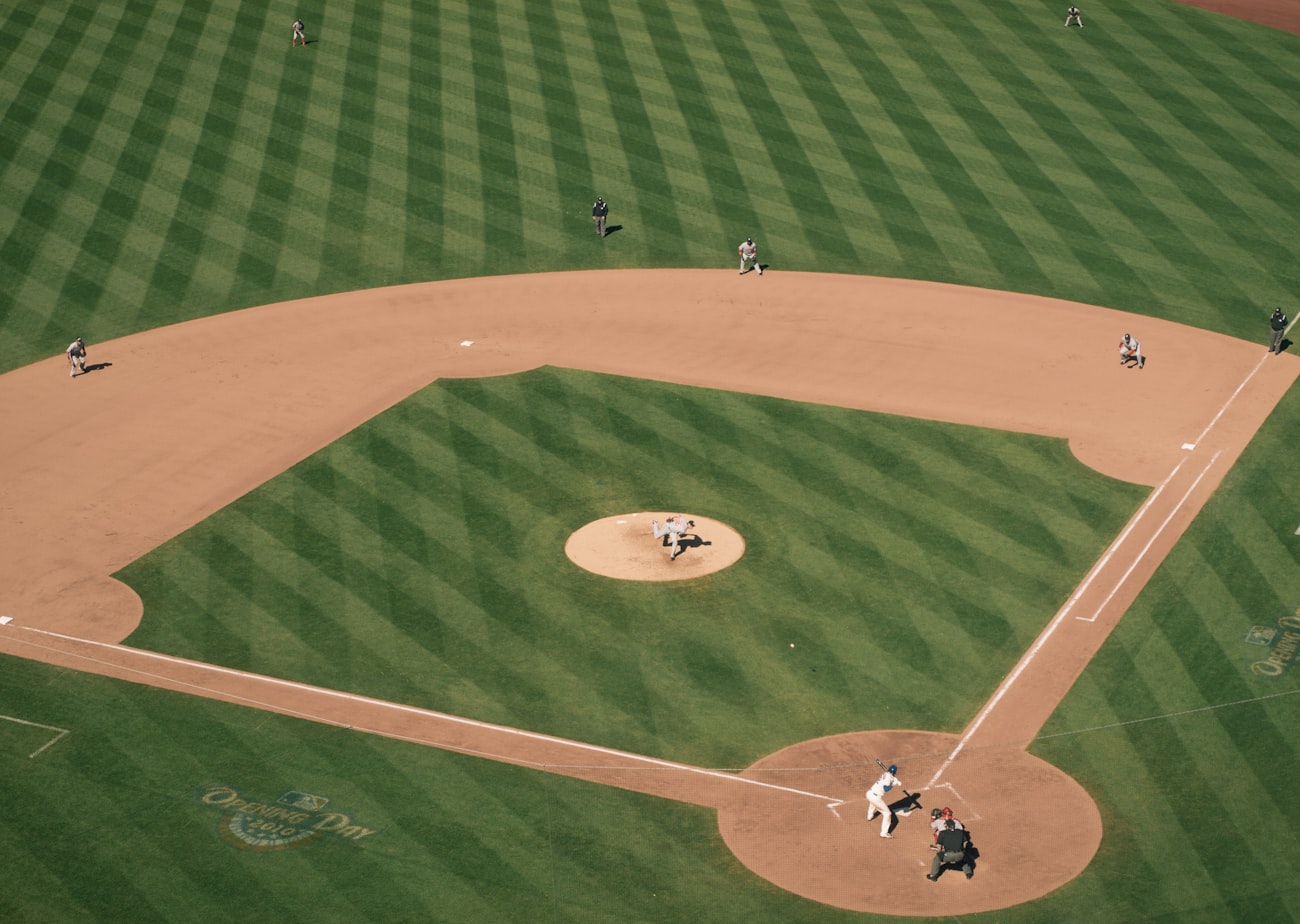
    Aerial view of a baseball diamond

    North Florida and the Panhandle Are Different

    Most guides to Florida travel baseball are written from the perspective of the I-4 corridor and South Florida. The Panhandle operates differently.

    Tallahassee sits closer to Georgia and Alabama than to Orlando. That geography shapes the schedule: North Florida teams regularly play in Tallahassee, Marianna, Panama City, Dothan and Jacksonville, plus events across the state line.

    This is an advantage for families watching their budget. A regionally focused North Florida schedule eliminates most hotel nights that a central-Florida schedule would require — and travel is the most variable line in any travel ball budget, as our travel baseball cost breakdown sets out in detail.

    RegionTypical travel radiusBudget impact
    Panhandle / North Florida1-3 hours; frequent day tripsLowest — many weekends without hotels
    Central Florida1-2 hours to most major eventsModerate
    South Florida1-3 hours, heavy tournament densityModerate
    Statewide / showcase scheduleUp to 6 hours plus flightsHighest
    How region shapes travel commitment and cost for Florida families.
    Travel baseball team huddled before a game

    How to Choose a Florida Travel Program

    Ask these questions of any program you are considering:

    1. What is the tournament radius? This single answer drives most of your cost and most of your weekends.
    2. Who coaches, and what is their background? Playing experience is not everything, but it matters.
    3. What is the roster size? Fourteen players on a roster means meaningfully less playing time than eleven.
    4. Is there indoor training? Florida summers and afternoon storms make covered facilities genuinely valuable.
    5. What is the total cost? Not the team fee — the total.
    6. Is there an off-season? Year-round play without rest carries real injury risk.
    Baseball field under lights for an evening game

    Travel Baseball in Tallahassee

    WAR Baseball was founded in 2021 and fields competitive teams from 13U through 17U out of the Powermill Sports Facility on Powermill Court in Tallahassee.

    Our coaching staff includes a former Houston Astros draft pick, a six-year professional pitcher who was a First Team All-American at Florida State, and coaches who have been developing players in this community since 2011. Their full backgrounds are on the meet the coaches page.

    We play a Southeast regional schedule — Tallahassee, Marianna, Jacksonville, South Georgia and Alabama — deliberately, to keep the competition strong and the travel burden manageable. Current events are listed on our tournament schedule page, and you can see our current teams on the 13U, 14U and 16U rosters.

    Practices run two to four times a week at Powermill, with speed and agility training included in team membership. Our FAQ page covers season length, practice frequency and registration in detail, and pricing and payment plans are published openly.
    Youth baseball players celebrating a tournament win

    Getting Started

    If your player is ready for travel baseball in North Florida, the path is straightforward. Attend a tryout — there is no obligation, and the evaluation itself is useful feedback even if you go elsewhere.

    Our guide to preparing for travel baseball tryouts covers what to expect and how to get ready. If you are still deciding whether the jump makes sense at all, start with travel baseball versus rec baseball.

    Fall tryout dates for 13U through 17U are posted on our tryouts page. Questions about age eligibility, graduation years or fees can go straight to our Tallahassee contact page.

    Frequently Asked Questions

    When does travel baseball season start in Florida?

    Florida runs two main seasons. The fall season starts with tryouts in July and August and finishes before Thanksgiving. The spring and summer season begins with tryouts in November through January and runs from February into July.

    What age groups play travel baseball in Florida?

    Divisions run from 6U through 18U, organized by the age a player turns before a set cutoff date. The most competitive recruiting-relevant groups are 14U through 17U, where college coaches begin attending tournaments.

    How competitive is Florida travel baseball?

    Extremely. Florida produces more MLB draft picks per capita than almost any state, and year-round warm weather means Florida players get more reps than most of the country. Even mid-tier Florida travel teams are strong by national standards.

    Where are most Florida baseball tournaments held?

    Orlando hosts the largest share because of its central location, hotel capacity and concentration of facilities. North Florida teams also play regularly in Tallahassee, Marianna, Jacksonville, Panama City and across the state line in South Georgia and Alabama.

    How do I find a travel baseball team in Tallahassee?

    Start with tryout schedules from local programs, which are typically posted in July for the fall season. WAR Baseball runs open tryouts for 13U through 17U out of the Powermill Sports Facility in Tallahassee.

    Join a Tallahassee Travel Baseball Team

    WAR Baseball holds open tryouts for 13U through 17U teams in Tallahassee, Florida. See current dates, eligibility and how to register.

  • Travel Baseball Tryouts: What to Expect and How to Prepare

    Travel Baseball Tryouts: What to Expect and How to Prepare

    A travel baseball tryout is usually the first time a young player is formally evaluated. That makes it nerve-racking — mostly because nobody explains what is about to happen.

    So here is the whole thing: the format, what coaches are actually scoring, what to bring, and how to prepare in the weeks beforehand.

    Player running the bases during a baseball tryout

    What Actually Happens at a Tryout

    Formats vary, but nearly every travel baseball tryout follows the same sequence:

    StageTypical durationWhat is being measured
    Check-in and warm-up15-20 minPunctuality, preparation, how you carry yourself
    Throwing / long toss10-15 minArm strength, mechanics, accuracy
    60-yard dash10 minRaw foot speed — the standard timed benchmark
    Infield / outfield defense30-45 minFootwork, glove actions, arm on the move, range
    Batting practice20-30 minBat speed, contact quality, swing mechanics
    Live at-bats or scrimmage30-60 minGame application, plate discipline, instincts
    Position-specific work15-30 minCatcher pop times, pitcher bullpen sessions
    The standard travel baseball tryout structure, start to finish.

    Most tryouts run 90 minutes to three hours. Showcase-style events for older age groups can fill an entire day.

    What Coaches Are Really Evaluating

    Players assume tryouts are purely a talent audit. They are not — not entirely.

    What coaches watchWhy it mattersHow a player controls it
    Arm strength and accuracyDetermines position fitLong-toss program in the weeks prior
    Foot speedAffects range and baserunning valueSprint work; largely physical
    Fielding actionsFootwork and hands predict developmentHundreds of controlled reps
    Bat speed and contactHardest skill to teachTee and front-toss volume
    Baseball IQHitting cutoffs, situational awarenessWatching and playing more baseball
    HustleSprinting between drills is noticed every timeFully controllable
    CoachabilityResponse to instruction predicts growthFully controllable
    Response to failureBody language after a mistakeFully controllable
    The three traits in bold cost nothing and are noticed by every coach.

    That last group is where players separate themselves. Two players with identical tools are routinely split by which one sprinted on and off the field and which one sulked after a booted ground ball.

    At the travel level we are picking teammates, not just talent. Attitude shows up in the first twenty minutes.

    WAR Baseball coaching staff
    Infielder fielding a ground ball during tryout drills

    What to Bring

    • Glove — broken in, not brand new
    • Bat, helmet and batting gloves
    • Molded cleats and turf shoes (field conditions change)
    • Catching gear, if you catch
    • Water and a snack — a three-hour tryout in Florida heat is taxing
    • Clean athletic clothing or plain practice gear with no other team’s logo
    • Any required registration form, completed in advance

    Two practical notes. Do not wear brand-new cleats — blisters at a tryout are entirely self-inflicted. And skip another program’s gear; it reads as divided loyalty even when it is not.

    Player taking batting practice during a tryout

    A Four-Week Preparation Plan

    Preparation should start well before tryout day. This is a realistic build:

    WeekFocusSessions
    4 weeks outArm conditioningLong toss 3x/week, building distance gradually
    3 weeks outDefenseGround balls and fly balls, 100+ reps per session
    2 weeks outHittingTee and front toss daily; live pitching 2x/week
    1 week outSpeed and sharpeningSprint work, base running, reduced volume
    2 days outRestLight throwing only — arrive fresh, not sore
    A four-week ramp that peaks on tryout day rather than before it.

    The most common mistake is training hardest in the final three days. Players arrive fatigued and perform below their level. Taper instead.

    Pitchers should be especially careful here. The American Orthopaedic Society for Sports Medicine’s baseball injury prevention guidance emphasises rest and monitoring arm fatigue — and coaches notice when a pitcher is throwing through a tired arm. Our youth pitch count and rest day guidelines set out the limits by age.

    Outfielder throwing during a baseball tryout

    Tryout Day: A Practical Checklist

    1. Eat a normal meal two to three hours beforehand — nothing unfamiliar.
    2. Arrive 30 minutes early. Being rushed is visible.
    3. Introduce yourself to the coaches. Make eye contact. Use their names.
    4. Warm up properly and independently, before anyone tells you to.
    5. Sprint everywhere — on and off the field, between every station.
    6. Play your strongest position first if given a choice, then show versatility.
    7. After a mistake: reset, next play. Coaches are watching your face.
    8. Thank the coaches on your way out.

    Advice for Parents

    Parents shape tryout outcomes more than they realize, mostly by managing pressure — a theme we expand on in our travel baseball parent guide.

    • Watch from a distance. Coaching from the fence undermines your player and irritates staff.
    • Do not talk to coaches during evaluation — wait until the end.
    • Handle logistics quietly: forms, water, timing.
    • Afterward, ask one question: did you have fun? Not how did you do?
    • If your player does not make the roster, model how to handle it. They are taking their cue from you.
    Catcher in position during a baseball tryout

    If the Tryout Does Not Go Well

    One bad round is rarely decisive, and coaches actively watch how a player responds after a mistake — that response is itself part of the evaluation.

    Many programs also hold make-up tryouts for players who were sick, travelling or committed elsewhere. We regularly run them, and you can see current dates on our upcoming WAR Baseball events page.

    If your player is genuinely interested but had an off day, follow up. Coaches remember the players who reach out — it signals exactly the attitude they are trying to recruit.

    Young baseball players working through training drills

    Tryouts at WAR Baseball

    We hold open tryouts for 13U through 17U teams in Tallahassee, and there is no obligation attached to attending. Players are evaluated by coaches with college and professional playing backgrounds — you can read their credentials on our meet the coaches page.

    Current dates, age eligibility and graduation-year requirements are listed on our Tallahassee travel baseball tryouts page. If you are still weighing whether the commitment fits your family, our travel baseball cost breakdown and our travel versus rec baseball comparison are the honest versions.

    Frequently Asked Questions

    What should you bring to a travel baseball tryout?

    Bring your glove, bat, helmet, cleats, turf shoes, water and any position-specific gear such as catching equipment. Wear clean athletic clothing or a plain practice uniform without another team’s logo. Arrive with everything already broken in — a tryout is not the day for new cleats.

    How long do travel baseball tryouts last?

    Most run between 90 minutes and three hours. Larger showcase-style tryouts for older age groups can run a full day. Expect a warm-up, a 60-yard dash, position-specific defensive work, batting practice and sometimes live at-bats.

    What do travel baseball coaches look for at tryouts?

    Coaches evaluate arm strength and accuracy, foot speed, fielding actions, bat speed and quality of contact, and baseball IQ. Just as important is attitude — hustle between drills, coachability, and how a player responds after a mistake.

    What if my player has a bad tryout?

    Coaches watch how players respond to failure, and one poor round rarely decides anything. Many programs also hold make-up tryouts. If your player is genuinely interested, contact the program directly — coaches remember players who follow up.

    When are travel baseball tryouts held?

    Fall season tryouts are typically held in July and August. Spring and summer season tryouts usually run from November through January. Older age groups tend to run on tighter, earlier timelines.

    Come Get Evaluated

    WAR Baseball tryouts are open to players in grad years across 13U through 17U. Show up, compete, and see where you stand — no commitment required.

  • How Much Does Travel Baseball Cost? A Full Breakdown for Parents

    How Much Does Travel Baseball Cost? A Full Breakdown for Parents

    Travel baseball is expensive. Every parent has heard that, but very few get a straight answer about what the total actually looks like before they commit.

    Here is an honest, line-by-line breakdown of what families spend — including the costs that rarely appear in the program brochure.

    Baseball bats and gear bag on a dugout bench

    The Headline Number

    Across the sport, most families spend $3,000 to $8,000 per year once everything is counted. That range is wide because programs vary enormously.

    Program typeTypical annual totalWhat you get
    Local / regional$2,000 – $4,000Tournaments within a few hours’ drive, limited travel
    Competitive regional$4,000 – $7,000Wider tournament radius, paid coaching, indoor training
    Elite / showcase$8,000 – $15,000+National events, flights, heavy college exposure
    Annual all-in cost by program tier, including travel and equipment.

    Note that the advertised team fee is usually only 40-60% of the true total. The rest arrives in pieces across the season.

    Line-by-Line Cost Breakdown

    ExpenseTypical rangeNotes
    Team / program fee$1,500 – $4,000The headline number; may or may not include tournaments
    Tournament entry fees$300 – $700 per eventSplit across the roster; 8-20 events per year
    Uniforms and apparel$200 – $600Two jerseys, pants, hats, practice gear
    Equipment (first year)$500 – $1,000Bat, glove, cleats, helmet, bag, catching gear
    Equipment (later years)$200 – $400Replacements and upgrades as the player grows
    Travel — fuel and hotels$1,000 – $5,000The single most variable line item
    Food on the road$300 – $1,200Adds up faster than families expect
    Private lessons (optional)$40 – $100 per sessionCommon but not required
    Facility / membership fees$200 – $800Indoor cage and training access
    Individual cost components for a full travel baseball year.
    Baseball cleats and catching gear ready for a tournament

    The Costs Families Forget

    The team fee is the visible cost. These are the ones that quietly reshape a budget:

    • Bats. A current-model composite bat runs $300-$500, and players outgrow them roughly every 18 months — and the certification your league requires changes as they move up.
    • Hotel minimums. Many tournaments require teams to book through a designated housing partner, often above market rate.
    • Gate fees. Numerous tournaments charge spectators $10-$20 per person per day.
    • Missed work. Friday start times are common, and that has a real cost.
    • Siblings. Meals, entertainment and childcare across a weekend add up.
    • Off-season training. Winter cage time and lessons often sit outside team fees, as our off-season training guide explains.

    Budget the team fee, then assume the real number is roughly double. Families who plan that way are rarely caught out.

    Advice we give every new WAR family
    Youth baseball uniforms hanging in a dugout

    Why Travel Baseball Costs What It Does

    It is fair to ask where the money goes. The honest answer is that travel programs carry real operating costs that volunteer rec leagues do not.

    Tournament entry fees are the largest single expense for most teams — a single weekend event can cost the team $500 to $700 before anyone has swung a bat. Multiply by 10-20 events, and see our guide to North Florida baseball tournaments for where those weekends go.

    Paid coaching is the second. Experienced instructors with college or professional backgrounds are not volunteering their weekends. Indoor facility rental for winter training is the third, and in most markets it is not cheap.

    The Aspen Institute’s Project Play research on youth sports spending has tracked how sharply these costs have risen across youth sports, and baseball consistently ranks among the more expensive sports to play at a competitive level.

    Baseball tournament complex with multiple fields

    How to Spend Less Without Giving Up Quality

    StrategyRealistic savingTrade-off
    Choose a regional program$2,000 – $4,000Less national exposure
    Buy last year’s bat model$150 – $250Essentially none — same performance
    Quality used equipment$200 – $400Requires patience to find good gear
    Share driving and hotel rooms$500 – $1,500Coordination with other families
    Use a payment planCash-flow reliefNo net saving, but far easier to manage
    Ask about sponsorship$300 – $1,000+Requires asking — most programs have options
    Skip optional showcases$300 – $800 eachOnly relevant for older recruiting-age players
    Practical ways to reduce the annual total.

    Choosing a regionally focused program is by far the biggest lever. Travel is the most variable line item in the entire budget, and a program that plays within a few hours’ drive eliminates most hotel nights and flights.

    At WAR Baseball we play a Southeast regional schedule — you can see the shape of it on our travel baseball tournament schedule. Our pricing page lists our payment plan options directly, and we accept payment by cash, check, Venmo or PayPal.

    Family car packed for a weekend baseball tournament

    On Sponsorships and Financial Assistance

    Most families never ask, and most programs have something available.

    Sponsorship is the most common route — our full guide to paying for travel baseball covers it in depth. A local business sponsors a player or team in exchange for advertising, which offsets fees directly. Our WAR Baseball sponsorship program runs from banner advertising through full player sponsorship, where a business covers a player’s dues and fees for the season.

    If cost is the obstacle standing between your player and a roster spot, contact our Tallahassee office and ask. That conversation is confidential, and it happens more often than you would think.

    Is It Worth It?

    That depends entirely on what you expect in return.

    As a scholarship strategy, the math is poor. Roughly two percent of high school baseball players reach NCAA Division I, and baseball programs divide a limited pool of scholarships across large rosters, so full rides are rare. Spending $30,000 across six years of travel ball to chase a partial scholarship is not a sound financial plan.

    As an investment in development, coaching, competition and a few years of your kid doing something they love at a high level, it can be excellent value — provided the family can afford it without strain and the player genuinely wants to be there.

    Row of baseball helmets and bats on a rack

    Before you commit, read our comparison of travel baseball versus rec baseball to confirm the jump makes sense, then work through our guide to preparing for travel baseball tryouts.

    Frequently Asked Questions

    How much does travel baseball cost per year?

    Most families spend between $3,000 and $8,000 per year once team fees, tournaments, equipment, uniforms and travel are included. Regional programs sit at the lower end, often $2,000 to $4,000 all-in. Elite national showcase programs can exceed $15,000.

    Why is travel baseball so expensive?

    The biggest drivers are tournament entry fees ($300-$700 per event, split across the roster), paid coaching, indoor facility rental, and travel. Unlike volunteer-run rec leagues, travel programs carry real operating costs.

    Are there ways to reduce travel baseball costs?

    Yes. Choose a regionally focused program to cut hotel and fuel costs, look for payment plans, ask about sponsorship and scholarship options, buy quality used equipment, and share driving and lodging with other families.

    Do travel baseball teams offer scholarships or financial aid?

    Many do, though it is rarely advertised. Programs often have sponsorship arrangements or hardship funds. It is always worth asking the director directly and confidentially.

    Is travel baseball a good financial investment for a scholarship?

    Treated purely as a scholarship investment, no. Only about two percent of high school players go on to NCAA Division I baseball, and full rides are rare because programs divide limited scholarships across large rosters. Budget for development and enjoyment, not return on investment.

    Talk to Us About Cost — Openly

    We would rather have an honest conversation about fees than lose a good player to a misunderstanding. See our plans, or get in touch about sponsorship options.

  • Travel Baseball vs Rec Baseball: Which Is Right for Your Player?

    Travel Baseball vs Rec Baseball: Which Is Right for Your Player?

    Sooner or later, most baseball families hit the same fork in the road. Your player is doing well in the local rec league, someone mentions a travel team is holding tryouts, and suddenly you are weighing a decision that affects your calendar, your budget and your weekends for years.

    There is no universally correct answer. But there is a right answer for your player, and it becomes much clearer once you understand what each path actually involves.

    Youth baseball game in progress on a community field

    The Short Version

    Rec BaseballTravel Baseball
    Who playsEveryone who signs upPlayers selected by tryout
    Typical cost per year$100 – $400$1,500 – $8,000+
    Season lengthOne season, roughly 10-12 weeksFall and spring, often year-round
    GamesWeeknight games, local fieldsWeekend tournaments, multiple games per day
    TravelWithin your townRegional — often 1-4 hours each way
    Playing timeUsually a mandated minimumEarned, not guaranteed
    CoachingVolunteer parentsPaid, often former college or pro players
    Practice frequency1-2 times per week2-4 times per week, plus training
    Primary goalParticipation and funDevelopment and exposure
    Rec and travel baseball at a glance — the core trade-offs.

    What Rec Baseball Does Well

    Recreational baseball gets unfairly dismissed once travel ball enters the conversation. It should not be.

    Rec leagues are where the overwhelming majority of players fall in love with the game. The stakes are low, the schedule is manageable, and the cost is a rounding error next to travel ball. Every player bats and every player takes the field.

    Organizations like Little League International are built as community non-profits run by volunteers, which keeps fees low and keeps the emphasis on participation.

    For players under about 12, well-run rec ball develops fundamentals perfectly adequately. The idea that a player falls irreversibly behind without travel ball at age nine does not hold up.

    Little league players waiting in the dugout

    What Travel Baseball Adds

    Travel baseball is a different product with a different purpose. Four things genuinely change:

    Competition level. Every player on the field was selected. That raises the standard of every at-bat and every defensive play, which is where real development happens.

    Coaching quality. Travel programs typically pay experienced coaches. Our own WAR Baseball coaching staff in Tallahassee includes a former Houston Astros draft pick and a six-year professional pitcher who was a First Team All-American at Florida State. That is a different level of instruction than a volunteer parent can offer.

    Volume of meaningful games. Tournament formats mean several games in a weekend, often against unfamiliar opponents. Players learn to adjust rather than coast.

    Exposure. For older age groups, travel tournaments are where college coaches and scouts actually watch. If a player has genuine collegiate ambitions past 15U, this becomes difficult to replicate elsewhere.

    Coach instructing young baseball players during practice

    The Honest Trade-Offs

    ConsiderationThe upsideThe cost
    DevelopmentFaster improvement against better competitionPressure can drain enjoyment if the player is not ready
    TimeStructured, consistent trainingMost weekends committed for much of the year
    MoneyProfessional coaching and facilitiesOften 10-20x rec ball; see our cost breakdown
    Family lifeShared experience and a close team communitySiblings and holidays get squeezed
    Playing timeEarned roles teach accountabilityYour player may sit — that is the deal
    Burnout riskYear-round reps build skillReal risk without deliberate rest
    Every advantage of travel baseball carries a corresponding cost.

    The burnout point deserves emphasis. Sports medicine bodies consistently recommend that young athletes take at least two to three months off from a single sport each year, largely to prevent overuse injuries to developing elbows and shoulders. A year-round travel schedule with no off-season is a genuine risk, not a badge of commitment — our guide to pitch counts and arm care covers the limits that matter most.

    Youth baseball team practicing fielding drills

    Signs Your Player Is Ready for Travel Ball

    • They consistently rank among the strongest players in their rec league.
    • They practice on their own, without being asked.
    • They ask for tougher competition rather than dreading it.
    • They handle failure — a strikeout does not end the day.
    • They want it. Not you. Them.
    • Your family can absorb the cost and calendar without resentment.

    That last pair matters more than talent. A player pushed into travel ball by an enthusiastic parent usually stops enjoying baseball. A family stretched thin financially rarely enjoys the season either.

    Signs to Wait Another Year

    • They are still learning fundamentals — throwing mechanics, fielding position, basic swing.
    • They enjoy baseball but show no particular pull toward it.
    • They play multiple sports and love the variety. Multi-sport athletes tend to develop better long-term and get injured less.
    • The schedule would create real strain at home.
    • They are among the youngest in their age group — an extra year of physical development often changes the picture entirely.
    Baseball players warming up before a tournament

    Questions to Ask Any Travel Program

    If you decide to pursue travel ball, evaluate the specific program rather than the concept. Ask directly:

    1. What is the total cost, including tournament fees, uniforms and travel?
    2. How many tournaments, and how far away?
    3. How is playing time decided?
    4. Who coaches the team, and what is their background?
    5. How many players are on the roster? Larger rosters mean less playing time.
    6. Is there an off-season, or is this year-round?
    7. What happens if we need to miss a weekend?

    A good program answers all of these plainly. Our travel baseball FAQ page covers season length, practice frequency, tournament counts and registration, and our travel ball pricing and payment plans lays out fees without surprises. For the full picture across the sport, see our complete breakdown of what travel baseball costs.

    Families watching a youth baseball game from the bleachers

    Making the Call

    Rec ball is not a lesser version of travel ball. They are different products solving different problems. Rec baseball builds love for the game affordably. Travel baseball accelerates development for players who already have that love and want more.

    The mistake is not choosing one over the other. It is choosing travel ball for the wrong reasons — parental ambition, fear of falling behind, or a scholarship calculation that the numbers do not support.

    Choose it because your player wants to get better, wants tougher competition, and will enjoy the grind. If that describes them, travel ball is one of the best developmental environments in youth sports. If not, there is nothing wrong with another season of rec ball.

    Frequently Asked Questions

    At what age should a player switch from rec to travel baseball?

    Most players make the move between ages 11 and 13, though there is no single right answer. Before about age 11, rec ball develops skills perfectly well and keeps the game fun. The switch makes sense when a player is consistently among the strongest in their rec league, asks to practice on their own, and wants tougher competition.

    Is travel baseball worth the money?

    It is worth it when the player wants it and the family can absorb the cost without strain. Travel ball buys better coaching, stronger competition and exposure. It does not buy a scholarship — a very small percentage of youth players play in college. Judge the value on development and enjoyment.

    Can a player do both rec and travel baseball?

    Yes, and many do, especially at younger ages. The main constraint is the calendar — rec games during the week and travel tournaments on weekends can leave no rest days. Talk to both coaches before committing to a double season.

    Does travel baseball guarantee more playing time?

    No — usually the opposite. Rec leagues typically mandate minimum innings for every player. Travel teams generally do not, and playing time is earned. Ask any prospective program directly how it handles playing time before committing.

    What is the difference between travel ball and select or club baseball?

    The terms overlap heavily and are often used interchangeably. All describe teams formed by tryout that play a tournament schedule outside the local recreational league. Evaluate the specific program rather than the label it uses.

    Ready to See Where Your Player Stands?

    WAR Baseball holds open tryouts for 13U through 17U teams in Tallahassee. No commitment required to attend and get evaluated by our coaching staff.