
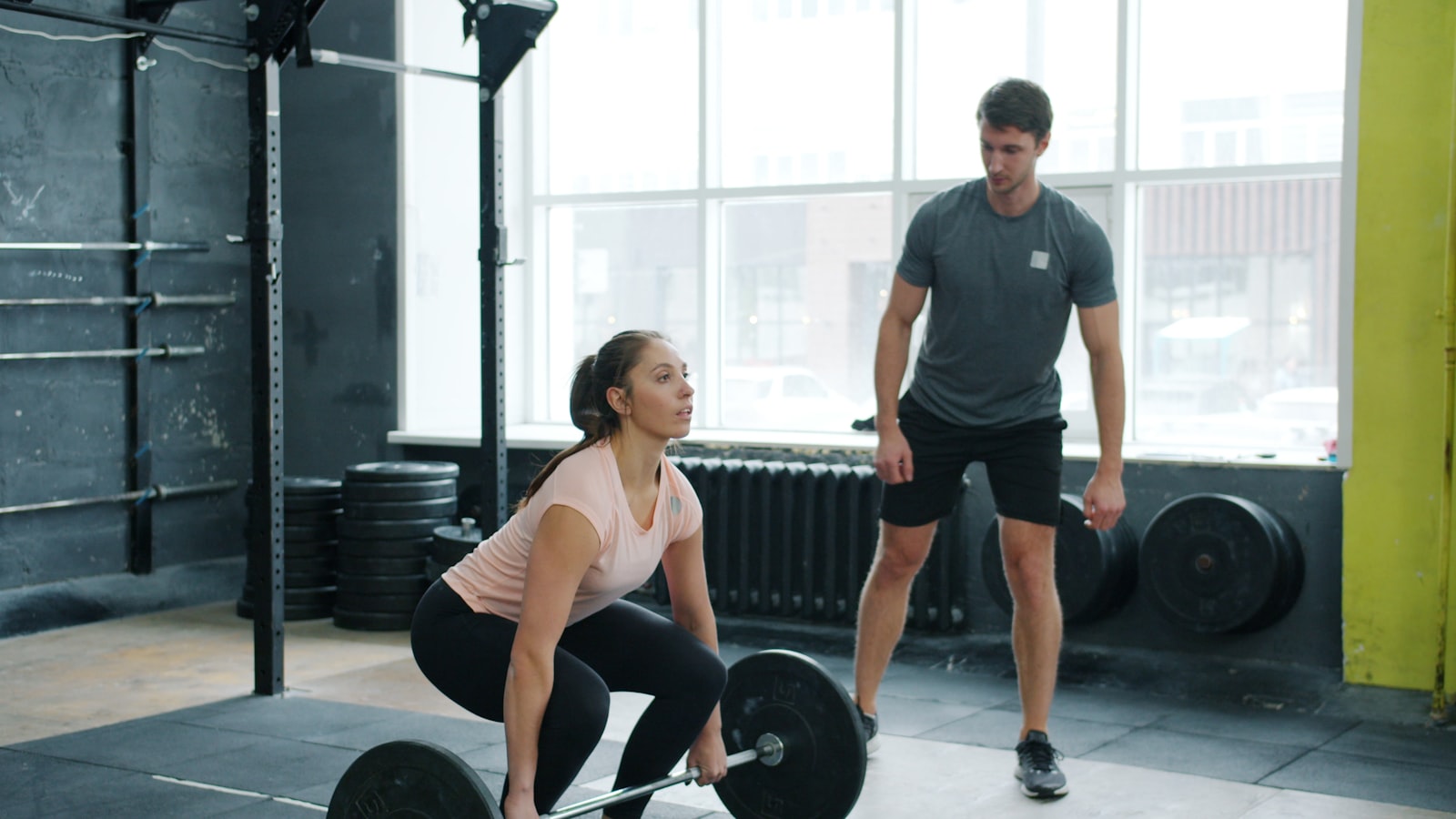
The off-season is when baseball players actually change. In-season, there is barely time to maintain — games, travel and recovery fill the calendar.
Winter is when strength, speed and arm health get built. It is also when the most time gets wasted, usually on the wrong things. Here is what the evidence and experience both point to.
Start With Rest
This is the part players skip and the part that matters most.
After a season ends, young arms need genuine time away from throwing — not a lighter throwing schedule, but a stop. Sports medicine guidance consistently recommends two to three months per year away from overhead throwing.
Strength and conditioning work can continue during that break. The rest applies to throwing, not to being an athlete. Our guide to youth pitch counts and arm care covers why this window is non-negotiable.
A Phase-by-Phase Off-Season
| Phase | Timing | Focus | Throwing |
|---|---|---|---|
| 1. Recovery | 2-4 weeks post-season | Complete rest from throwing; general movement | None |
| 2. Foundation | Weeks 3-6 | Movement quality, base strength, mobility | None to light catch |
| 3. Strength | Weeks 5-10 | Progressive loading, posterior chain, core | Light catch play |
| 4. Power | Weeks 9-14 | Explosive work, medicine ball, sprint mechanics | Long toss progression |
| 5. Ramp-up | 4-6 weeks pre-season | Maintain strength, sharpen skill | Full progression, bullpens |
The sequence matters more than the specific exercises. Building power on top of no foundation is how players get hurt in February.

What Actually Improves Velocity
Every young pitcher wants velocity, and most chase it the least effective way — by throwing harder, more often.
Research comparing training approaches found that athletes who added a strength program gained velocity more safely than those who only increased throwing volume. Throwing more is the highest-risk, lowest-return path.
| Input | Effect on velocity | Injury risk |
|---|---|---|
| Lower-body and core strength | High — the legs generate the force | Low when supervised |
| Structured long toss | High when progressive | Low to moderate |
| Mobility and thoracic rotation | Moderate — unlocks existing ability | Very low |
| Mechanical efficiency | Moderate to high | Low |
| Simply throwing harder, more often | Low | High |
| Weighted ball programs | Variable | High without expert supervision |
The same principle applies to hitting. Exit velocity is a strength and sequencing outcome, not something produced by swinging more. A twelve-week strength program in adolescent players has been shown to improve running speed and produce measurable gains in bat exit velocity.
Velocity is built in the weight room and protected in the off-season. It is not built by throwing more bullpens in January.
WAR Baseball coaching staff
Strength Training for Young Players
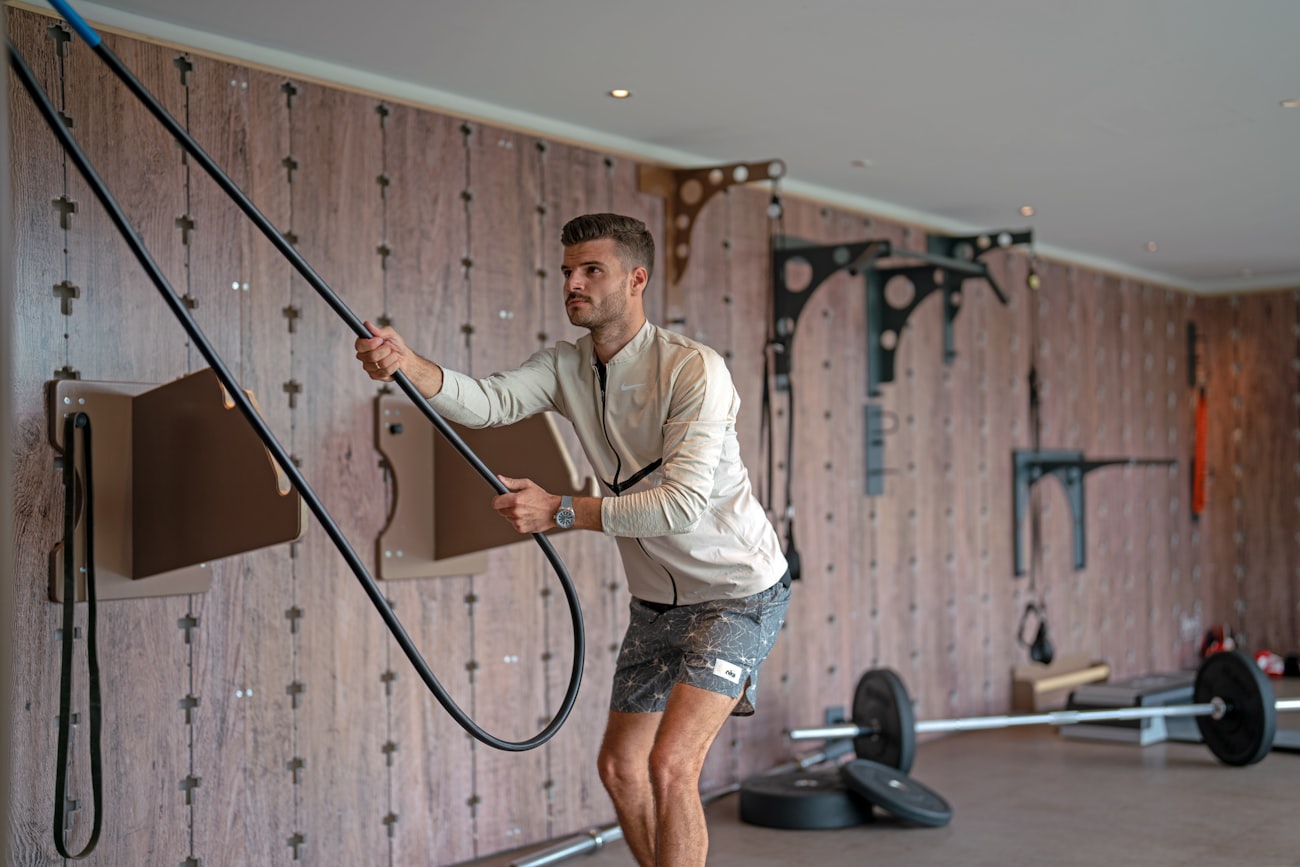
Parents often worry that lifting will stunt growth. That concern is not supported by the evidence — supervised, age-appropriate resistance training is considered safe and beneficial for adolescent athletes.
| Age | Emphasis | Loading |
|---|---|---|
| 10-12 | Bodyweight control, coordination, movement quality | Bodyweight and light medicine ball |
| 13-14 | Technique under light load, posterior chain | Light external load, high quality |
| 15-16 | Progressive strength, explosive work | Moderate to heavy, well supervised |
| 17-18 | Strength and power, sport-specific transfer | Full program |
The National Strength and Conditioning Association publishes long-term athletic development guidance worth reading if you are evaluating a training program for a young player.
Long Toss, Done Properly
Long toss is one of the most effective arm-building tools available, and one of the most commonly botched.
- Start at around 60 feet with easy, on-line throws.
- Extend distance gradually across weeks, not within a single session.
- Work out to 120 feet and beyond only once the arm handles it comfortably.
- Finish by pulling down — coming back in closer with flat, firm throws.
- Stop when mechanics deteriorate. Fatigue is the signal, not distance.
Three sessions a week is plenty. The goal is accumulating quality throws over months, not maximising distance in any one session. Players who treat every long toss day as a distance competition tend to arrive at spring with a sore arm and no additional velocity.
Speed and Agility
The 60-yard dash is the universal athleticism measure in baseball evaluation, and it is highly trainable — most young players have never been taught how to sprint.
Acceleration mechanics, first-step quickness and change of direction respond quickly to coaching. It is one of the fastest ways for a player to improve their profile ahead of college recruiting evaluation.
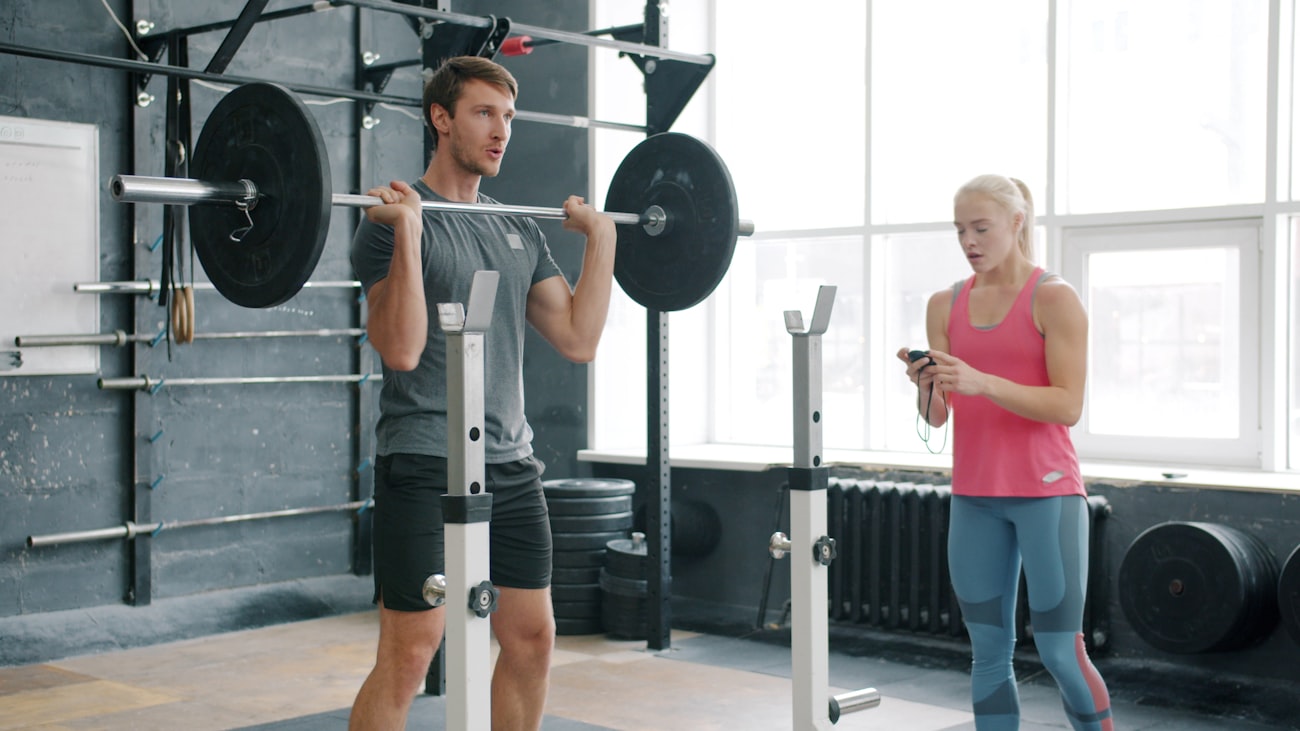
Speed and agility work is built into team membership at Powermill for our players — two sessions a week, year-round, alongside team practice.
Common Off-Season Mistakes
- No rest at all. Playing fall, winter and spring baseball with no break is the clearest predictor of arm trouble.
- Chasing velocity in December. Peak throwing effort belongs at the end of the off-season, not the start.
- Skill work only. Hitting lessons without strength work produce very little physical change.
- Copying professional programs. Adult training loads do not transfer to developing bodies.
- Ignoring sleep and nutrition. Both do more for adolescent development than any training variable — see our guide to fuelling young baseball players.

Where to Start
If your player is coming off a fall season, the first decision is when to stop throwing, not when to start training. Build the break in deliberately.
From there, two to three quality strength sessions a week through the winter will do more than any amount of extra baseball. Our coaching staff builds this into team training, and our FAQ covers practice frequency across the season.
If your player is deciding whether to play another sport this winter instead, that is genuinely worth considering — our article on sport specialization and multi-sport athletes looks at what the research actually shows.
Frequently Asked Questions
When does baseball off-season training start?
For players finishing a fall season, serious training usually begins in late November or December and runs through February. The general shape is roughly eight to twelve weeks of strength work before ramping throwing back up ahead of the spring season.
Should young baseball players lift weights?
Supervised, age-appropriate strength training is considered safe and effective for adolescent athletes, and research shows baseball-specific programs improve athleticism. The emphasis at younger ages should be on movement quality and bodyweight control before heavy loading.
What actually increases throwing velocity?
Lower-body and core strength plus a structured long-toss progression. Studies comparing approaches found that athletes in a strength program gained velocity more safely than those who only added throwing volume. Simply throwing harder more often is the least effective and most dangerous route.
How long should a baseball player rest before off-season training?
At least a few weeks of complete rest from throwing after the season ends, and sports medicine guidance recommends two to three months per year away from overhead throwing overall. Strength work can continue during a throwing break.
How many days a week should a player train in the off-season?
Two to three quality strength sessions per week is enough for most youth and high school players, alongside mobility work and a gradual throwing progression. More frequency rarely helps and often interferes with recovery.
Train Year-Round With WAR
Speed, agility and conditioning are built into team membership at Powermill. See upcoming tryouts for 13U through 17U in Tallahassee.