
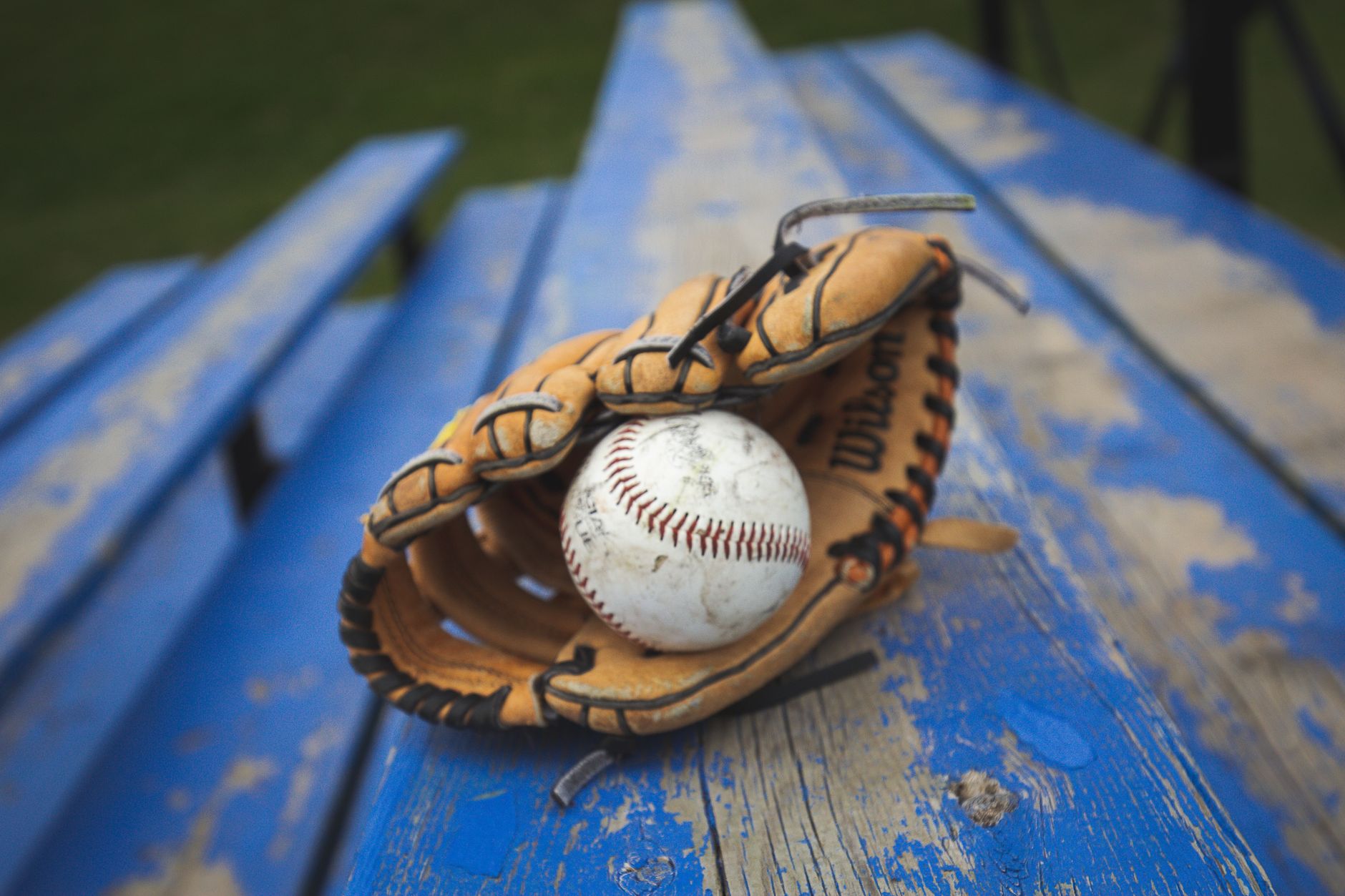
A glove is the one piece of equipment a baseball player touches on every defensive play, and it is the piece parents most often buy wrong.
Too big, wrong position, or never properly broken in — each of those quietly makes a player worse. Here is how to get it right.
Sizing by Age and Position
Glove size is measured from the top of the index finger down to the heel, and it varies by position as much as by age.
| Age | Infield | Outfield | Catcher |
|---|---|---|---|
| 5-8 | 9 – 10.5 in | 10 – 11 in | 29.5 – 30 in |
| 9-12 | 10.5 – 11.5 in | 11 – 12 in | 30 – 32 in |
| 13-14 | 11.25 – 11.75 in | 12 – 12.5 in | 31 – 32.5 in |
| 15+ | 11.25 – 12 in | 12.5 – 12.75 in | 32 – 34 in |
| Pitcher | 11.5 – 12 in (closed web) | — | — |
| First base | 12 – 13 in (mitt) | — | — |
The most common mistake is buying large so the player ‘grows into it’. An oversized glove is harder to close, slows the transfer, and teaches a young infielder to catch with the wrong part of the pocket. Buy for now.
Infield vs Outfield: A Real Difference
| Infield glove | Outfield glove | |
|---|---|---|
| Size | 11 – 11.75 in | 12 – 12.75 in |
| Pocket depth | Shallow — fast transfer | Deep — secure the catch |
| Webbing | Often open (I-web, H-web) | Usually closed or deep basket |
| Priority | Getting the ball out quickly | Reach and catching radius |
| Why | Double plays are won by transfer speed | Fly balls need forgiveness |
Pitchers are the exception among infielders — they want a closed web, so hitters cannot see the grip through the webbing. It is a small detail that matters more as players get older and hitters start looking for it.
Webbing Types
| Web | Best for | Why |
|---|---|---|
| I-web | Middle infield | Open design lets dirt fall through; fast transfer |
| H-web | Third base, outfield | Strong and open; good visibility on fly balls |
| Closed / basket | Pitcher | Conceals grip |
| Trapeze | Outfield | Deep pocket, maximum catching area |
| Modified trap | First base, outfield | Deep but more control |
Leather and Price
Glove pricing tracks leather quality, and the difference is genuine — but it matters more for some players than others.
| Tier | Typical price | Best for |
|---|---|---|
| Synthetic / entry | $30 – $60 | Under 8, or a first glove |
| Entry leather | $60 – $120 | 8-12, recreational and early travel |
| Mid-grade leather | $120 – $250 | 12+ travel players — the value sweet spot |
| Premium (pro stock) | $250 – $450 | High school and up, daily use |
Below about 12U, a mid-range glove is the smarter purchase, because the player will outgrow it long before wearing it out. From 13U onward, when a glove might last three to five years of daily use, better leather earns its price.
Gloves are a smaller line item than bats or tournament fees, but they belong in the budget — our travel baseball cost breakdown puts equipment in context, and our bat standards guide covers the more expensive half of the equipment question.
Breaking In a Glove Properly
This is where good gloves get ruined. The internet is full of methods that destroy leather.
- Play catch with it. Nothing else comes close. Hundreds of repetitions form the pocket exactly where that player catches the ball.
- Work the pocket by hand — bend the fingers back, fold the heel, flex it daily.
- Use glove oil sparingly — a light coat, a few times a season. Too much makes leather heavy and soft.
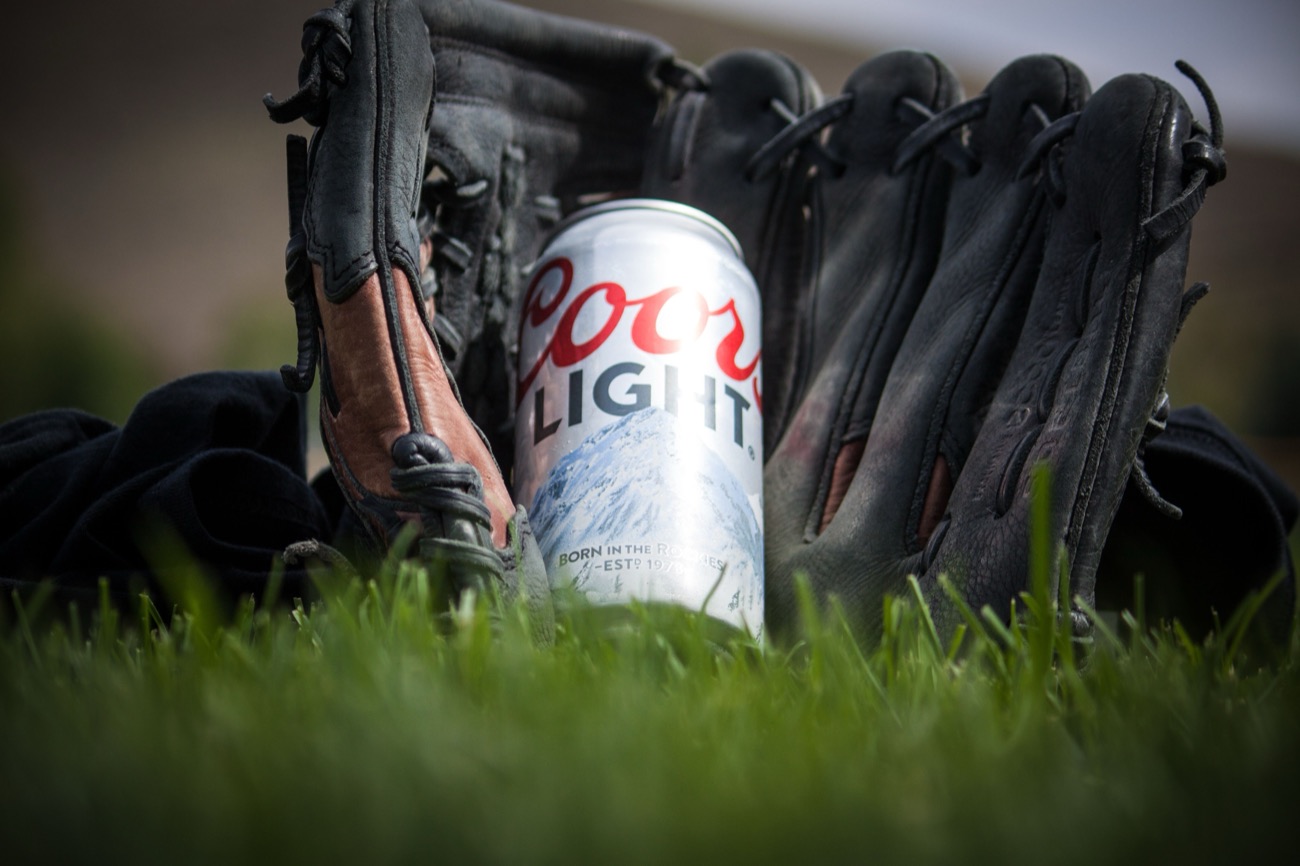
- Store it with a ball in the pocket, held with a band, but do not over-tighten.
- Keep it out of the car. Florida heat dries leather out fast.
| Method | Verdict |
|---|---|
| Playing catch | Best — forms the pocket correctly |
| Hand shaping and flexing | Excellent supplement |
| Light glove oil or conditioner | Good in moderation |
| Oven or microwave | Never — dries and cracks the leather |
| Soaking in water | Never — ruins shape and lifespan |
| Driving over it with a car | No. Genuinely. |
| Heavy petroleum jelly or shaving foam | Adds weight, breaks down leather |
Caring for It
A glove that gets basic care lasts years longer. The whole routine takes about five minutes a month.
- Wipe off dirt and moisture after games.
- Never store it damp, and never leave it in a hot car boot.
- Re-lace when a string frays, rather than after it snaps.
- Keep it out of the bottom of the bag under bats and cleats.
- Condition lightly at the start and end of each season.
Gloves have evolved dramatically — the National Baseball Hall of Fame holds early gloves that are barely more than padded leather palms, a useful reminder of how much the modern glove does for a fielder.
Buying for the Position They Will Play
If your player moves around the field, which most young players should, buy for where they play most. A standard 11.5-inch infield glove covers the majority of youth situations.
Two exceptions warrant a dedicated glove: catchers need a mitt, and first basemen need a first base mitt. Both are required rather than preferred. Our guide to baseball positions covers how to work out where a player actually fits.
If you are unsure what your player needs for the coming season, ask a coach who has watched them field. Our staff does this with WAR families every year, and we are happy to help even if you are just working out sizes.
Frequently Asked Questions
What size baseball glove does my child need?
Roughly: 9-10.5 inches for ages 5-8, 10.5-11.5 inches for 9-12, and 11.25-12.75 inches for 13 and up depending on position. Infielders use smaller gloves for quick transfers; outfielders use larger ones for reach.
What is the difference between infield and outfield gloves?
Infield gloves are smaller (11-11.75 inches) with a shallow pocket and often an open web, so the ball comes out fast. Outfield gloves are larger (12-12.75 inches) with a deeper pocket and closed web for catching fly balls and extra reach.
How do you break in a baseball glove?
Play catch with it — that is genuinely the best method. Supplement with light glove oil, working the pocket by hand, and storing it with a ball wrapped inside. Avoid ovens, microwaves and heavy oil, all of which break down the leather.
Is an expensive baseball glove worth it?
Up to a point. Better leather holds its shape for years rather than months, which matters for a player who will use it every day. Below about 12U, a mid-range glove is usually the smarter buy because the player will outgrow it.
How long should a baseball glove last?
A quality glove used regularly typically lasts three to five years. Players usually outgrow a glove before they wear it out, particularly between ages 9 and 14.
Questions About Gear?
Our coaching staff helps families sort out gloves, bats and sizing every season. Get in touch and we will point you the right way.