
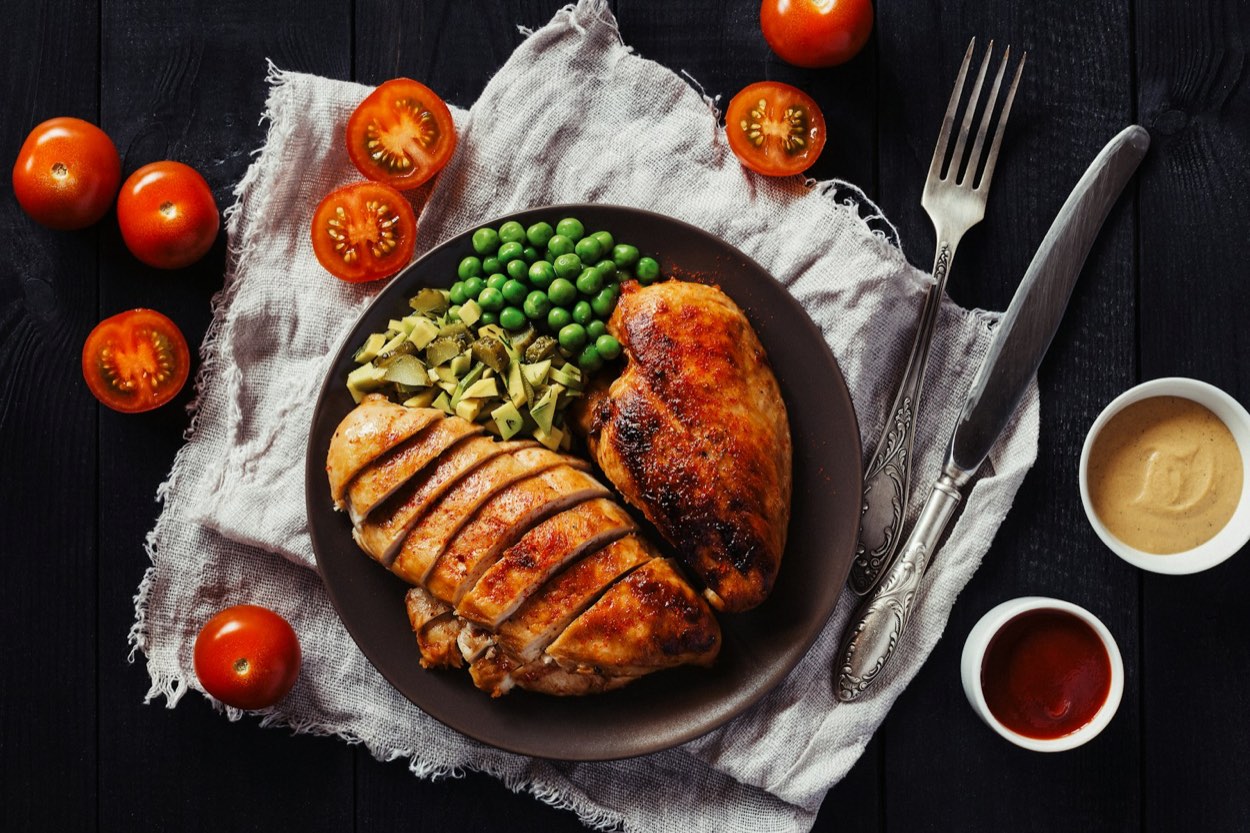
Ask a fifteen-year-old why they have not got stronger and they will usually talk about their training. Ask what they ate yesterday and the actual answer normally appears.
This is about everyday eating rather than game-day fuelling — the ordinary weeks where growth and strength are either supported or quietly prevented. Tournament-day timing is covered separately in our tournament nutrition guide.
The Real Problem Is Usually Volume
Most young athletes who say they cannot gain weight are not eating enough, and they genuinely do not realise it.
| What they report | What is often happening |
|---|---|
| “I eat all the time” | Snacks rather than meals; low total intake |
| “I can’t gain weight” | Skipping breakfast; one substantial meal a day |
| “I’m always tired at practice” | Under-fuelled before training |
| “I train hard but nothing changes” | Training stimulus with no surplus to build from |
| “I don’t have time to eat” | No planning; food not available when needed |
Growth itself takes energy. An adolescent going through a growth phase and training four days a week needs considerably more food than an adult of similar size — and our guide to growth spurts covers why that period is demanding in other ways too.
You cannot build on a deficit. If nothing is changing, the first thing to audit is breakfast, not the programme.
WAR Baseball coaching staff
Rough Daily Targets
| Nutrient | Common guidance | For a 150 lb (68 kg) player |
|---|---|---|
| Protein | 1.2 – 2.0 g per kg body weight | About 80 – 135 g |
| Carbohydrate | 3 – 5 g per kg on training days | About 200 – 340 g |
| Fat | Around 1 g per kg | About 68 g |
| Fluid | Consistent through the day | More in Florida heat |
Treat these as directional rather than prescriptive. Individual needs vary with size, growth stage and training load, and a young athlete with specific goals or concerns should speak to a doctor or dietitian rather than working from an internet table.
Protein, Practically
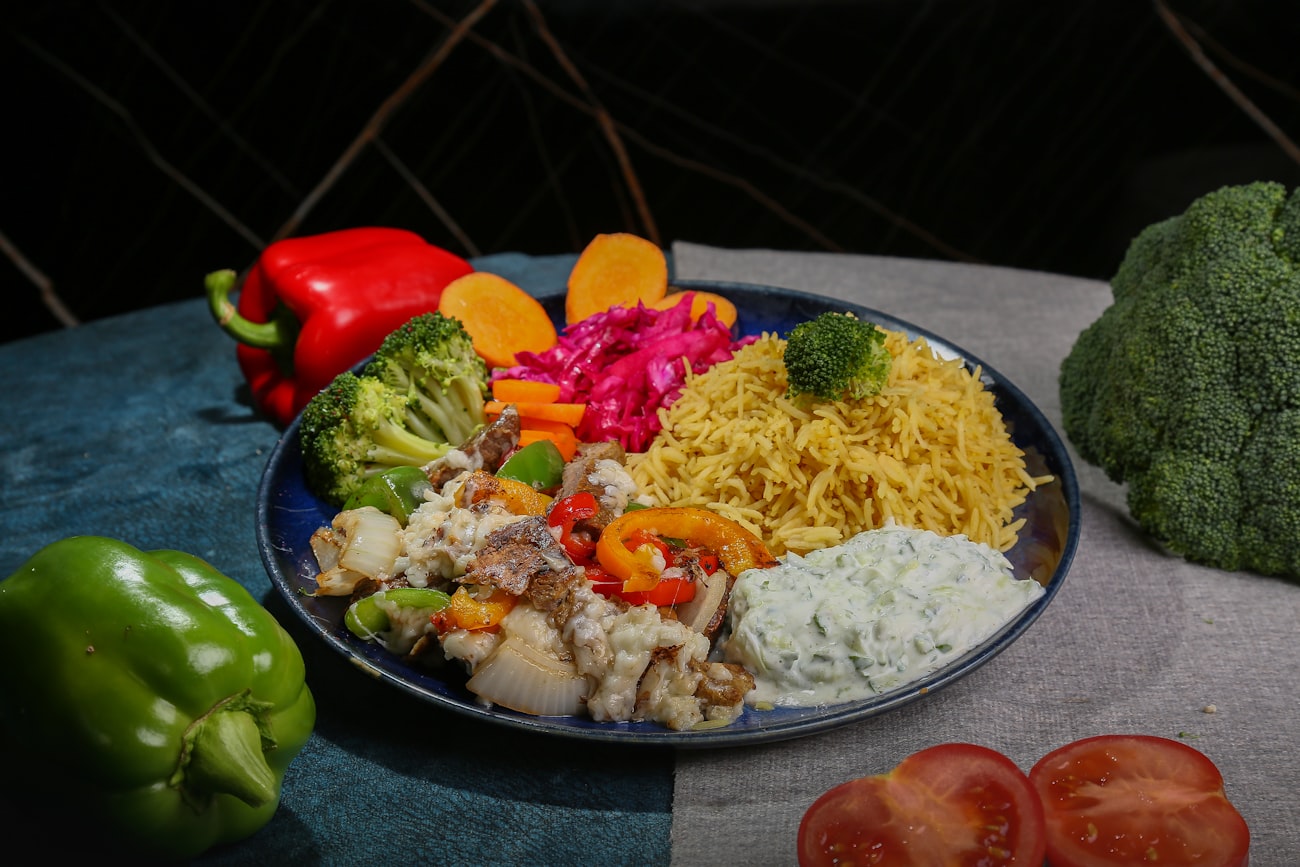
The number matters less than the distribution. A player eating 30 grams at dinner and almost nothing earlier is not going to hit a daily target.
| Food | Rough protein |
|---|---|
| Two eggs | 12 g |
| Greek yogurt, one cup | 20 g |
| Chicken breast, palm-sized | 30 g |
| Milk, one pint | 16 g |
| Tuna, one tin | 25 g |
| Peanut butter, two tablespoons | 8 g |
Spreading protein across breakfast, lunch, dinner and a post-training snack gets most players where they need to be without supplements. Whole food first — shakes are a convenience for players who genuinely cannot eat enough, not a requirement.
Carbohydrate Is Not the Enemy
Adolescent athletes sometimes absorb adult diet messaging about cutting carbohydrate, which is close to the opposite of what a growing, training player needs.
Carbohydrate is the body’s preferred fuel for the short, explosive efforts baseball is made of. A player under-eating carbohydrate is training tired, recovering poorly and losing the benefit of the work — the same principle behind our off-season training guide.
A Realistic Day
| Meal | What it might look like |
|---|---|
| Breakfast | Eggs, toast, fruit, milk — the meal most often skipped |
| Mid-morning | Yogurt or a sandwich |
| Lunch | Substantial: protein, rice or pasta, vegetables |
| Pre-training | Carbohydrate-focused snack an hour before |
| Post-training | Carbohydrate and protein within about an hour |
| Dinner | Full meal; the largest of the day for most |
| Before bed | Milk or yogurt if gaining weight is the goal |
Breakfast is the single highest-return change for most players. Skipping it removes a quarter of the day’s opportunity to eat and guarantees under-fuelled morning training.
Availability matters as much as intention. A player who has to make food will often skip it; one who finds it ready usually eats it. For families, keeping easy protein in the fridge does more than any amount of reminding.
Gaining Weight Sensibly
- Add rather than replace. An extra meal beats larger portions for most players.
- Drink calories — milk is among the most efficient options available.
- Eat around training, before and after, not just at set mealtimes.
- Be patient. Half a pound a week is sustainable; faster usually is not.
- Train while you do it. Weight gained without strength work is not what anyone wants.
- Sleep. Growth and recovery both depend on it — see our recovery guide.
Guidance from paediatric health providers such as Rady Children’s Hospital is a reasonable starting point for families wanting more detail on adolescent sports nutrition, and a dietitian is worth consulting for anything specific.

What to Avoid
| Avoid | Why |
|---|---|
| Restrictive diets | Inappropriate during growth; risks under-fuelling |
| Weight-gain supplements | Expensive; food does the job |
| Skipping meals then over-eating | Poor fuelling around training |
| Energy drinks | Not appropriate for youth athletes |
| Adult diet advice | Written for people who are not growing |
| Comparing to a teammate | Growth timing varies enormously |
That last row deserves emphasis. Two fifteen-year-olds can be years apart developmentally, and a player trying to match a teammate’s physique is usually chasing a difference in growth timing rather than in effort.
Keep It Boring
None of this requires anything unusual. Three real meals, snacks around training, protein at each meal, enough carbohydrate to train on, and sleep.
Players who do that consistently for a year change noticeably. Players who chase supplements while skipping breakfast do not — and it is a far cheaper intervention than most of what families spend on, as our cost breakdown puts in context.
Our teams train speed, agility and conditioning as part of membership at Powermill, and our staff will tell any player plainly when the limiting factor is food rather than training.
Frequently Asked Questions
How much protein does a teenage baseball player need?
Commonly cited targets for young athletes fall around 1.2 to 2.0 grams per kilogram of body weight per day — roughly 80 to 130 grams for a 150-pound player. Spreading it across meals matters more than hitting an exact number.
How can a young baseball player gain weight and strength?
Eat more than they burn, consistently, alongside a real strength programme. Most players who say they cannot gain weight are skipping breakfast, eating one substantial meal a day, and under-eating around training.
Do young athletes need protein supplements?
Usually not. Most can reach their protein targets through food. Shakes are a convenience for players who genuinely struggle to eat enough, not a requirement, and whole food should come first.
What should a baseball player eat after training?
A combination of carbohydrate and protein within an hour or so — a sandwich and milk works as well as anything marketed for the purpose. Recovery nutrition matters most after heavy training and games.
Is it safe for teenagers to try to gain weight for sport?
Gaining weight through more food and strength training is generally safe and appropriate during adolescence. Extreme calorie targets, restrictive diets or supplements aimed at rapid change are not, and warrant a conversation with a doctor or dietitian.
Train and Fuel Properly
WAR Baseball builds conditioning into team membership and coaches the whole athlete. See upcoming tryouts for 13U through 17U in Tallahassee.