
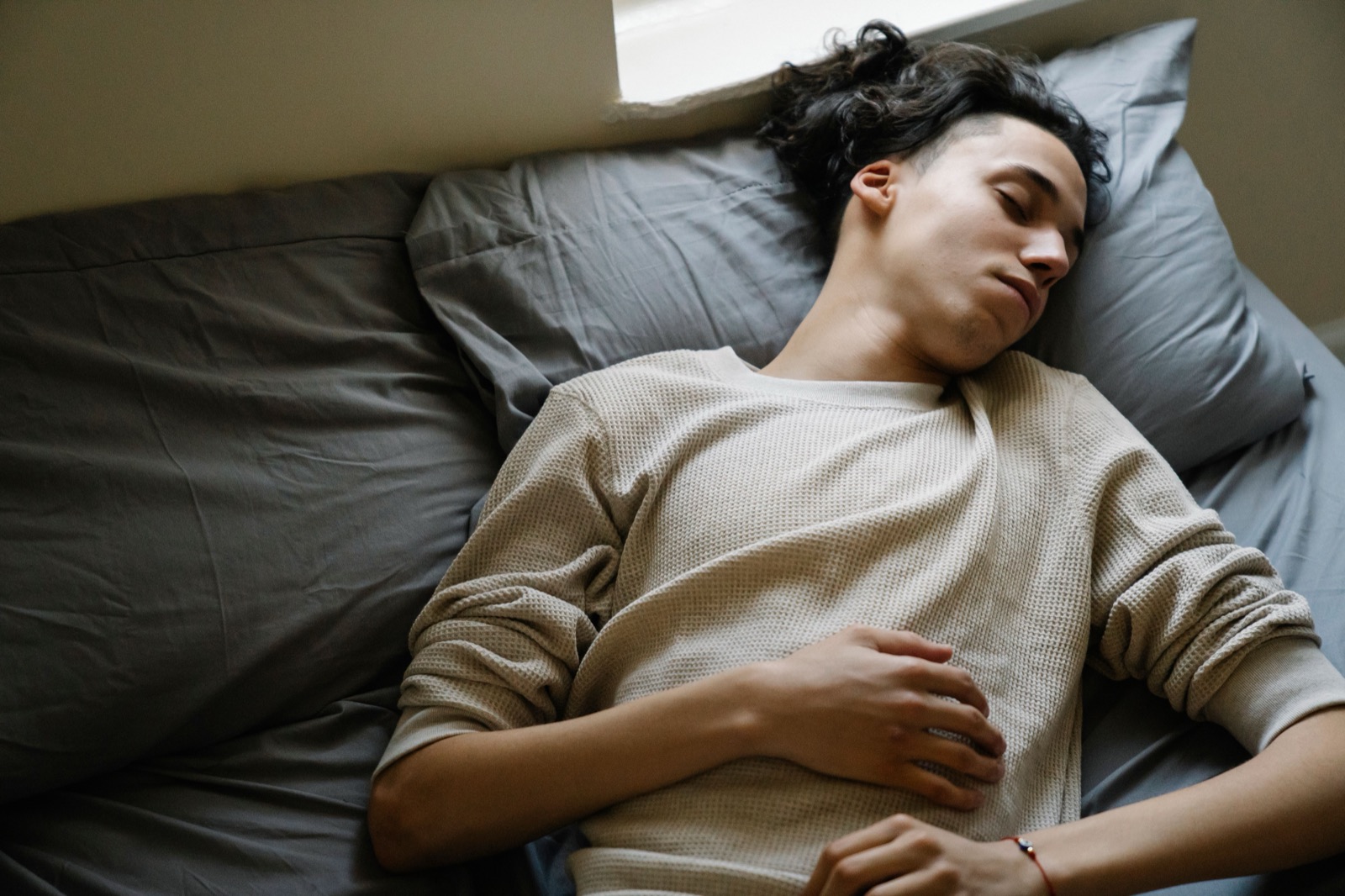
If there were a legal intervention that reduced injury risk substantially, improved reaction time, and cost nothing, every travel baseball family would use it.
There is. It is sleep, and it is the first thing sacrificed to early tournament start times, late finishes, homework and hotel rooms.
How Much Young Athletes Actually Need
| Age | Recommended sleep | Typical reality |
|---|---|---|
| 6-12 | 9-12 hours | Often adequate |
| 13-18 | 8-10 hours | Frequently 6-7 |
| 13-18 with heavy training | 9-10 hours | Rarely achieved |
The gap is significant. Research on adolescent athletes has found average sleep around 6.3 hours against a recommendation of 8 to 10 — and student athletes sleeping roughly two hours less per night than their non-athlete peers.
Travel baseball makes this worse rather than better. Friday night drives, 7am first pitches and unfamiliar hotel rooms all cut into the same window.
The Injury Connection
This is the finding that should get every parent’s attention.
Athletes sleeping fewer than eight hours a night carry roughly 1.7 times the injury risk of those sleeping eight or more.
A consistent finding across youth sport research
The mechanism is not mysterious. Fatigue degrades coordination, slows reaction time and impairs decision-making. A tired player is a fraction slower to react, and that fraction is where injuries happen.
It compounds with throwing load. A pitcher who is both under-slept and near their pitch limit is carrying two risk factors at once — our arm care guide covers the workload half of that equation.
The Performance Case
| What sleep affects | Why it matters in baseball |
|---|---|
| Reaction time | Hitting is among the fastest reactions in sport |
| Accuracy and precision | Throwing accuracy degrades with fatigue |
| Decision-making | Pitch selection, baserunning reads, situational choices |
| Mood and frustration tolerance | Directly affects the mental game |
| Tissue repair and growth | Adolescents grow and recover largely during sleep |
| Immune function | Under-slept athletes get ill more often |
Hitting is the clearest case. A player has a fraction of a second to decide whether to swing. Short sleep measurably slows that decision, which is why slumps and poor sleep so often arrive together — something worth checking before changing a swing, as our mental game guide notes.

Protecting Sleep During a Travel Season
| Situation | What helps |
|---|---|
| Friday night travel | Leave earlier; avoid arriving after 10pm where possible |
| Hotel rooms | Cool, dark, quiet; bring an eye mask if sharing |
| Early first pitch | Move bedtime earlier for two nights beforehand, not one |
| Long gaps between games | A 20-30 minute nap in shade |
| After the last game | Real meal within an hour; screens off an hour before bed |
| Sunday night | Prioritise a full night before the school week |
The nap point is underused. On a day with a four-hour gap between games, twenty minutes of genuine rest in shade does more for the afternoon game than anything else available — and it pairs with the fuelling approach in our tournament nutrition guide.
The Screen Problem
The most common obstacle is not the schedule. It is the phone.
Players finish a game at 9pm, get back to the hotel at 10, and then spend ninety minutes on a screen. The light and the stimulation both delay sleep onset, and the following morning starts at six.
- Set a device curfew — an hour before lights out, enforced for everyone including parents.
- Charge phones outside the sleeping area, especially in shared hotel rooms.
- Replace the habit rather than removing it — cards, reading, music.
- Keep the routine consistent between home and travel.
Consistency matters more than perfection. A regular sleep and wake time does more for sleep quality than any single intervention.
You Cannot Bank or Repay Sleep
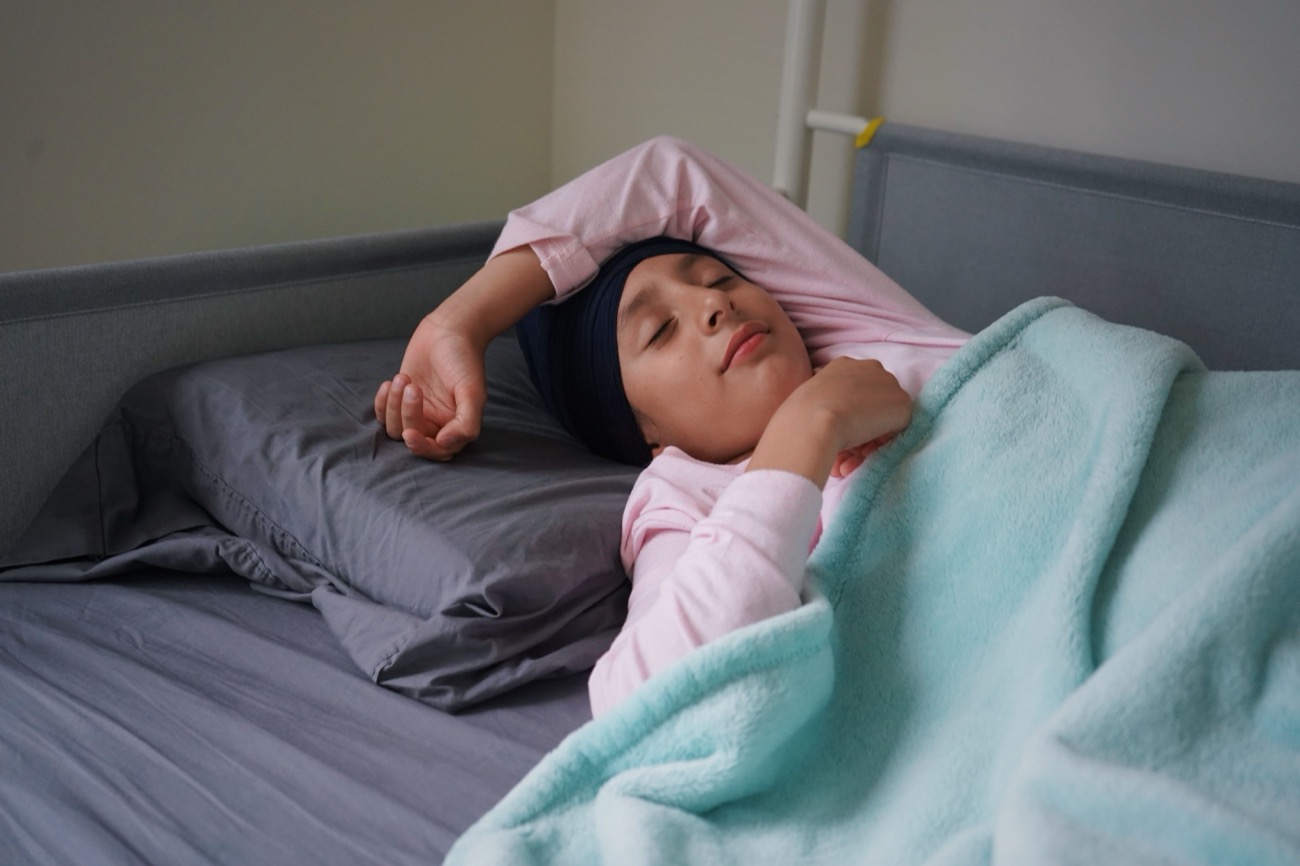
A common assumption is that a long Sunday lie-in makes up for a short week. It helps, but it does not fully reverse the effect — performance and reaction time recover more slowly than the hours suggest.
| Pattern | Effect |
|---|---|
| Consistent 9 hours | Best performance and lowest injury risk |
| 6 hours weeknights, 11 hours weekend | Partial recovery; performance still impaired midweek |
| Short sleep before a tournament | Reaction time and decisions measurably worse on day one |
| Late finish then early start | The most common travel-ball pattern, and the worst |
The practical implication for travel families is that the two nights before a tournament matter more than the night immediately before. Shifting bedtime earlier on Thursday and Friday does more than one heroic early night on Saturday.
Recovery Beyond Sleep
Sleep is the foundation, but a few other things genuinely help across a heavy season.
| Practice | Value | Effort |
|---|---|---|
| Consistent sleep schedule | Very high | Low |
| Post-game meal within an hour | High | Low — plan the cooler |
| Rehydration after hot games | High | Low |
| Light movement the day after | Moderate | Low |
| Genuine rest days | High | Requires saying no |
| Ice baths and recovery gadgets | Low to moderate | High cost, modest return |
That last row is worth noting. Families spend on recovery products while the free interventions — sleep, food, rest days — go unused. The Sleep Foundation’s overview of how sleep affects athletic performance is a reasonable place to read further.
Rest days in particular require a decision. A player with fall ball, school workouts and private lessons may have no genuine day off in a week — see our guide to specialization and overuse.
The Simple Version
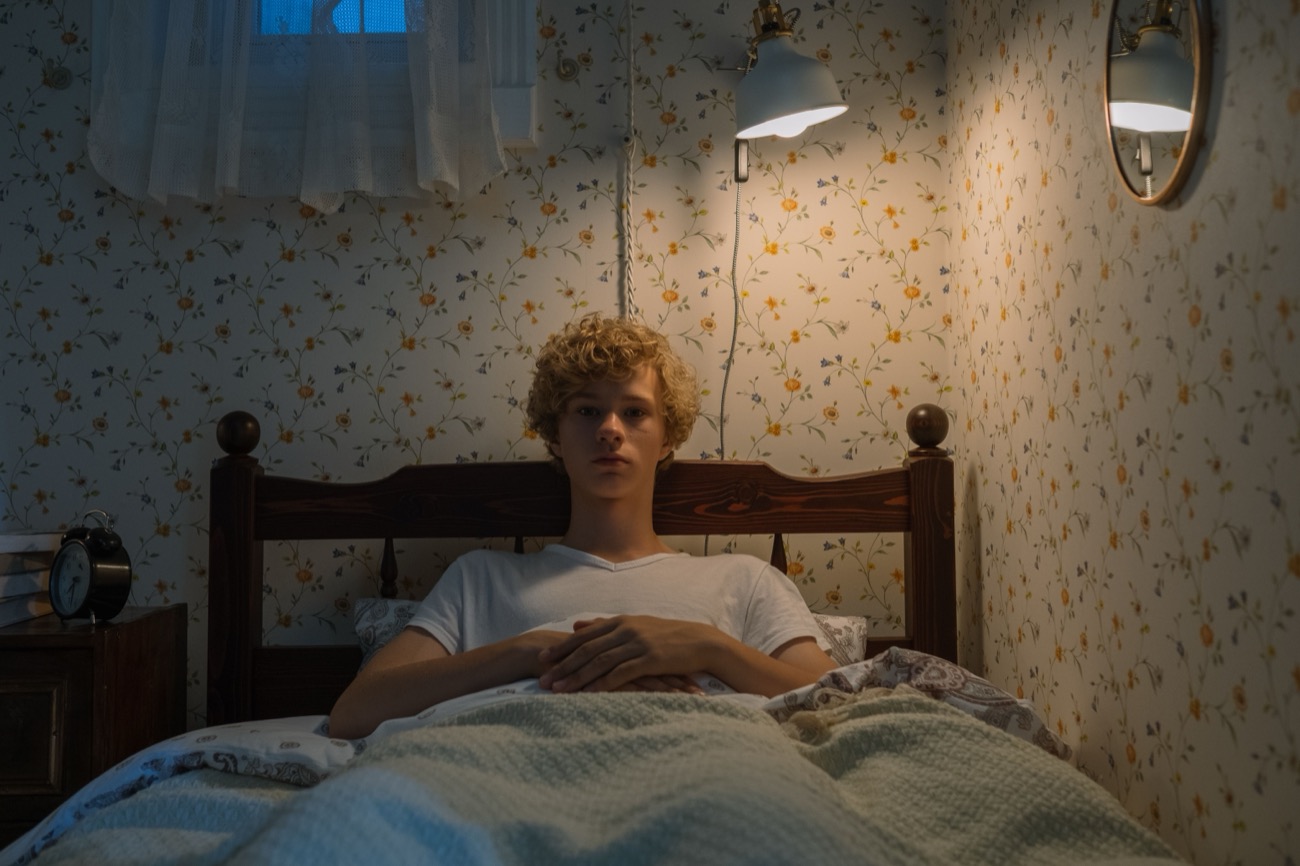
Get eight to ten hours. Keep the timing consistent. Put the phone away an hour before bed. Eat properly after the last game.
None of it costs anything, and it outperforms every supplement and recovery device on the market. For a travel baseball family already spending several thousand dollars a season — as our cost breakdown sets out — sleep is the highest-return investment available.
It also makes the training work. Our off-season training guide and speed development guide both depend on a player recovering well enough to adapt. Training without recovery is just accumulated fatigue.
Frequently Asked Questions
How much sleep does a teenage athlete need?
Eight to ten hours per night is the standard recommendation for ages 13 to 18, and some researchers argue nine to ten for athletes carrying heavy training loads. Most adolescents get considerably less.
Does sleep affect sports injury risk?
Substantially. Athletes sleeping fewer than eight hours per night have been found to carry roughly 1.7 times the injury risk of those sleeping eight or more. Fatigue degrades coordination, reaction time and decision-making.
How does sleep affect baseball performance?
Reaction time and accuracy both decline with short sleep, and baseball is unusually reaction-dependent. Hitting in particular requires split-second decisions that suffer measurably when a player is under-slept.
How can a young athlete sleep better during a tournament weekend?
Keep a consistent bedtime, avoid screens for an hour before sleep, keep the hotel room cool and dark, and eat a real meal after the last game rather than late-night snacks. Travel disrupts sleep, so protect it deliberately.
Is napping useful for young athletes?
Yes, particularly during long tournament days with gaps between games. A 20 to 30 minute nap can restore alertness without leaving a player groggy. Longer naps late in the day can interfere with night-time sleep.
Develop the Whole Athlete
WAR Baseball builds training, recovery and arm care into how we develop players. See upcoming tryouts for 13U through 17U in Tallahassee.