
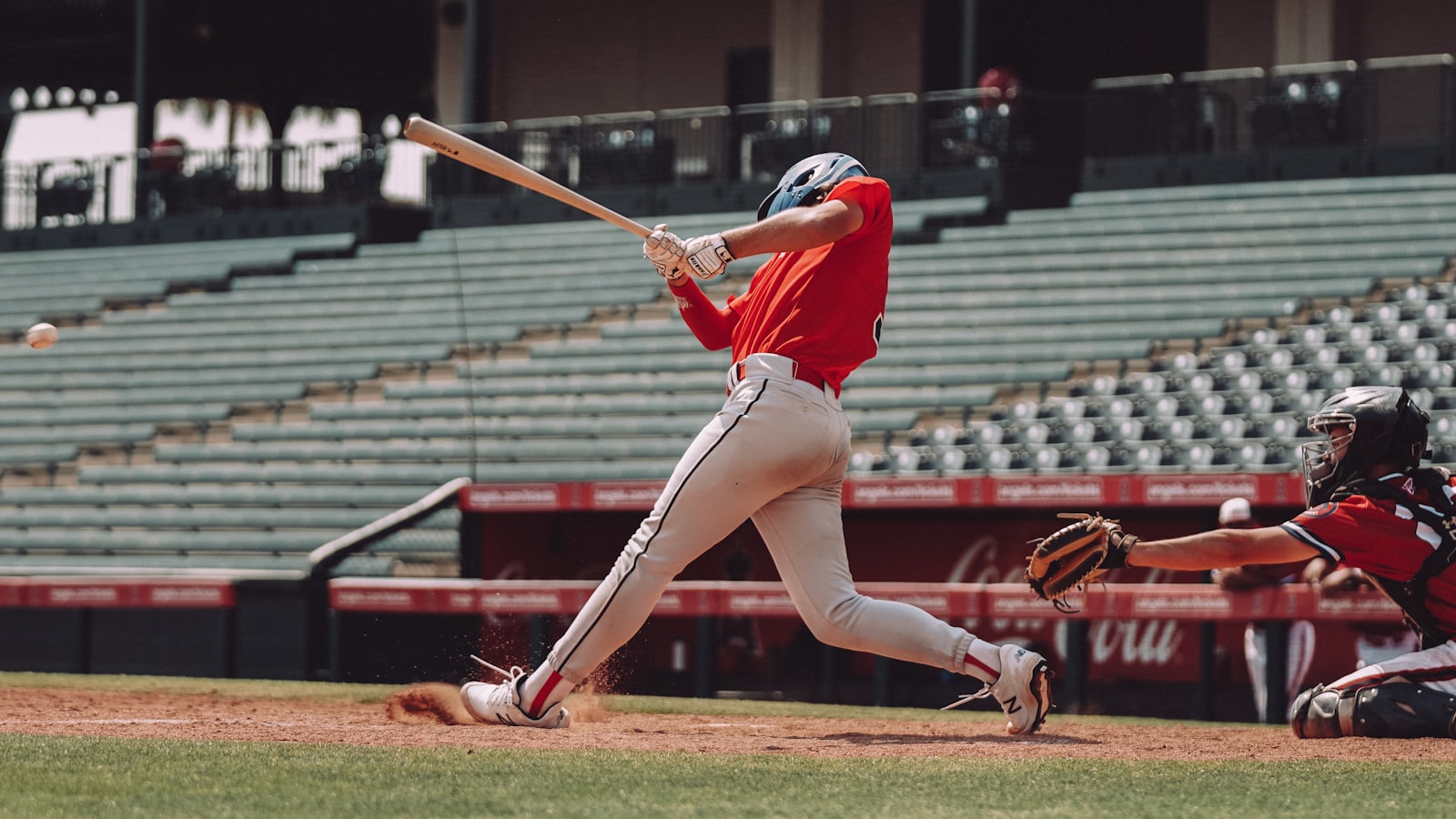
Exit velocity has quietly become the most weighted hitting metric in college recruiting. It is objective, it is comparable across thousands of players, and unlike batting average it does not depend on who was fielding.
Which raises the practical question every hitter asks: how do you actually increase it?
Bat Speed and Exit Velocity Are Not the Same
These get used interchangeably and they are different measurements.
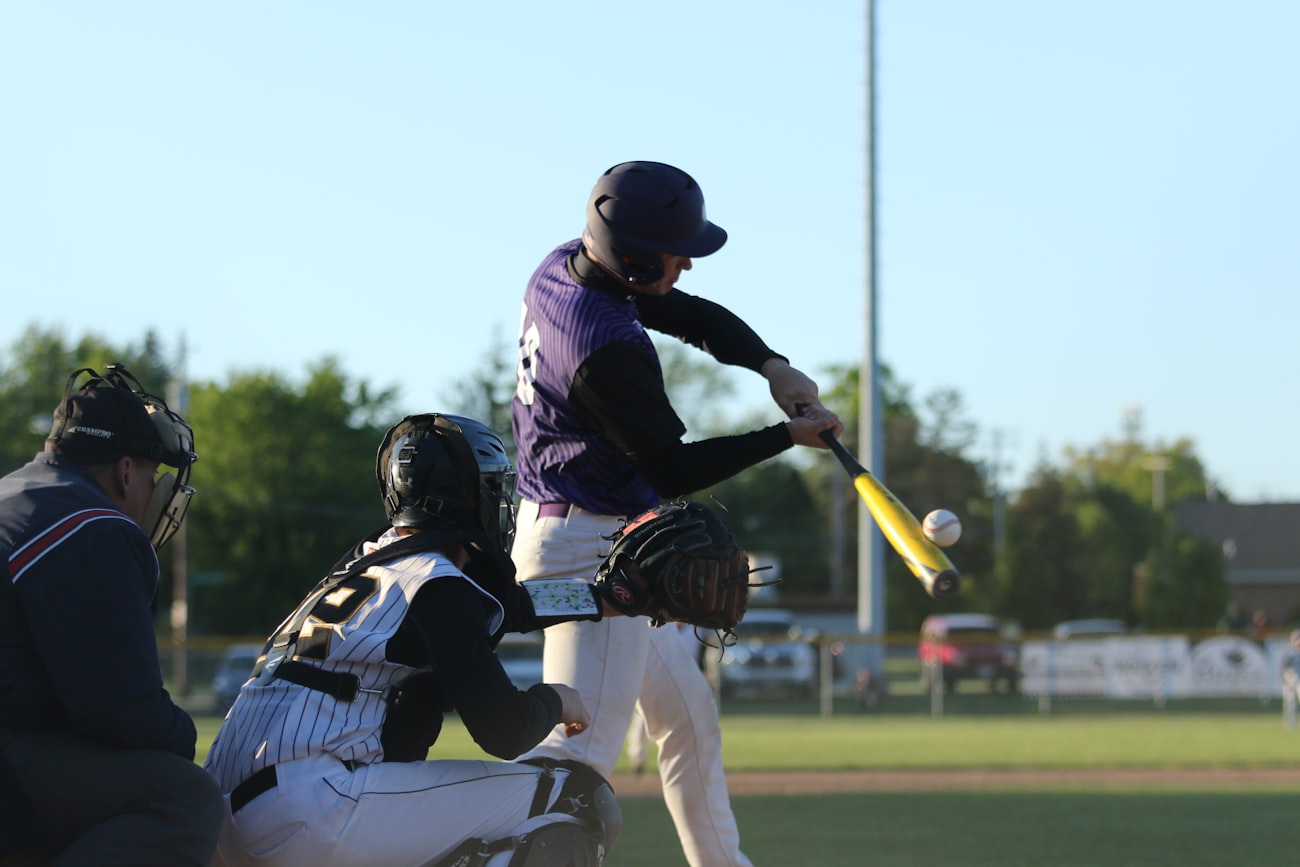
Bat speed is how fast the barrel is travelling. Exit velocity is how fast the ball leaves. Bat speed is the potential; exit velocity is what you convert it into.
The relationship is roughly one to 1.2 — each additional mph of bat speed produces about 1.2 mph of exit velocity, provided contact quality holds. That last clause is where many young hitters lose it: plenty generate real bat speed and fail to transfer it into the ball.
| Age | Typical bat speed | Typical exit velocity |
|---|---|---|
| 12U | 50 – 60 mph | 55 – 65 mph |
| 14U | 58 – 68 mph | 65 – 75 mph |
| 16U | 65 – 75 mph | 75 – 85 mph |
| 18U / college prospect | 70 – 80 mph | 85 – 95 mph |
| D1 position player | 75+ mph | 90+ mph |
Treat these as ranges rather than targets. Measurement methods vary considerably, and a number from one device may not compare cleanly with another.
One caution about chasing the number: exit velocity measured off a tee is not the same as exit velocity against live pitching. A hitter can post an impressive tee figure and produce far less in a game, which is exactly the gap coaches are watching for.
Where Power Actually Comes From
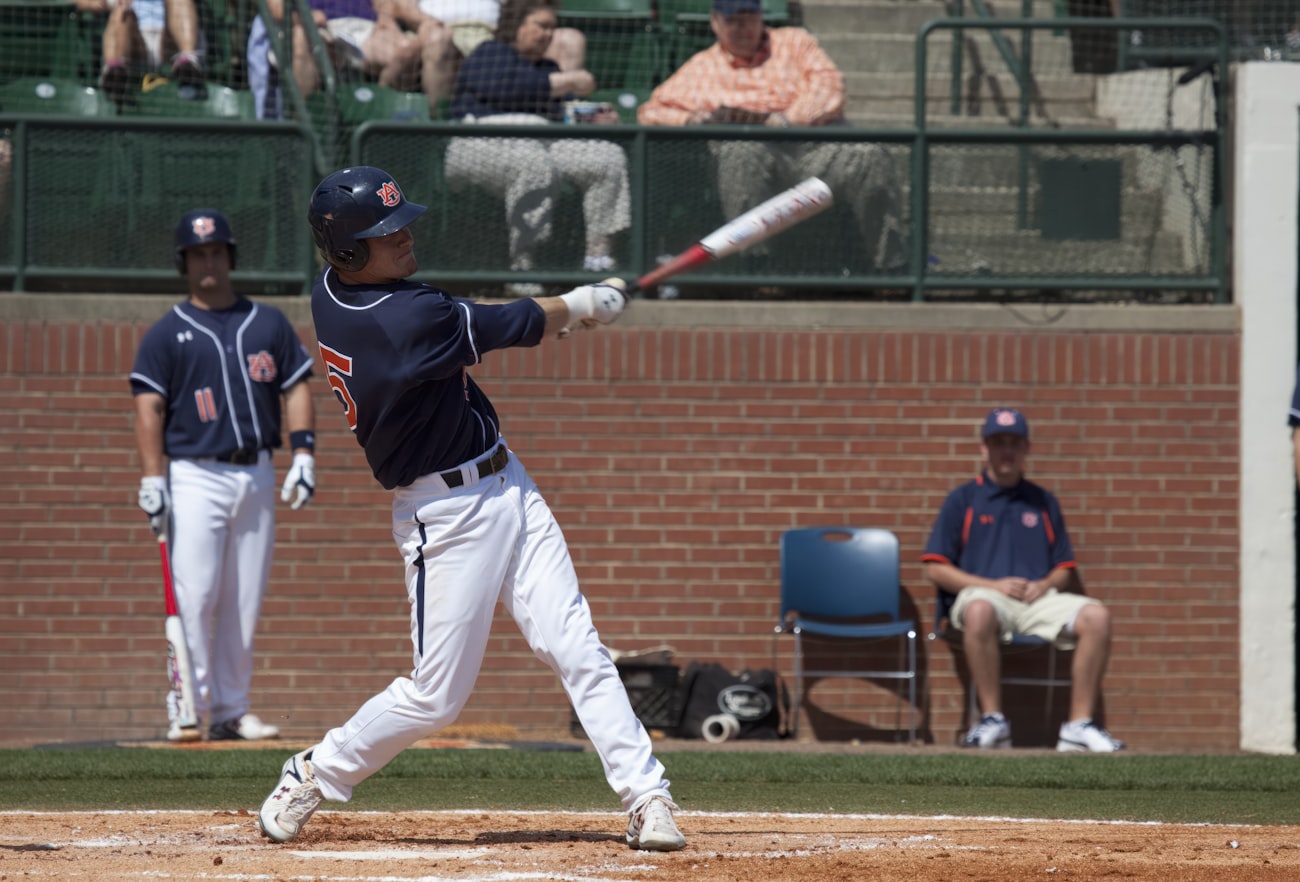
Hitting power is a sequencing problem before it is a strength problem — though it is eventually both.
| Source | Contribution | How to train it |
|---|---|---|
| Lower body and hips | Largest single contributor | Squats, hinges, single-leg work, jumps |
| Rotational sequencing | Very high — transfers leg force | Med ball throws, tempo drills |
| Core stiffness | High — prevents energy leaking | Anti-rotation work, carries |
| Bat path efficiency | High | Tee and machine work with feedback |
| Grip and forearm strength | Modest | Carries, wrist work |
| Swinging more often | Low on its own | Volume without stimulus changes little |
That last row matters. A hitter taking 300 swings a week with no strength work and no feedback is reinforcing their current output rather than raising it.
Power comes from the ground up. Hitters who only train their swing are working on the last six inches of a chain that starts at their back foot.
WAR Baseball coaching staff
Training That Transfers
| Method | What it does | Notes |
|---|---|---|
| Overload / underload bats | Trains the nervous system to swing faster | Heavier and lighter than game bat |
| Med ball rotational throws | Builds sequencing and hip-to-hand transfer | Explosive intent, low volume |
| Lower-body strength | Raises the force ceiling | The foundation; off-season priority |
| Tee work with feedback | Improves contact quality | Feedback is the key word |
| High-intent swings | Trains maximum effort | Separate from mechanical work |
| Machine or live pitching | Timing and application | Where it becomes usable |
Overload and underload work deserves a note of caution: it is effective but should be programmed rather than improvised, and it belongs in an off-season block rather than the middle of a tournament stretch.
The physical side follows the same principles as any power development — the American College of Sports Medicine publishes guidance on resistance training for young athletes that is worth reading before starting any loaded programme.
This is off-season work, which is precisely why our off-season training guide puts strength before skill volume in the calendar.

Separate Mechanics From Intent
One of the most common coaching errors is asking a hitter to fix mechanics and swing hard in the same round. The two compete.
- Mechanical rounds — slower, controlled, one cue only, off a tee or front toss.
- Intent rounds — maximum effort, no mechanical thinking at all.
- Application rounds — live pitching, competitive, outcome-focused.
- Keep them in separate rounds. Blending them produces neither.
Young hitters given three cues at once execute none of them. One cue per round, and let it settle before adding another — a principle worth checking against any instructor you hire, as our guide to choosing an instructor covers.
The Bat Matters Less Than You Think
Families spend heavily here hoping for power, and the returns are smaller than the marketing suggests.
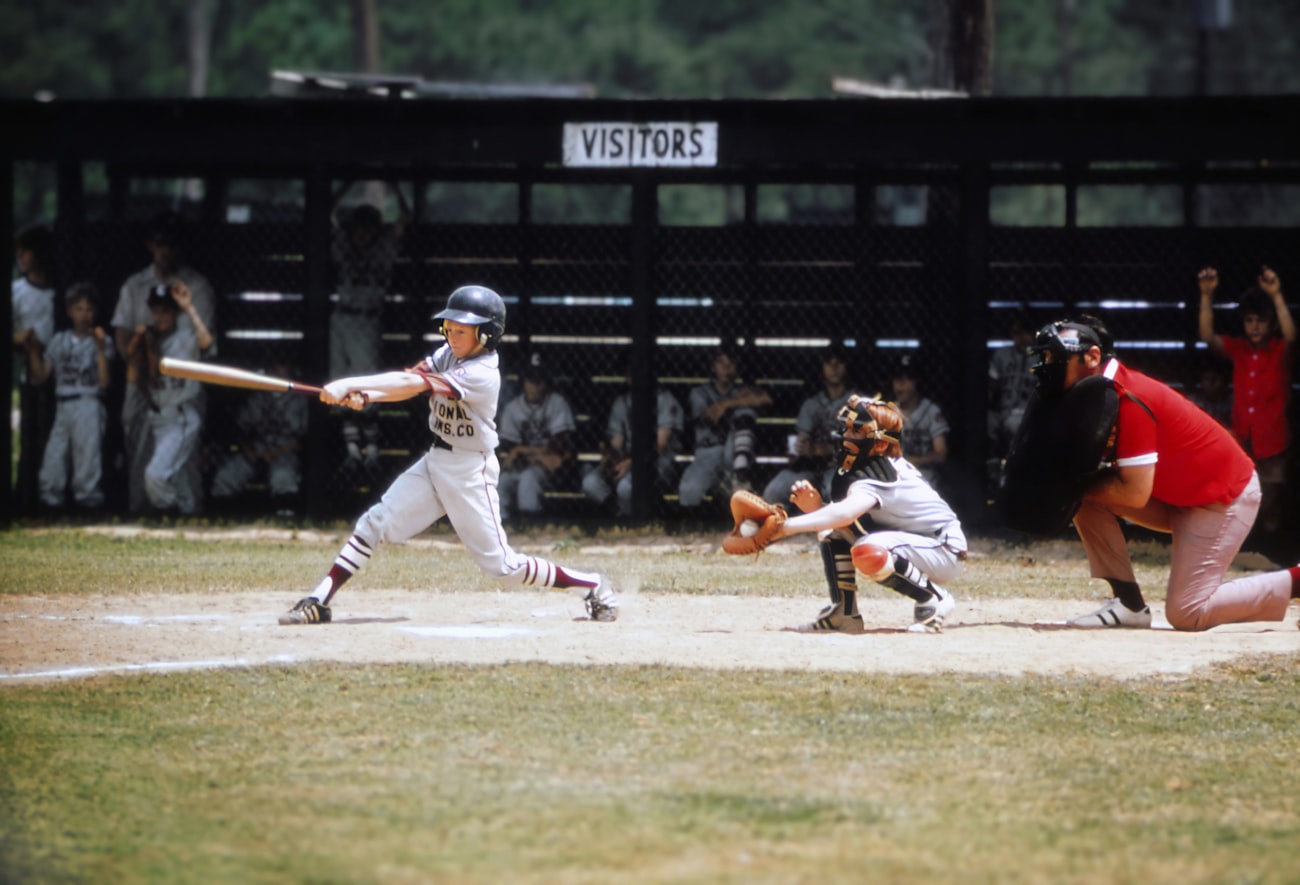
Within a certification standard, all bats are capped at the same performance ceiling. What genuinely matters is whether the bat suits the hitter — and for most youth players, that means balanced and slightly lighter rather than heavier.
Bat speed contributes more to exit velocity than bat mass at these ages. A hitter swinging something too heavy loses more from reduced speed than they gain from weight. Our bat standards guide covers drop weight, sizing and which certification your league requires.
Realistic Expectations
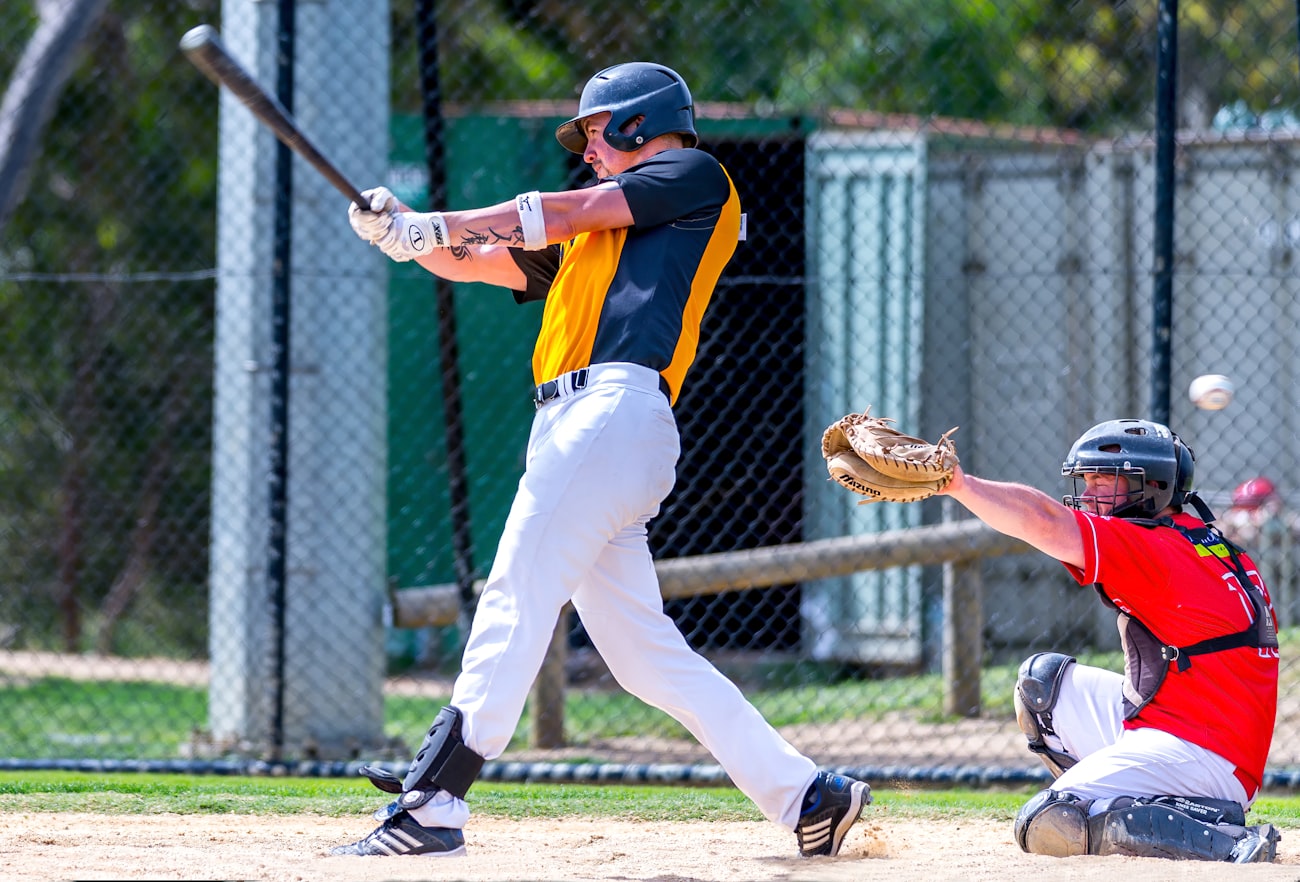
With consistent work — strength three times a week, dedicated swing work two or three times, and some form of feedback — most developing hitters gain roughly 3 to 6 mph of bat speed across a 12 to 16 week off-season.
That is a meaningful jump. It is also a full winter of work, not a fortnight, and it requires recovery to actually adapt — our sleep and recovery guide covers why that half matters.
If your player wants an honest assessment of where their swing and their strength currently sit, our coaching staff evaluates exactly that at tryouts.
Frequently Asked Questions
What is the difference between bat speed and exit velocity?
Bat speed is how fast the barrel moves; exit velocity is how fast the ball leaves the bat. Bat speed is the potential and exit velocity is the result. Roughly, each 1 mph of bat speed produces about 1.2 mph of exit velocity — but only if contact quality is good.
How can a young hitter increase bat speed?
Lower-body and rotational strength, efficient sequencing, and overload/underload bat work. With consistent training most developing hitters gain 3-6 mph of bat speed across a 12-16 week off-season.
What is a good exit velocity by age?
Roughly 55-65 mph at 12U, 65-75 at 14U, 75-85 at 16U, and 85+ for college prospects. Division I position players typically post 90+. These vary with measurement method, so compare like with like.
Do heavier bats build more power?
Not for most youth hitters. Bat speed contributes more to exit velocity than bat weight at these ages, and a bat that is too heavy slows the swing and degrades mechanics. Balanced and slightly lighter is usually the better choice.
How long does it take to add bat speed?
Mechanical efficiency can improve within weeks. Physical gains need a full training block — about 12 to 16 weeks of consistent strength and swing work, which is why the off-season is when hitters actually change.
Train Power Properly
Strength, speed and hitting development are built into team training at WAR Baseball. See upcoming tryouts for 13U through 17U in Tallahassee.