
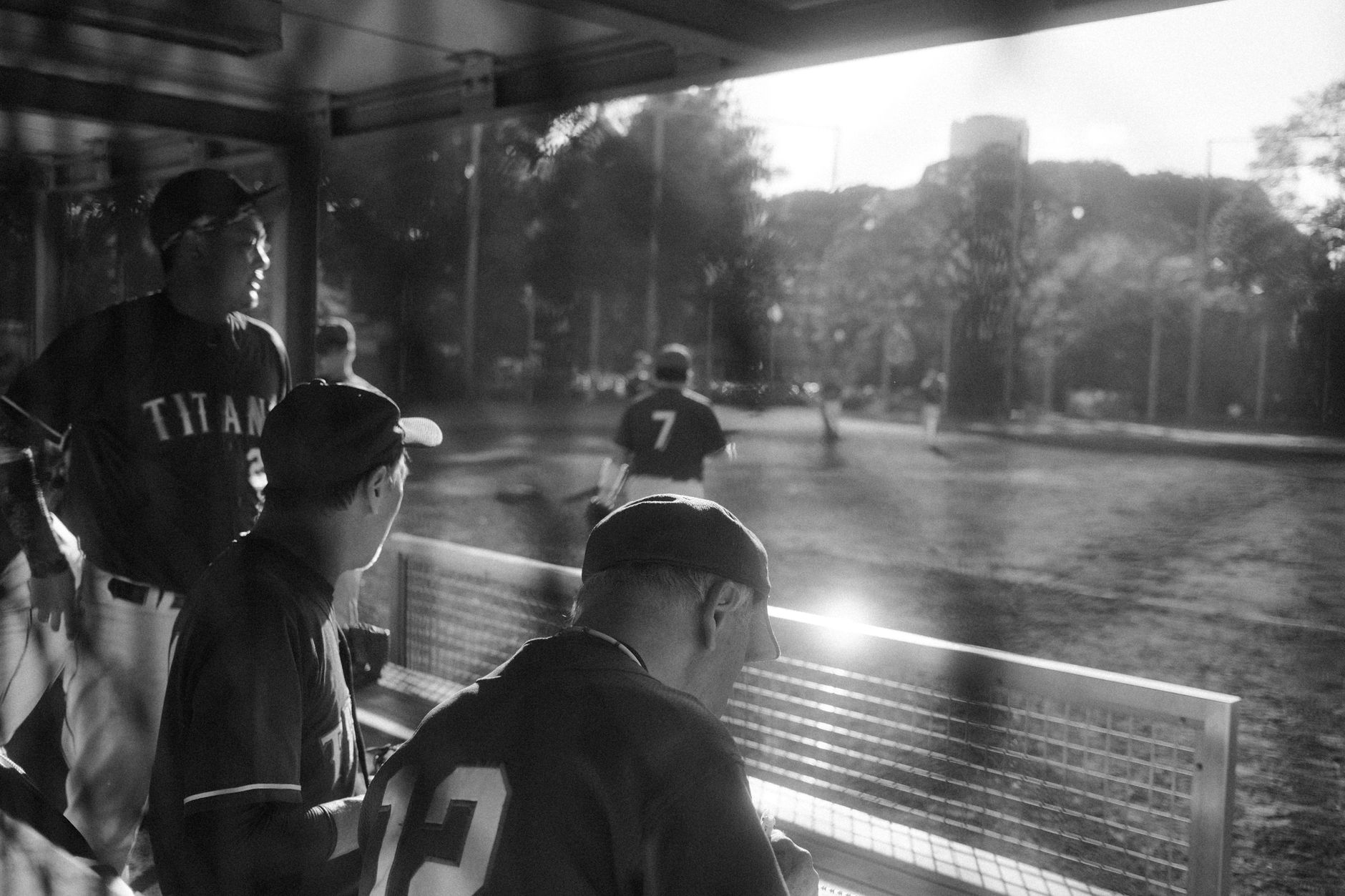
Baseball is the only major team sport built around failure. A hitter who succeeds three times in ten is excellent. Seven times out of ten, the best players in the world walk back to the dugout having failed.
Young players are rarely prepared for that. Most who struggle in travel ball are not limited by mechanics — they are limited by what happens in their head after things go wrong.
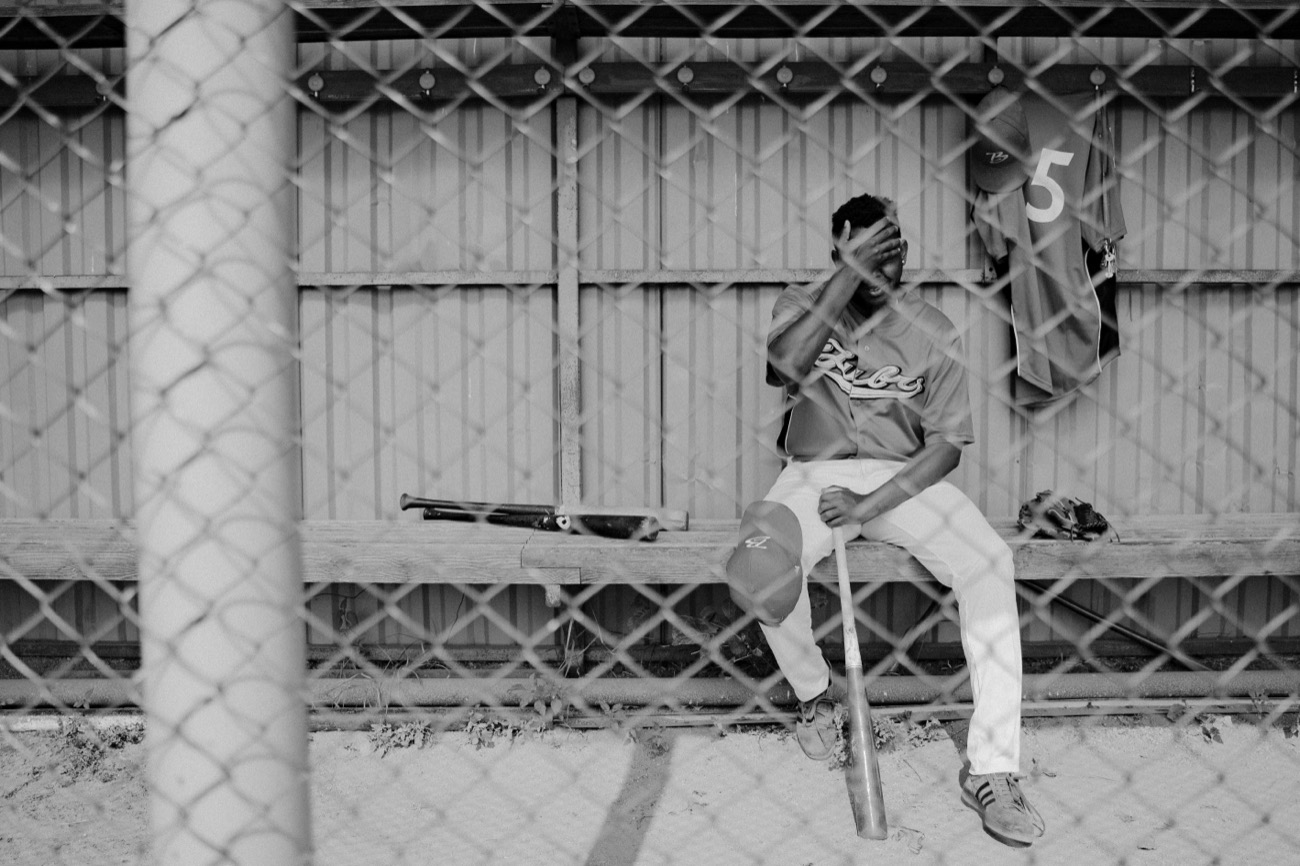
Why Baseball Is Uniquely Hard Mentally
| Feature | Effect on a young player |
|---|---|
| Failure is the norm | Success rates that would be unacceptable elsewhere |
| Long gaps between actions | Time to replay the last mistake |
| Individual moments, public setting | Errors happen alone, in front of everyone |
| Results lag effort | Good at-bats can produce outs |
| Statistics are visible | Averages follow players around |
That fourth row causes the most damage. A player can do everything right — good approach, hard contact — and still make an out. Learning that process and outcome are different is the single most valuable mental skill in the sport.
The Reset: A Skill You Can Teach
The most useful thing a young player can learn is a short, physical routine for closing a bad moment.
- Allow the frustration — about two seconds. Suppressing it does not work.
- Exhale deliberately. One long breath out lowers arousal measurably.
- Use a physical cue — tap the glove, adjust the cap, step toward position.
- Refocus on the next pitch with one specific thought, not a review.
The cue matters because it gives the brain a defined endpoint. Without one, players carry an error into the next three pitches — which is how one mistake becomes an inning.
You get two seconds to be angry. Then it is the next pitch, and the next pitch is the only one you can do anything about.
WAR Baseball coaching staff

Building Confidence That Survives a Bad Day
Most young players build confidence on results. That works beautifully until it does not — and in baseball, it always eventually does not.
| Outcome confidence | Process confidence |
|---|---|
| Based on recent results | Based on preparation and approach |
| Collapses during a slump | Survives a slump |
| “I’m hitting well right now” | “I’m taking good swings at good pitches” |
| Fragile under pressure | Stable under pressure |
| Encourages mechanical tinkering | Encourages patience |
Sport psychology consistently favours process confidence, and it is teachable. The practical shift is in what gets praised. Praising a hard-hit ball that was caught, and questioning a lucky bloop single, teaches a player what actually matters.
Working Through a Slump
Slumps are inevitable. Most get worse because of how they are handled.
- Stop changing mechanics. Most slumps are timing and confidence, and tinkering adds a second problem.
- Shrink the goal. Aim for hard contact, not hits — the player controls one.
- Reduce input. Three people offering advice guarantees a longer slump.
- Return to a familiar routine rather than searching for a new one.
- Check for fatigue. Slumps often coincide with heavy tournament stretches — see our tournament fuelling guide.
Coaches should resist the urge to fix it visibly. A player who sees adults panicking concludes there is something serious to panic about.
It also helps to name the timescale. Telling a player that slumps typically last a couple of weeks, and that every professional hitter has them annually, converts an alarming experience into a normal one. Much of the distress comes from believing the slump is permanent.
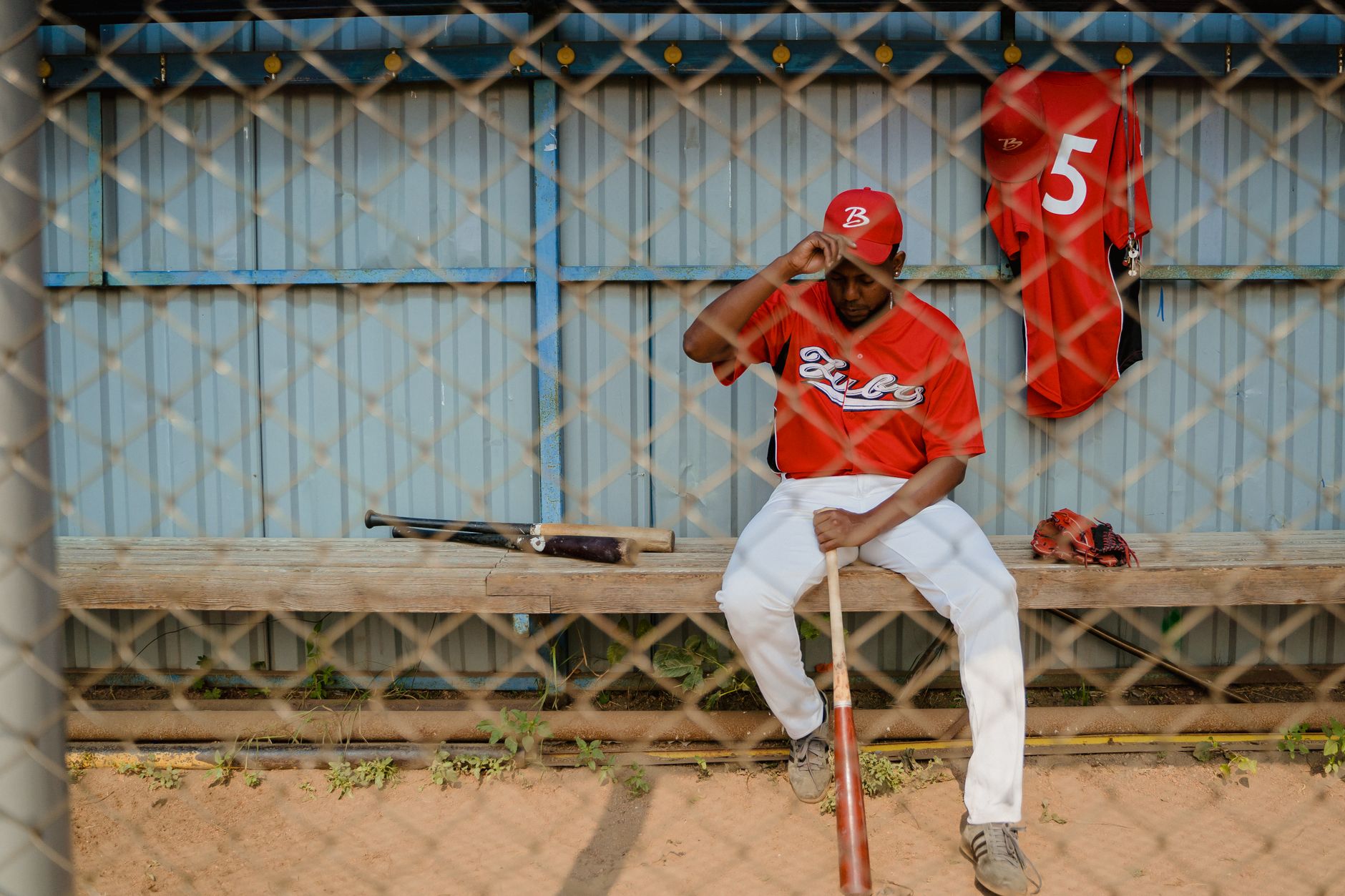
Mental Rehearsal Actually Works
This is one of the better-supported findings in applied sport psychology. Athletes who mentally rehearse specific scenarios — a strikeout, an error, bases loaded — recover faster when those situations occur for real.
It is simple to practise. Before a game, a player spends a couple of minutes imagining a difficult moment and their response to it. The point is not to visualise success; it is to have already decided how to respond to failure.
Self-talk works similarly. Research distinguishes instructional self-talk, which improves technical execution under pressure, from motivational self-talk, which builds confidence. Both beat the unstructured internal commentary most players run by default.
The Association for Applied Sport Psychology publishes accessible material on these techniques for coaches and parents.
What Parents Should and Should Not Do
| Unhelpful | Helpful |
|---|---|
| Post-game analysis in the car | “I love watching you play” |
| Tracking their statistics closely | Asking whether they enjoyed it |
| Visible disappointment after an out | Neutral body language |
| Comparing them to teammates | Comparing them only to themselves |
| Extra practice after a bad game | Rest, food, and a change of subject |
Parental pressure is among the largest sources of performance anxiety in youth sport, and it is almost always well-intentioned. Our travel baseball parent guide goes further on this, including the car ride home.
The Long View
The mental skills baseball demands — resetting after failure, separating effort from outcome, performing when it matters — outlast the sport itself.
Most players will not play professionally, and few will play in college. But a teenager who learns to fail publicly, reset, and keep competing has been given something genuinely valuable, whatever they do next.
That is a large part of why we coach the way we do. Our staff has played at levels where failure was routine and the response to it decided careers. If you want your player in that environment, come to a tryout.
Frequently Asked Questions
Why is baseball so mentally difficult?
Failure is built into the structure of the game. A hitter who succeeds three times in ten is excellent, which means even elite players fail most of the time. Baseball also has long gaps between actions, giving players time to think about the last mistake.
How do you help a young player through a slump?
Shift attention from results to process — quality of at-bats, contact, approach. Slumps deepen when a player’s confidence depends on outcomes. Reduce mechanical tinkering, which usually makes it worse.
What should a player do immediately after making an error?
A short physical reset works well: allow a couple of seconds of frustration, exhale, then a deliberate physical cue — a glove tap or a step toward position — signalling that the play is over. The next pitch is the only one that matters.
How can parents help with the mental side of baseball?
Mostly by lowering the stakes. Avoid post-game analysis, do not tie approval to performance, and keep home a place where results do not follow. Parental pressure is one of the largest sources of performance anxiety in youth sport.
Does mental training actually work in baseball?
Yes. Structured routines, self-talk and mental rehearsal are well-supported in sport psychology research, and athletes who rehearse failure scenarios recover faster in real games. It is a trainable skill, not a fixed trait.
Develop the Whole Player
WAR Baseball coaches the mental side alongside the physical. See upcoming tryouts for 13U through 17U in Tallahassee.