
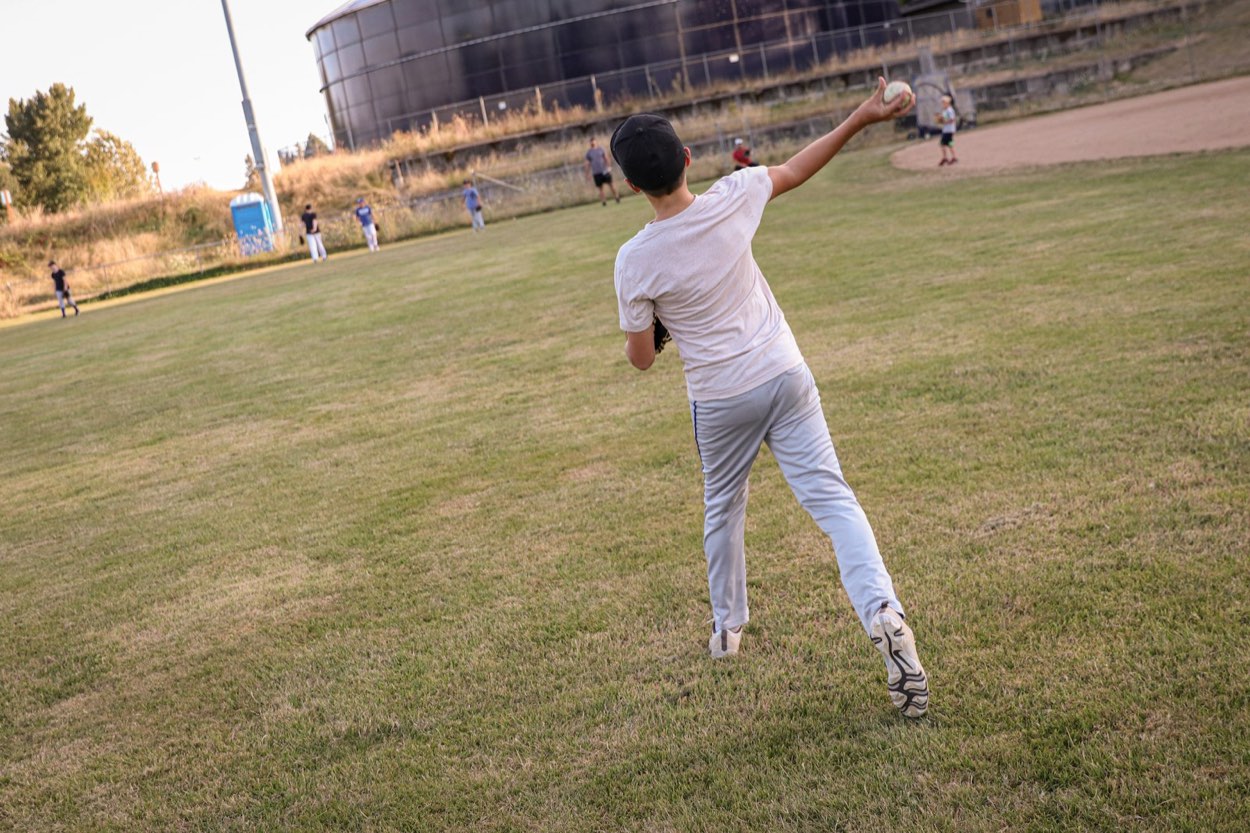
Roughly one person in ten is left-handed. In baseball that fact reshapes a player’s entire development path — closing several doors and opening two unusually valuable ones.
If you have a left-handed player, knowing this early avoids years spent working toward positions they will never hold.
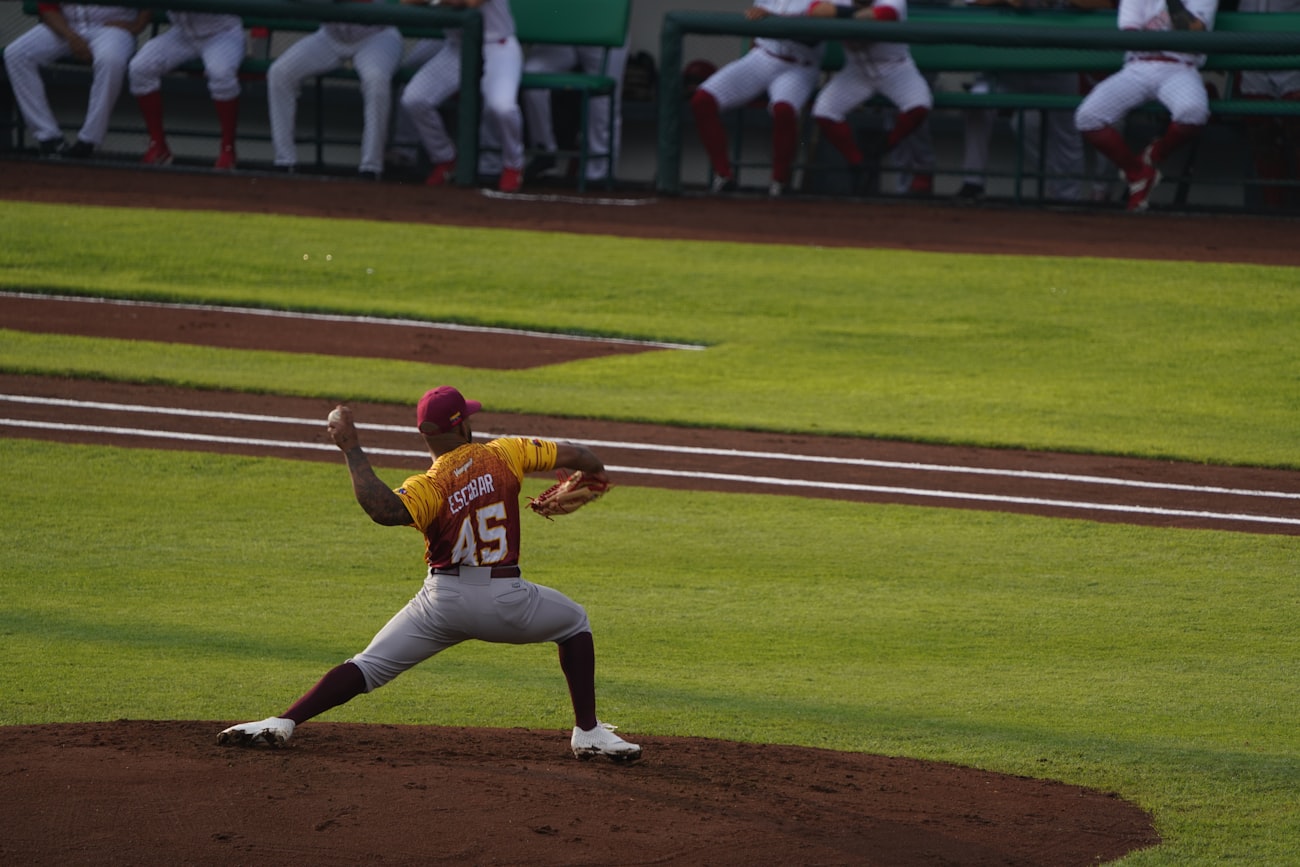
Which Positions Are Open
| Position | Left-handers? | Why |
|---|---|---|
| Pitcher | Strongly favoured | Scarcity; hitters see fewer of them |
| First base | Favoured | Glove nearer the infield; better angles |
| Left field | Equal | No handedness disadvantage |
| Centre field | Equal | No handedness disadvantage |
| Right field | Equal | No handedness disadvantage |
| Catcher | Effectively closed | Throws to third and tags are awkward |
| Second base | Effectively closed | Must turn the wrong way to throw to first |
| Third base | Effectively closed | Footwork on the throw across is unworkable |
| Shortstop | Effectively closed | Same footwork problem, more often |
The closed positions all share the same cause: the throw to first base. A right-handed infielder fields and throws in one motion; a left-hander has to turn their body away from the target first, which costs time on every play.
Why Left-Handed Pitching Is So Valuable
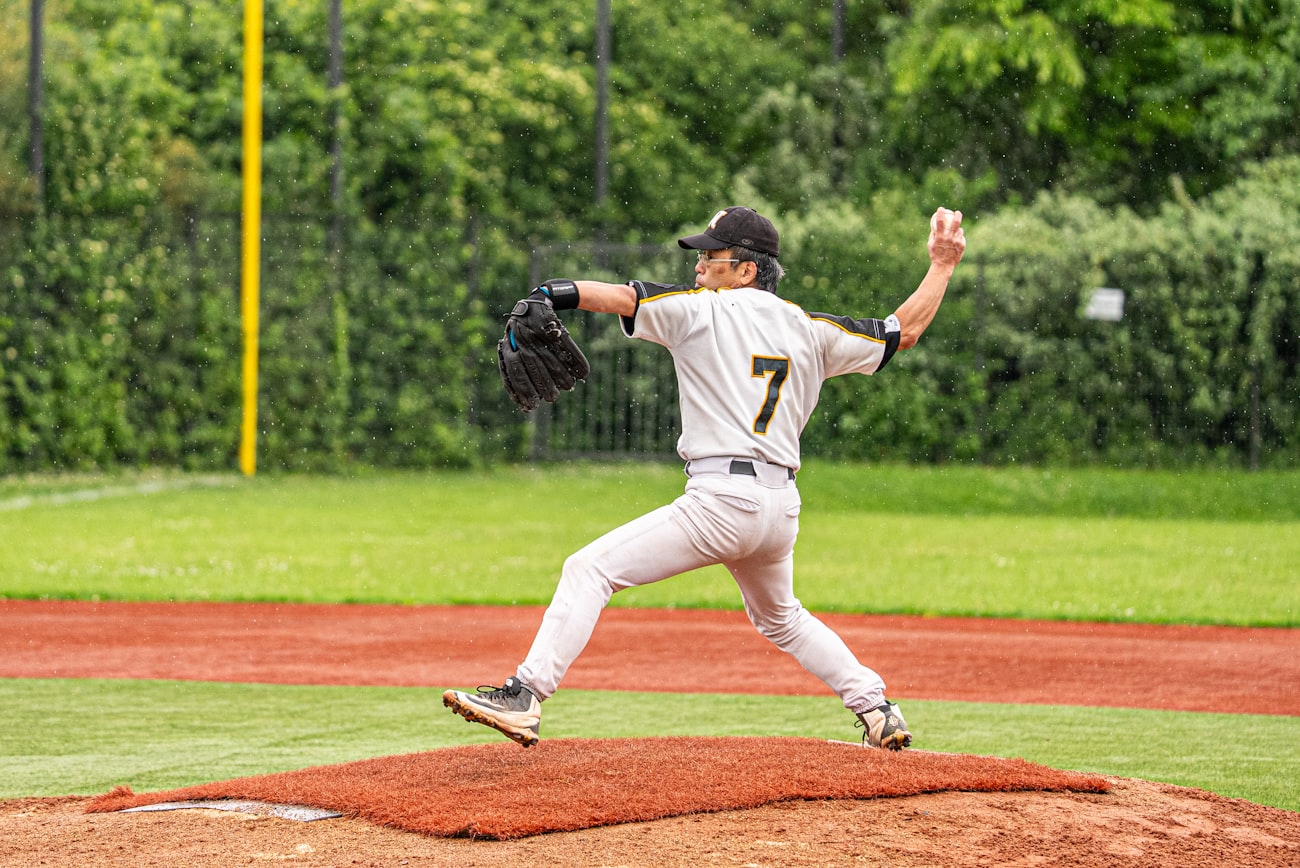
This is the biggest advantage available to a left-handed player, and it is worth understanding clearly.
- Scarcity. Most pitchers are right-handed, so hitters get far fewer repetitions against left-handed deliveries.
- Angle. Breaking balls from the left side move differently to what hitters are used to seeing.
- Matchups. Left-handed pitchers are particularly effective against left-handed hitters.
- Holding runners. A left-hander faces first base from the stretch, making pickoffs far easier.
- Demand. Programs at every level are consistently short of them.
A left-hander who throws strikes will always find a roster. That is close to the only guarantee in youth baseball.
WAR Baseball coaching staff
The practical implication: a left-handed player with any arm at all should be given a genuine chance to pitch. The demand relative to supply is unlike anything else in the sport, and it is one of the clearest levers in college recruiting.

First Base
The only infield position that actively favours left-handers, for reasons that are mechanical rather than traditional.
| Situation | Left-handed advantage |
|---|---|
| Receiving throws | Glove hand is nearer the infield — better reach |
| Picking throws in the dirt | Better angle on the scoop |
| Fielding a bunt | Can throw to second or third without spinning |
| Throwing to second on a double play | Body already oriented correctly |
| Holding a runner | Tag applied on the natural side |
This matters for a young left-hander who is not a pitcher. First base is a genuine home rather than a consolation, and it is worth learning properly — see our infield defense guide.

Hitting Left-Handed
| Advantage | Disadvantage |
|---|---|
| About five feet closer to first base | Faces left-handed pitching less often in practice |
| Momentum carries toward first out of the box | Struggles more against left-handed pitchers |
| Better sight line against right-handed pitchers | Fewer coaches experienced with lefty swings |
| Favourable in most matchups by frequency | Defences shift against pull-heavy left-handers |
The five-foot head start is real and shows up on close plays and infield hits, which is part of why speed pairs so well with left-handed hitting — see our speed guide.
Right-Handed Players Who Hit Left
Worth knowing: throwing hand and batting side do not have to match. A number of players throw right-handed and hit left-handed, which combines a right-hander’s positional freedom with a left-handed hitter’s advantages.
For a young player who has not settled, this is sometimes worth trying early. It is a difficult change after about age twelve, and rarely worth forcing on a player who is already comfortable.
Developing a Left-Handed Player
- Try pitching. The demand is high enough that it warrants a genuine look.
- Learn first base properly rather than treating it as where lefties get put.
- Play the outfield — fully open, and centre field remains a premium position.
- Do not chase closed positions. Time spent on shortstop footwork is wasted.
- Find a coach who has worked with left-handers, particularly for pitching mechanics — see our instructor guide.
The fourth point saves years. A left-handed twelve-year-old determined to play shortstop is working toward something that closes permanently, and redirecting that effort toward the mound or first base is a kindness rather than a limitation.
Common Myths
| Claim | Reality |
|---|---|
| “Lefties are naturally better hitters” | No — the advantage is positional and situational |
| “A lefty can play anywhere in the outfield” | True, and worth using |
| “Left-handed catchers just need to work harder” | The footwork problem is structural |
| “Being left-handed guarantees a scholarship” | It helps for pitchers; it guarantees nothing |
| “You should switch a lefty to throw right” | No — never worth attempting |
The last row occasionally still comes up and is worth dismissing plainly. Throwing hand is not something to change, and attempting it costs a player years for no benefit.
The Recruiting Picture
Handedness affects recruiting more than most families realise, and almost entirely in the left-hander’s favour if they pitch.
Recruiting organisations such as Baseball Factory consistently note the demand for left-handed pitching relative to supply. A left-hander sitting a few miles per hour below a right-handed peer often draws comparable interest.
For left-handed position players the picture is more ordinary — first base and corner outfield are bat-first spots, so hitting has to carry the profile, as our bat speed guide and positions guide both set out.

The Practical Summary
A left-handed player has four positions effectively closed and two unusually favourable. Working with that rather than against it is the whole strategy.
If your player is left-handed and has never pitched, that is the first thing worth trying. Our coaching staff includes a former professional pitcher, and tryouts are the straightforward way to find out what they have.
Frequently Asked Questions
What positions can left-handed players play in baseball?
Pitcher, first base and all three outfield spots. Catcher, second base, third base and shortstop are effectively closed to left-handers because the footwork on throws to first requires turning the wrong way.
Why are left-handed pitchers so valuable?
Scarcity and unfamiliarity. Most pitchers are right-handed, so hitters see far fewer left-handed deliveries, and breaking balls from that angle are harder to pick up. A left-hander with command is recruited disproportionately.
Is first base better for a left-handed player?
Yes — it is the only infield position that genuinely favours left-handers. The glove is on the right hand, which is nearer the infield, giving better angles on throws in the dirt and letting them throw to second or third without spinning.
Do left-handed hitters have an advantage?
Some. They stand about five feet closer to first base and their momentum carries that way, and they see the ball better against the more common right-handed pitcher. They face a disadvantage against left-handed pitching.
Should a left-handed player learn to catch?
Generally no. Left-handed catchers are extremely rare because throws to third and tags at the plate are awkward, and there is little developmental benefit in pursuing it.
Left-Handers Wanted
WAR Baseball is always looking for left-handed pitching across 13U through 17U. Come and get evaluated in Tallahassee.