
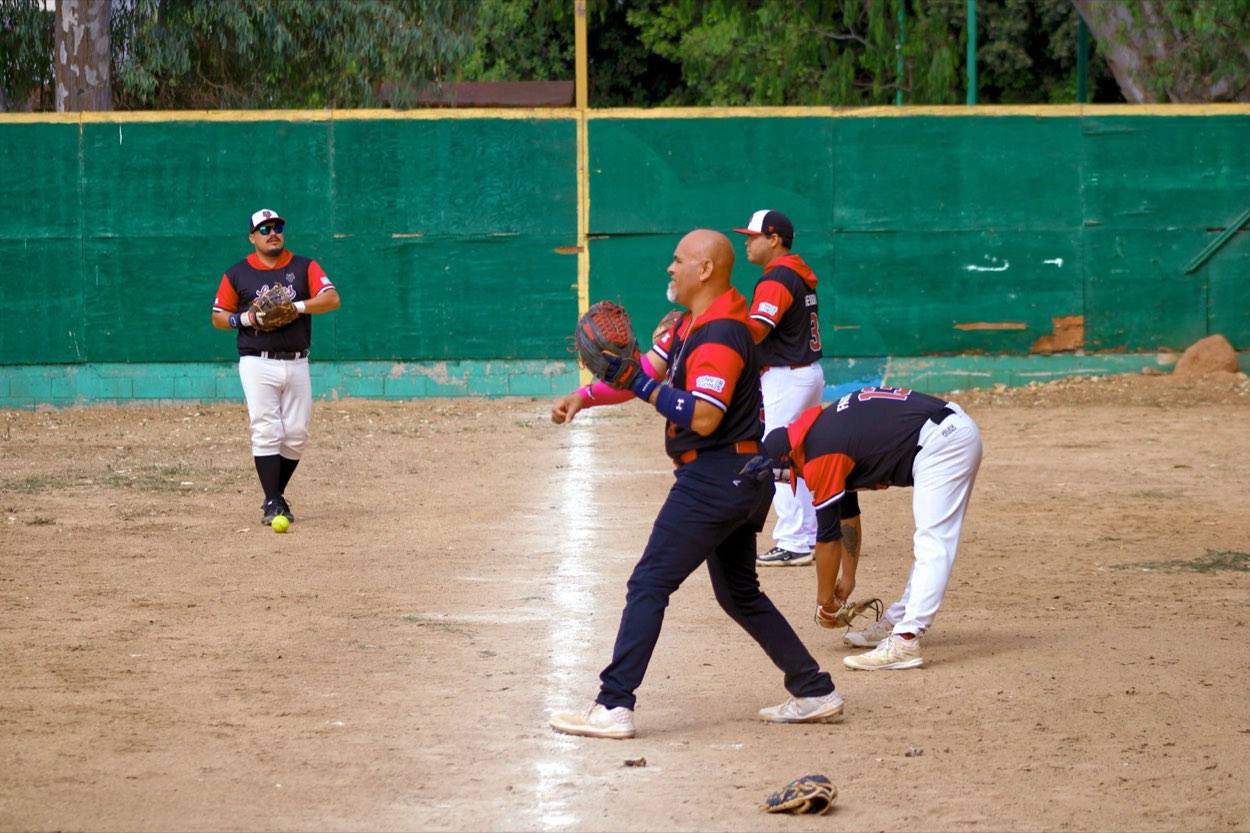
Ask a coach why a young infielder struggles and you will usually hear something about hands. Ask them to watch closely and they will nearly always find the problem is feet.
Infield defense is a footwork skill with a glove attached. Here is the sequence that produces consistent defenders, and the drills that actually transfer to games.
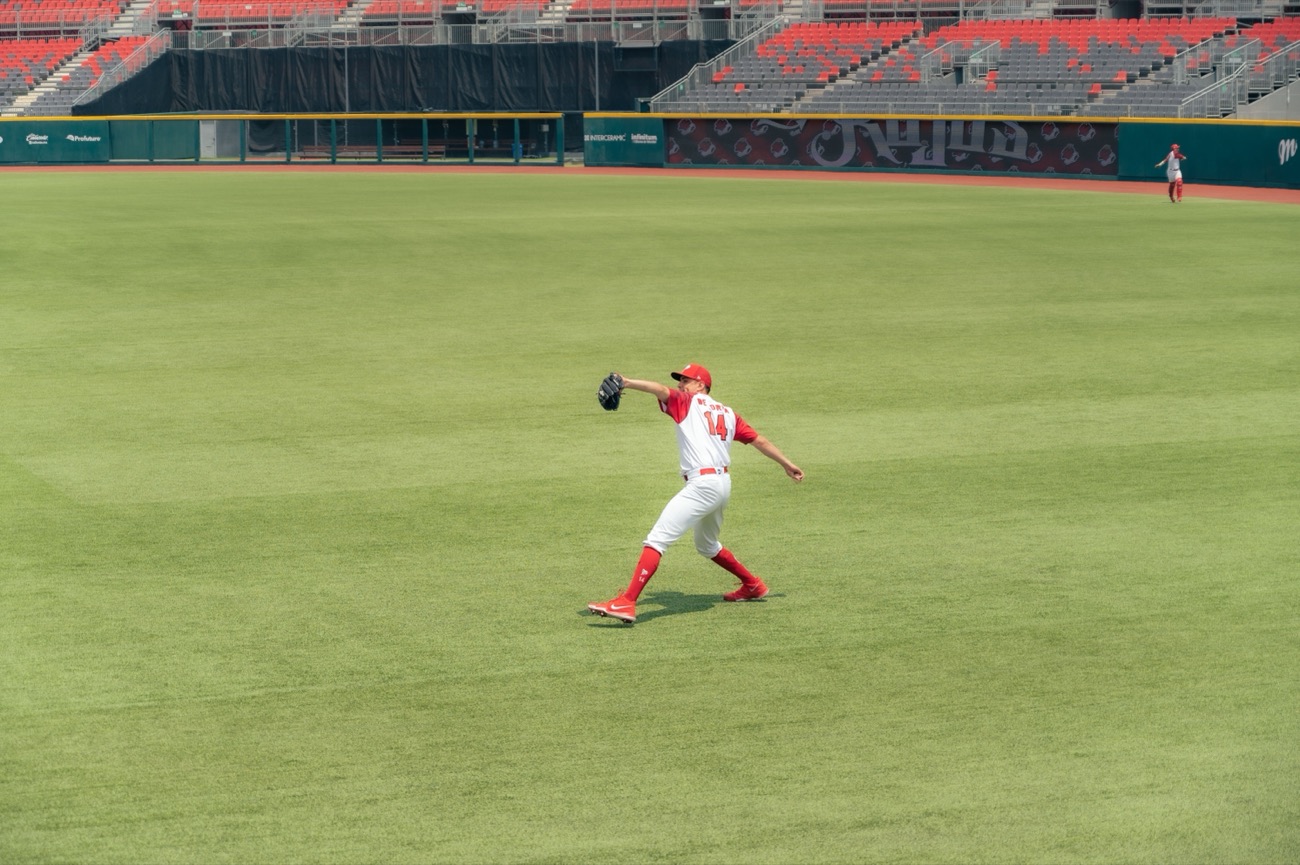
The Four Stages of a Ground Ball
| Stage | What happens | Common error |
|---|---|---|
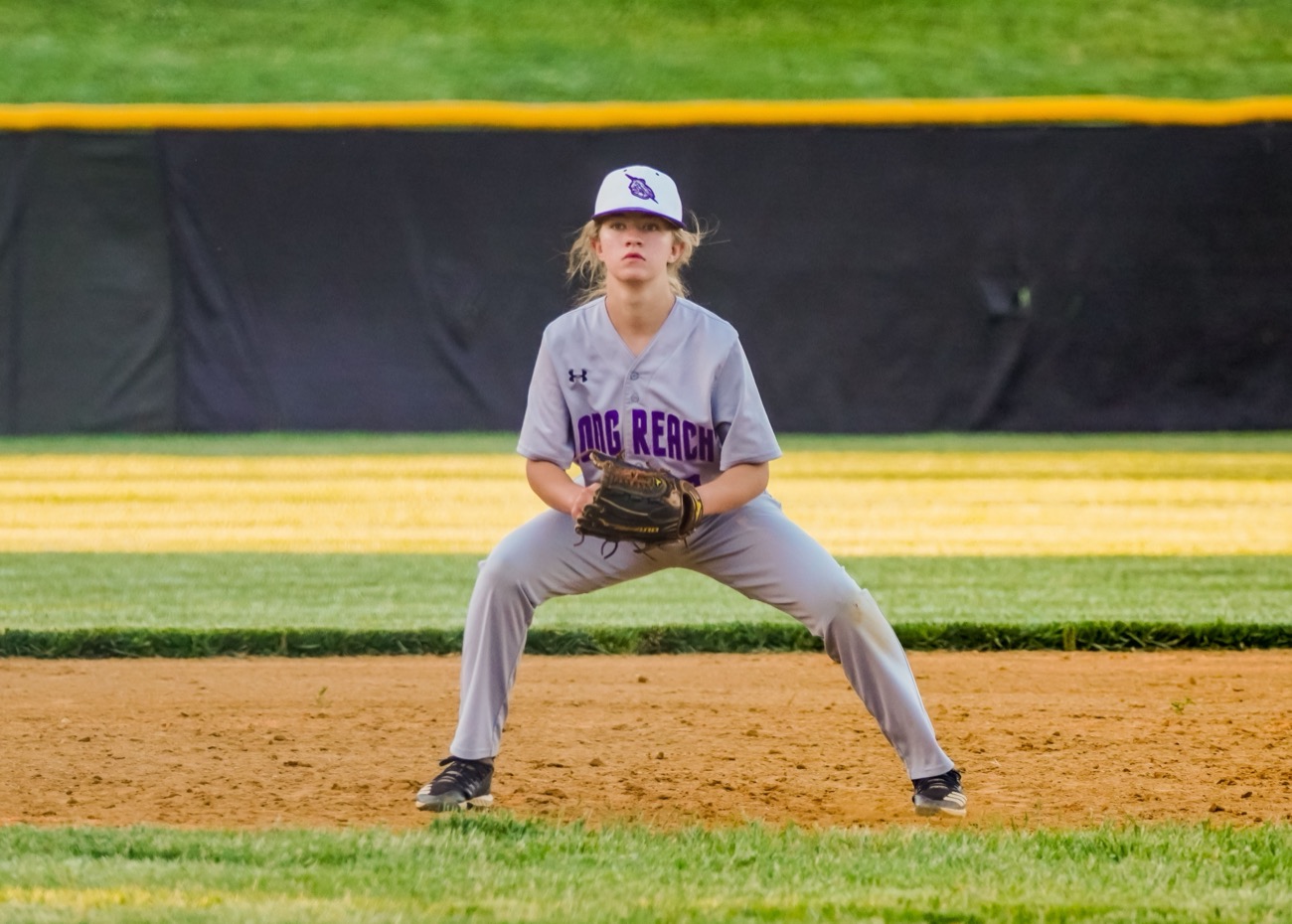
| Ready position | Athletic stance, weight on the balls of the feet, moving as the pitch arrives | Standing flat, heels down |
| Approach | Move through the ball, controlling the hop | Waiting; letting the ball play you |
| Fielding triangle | Feet and glove form a triangle, ball fielded out front | Fielding under the body |
| Exit footwork | Momentum carries into the throw | Fielding then stopping, then throwing |
The approach is where most youth infielders lose plays. Staying back turns a routine hop into an in-between one and hands the runner extra time. Good infielders move toward the ball and pick the hop they want.
Field the Ball Out Front
Fielding out in front rather than under the body does three things at once.
- You see the ball into the glove instead of losing it under your chin.
- Your body is already moving toward your target.
- A bad hop can be adjusted to, rather than hitting you in the chest.
The ‘fielding triangle’ is the simplest way to teach it — the two feet and the glove form a triangle with the glove at the front point. If the glove is level with the feet, the ball is too close.
Ninety per cent of what looks like bad hands is a fielder in the wrong place. Fix the feet and the hands usually look fine.
WAR Baseball coaching staff
Footwork Into the Throw
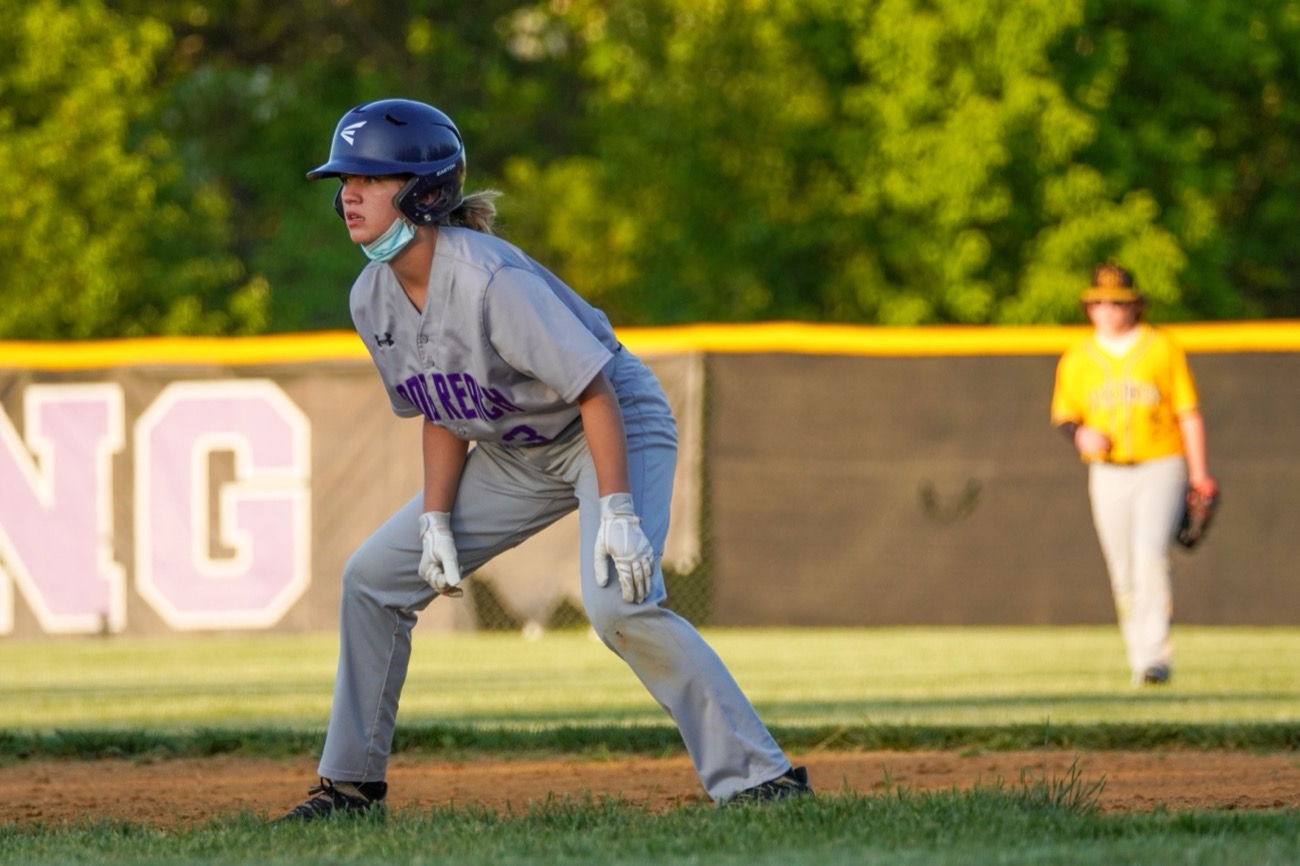
Fielding cleanly and then losing the runner on a slow transfer is one of the most common youth defensive failures. Two footwork patterns cover most situations.
| Pattern | When to use | Why |
|---|---|---|
| Shuffle | Short throws, quick plays | Faster; keeps momentum without a big move |
| Crow hop | Deeper plays, longer throws | Builds momentum and arm strength into the throw |
| Replace step | Backhand plays | Repositions the feet to throw across the body |
| Underhand toss | Very short flips to a base | Faster than a throw inside about 15 feet |
The rule of thumb: momentum should always be moving toward the target when the ball leaves the hand. A fielder throwing while drifting away loses accuracy and velocity at once.
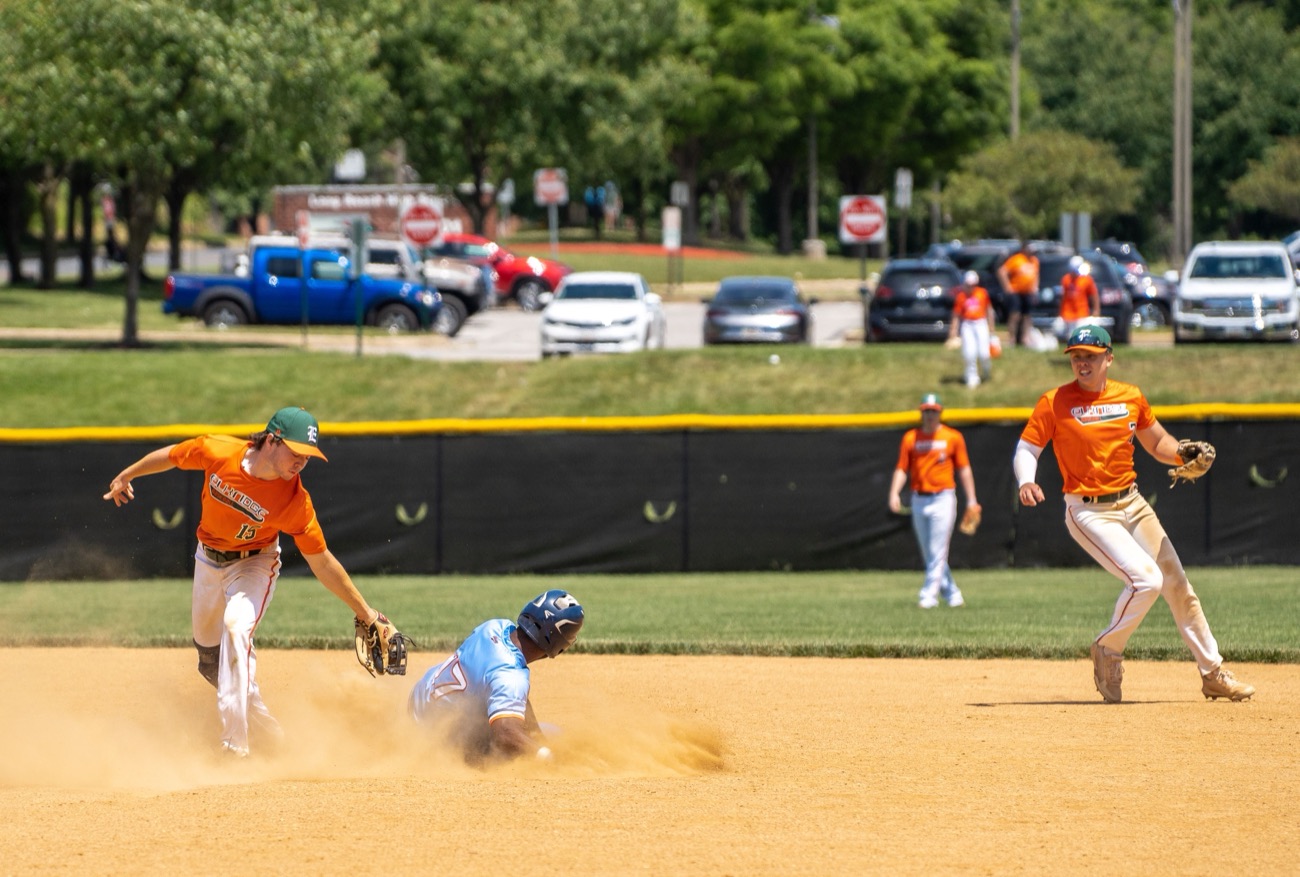
Reading the Hop
The skill that separates good infielders from adequate ones is choosing which hop to field rather than accepting whichever one arrives.
| Hop | What to do | Why |
|---|---|---|
| Long hop | Field it — the ball is on its way down | Predictable and easy to read |
| Short hop | Attack it; glove out front, soft hands | The ball has not had time to deviate |
| In-between hop | Avoid — adjust footwork to turn it into another | The hardest ball in baseball |
| Bad hop | Get the body in front; keep it close | Blocking beats missing |
Players cannot control the bounce, but they can control their timing into it. Moving forward lets a fielder take a short hop; standing still turns the same ball into an in-between hop.
Position-Specific Demands
| Position | Distinguishing skill | Focus in practice |
|---|---|---|
| First base | Receiving throws, footwork around the bag | Picks and scoops in the dirt |
| Second base | Double-play turns, backhand feeds | Quick transfer, footwork at the bag |
| Shortstop | Range both directions, arm across the diamond | Backhands, deep-in-the-hole throws |
| Third base | Reaction time, hard-hit balls | Short-hop work, staying down |
| Pitcher | Comebackers, covering first | Fielding position after release |
Third base is worth a note. The reaction time is genuinely short, and a young player who flinches will struggle regardless of technique. It suits players who do not mind the ball — which is part of why we suggest trying several positions, as our guide to baseball positions explains.
Drills That Transfer
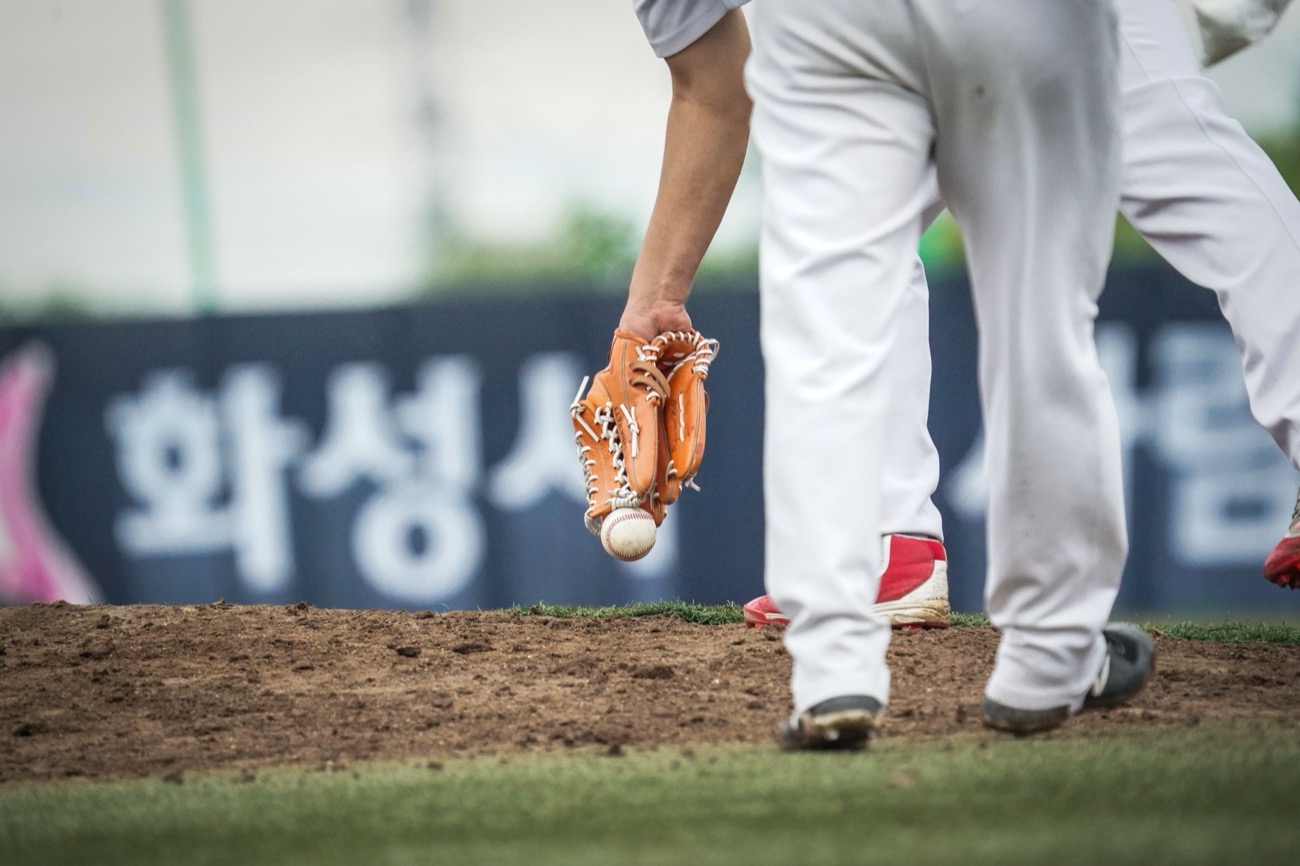
| Drill | What it builds | Notes |
|---|---|---|
| Short hops (kneeling) | Hands and reactions | Soft ball first; high volume |
| Bare-hand grounders | Soft hands, using two hands | Roll slowly; safety first |
| Cone footwork line | Approach and angles | Field at each cone in an athletic stance |
| Infield line drill | Full sequence, game speed | Field, transfer, throw to a target |
| Backhand progression | Range to the glove side | Start stationary, add movement |
| Double play feeds | Transfer speed under pressure | Middle infielders, both directions |
Volume matters more than variety here. A hundred controlled ground balls beats twenty of six different drills — the repetitions are what build the pattern.
The American Baseball Coaches Association publishes coaching material on defensive fundamentals worth reading if you are running practices yourself.
Communication
The most undercoached part of infield defense is talking, and it costs runs at every youth level.
- Call every pop-up loudly and repeatedly — ‘ball, ball, ball’.
- The player calling it off has priority; everyone else peels away.
- Outfielders have priority over infielders on shallow fly balls.
- Know the number of outs and where the play is before the pitch.
- Talk between pitches — remind each other of the situation.
Knowing the play before the ball is hit is what separates a good defender from a fast one. It is the same situational awareness that shows up in baserunning and gets noticed at any tryout.
Where to Start
If a young infielder is inconsistent, work in this order: ready position, then approach, then glove position, then exit footwork. Fixing the feet first usually resolves what looked like a hands problem.
Defensive repetitions are also cheap. Unlike hitting, ground balls require one person, a glove and a bit of flat ground — which makes infield work one of the highest-value things a player can do independently between practices.
Our coaching staff runs defensive work at every practice, and evaluates footwork and actions at tryouts alongside arm and bat.
Frequently Asked Questions
What are the fundamentals of fielding a ground ball?
Four stages: ready position before the pitch, an approach through the ball, the fielding triangle (two feet and the glove forming a base of support out front), and exit footwork into the throw. Footwork matters at least as much as hands.
Why do infielders field the ball out in front?
It lets the fielder see the ball into the glove, keeps the body moving toward the target, and leaves room to adjust on a bad hop. Fielding under the body removes all three advantages.
What is a crow hop and when do you use it?
A crow hop is a short hop onto the back foot that builds momentum toward the target before a longer throw. Infielders use it on deeper plays; on short throws a quick shuffle is faster.
How can a young infielder improve their hands?
Volume of controlled repetitions, short-hop work with a soft ball, and bare-hand drills. Most ‘bad hands’ are actually poor footwork putting the fielder in a bad position.
What is the most common youth infield mistake?
Waiting on the ball rather than attacking it. Staying back turns an in-between hop into a difficult one and gives the runner extra time. Good infielders move through the ball.
Get Your Defense Evaluated
WAR Baseball coaches evaluate footwork, hands and arm strength at tryouts. See upcoming dates for 13U through 17U in Tallahassee.