
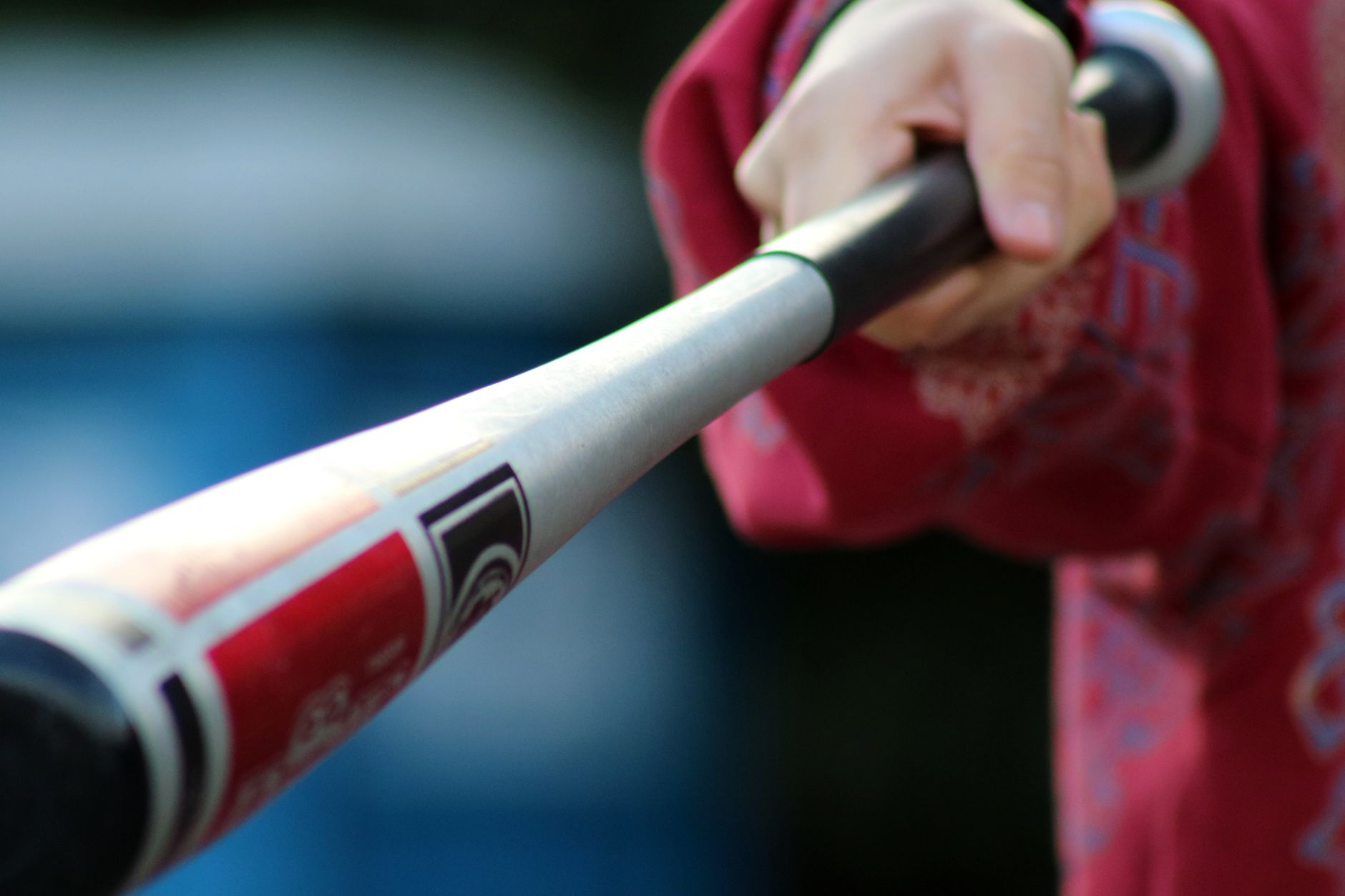
Few things confuse baseball families more than bat certifications. Three competing standards, different stamps, and rules that change the year your player moves up.
Buy the wrong one and it is not a minor problem — an illegal bat gets pulled from the game. Here is what each standard means and how to choose correctly.
The Three Standards
| BBCOR (.50) | USSSA (1.15 BPF) | USA Bat | |
|---|---|---|---|
| Where required | High school and college | Most travel and select ball | Most rec leagues |
| Max barrel | 2⅝ in | Up to 2¾ in | 2⅝ in (varies) |
| Drop weight | -3 only | -5 to -12 | No drop restriction |
| Performance | Wood-like, strictly capped | Highest of the three | Wood-like, strictly capped |
| Stamp to look for | “BBCOR .50” on the taper | USSSA thumbprint mark | “USA Baseball” mark |
| Typical ages | 14 and up | 8-14 travel | T-ball through 14U rec |
The short version: USSSA bats perform best, BBCOR and USA Bat are deliberately restricted. That is not a defect — the restricted standards exist to keep exit velocities safe and put the emphasis back on hitting ability.
The official standard and an approved-model list are maintained at USA Baseball’s bat standard site.
Which Bat Does Your League Require?
| League / level | Required standard |
|---|---|
| Little League and most rec ball | USA Bat |
| USSSA travel tournaments | USSSA (1.15 BPF) |
| Perfect Game events | Varies by age — often BBCOR at 15U+ |
| Middle school | Usually BBCOR |
| High school (NFHS) | BBCOR only |
| NCAA college | BBCOR only |
Never buy a bat based on age alone. Check what your league and your tournament circuit require, because they are not always the same thing.
The one rule that prevents costly mistakes
This catches families out at 13U and 14U in particular, where a player may need a USSSA bat for travel tournaments and a BBCOR bat for middle school in the same year.
Drop Weight, Explained
Drop weight is simply length in inches minus weight in ounces. A 31-inch bat weighing 21 ounces is a -10. The larger the drop number, the lighter the bat.
| Age | Typical length | Typical drop |
|---|---|---|
| 8-10 | 27-29 in | -10 to -12 |
| 11-12 | 29-31 in | -8 to -10 |
| 13-14 | 30-32 in | -5 to -8 |
| 15+ (BBCOR) | 31-33 in | -3 only |
As players move up, drops get heavier. The jump from a -10 to a -3 BBCOR bat is a genuine shock — many players lose bat speed for a season while they build strength. Moving to a -5 or -8 at 13U eases that transition, which lines up with everything else changing during the jump to the big field.
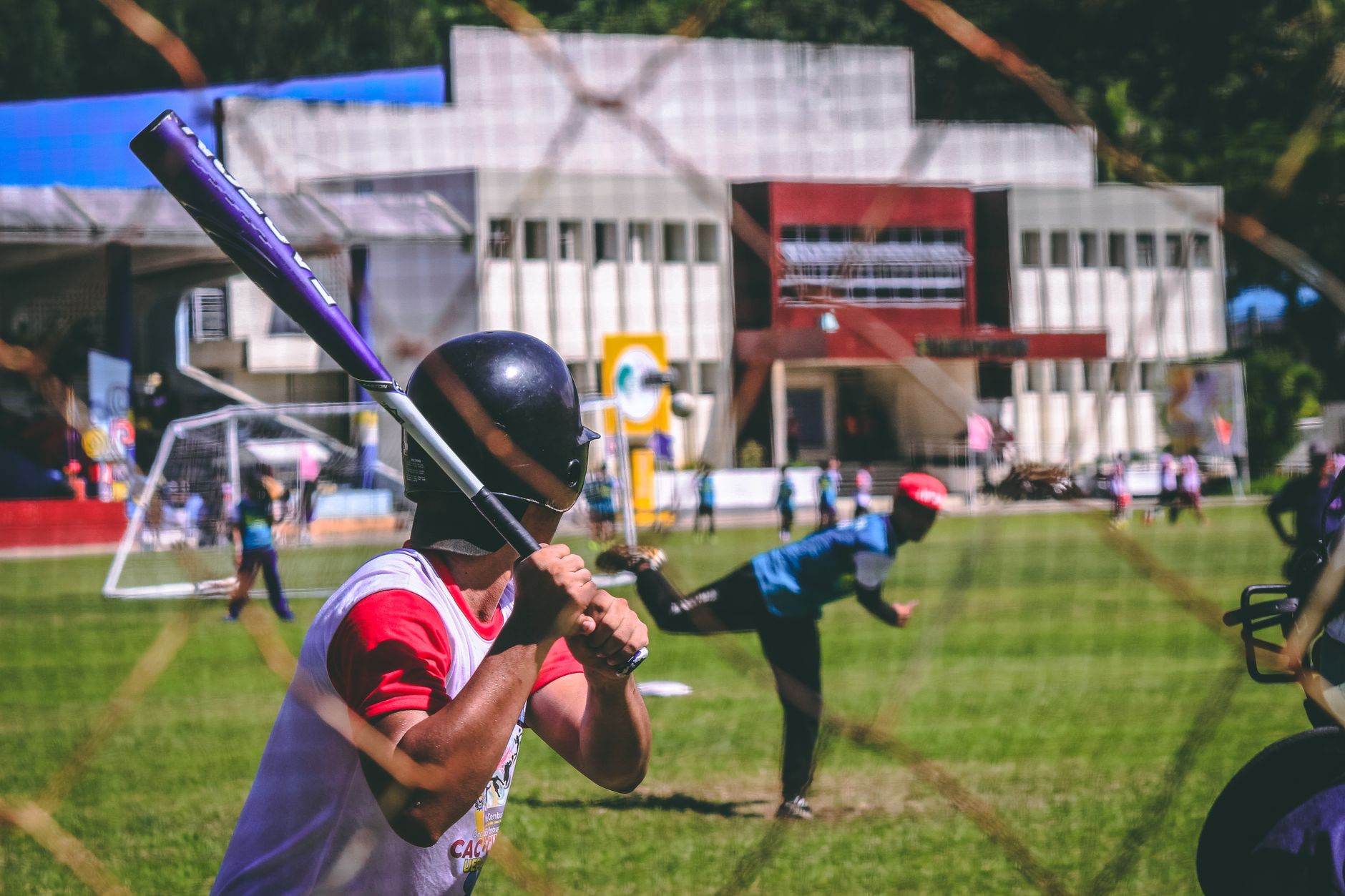
How to Size a Bat
Length is the easy part. Weight is where most families get it wrong — and swinging something too heavy does real damage to a young swing.
- The hold test: hold the bat straight out to the side, one hand, for 20 seconds. If it drops, it is too heavy.
- The plate test: in a stance, the barrel should comfortably reach the far side of the plate.
- The fatigue test: watch the last five swings of a round. If mechanics fall apart, the bat is too heavy.
- When in doubt, go lighter. Bat speed produces more exit velocity than bat weight does at youth ages.
Buying Without Overspending
| Strategy | Typical saving | Trade-off |
|---|---|---|
| Buy last season’s model | $100 – $250 | Essentially none — performance is nearly identical |
| One-piece alloy over composite | $150 – $300 | Less forgiving feel, but very durable |
| Quality used bats | $100 – $200 | Check for dents, rattles and stamp legibility |
| Buy in the off-season | $50 – $150 | Requires planning ahead |
Composite bats also need breaking in — roughly 150-200 hits off a tee and front toss, rotating the barrel slightly each swing. And they should not be used in cold weather, which can crack the barrel.
Alloy vs Composite, Balanced vs End-Loaded
Two more choices sit underneath the certification question, and both affect how a bat feels far more than the price does.
| Choice | Best for | Trade-off |
|---|---|---|
| Alloy (aluminium) | Contact hitters, cold weather, durability | Smaller sweet spot |
| Composite | Larger sweet spot, less sting on mishits | Needs break-in; cracks in cold |
| Balanced swing weight | Most youth players; faster bat speed | Slightly less mass behind the ball |
| End-loaded | Stronger, physically mature power hitters | Slows bat speed if the player is not ready |
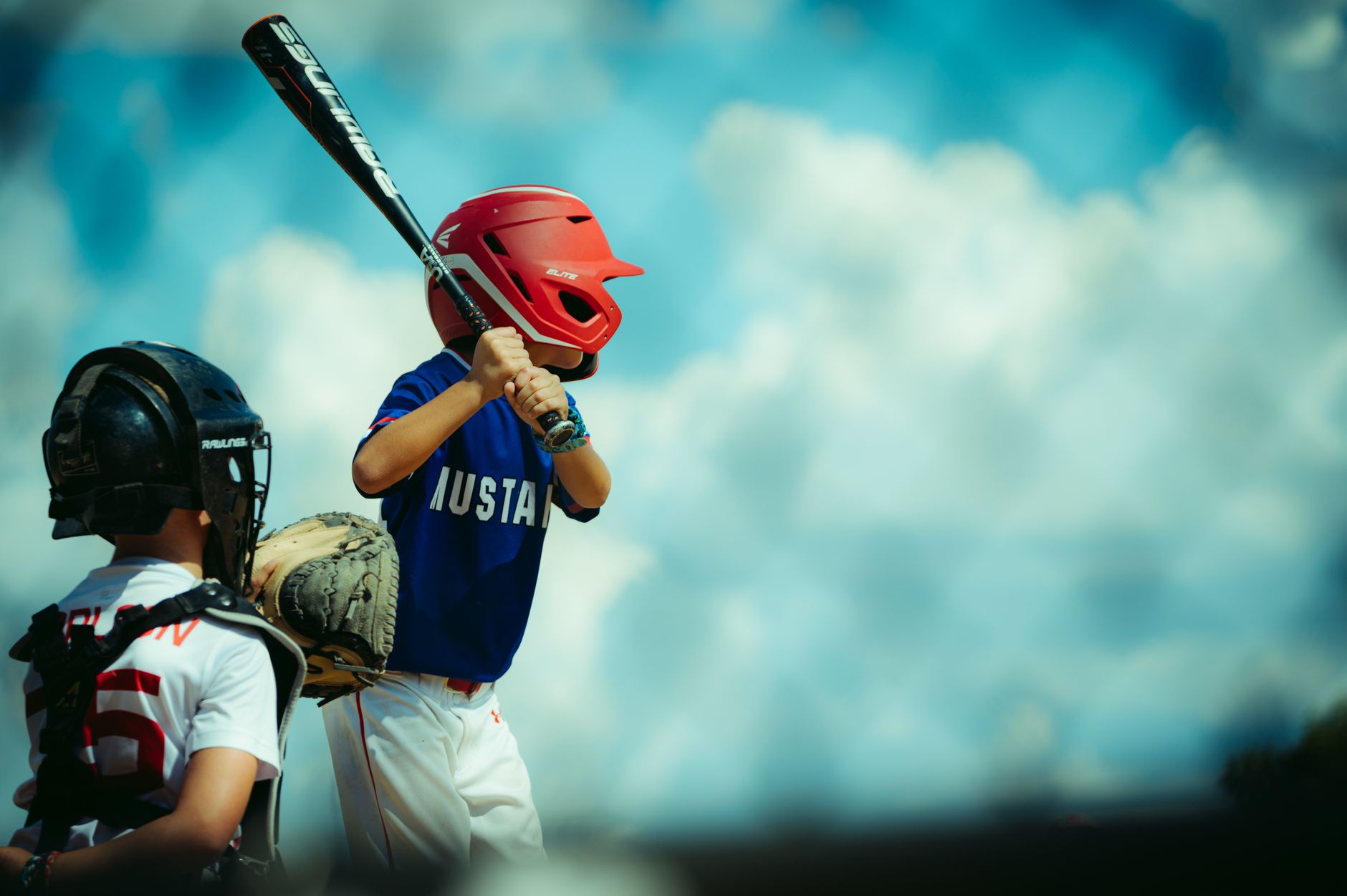
For the overwhelming majority of youth players, a balanced alloy or composite bat is the right answer. End-loaded models suit a small number of physically developed hitters and quietly hurt everyone else by slowing the swing.
Common Mistakes
- Buying for growth. A bat two inches too long for a whole season builds bad habits that outlast the bat.
- Assuming price equals performance. All bats within a standard are capped at the same performance ceiling.
- Ignoring the stamp. Check it before every season — certifications change.
- Sharing bats across standards. A USSSA bat in a high school game is an immediate ejection of the bat.
Equipment is one of the more manageable costs in travel baseball, but it adds up — our full cost breakdown puts bats in context alongside tournament fees and travel. WAR Baseball also carries official team gear and apparel.
Not sure which level your player is heading into next season? Our FAQ covers age groups, and tryouts are the fastest way to find out where they fit.
Frequently Asked Questions
What is the difference between BBCOR, USSSA and USA Bat?
They are three different performance standards. BBCOR is required for high school and college and limits bats to a -3 drop with a 2⅝-inch barrel. USSSA (1.15 BPF) allows larger barrels and lighter drops and is used in most travel ball. USA Bat has stricter, wood-like performance limits and is required by most recreational leagues.
Which bat does my child need for travel baseball?
Most travel leagues, including USSSA events, require a USSSA-stamped bat. Once a player reaches high school or plays in a BBCOR-designated division, they need BBCOR. Always confirm with your specific league or tournament before buying.
What does the drop weight on a bat mean?
Drop weight is the bat’s length in inches minus its weight in ounces. A 30-inch bat weighing 20 ounces is a -10. A larger drop number means a lighter bat. High school BBCOR bats are all -3.
Can you use a USSSA bat in high school baseball?
No. High school baseball requires BBCOR certification. A USSSA bat is illegal in high school play and will be removed from the game if discovered.
How do I size a baseball bat correctly?
Length should let the player comfortably reach the far side of the plate. Weight matters more — if a player cannot hold the bat straight out to the side for 20 seconds, or their swing slows noticeably late in a round, the bat is too heavy.
Questions About Gear or Age Groups?
Our coaching staff helps WAR families sort out bats, sizing and league requirements every season. Get in touch and we will point you the right way.