
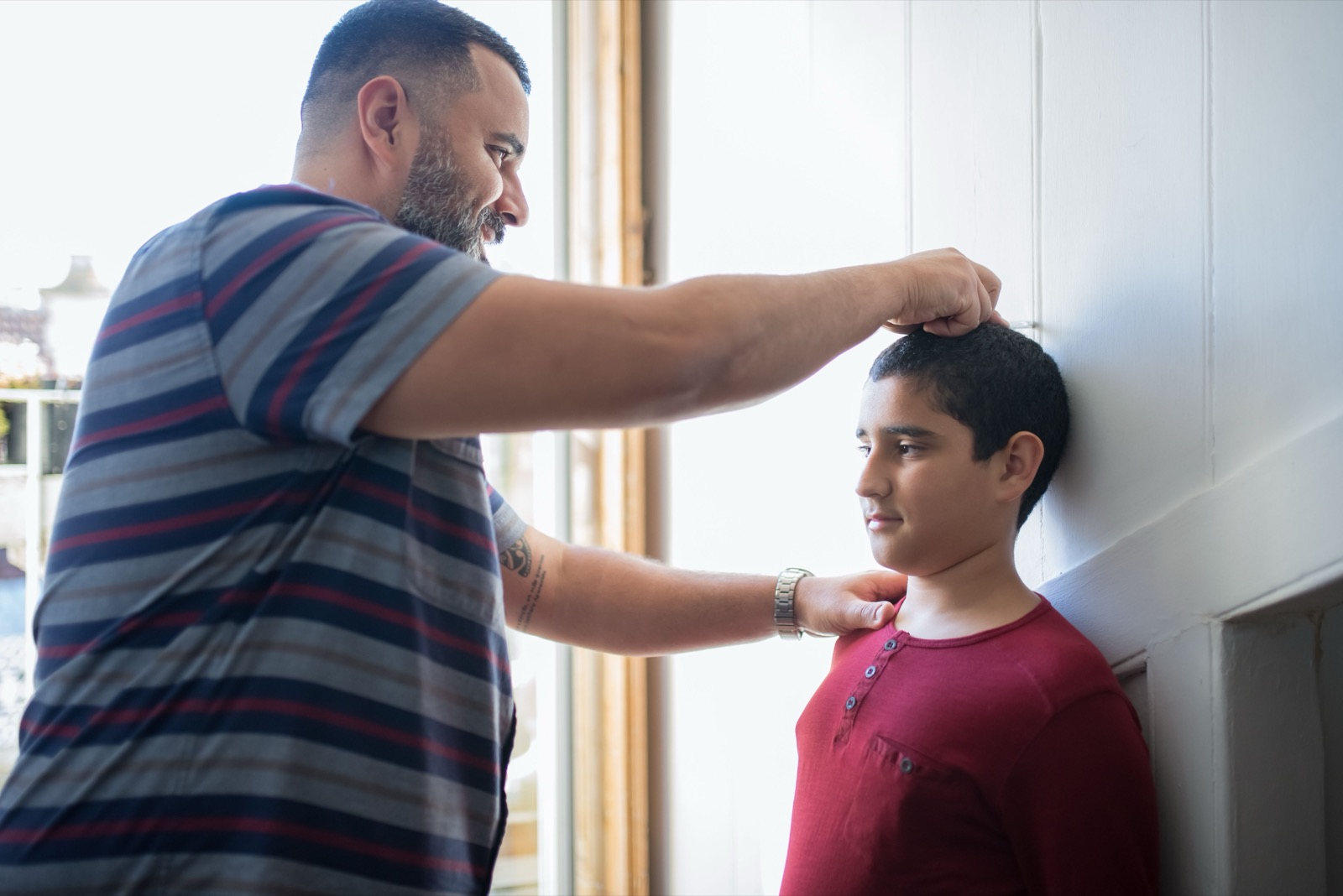
A thirteen-year-old who fielded everything last season suddenly looks awkward. Their swing is off, their throws sail, and their knees ache after practice.
Most families assume something has gone wrong with the coaching, the mechanics or the player’s attitude. Usually the explanation is simpler: they are growing.
Why Coordination Temporarily Disappears
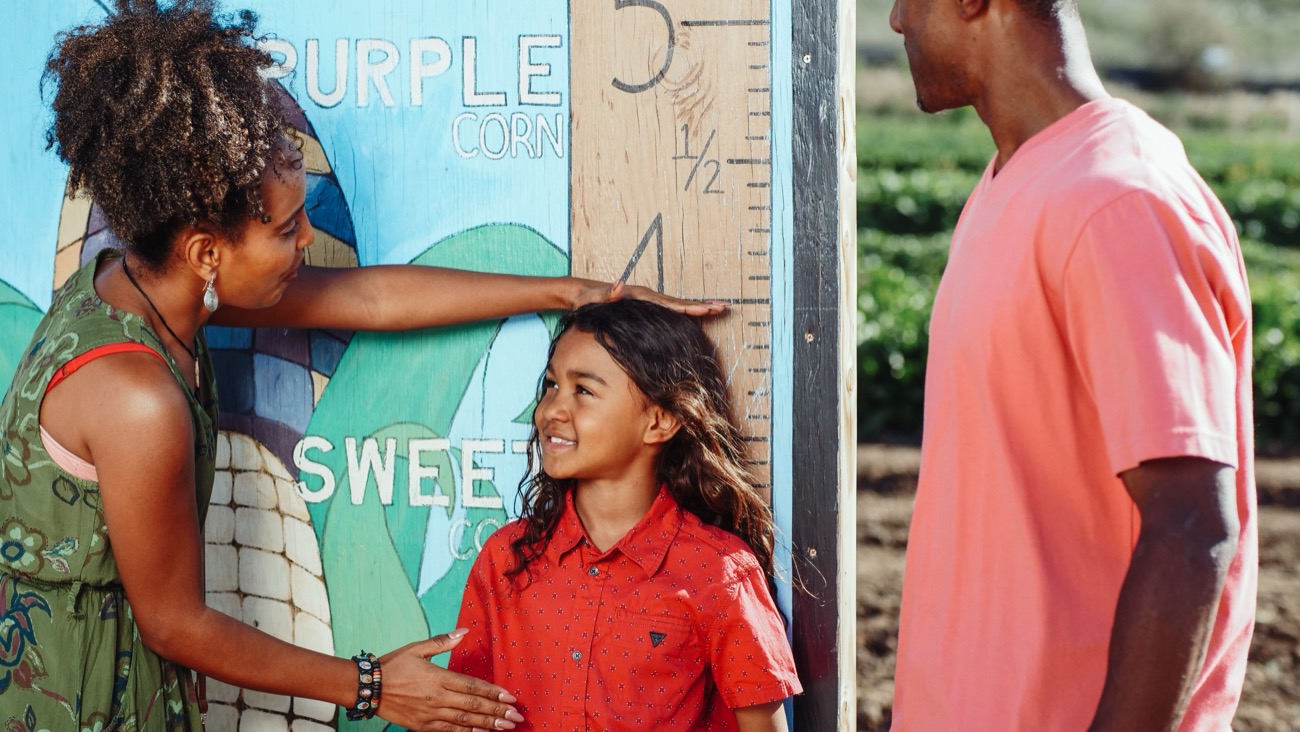
During a rapid growth phase, limb length changes faster than the nervous system’s internal map of the body updates.
A player whose arms and legs have grown three inches is essentially operating unfamiliar equipment. Timing at the plate, throwing accuracy and footwork all degrade — not because anything has been forgotten, but because the dimensions changed.
It resolves. The map updates over months, and coordination returns — usually with more physical capacity than before. But the intervening period can be genuinely discouraging for a player who does not understand what is happening.
Tell them what is going on. A thirteen-year-old who knows their body is changing handles a bad month far better than one who thinks they have simply got worse.
WAR Baseball coaching staff
Growth Plates and Why They Matter
Growth plates are areas of cartilage near the ends of long bones where growth occurs. They are weaker than the surrounding bone and tendon, which means repetitive stress affects them first.
This is why adolescent overuse injuries look different from adult ones. Where an adult develops a tendon problem, a growing athlete tends to develop growth plate irritation instead.
| Condition | Where | Typical age | Trigger |
|---|---|---|---|
| Osgood-Schlatter | Below the kneecap | 12-14 boys, 10-13 girls | Running, jumping, squatting |
| Sever’s disease | Heel | 8-14 | Running on hard surfaces |
| Little League elbow | Inside of the elbow | 9-14 | Throwing volume |
| Little League shoulder | Upper arm growth plate | 11-16 | Throwing volume |

The Mechanism
During a growth spurt, bone lengthens faster than muscle and tendon adapt. The result is increased tightness — particularly in the hamstrings, quadriceps and calves — which increases the pull on the growth plate every time the athlete runs, jumps or throws.
The most rapid growth period, often six to twelve months long, is the highest-risk window. Bone may be adding three to four inches a year while the soft tissue plays catch-up.
Two practical consequences follow. Flexibility work matters more during this period than at any other. And training volume should be managed rather than increased simply because the player is getting bigger.
Managing Training Through It
| Approach | Why |
|---|---|
| Maintain flexibility work | Directly addresses the tightness driving the problem |
| Reduce high-impact volume temporarily | Less repetitive load on irritated growth plates |
| Keep strength training | Supports joints; does not need to stop |
| Monitor throwing volume closely | Elbow and shoulder plates are vulnerable now |
| Allow more recovery | Growth itself is a physiological load |
| Do not train through sharp pain | Ache after activity is different from pain during it |
Stopping entirely is rarely necessary or helpful. Managing load is. A player with Osgood-Schlatter can usually keep playing with reduced jumping volume and consistent stretching.
Resources from paediatric health providers such as Cleveland Clinic are a reasonable starting point for understanding a specific diagnosis, though persistent pain warrants an in-person assessment.
Ache Versus Pain
The distinction families most need is between normal growing discomfort and something requiring assessment.
| Probably manageable | Get it assessed |
|---|---|
| Ache after activity that settles overnight | Pain during activity that changes how they move |
| Mild tenderness at a known spot | Swelling, warmth or visible deformity |
| Discomfort that improves with rest | Pain that persists or worsens over weeks |
| Symmetrical stiffness | Night pain that wakes them |
| Improves with stretching | Loss of range of motion |
Anything on the right-hand column deserves a proper evaluation. Growth plate injuries in particular are worth taking seriously, because the plate is the structure the bone depends on to finish growing.
What to Say to a Discouraged Player
The hardest part of a growth spurt is often not physical. A player who was among the best on their team and is now struggling draws conclusions about themselves.
- Name what is happening — “you have grown four inches, your body is catching up”.
- Point at process rather than results: quality of at-bats, effort, work rate.
- Remind them it is temporary, and give a rough timescale rather than a vague “soon”.
- Resist adding extra lessons in response — more volume rarely fixes a coordination phase.
- Watch for the frustration turning into avoidance, which is where players quit.
This is the same principle as our mental game guide: confidence built on results collapses when results dip, and a growth spurt guarantees a dip.
The Development Picture
Growth timing also explains a lot about who looks good at thirteen.
Early-maturing players dominate age-group baseball for a few years because they are physically ahead, not necessarily more skilled. Late-maturing players often catch up and pass them — which is why coaches evaluating fifteen-year-olds weigh projection alongside current performance.
For families, the practical implication is patience. A player who is behind physically at thirteen is not behind permanently, and decisions like playing up an age group should account for maturity rather than birthday.

What Actually Helps
- Explain it to the player. Understanding reduces the frustration considerably.
- Prioritise flexibility — daily, not occasionally.
- Protect sleep. Growth and recovery both happen there, as our recovery guide sets out.
- Manage throwing volume — see our arm care guide.
- Keep strength work going, per our off-season training guide.
- Resist mechanical overhauls. A swing that stopped working during a growth spurt usually does not need rebuilding.
That last point is worth emphasising. Rebuilding mechanics during a growth phase often means fixing something that would have corrected itself, and leaves the player with a new set of habits to unlearn.
Frequently Asked Questions
Why does my child seem less coordinated during a growth spurt?
Because limb length changes faster than the nervous system’s map of the body. A player whose arms and legs have grown several inches is effectively operating unfamiliar equipment, and timing and coordination temporarily suffer. It resolves.
What is Osgood-Schlatter disease?
Irritation of the growth plate just below the kneecap, common in active adolescents during rapid growth — typically 12 to 14 in boys. Bones grow faster than muscles and tendons, increasing pull on the growth plate. It usually resolves as growth completes.
Should a young athlete stop playing during a growth spurt?
Not usually, but load should be managed. Reducing volume, maintaining flexibility and allowing recovery matters more during rapid growth than at any other time.
Why are growth plates a concern for young baseball players?
Growth plates are cartilage and weaker than surrounding bone and tendon, so repetitive stress affects them first. That is why throwing overuse in adolescents shows up as growth plate irritation rather than the tendon injuries adults get.
How long do growth-related aches last?
Conditions like Osgood-Schlatter commonly persist on and off for 18 to 24 months, resolving as the growth plate closes. Persistent or worsening pain always warrants evaluation rather than assumption.
Development That Accounts for Growth
Our coaches have taken Tallahassee players through these years since 2011. See upcoming tryouts for 13U through 17U.