
For most players, a video is the first thing a college coach sees. It decides whether they travel to watch in person — which makes it the highest-leverage recruiting asset a family controls, and the cheapest.
It is also the one most commonly done badly, usually by trying too hard.
What Coaches Actually Do With It
Coaches receive a great many videos and watch very little of each. Most decide within the first twenty to thirty seconds whether to keep watching.
They are not looking to be entertained. They are checking whether the mechanics, athleticism and actions justify a trip — and whether anything looks like it is being concealed.
Coaches are watching for reasons to keep watching. Give them the best thing you have in the first twenty seconds.
The single most useful principle here
Structure
| Section | Length | Content |
|---|---|---|
| Introduction | 10-15 sec | Name, grad year, position, height, weight, school, GPA |
| Best material | 30-45 sec | Your strongest tool, front-loaded |
| Position defence | 60-90 sec | Full reps including the throw landing |
| Hitting | 60-90 sec | Multiple angles, full swings, no music |
| Pitching (if applicable) | 60-90 sec | Full delivery, side and centre views |
| Contact details | 5-10 sec | Email, phone, travel program |
Keep the whole thing between three and five minutes. Longer does not mean more thorough; it means fewer coaches reach the end.
Filming It Properly
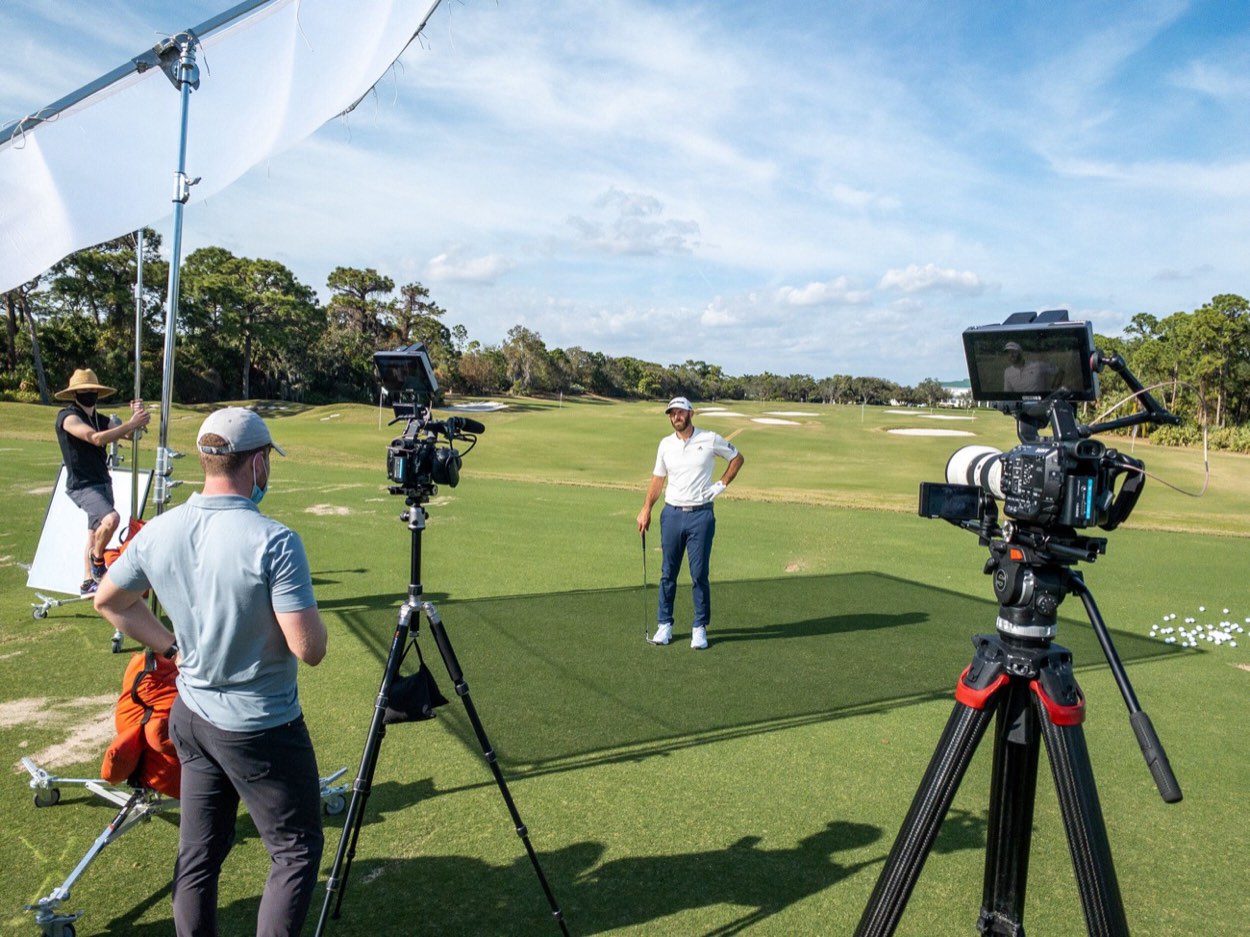
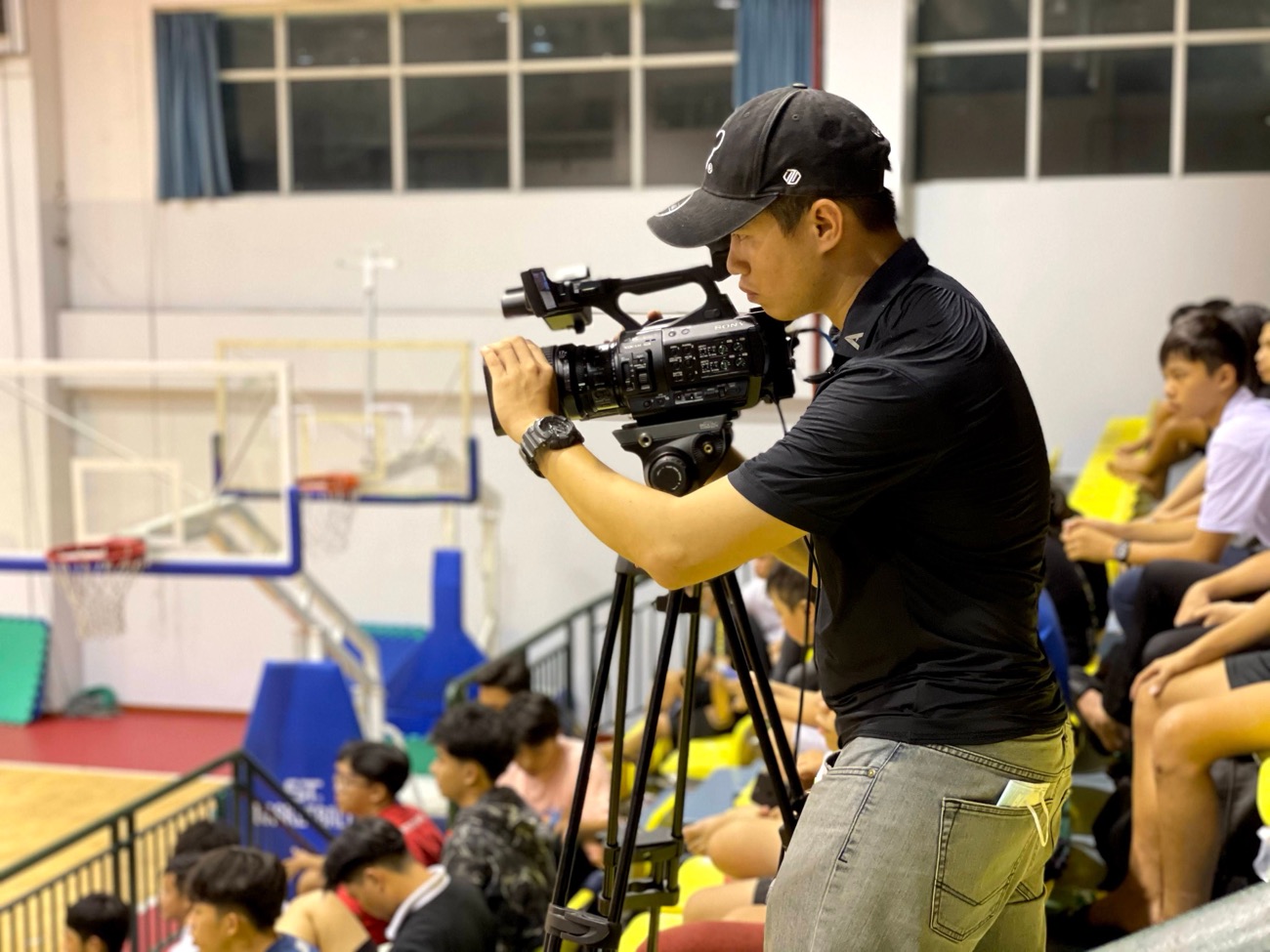
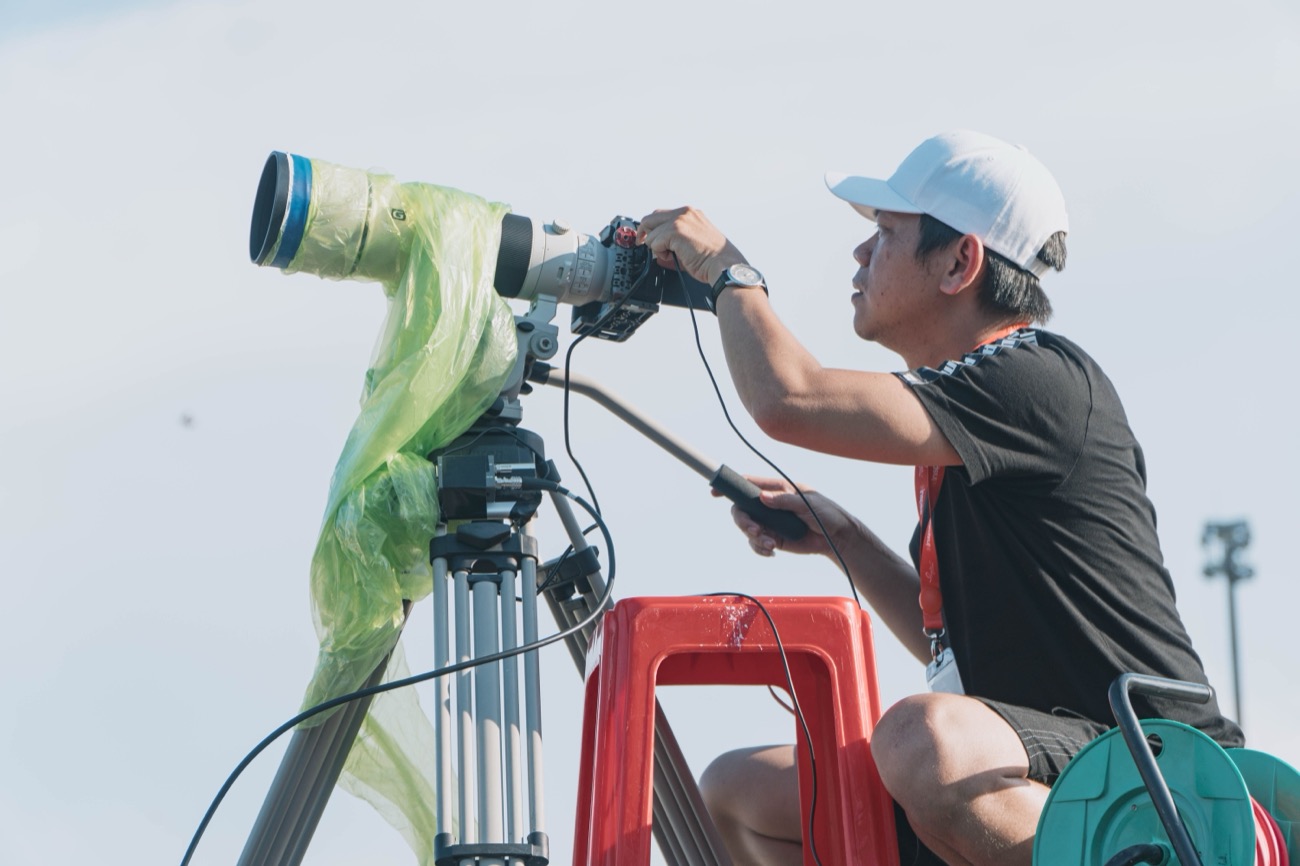
- Use a tripod at roughly five feet. Handheld footage looks amateurish and makes mechanics hard to assess.
- Film in good light — mid-morning or late afternoon, sun behind the camera.
- Capture full reps. Every throw should be shown landing; every swing shown through the finish.
- Use a wide enough frame to see footwork, not just the upper body.
- Film multiple angles — for hitting, an open side view and a view from behind.
- Include a reference for distance where possible, so throws can be judged.
Practice footage is generally more useful than game highlights. A coach wants to see repeatable mechanics across several reps, not one good outcome.
| Include | Avoid |
|---|---|
| Unedited full reps | Quick cuts between clips |
| Plain background audio | Music over the footage |
| Consistent camera position | Zooming during a rep |
| Both good and ordinary reps | Only the best outcome from each round |
| Verified measurables on screen | Unverifiable claims |
| A simple title card | Graphics, effects and slow motion |
Guidance published by recruiting platforms such as FieldLevel consistently emphasises the same thing: clear, unedited footage of skills, filmed simply.
By Position
| Position | Must include |
|---|---|
| Infield | Forehand, backhand, slow roller, double-play feed — throws landing |
| Outfield | Balls to both sides and over the head; crow hop throws to bases |
| Catcher | Receiving, blocking, throws to second with pop time visible |
| Pitcher | Full delivery from side and centre field; every pitch type |
| Hitter | Tee, front toss and live — side and rear angles |
| All | 60-yard dash if the time is good |
The pop-time and 60-time notes matter. If a number is genuinely good, show it being recorded — it is far more credible than a figure typed on a slide, a point our showcase guide covers when discussing verified measurables.
Sending It
A video sitting on a hard drive recruits nobody. How it is sent matters nearly as much as what is in it.
- The player sends it, not the parent. Coaches notice.
- Keep the email short — who you are, grad year, position, key measurables, link.
- Put the link in the body, unlisted and requiring no login.
- Personalise each email to the school. Mass mail is obvious and ignored.
- Follow up once after two weeks, then move on.
- Update the video annually, and after any significant physical development.
Remember that a player may contact coaches at any time; the NCAA restriction is on the coach replying. Emails sent early are read even when they cannot be answered — our recruiting timeline sets out the contact windows by division.
Skills Video or Highlight Video?
These are different products and coaches use them differently. Most players only need the first.
| Skills video | Highlight video | |
|---|---|---|
| Content | Controlled reps of each skill | Best moments from games |
| Purpose | Assess mechanics and tools | Show competitiveness and results |
| What coaches prefer | This one, for evaluation | Secondary, if at all |
| When it helps | Always — the primary asset | Pitchers showing outings in context |
| Risk | None if filmed honestly | Looks like cherry-picking |
If you make only one, make the skills video. A coach can evaluate a swing from ten controlled reps; they cannot evaluate much from three home runs against unknown pitching.
Common Mistakes
- Highlight reels of outcomes. Coaches want mechanics, not home runs.
- Music and effects. They obscure the footage and suggest inexperience.
- Cutting before the throw lands. Coaches assume it was wild.
- Only showing the best rep. Consistency is what is being assessed.
- Poor audio or wind noise over a spoken introduction — use a title card instead.
- Waiting until senior year. Most opportunities are decided earlier.

What It Costs
Almost nothing. A modern phone, a $25 tripod and an hour on a field produce something entirely adequate. Paid video services exist and are rarely necessary.
Compared with showcase fees and travel, video is the cheapest and highest-return recruiting spend available — as our cost breakdown and funding guide both note when prioritising where money goes.
One practical suggestion: film it with a teammate and return the favour. Two families with one tripod can produce two complete videos in a single afternoon, and having someone who understands the position behind the camera produces better angles than a parent guessing at what matters.
Refilm annually regardless of whether much has changed. A video from two seasons ago showing a physically smaller player actively works against a recruit, and coaches assume the most recent footage is the most flattering available.
Our coaching staff has been through recruiting from both sides and is happy to review a video for WAR families before it goes out.
Frequently Asked Questions
How long should a baseball recruiting video be?
Three to five minutes. Coaches rarely watch beyond the first 20 to 30 seconds before deciding whether to continue, so the strongest material belongs at the front.
What should be in a baseball skills video?
A brief introduction with name, position, graduation year, height, weight and school; then position-specific work — swings from multiple angles, fielding with throws completing, and full pitching deliveries. Practice footage is more useful than game highlights.
Do coaches prefer professional or homemade recruiting videos?
Homemade is fine and often preferred. Coaches value clear, unedited footage of mechanics over production values. Music, effects and quick cuts make coaches suspect something is being hidden.
How do you film a baseball recruiting video?
Use a tripod at roughly five feet, film in good light, keep the camera steady, and capture each rep from start to finish. Include a wide enough angle to see footwork and where the throw lands.
When should a player make a recruiting video?
By sophomore year for most players, updated annually. Video is how coaches perform the first screen, and it can be sent at any time even though D1 coaches cannot reply until August 1 before junior year.
Get Recruiting-Ready
WAR Baseball fields 15U through 17U teams and helps families navigate recruiting. See upcoming tryouts in Tallahassee.