
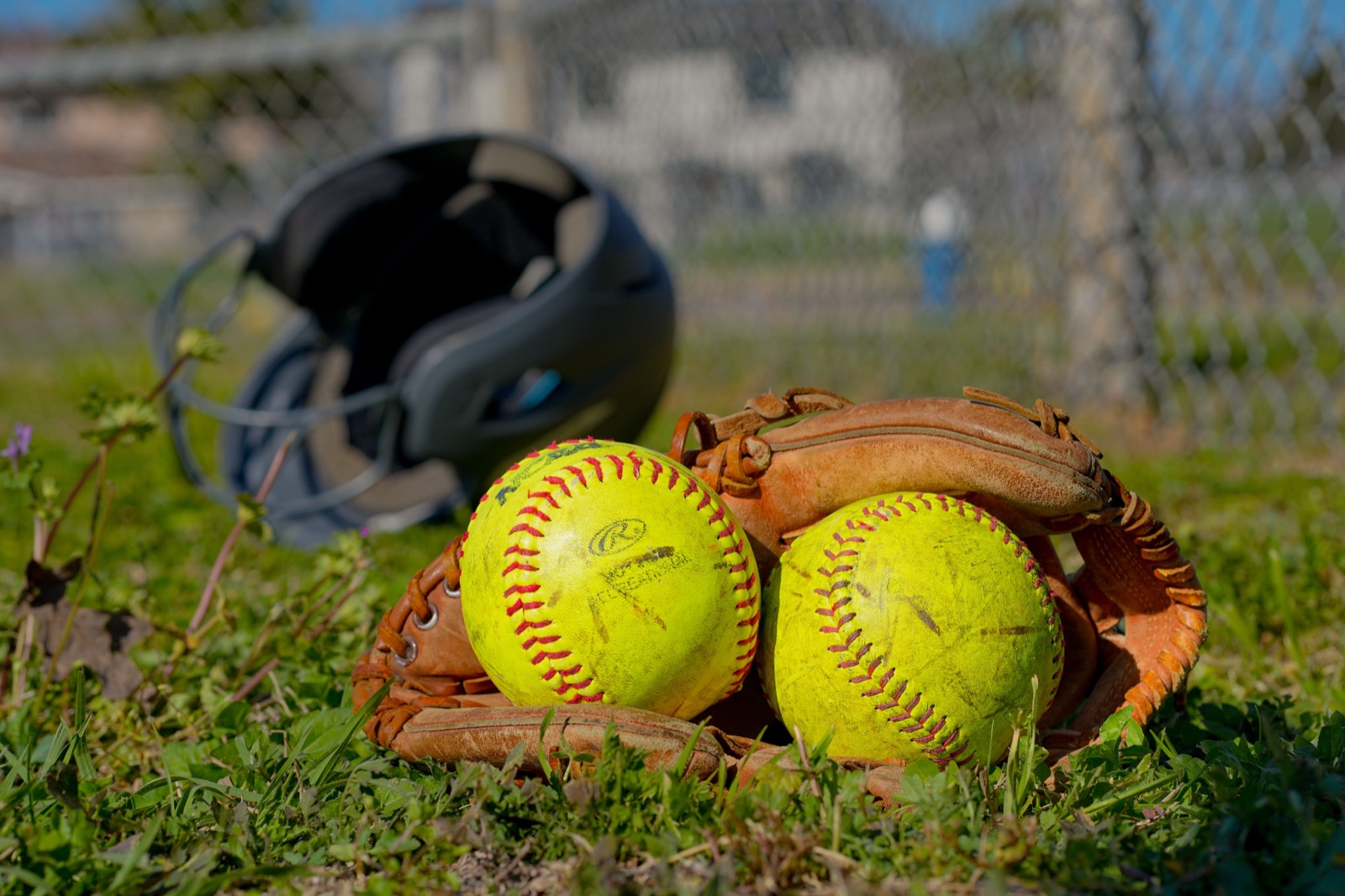
Families spend several hundred dollars a year on baseball equipment and then store it in the boot of a car in Florida, which is roughly the worst thing that can be done to any of it.
Basic maintenance takes a few minutes a month and adds a season or more to most items. Here is what actually matters.
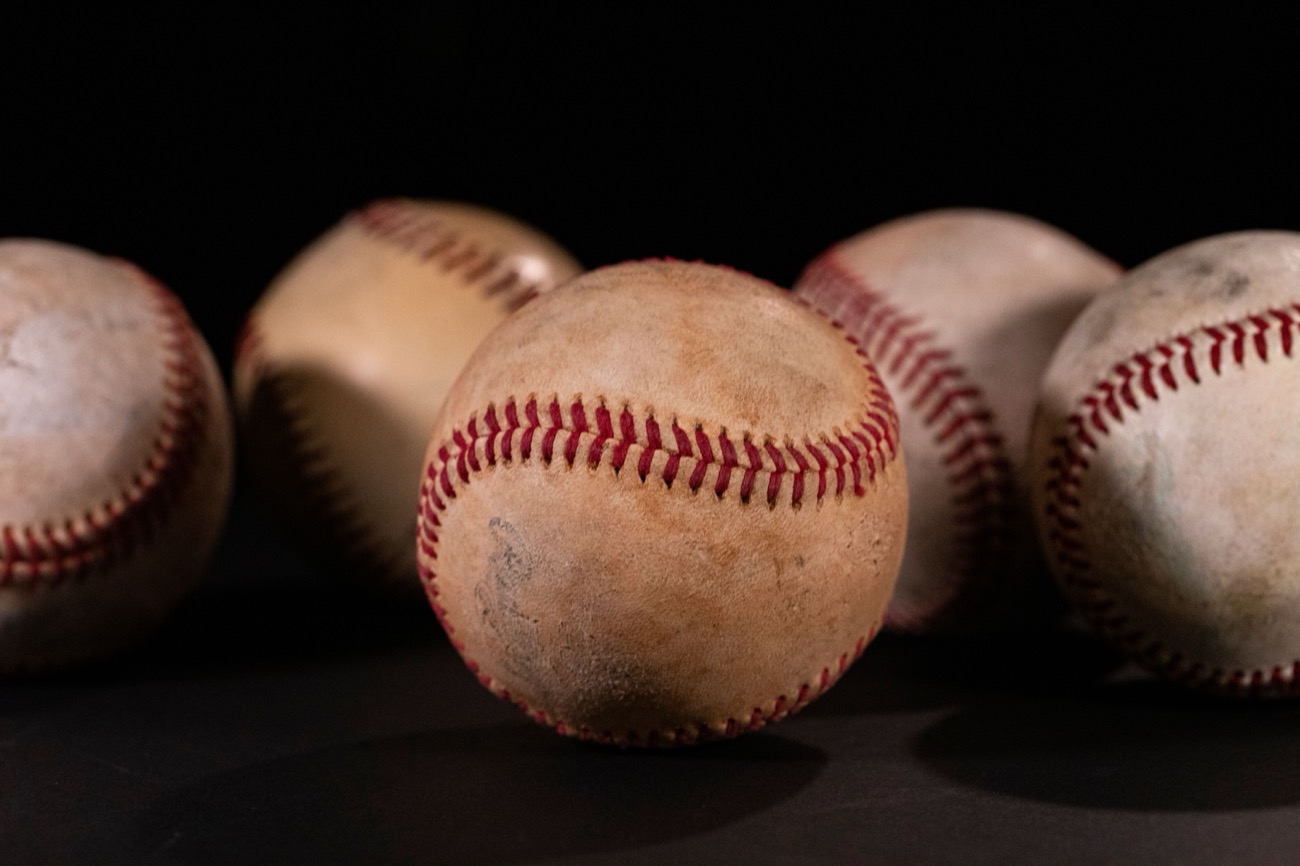
Gloves
The most valuable item most players own, and the one most affected by care.
- Wipe dirt off after use with a soft brush or cloth, including the webbing.
- Condition lightly two or three times a season — not more.
- Let it dry 24 hours after conditioning before using it.
- Store with a ball in the pocket, banded loosely to hold shape.
- Never store it damp, and never in a sealed bag.
- Re-lace when a string frays, before it snaps.
Over-conditioning is as damaging as neglect. Too much oil makes leather heavy, soft and slow to close — the opposite of what an infielder wants. Our glove buying guide covers break-in, which is a different process from ongoing care.
Most gloves are ruined by a car boot in July, not by use. Heat is the enemy, not dirt.
WAR Baseball coaching staff
Bats
| Do | Do not |
|---|---|
| Wipe down after use | Leave it in a hot or freezing car |
| Store at room temperature | Use a composite bat in cold weather |
| Rotate the barrel a quarter turn each swing | Hit the same spot repeatedly |
| Check for dents and rattles | Ignore a hairline crack |
| Use it only for its certified level | Share bats across standards |
The rotation point matters for composite bats specifically. Break-in and ongoing use should spread contact around the barrel rather than concentrating it — and cold weather use is what cracks them. Our bat standards guide covers certifications, and USA Baseball’s bat standard site maintains the approved model lists.
Cleats
The item that wears fastest and gets the least attention.
- Knock off dry dirt with a brush — do not soak them.
- Wipe the upper with a damp cloth and let them air dry fully.
- Never seal them wet in a bag; that is how mould starts.
- Stuff with newspaper or cedar inserts to draw out moisture.
- Check the studs and the sole seam for separation.
- Keep turf shoes separate — using cleats on concrete destroys them.
Mould in the lining is what actually ends most cleats. It breaks down the inner material and weakens the seams long before the studs wear out.
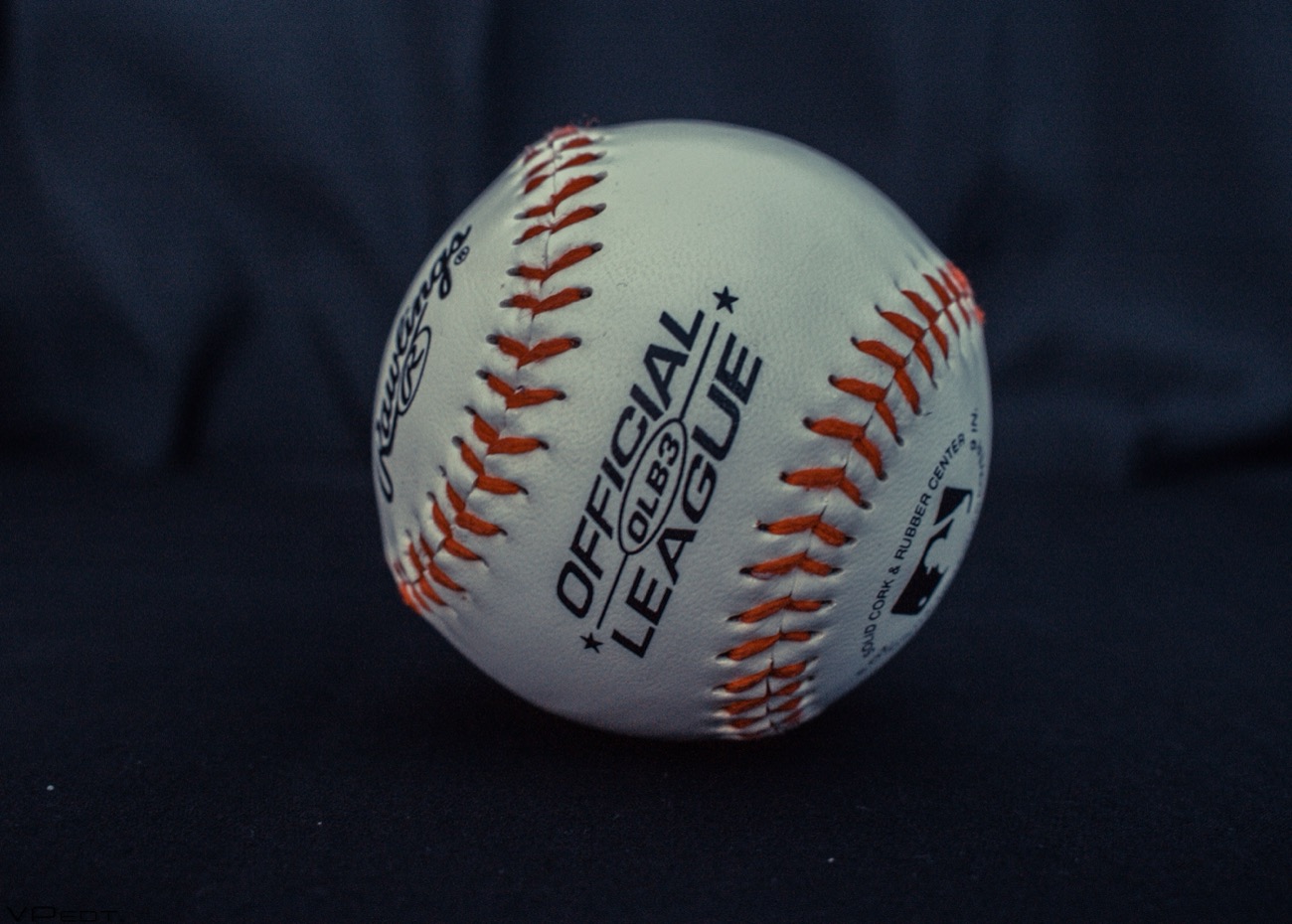
Helmets and Protective Gear
This is the category where care becomes a safety matter rather than an economic one.
| Item | Care | Replace when |
|---|---|---|
| Batting helmet | Wipe out padding; air dry | After any significant impact |
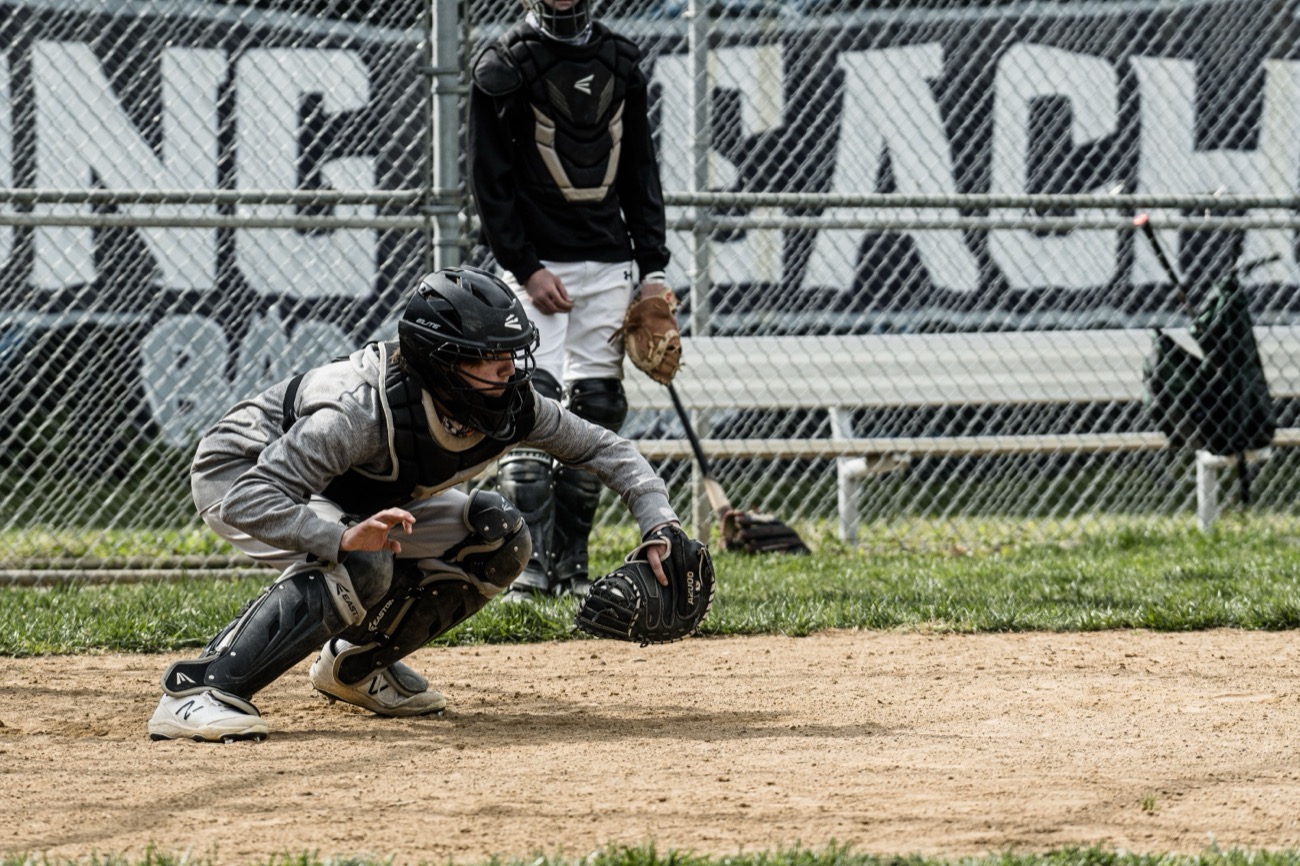
| Catcher’s mask | Check straps and padding | After impact, or when padding compresses |
| Chest protector | Air dry; check straps | When padding thins or straps fail |
| Leg guards | Wipe down; check buckles | When coverage no longer fits |
| Athletic cup | Wash regularly | When cracked or ill-fitting |
The helmet row is the one to take literally. Protective foam compresses on impact and does not fully recover, so a helmet that has taken a genuine hit should be replaced regardless of how it looks — a point our safety gear guide makes as well.
The Bag Itself
Equipment bags are where gear goes to deteriorate, and a little organisation prevents most of it.
- Empty it fully after every tournament weekend — not just the dirty kit.
- Keep cleats in a separate compartment or a bag of their own.
- Never leave a damp towel or wet shirt inside.
- Store the glove on top rather than crushed under bats and helmets.
- Air the bag itself occasionally; it holds moisture like anything else.
A glove stored under a helmet and two bats loses its shape, which undoes months of break-in — the pocket work described in our glove guide.
The Florida Problem
Heat is the dominant equipment issue here, and the car is where most damage happens.
| Storage | Effect |
|---|---|
| Car boot in summer | Worst option — dries leather, warps bats |
| Garage | Better, but still hot and humid |
| Indoors, air conditioned | Best |
| Sealed bag after a wet game | Mould in cleats and padding |
| Bag left in sun at a complex | Same as a car boot |
Bringing the bag inside after every weekend is the single highest-return habit in equipment care, and it costs nothing.
Buying to Last
Some of this is decided at purchase rather than in maintenance.
| Choice | Effect on lifespan |
|---|---|
| Leather over synthetic glove | Years rather than a season |
| Alloy over composite bat | More durable; no cold-weather risk |
| Correct size now, not to grow into | Used properly, so it wears evenly |
| Molded cleats plus turf shoes | Neither gets used on the wrong surface |
| Quality bag with compartments | Gear stops crushing other gear |
Our bat guide and glove guide cover sizing, which is the choice that most affects whether equipment gets used well or fought against.
A Monthly Five Minutes
- Empty the bag completely — you will find things.
- Brush the glove, condition if it feels dry, reshape the pocket.
- Wipe the bat; check for dents or rattles.
- Clean and air the cleats.
- Check helmet padding and straps.
- Restock the first aid items, per our emergency action plan guide.
Doing that once a month keeps everything usable and surfaces problems before they cost a game — a cracked helmet or a bat with a rattle is far better found at home than at check-in.
The Economics
Equipment is a real line in a travel baseball budget — several hundred dollars in the first year and a few hundred annually after that, as our cost breakdown sets out.
Care does not eliminate that, but adding a season to a glove and a year to a pair of cleats is worth a few minutes a month. For families managing the cost, it stacks with the strategies in our funding guide.
Frequently Asked Questions
How do you take care of a baseball glove?
Wipe dirt off after use, condition lightly a few times a season, store it with a ball in the pocket, and keep it out of hot cars. Over-conditioning does as much damage as neglect.
Can you leave a baseball bat in the car?
No. Extreme heat and cold both affect bat performance, and composite bats can crack when used cold. In Florida a car boot regularly exceeds temperatures that damage equipment.
How long should baseball equipment last?
A quality glove lasts three to five years with care, cleats one to two seasons of heavy use, and helmets should be replaced after any significant impact. Most players outgrow gear before it wears out.
How do you stop cleats from smelling?
Let them dry fully before storing, never leave them sealed in a bag, and stuff them with newspaper or cedar inserts to absorb moisture. Mould in the lining is what breaks cleats down early.
Is expensive equipment worth maintaining?
Any equipment is. Basic care costs a few minutes a month and adds a season or more to most items — which is meaningful given what a travel baseball year already costs.
Gear Questions? Ask Us
Our coaching staff helps WAR families with sizing, care and replacement every season. See upcoming tryouts in Tallahassee.