
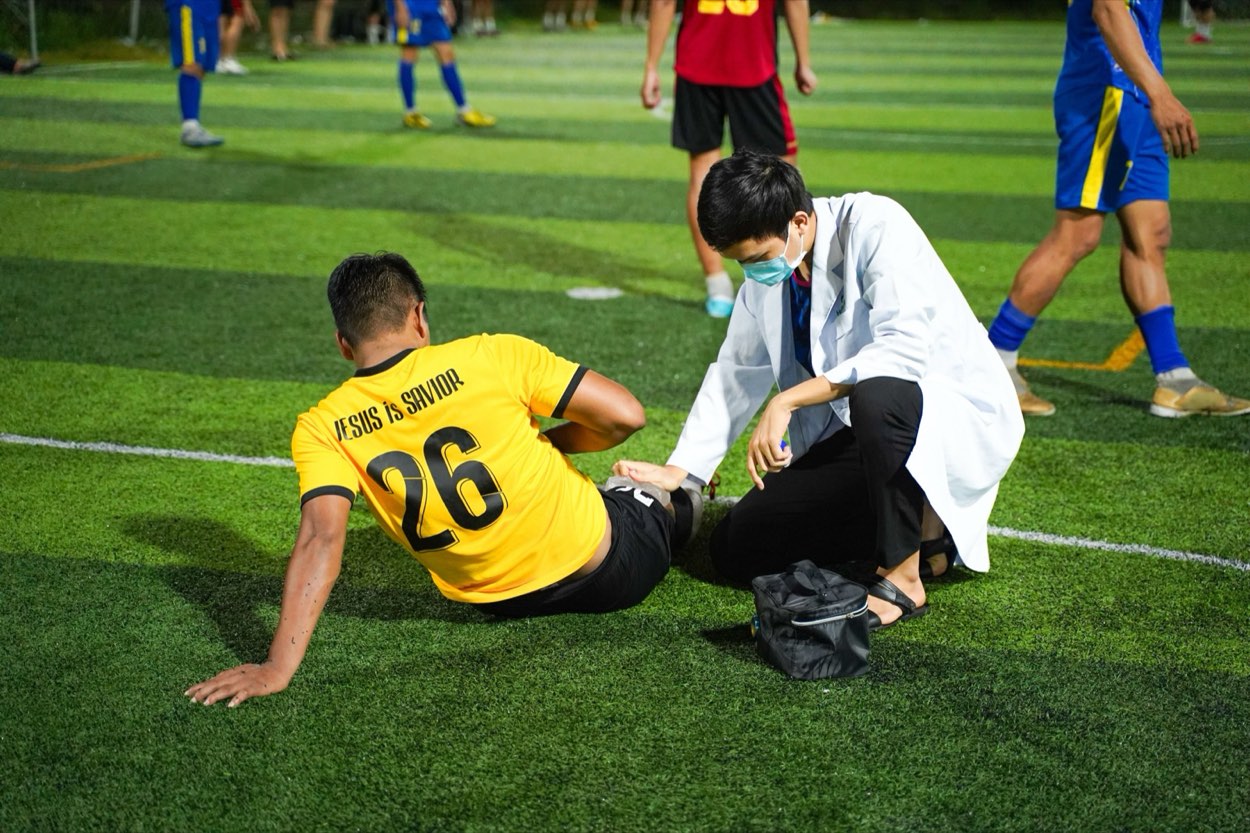
Almost every youth baseball game is played without an athletic trainer, a paramedic or any medical professional present. The adults on hand are coaches and parents.
That is normal and mostly fine. It becomes a problem only in the few minutes where it matters enormously — and those minutes are survivable far more often when someone has thought about them in advance.
The Emergency Action Plan
An EAP is a short written document answering the questions nobody can think clearly about during an actual emergency.
| Question | What the plan should state |
|---|---|
| Who calls 911? | A named role, not ‘someone’ |
| What is the address? | Exact venue address and field number, written down |
| Where is the AED? | Specific location at each venue used |
| Who meets the ambulance? | A named person who goes to the entrance |
| Who stays with the player? | Usually the most medically trained adult present |
| Who manages the other players? | Someone assigned to move the team away |
| Who contacts the parents? | A named person with the roster contacts |
The address line is the one that catches teams out. At a multi-field complex, ‘the baseball fields’ is not an address, and precious minutes get spent working it out while someone is on the phone to a dispatcher.
Write it down and put it in the equipment bag. Nobody improvises well while a child is on the ground.
The entire argument for having a plan
Sudden Cardiac Arrest
This is the one that justifies the whole exercise. Sudden cardiac arrest is the leading cause of death in athletes during exercise, and it can happen to a fit young player with no known condition.
Survival depends almost entirely on how quickly CPR begins and a defibrillator is used. Immediate CPR can double or triple the chance of survival, and every minute of delay reduces it substantially.
- Know where the nearest AED is at every venue you use.
- If there is not one, ask the facility why — and ask the tournament organiser.
- Have at least two CPR-trained adults associated with the team.
- Do not wait to be certain. Beginning CPR on someone who did not need it causes little harm.
- Assign the AED retrieval to a specific person in the plan.
The American Heart Association produces training material aimed specifically at youth sports coaches and parents, designed to be delivered by someone with no prior medical background.
The First Aid Kit
| Category | Contents |
|---|---|
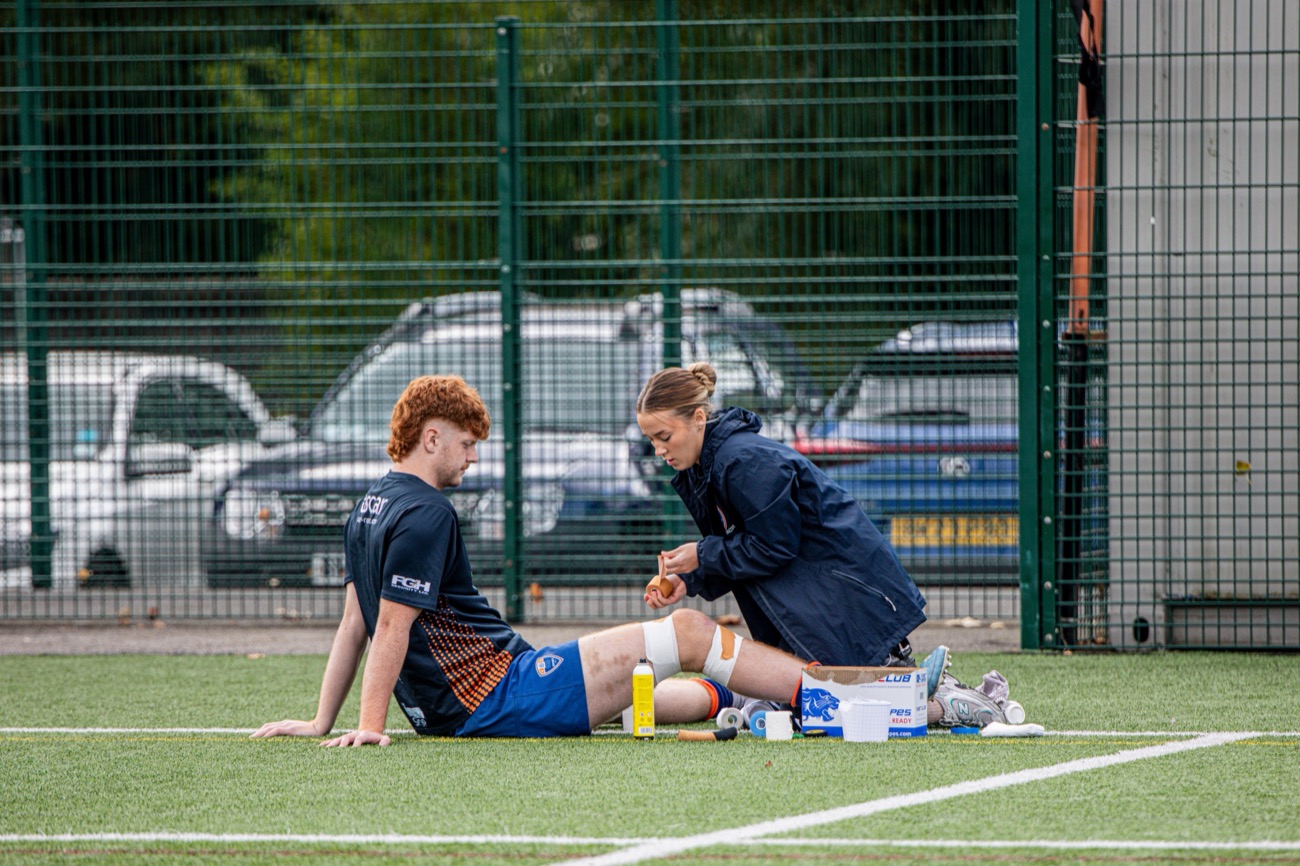
| Barriers | Disposable gloves, CPR barrier mask |
| Wound care | Gauze, adhesive bandages, antiseptic wipes, saline |
| Support | Athletic tape, pre-wrap, elastic bandage |
| Cold | Instant cold packs; ice if available |
| Tools | Scissors, tweezers, splinter forceps |
| Eye care | Saline eye wash — dirt and sunflower seeds are common |
| Player-specific | Inhalers, auto-injectors, per the roster |
| Paper | The EAP, roster with emergency contacts, medical consent forms |
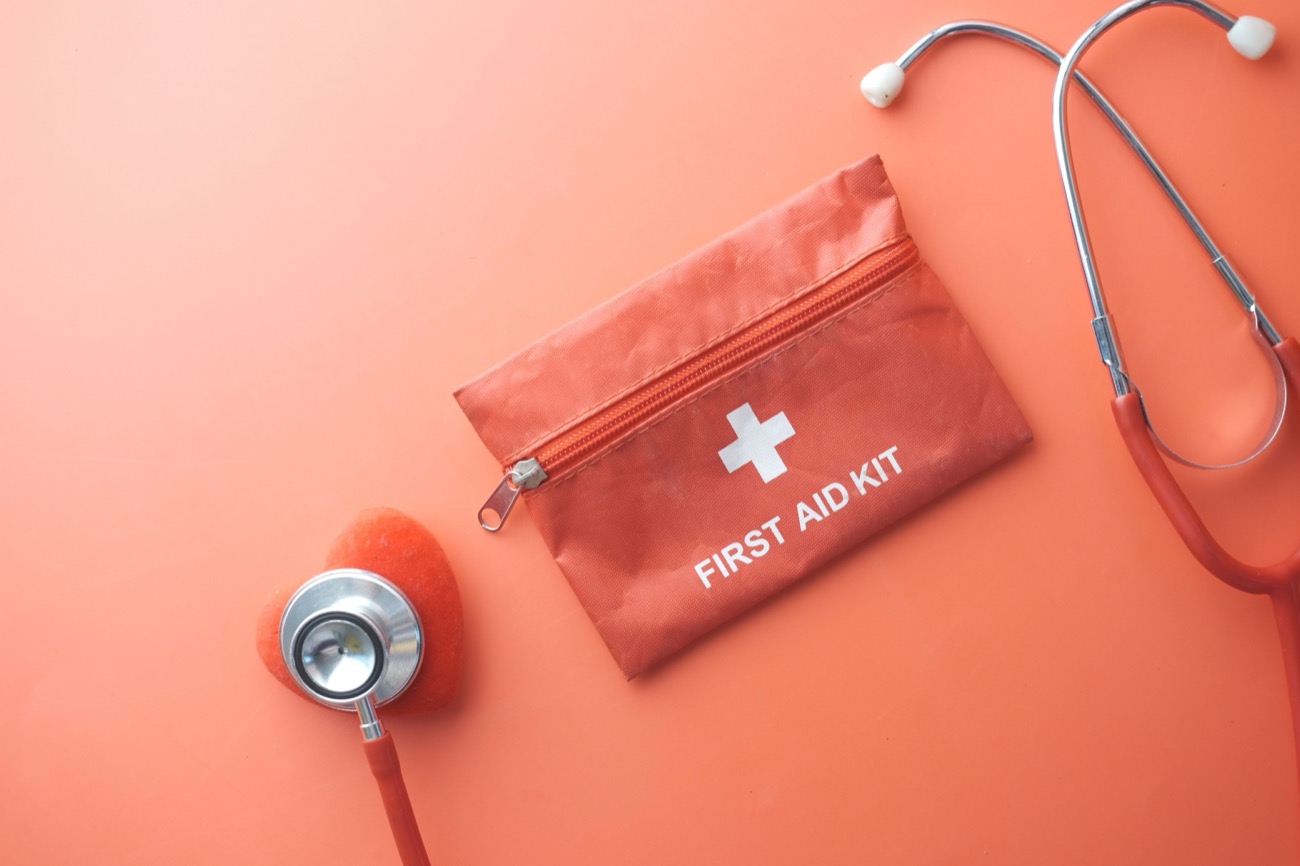
The player-specific row requires knowing your roster. A team with an asthmatic player or one with a severe allergy should know that before the first tournament, and should know where that player’s medication is kept.
Rehearse It Once
A plan nobody has read is barely better than no plan. Ten minutes at a preseason practice fixes that.
- Walk the team through what happens and who does what.
- Have someone physically locate the AED at your home facility.
- Check that the first aid kit is stocked and in the equipment bag.
- Confirm every coach has the roster with emergency contacts on their phone.
- Repeat it briefly when you play at an unfamiliar venue.
The unfamiliar-venue point matters most in travel baseball, where a team may play at six complexes in a season and know the layout of none of them — as our tournament guide makes clear, the venues change constantly.
The Common Emergencies
| Situation | First response |
|---|---|
| Ball to the head or face | Stop play; assess for concussion; do not return that day |
| Suspected concussion | Remove from play; medical clearance before return |
| Heat illness | Shade, cool, hydrate — see our heat guide |
| Suspected fracture | Immobilise; do not straighten; seek care |
| Dental injury | Save the tooth in milk or saline; see a dentist urgently |
| Collapse, unresponsive | Call 911, start CPR, send for the AED |
Heat illness deserves particular attention in Florida, where it is far more frequent than any other emergency — our heat safety guide covers recognition and response, and our lightning guide covers the weather side.
Concussion protocol is the one most often shortcut. A player who has taken a ball to the head does not return that day, regardless of how they feel — our return-to-play guide covers the progression back.
What Parents Should Ask
- Does the team have a written emergency action plan?
- Is anyone associated with the team CPR trained?
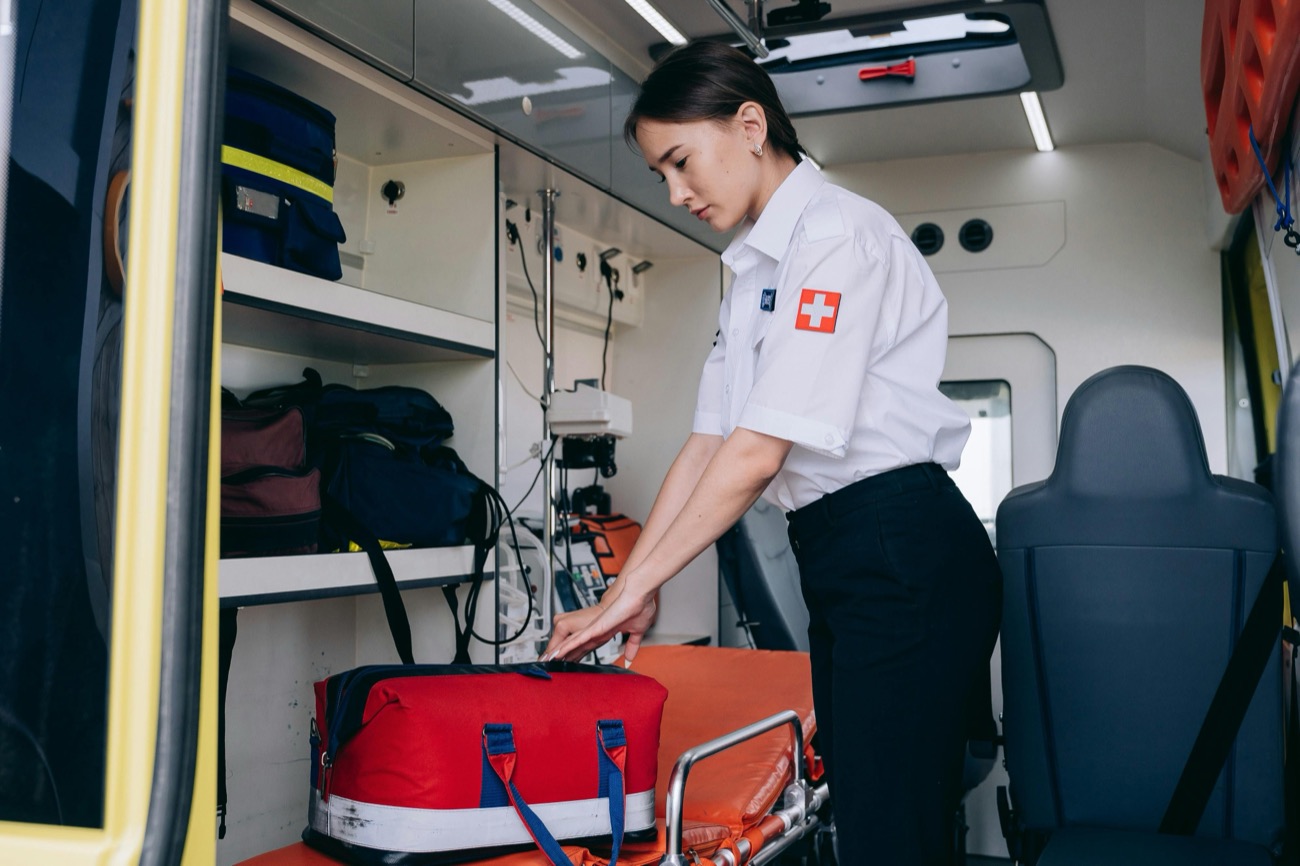
- Where is the first aid kit kept, and who carries it?
- Does the program know about my player’s medical conditions?
- Where is the AED at our home facility?
These are entirely reasonable questions and a good program will answer them without defensiveness. A program that has never considered them is telling you something useful — the same signal our guide to evaluating programs describes.
It Is a Small Amount of Work
An EAP is one page. A first aid kit is an afternoon and modest cost. CPR certification is a few hours and available locally in most places.
Set against the alternative, it is among the cheapest insurance in youth sport — and unlike most of what families spend on baseball, this is the part that occasionally matters more than anything else on the field.
Our youth baseball safety guide covers protective equipment and injury prevention, and we are happy to discuss how we handle this with WAR families.
Frequently Asked Questions
What is an emergency action plan in youth sports?
A written plan setting out what happens in a medical emergency — who calls 911, where the AED is, who meets the ambulance, the venue address, and who contacts parents. It should exist for every venue a team uses and be rehearsed.
Why do youth baseball teams need an AED?
Sudden cardiac arrest is the leading cause of death in athletes during exercise, and survival depends on defibrillation within minutes. Most youth fields have no medical staff present, so access to an AED and someone willing to use it is decisive.
Should youth coaches be CPR trained?
Yes. CPR performed immediately can double or triple the chance of survival, and in youth baseball there is frequently no athletic trainer or paramedic on site. Training is inexpensive and widely available.
What should be in a team first aid kit?
Gloves, gauze and bandages, antiseptic, athletic tape, instant cold packs, a saline eye wash, tweezers, scissors, a barrier mask for CPR, and any emergency medication a rostered player needs, such as an inhaler or auto-injector.
Who is responsible for emergency planning at a tournament?
The event organiser should have a plan, but teams should not assume one exists or that it will reach them. Every team benefits from knowing its own answers before anything happens.
Safety Is Part of the Program
WAR Baseball trains at Powermill with staff who plan for the things that matter. See upcoming tryouts for 13U through 17U.