
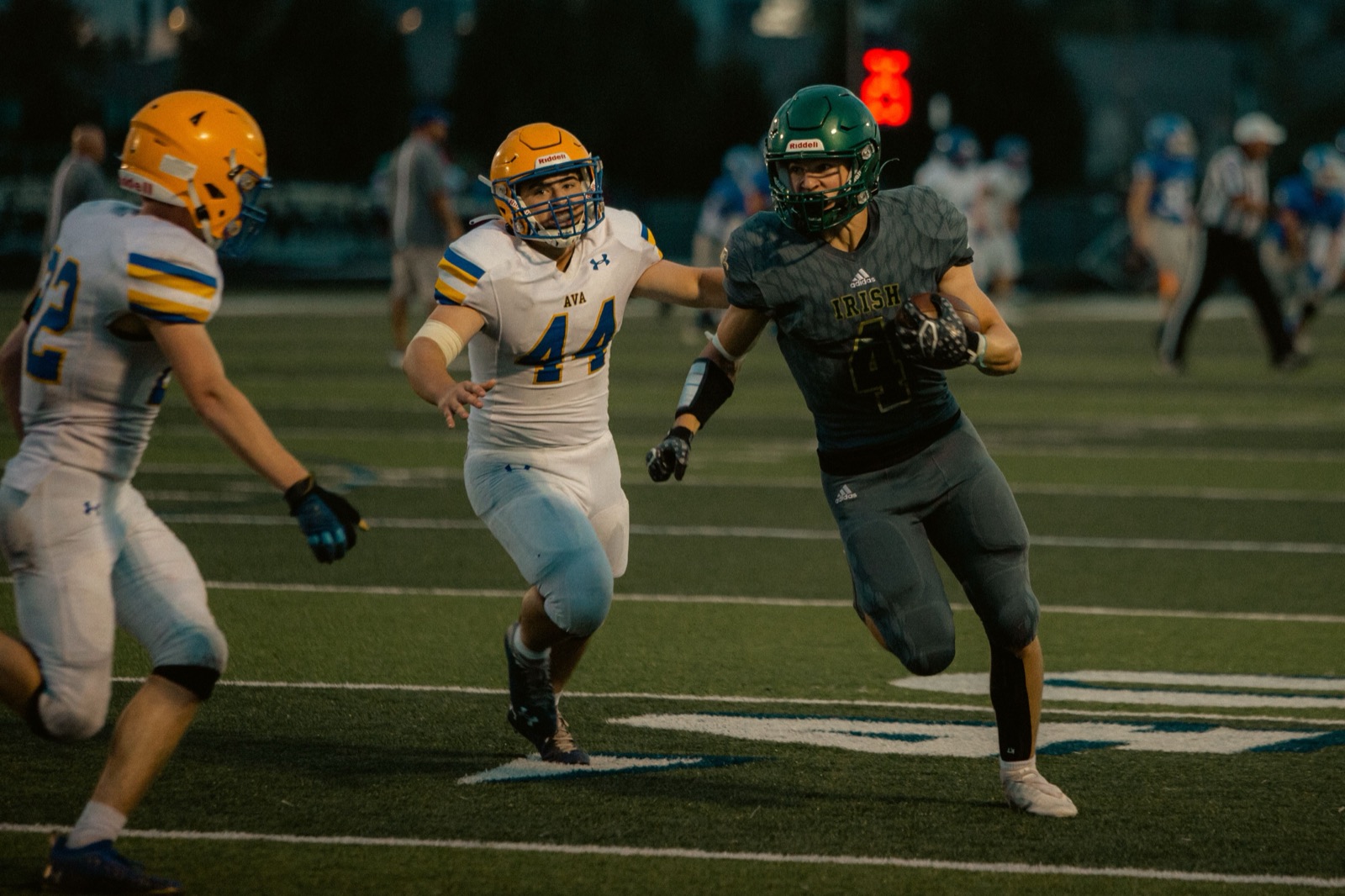
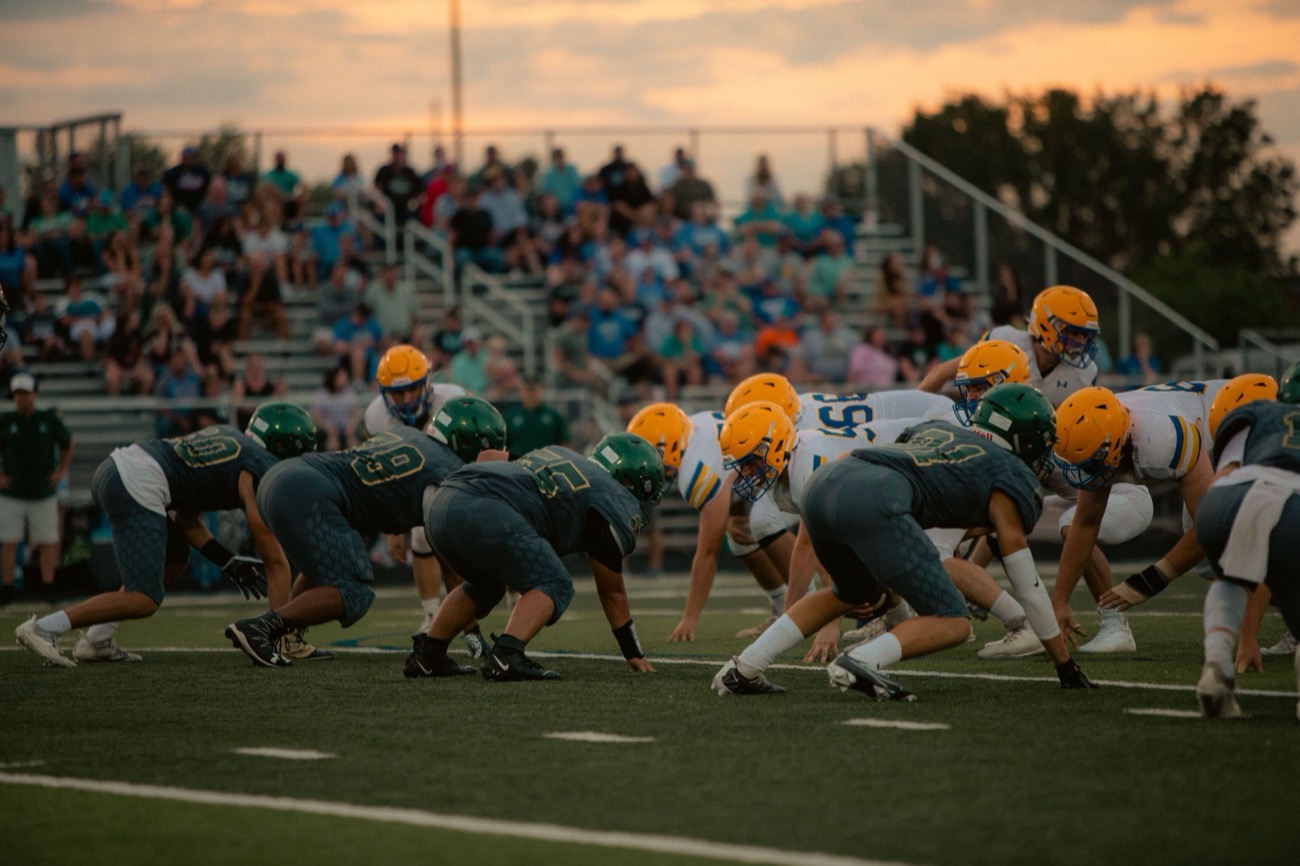
In Florida, football is not a hobby — it is the calendar. And it lands directly on top of fall travel baseball.
Families with a multi-sport athlete face a genuine scheduling collision every autumn. It is manageable, and the combination is usually worth protecting.
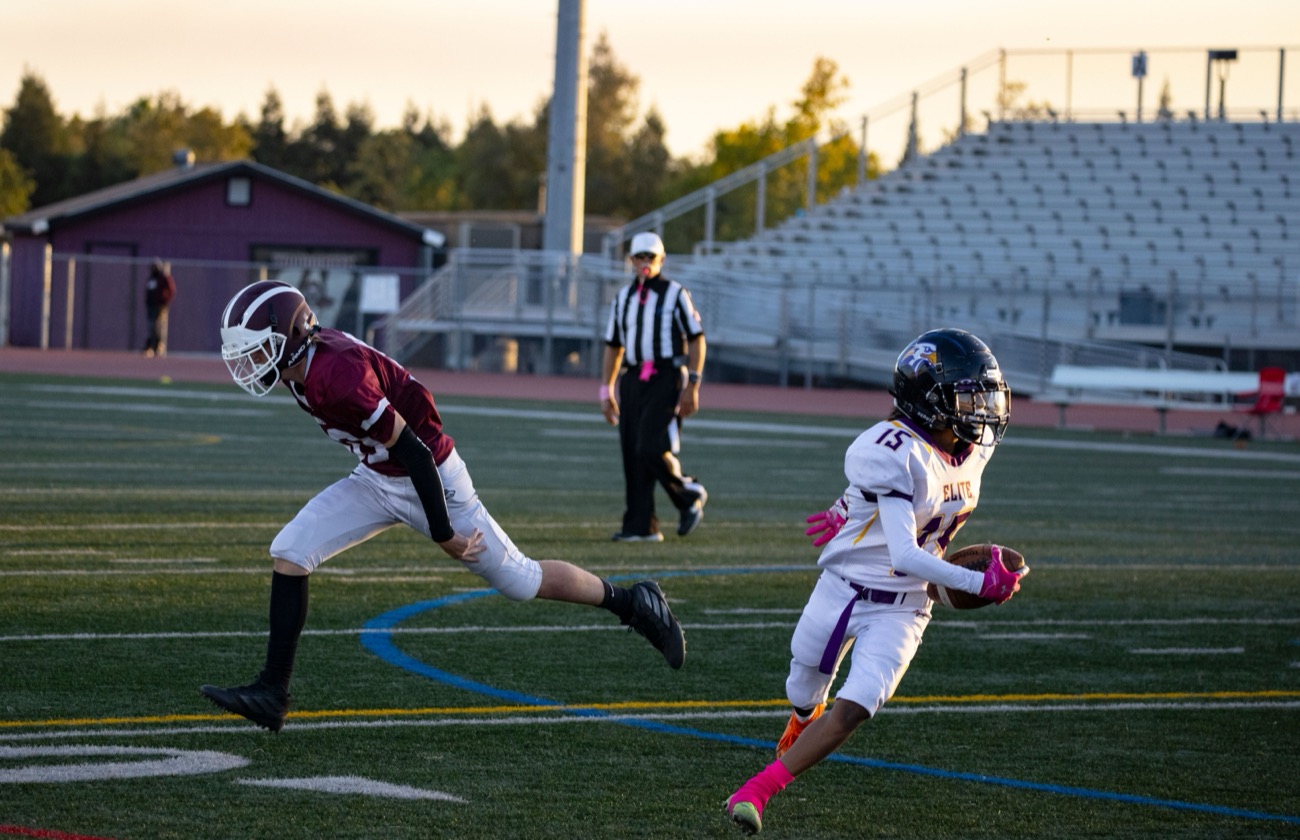
Where the Seasons Collide
| Period | Football | Baseball |
|---|---|---|
| August – November | Season | Fall travel season |
| December – January | Off-season / weights | Development window |
| February – May | Spring practice | High school + travel season |
| June – July | Summer conditioning | Travel and showcase season |
The autumn overlap is the real one. Spring football practice is lighter and usually workable, but fall football and fall travel baseball are both full commitments at the same time.
The practical answer most families reach: play football in the fall, skip fall travel ball, and return for spring and summer. That is a perfectly good baseball year — our fall versus spring guide explains why spring carries more weight anyway.
Skipping fall ball for another sport is not falling behind. Playing both with no rest day is where the problems start.
The distinction that matters
What Each Sport Gives the Other
| From football | From baseball |
|---|---|
| Strength and mass | Hand-eye coordination |
| Explosiveness off the line | Rotational movement patterns |
| Competitive toughness | Comfort with failure |
| Comfort with contact | Situational thinking |
| Team accountability | Fine motor control |
The strength transfer is genuine and useful. Football players typically arrive at baseball season stronger than their single-sport peers, and strength is the foundation for both bat speed and sprint speed.
Guidance from player-development organisations such as Keep Playing Baseball on multi-sport participation consistently favours broad participation into the mid-teens.
The Real Risk
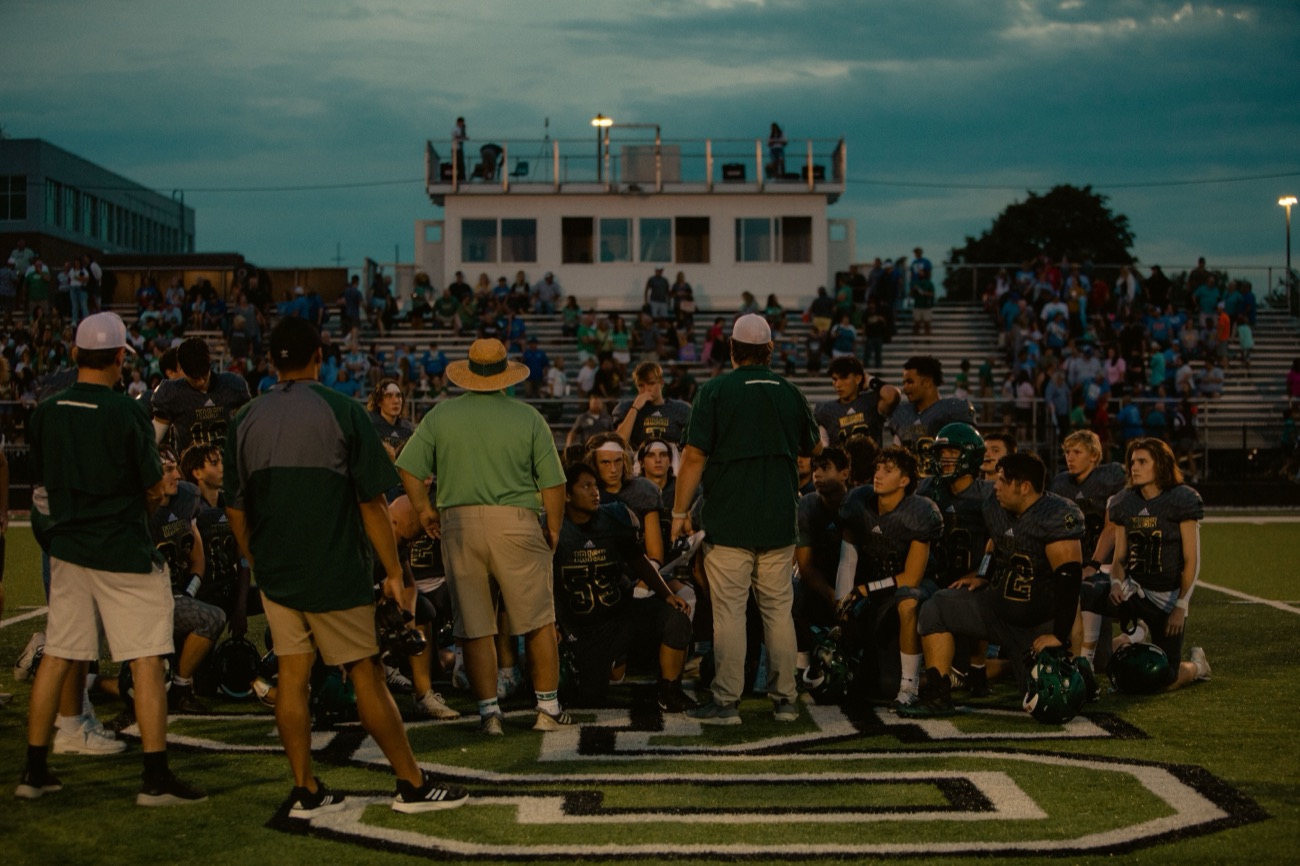
It is not playing two sports. It is playing them simultaneously with no recovery.
| Pattern | Risk |
|---|---|
| Football autumn, baseball spring | Low — sequential, with breaks |
| Both sports in the same season | High — no recovery window |
| Football plus fall travel ball | High, particularly for pitchers |
| Two sports plus private lessons | Highest |
| Either sport with a genuine off-season | Low |
Sequential is fine. Simultaneous, with games every weekend and practice every weeknight, is where fatigue accumulates and overuse injuries appear — the pattern our specialisation guide and arm care guide both flag.
Protecting the Throwing Arm
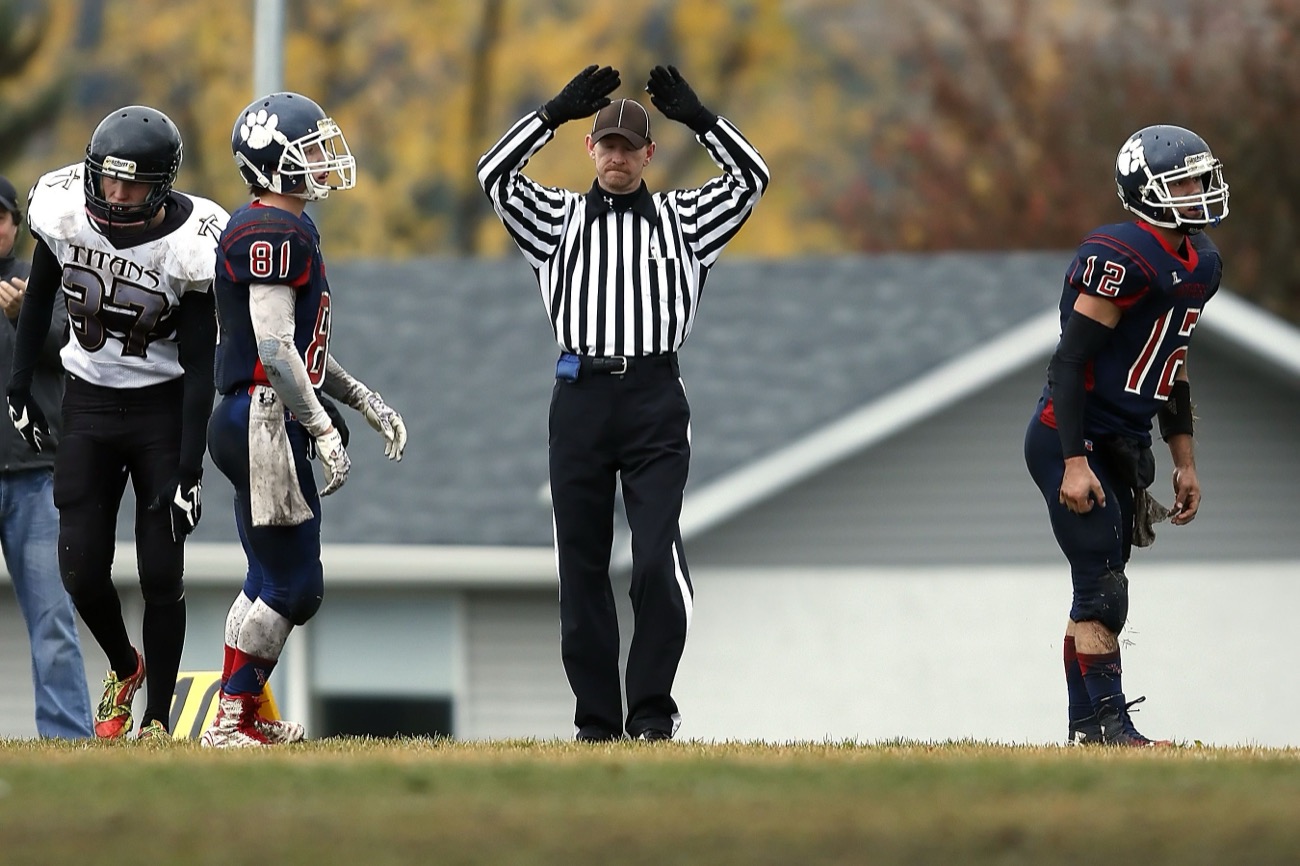
This deserves specific attention because football and baseball interact badly here.
- A quarterback throws all autumn. That is throwing volume, and it counts.
- Shoulder injuries from contact affect the following baseball season.
- A pitcher coming out of football season needs a full throwing ramp, not a shortcut.
- Do not go from the last football game straight into bullpens.
- Build the December rest block in regardless of which sport just finished.
A quarterback who plays travel baseball is effectively a year-round thrower with two coaches counting nothing — the counting problem our two-way player guide describes, amplified across sports.

Managing the Body Across Two Sports
The physical demands differ enough that a straight handover from one season to the next causes problems.
| Transition | What to watch |
|---|---|
| Football to baseball | Throwing ramp needed; shoulder often fatigued |
| Baseball to football | Contact conditioning; different movement patterns |
| Either, with no gap | Accumulated fatigue; highest injury window |
| Post-season week | Genuine rest before the next build-up |
| Growth spurt during a transition | Reduce load; see our growth guide |
The last row compounds badly. A player growing rapidly while switching sports with no rest is carrying three stressors at once — our growth spurts guide covers why that period needs more caution, not less.
Handling Two Coaches
- Tell both, early. Before schedules are set, not the week of a conflict.
- Be specific about which season belongs to which sport.
- Let the player have the conversation where age-appropriate — see our guide to talking to your coach.
- Accept you will miss things in both, and say so upfront.
- Note how each coach responds. It tells you a lot about the programme.
A programme that refuses to accommodate a genuine multi-sport athlete is telling you something about its priorities — worth weighing alongside the other factors in our guide to comparing team offers.
Talking to College Coaches About It
Multi-sport participation is worth raising rather than hiding when recruiting conversations begin.
- Say plainly which sports and which seasons.
- Frame it as athletic development, because that is how most coaches read it.
- Be clear about when you will be available for baseball events.
- If you intend to specialise later, say when.
- A coach who dismisses it entirely is telling you about their programme.
Coaches recruiting sixteen-year-olds are projecting forward, and a multi-sport athlete usually reads as someone with development still ahead of them — see our recruiting timeline.
What It Costs and What It Buys
| Cost | Benefit |
|---|---|
| Missing a fall travel season | Strength, athleticism and a mental break |
| Less baseball-specific repetition | Lower burnout and injury risk |
| Harder scheduling for the family | A more complete athlete |
| Some coaches will not love it | Coaches at higher levels generally will |
| Two sets of fees | Two sets of teammates and experiences |
The fourth row is worth knowing. College coaches frequently prefer multi-sport recruits, reading them as better athletes with more development ahead — a preference our recruiting timeline touches on.

When to Choose
Most guidance points at 15 or 16 as the earliest sensible point to specialise, and only when the player wants it rather than when a coach requests it.
Before then, the multi-sport athlete is usually the better long-term bet — more athletic, less injured, less burned out, and still enjoying it at an age when many single-sport players have stopped.
We have no problem with players who play football in the fall and join us in the spring. If that is your family’s situation, tell us and we will plan around it — our FAQ covers season structure.
Frequently Asked Questions
Can a player do travel baseball and high school football?
Yes, and many do. The conflict is mostly the fall — football season overlaps fall baseball almost exactly. Most multi-sport players skip fall travel ball and return for the spring and summer.
Does playing football help a baseball player?
It builds strength, explosiveness and competitive toughness, and it develops athletes rather than specialists. A large share of professional baseball players played another sport in high school.
What is the risk of playing two sports?
Overlapping seasons with no recovery. Two sports in sequence is generally healthy; two sports simultaneously, with games every weekend and no rest day, is where overuse problems appear.
How do you handle two coaches wanting the same athlete?
Have the conversation early, before schedules are set, and be honest with both. Most reasonable coaches will accommodate a genuine multi-sport athlete if they are told in advance rather than on the day.
When should a player finally specialise?
Most guidance points to 15 or 16 at the earliest, and only if the player wants it. Before that, playing multiple sports is associated with lower injury rates and broader athletic development.
Multi-Sport Athletes Welcome
WAR Baseball works with football and other multi-sport families across 13U through 17U. See upcoming tryouts in Tallahassee.