

This one is written for the player rather than the parent.
At some point you will want to know why you are not playing more, what a coach thinks of you, or what you need to work on. How you ask determines almost entirely what you get back.

Why You Should Ask, Not Your Parent
Coaches have a strong and consistent preference here, and it is worth understanding why.
| When the player asks | When the parent asks |
|---|---|
| Read as maturity and seriousness | Read as a complaint |
| Coach gives specific, useful feedback | Coach becomes defensive |
| Builds the coach’s respect | Can damage it |
| The player owns the outcome | The player is a bystander |
| Practises a skill for later | Practises nothing |
This is not coaches being awkward. A player who advocates for themselves is demonstrating exactly the trait college coaches ask travel coaches about — our recruiting timeline covers how much that matters.
Guidance published by the National Federation of State High School Associations on athlete self-advocacy makes the same point: the skill is the point, not just the answer.
The player who asks what to work on gets an answer. The parent who asks why gets a justification.
How these conversations actually go
Ask the Right Question
| Do not ask | Ask instead |
|---|---|
| “Why am I not playing?” | “What do I need to work on to earn more innings?” |
| “Why is he playing ahead of me?” | “Where do you see me fitting best?” |
| “Is this fair?” | “What would you like to see from me this month?” |
| “Do you think I’m good enough?” | “What is the one thing holding me back right now?” |
| “Can I pitch more?” | “What would I need to show you to get more innings?” |
Every question in the right column asks for information the coach can actually give. Every one on the left asks them to justify a decision, and people defend decisions rather than explain them.

Timing
- Not right after a game, win or lose. Emotions are wrong on both sides.
- Not during practice — they are running a session.
- Wait a day or two after whatever prompted it.
- Ask for a moment rather than launching into it: ‘do you have two minutes this week?’
- Go alone. Bringing a parent changes the conversation entirely.
The 24-hour rule matters as much for players as for parents — our parent guide applies the same principle from the other side.
Prepare
Two minutes of preparation makes an enormous difference, especially if you are nervous.
- Write down two or three questions. Bring the notes.
- Decide what you actually want from the conversation.
- Think of one specific example if you have one.
- Plan to listen more than you talk.
- Expect an answer you may not like, and decide in advance to take it well.
Coaches notice preparation. A player arriving with written questions reads as serious rather than aggrieved, and it removes most of the nerves.
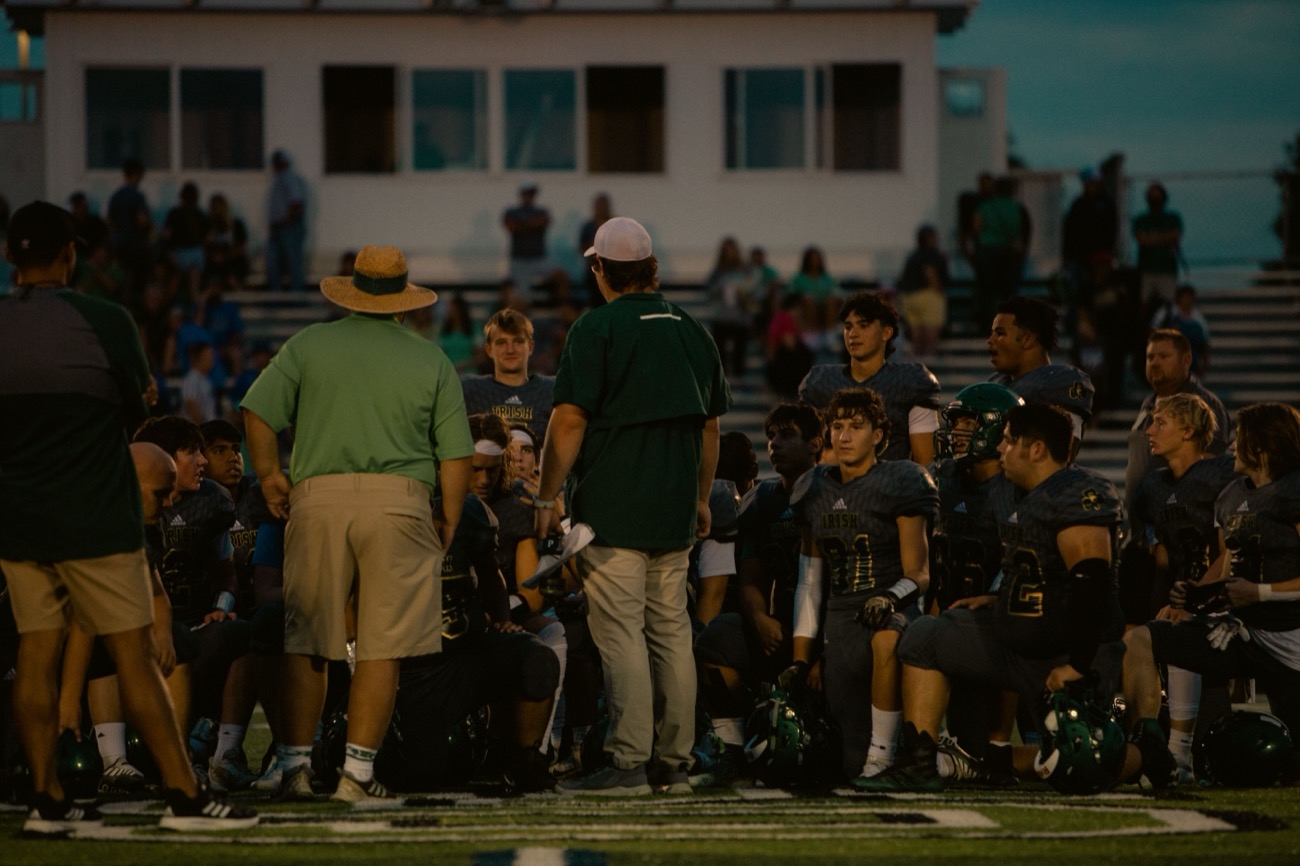
During the Conversation
| Do | Do not |
|---|---|
| Use ‘I’ statements — ‘I feel like I’m…’ | Compare yourself to a teammate |
| Listen fully before responding | Interrupt with justifications |
| Ask a follow-up if unclear | Nod through something you did not understand |
| Take the criticism | Argue with the assessment |
| Thank them at the end | Leave without acknowledging it |
Never mention a teammate. The moment a conversation becomes about someone else’s playing time, it stops being about you and the coach stops being able to answer honestly.
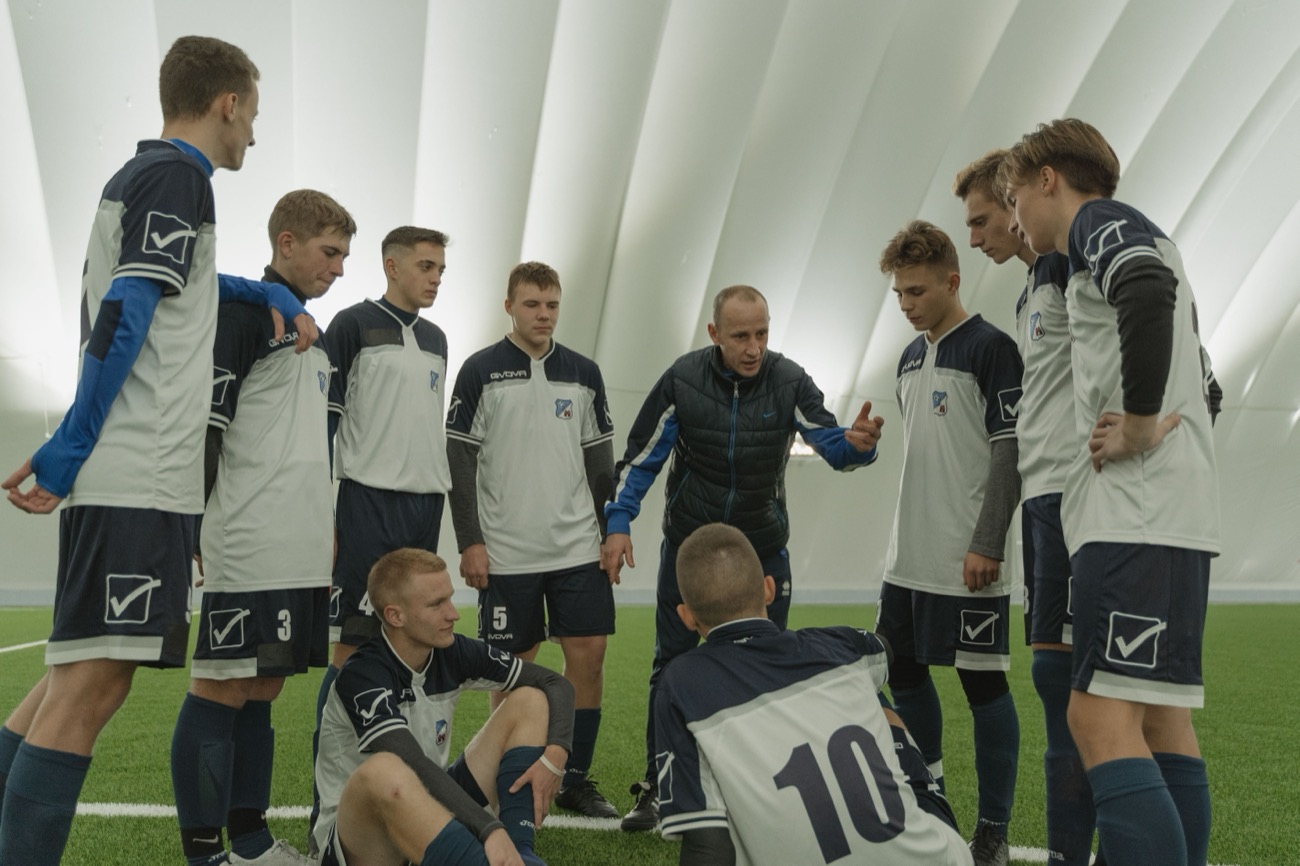
Afterwards — the Part That Matters
The conversation is worth very little on its own. What changes a coach’s view is what happens in the following three weeks.
- Act on the specific thing they named, visibly.
- Do it at practice where they can see it.
- Do not ask again in a fortnight. Give it real time.
- If it works, they will notice without being told.
- If nothing changes after a genuine effort, that is worth a second conversation — later.
A coach who says ‘your first step is slow’ and then watches a player attack every ground ball for a month has learned something about that player that no conversation could convey — the same principle behind our guide to being a good teammate.
What Not to Bring Up
- Another player’s playing time or ability.
- Something a parent told you to say.
- A decision from three months ago.
- An umpire’s call.
- Anything you would not say to their face — which is the whole point of going in person.
Keeping it about you and about the future is what makes the conversation useful. The moment it becomes about someone else, a coach cannot answer honestly even if they want to.
If the Answer Is Hard
Sometimes the honest answer is that you are behind someone, or that a specific limitation is real. That is difficult to hear at fourteen.
It is also the most useful information available. A coach willing to say it plainly is treating you as someone who can handle it, and knowing exactly what is holding you back is far better than guessing — which is what our mental game guide means about separating feedback from self-worth.
If the answer is genuinely unfair or the conversation goes badly, that is information too, and our guide to leaving a program covers what to do with it.
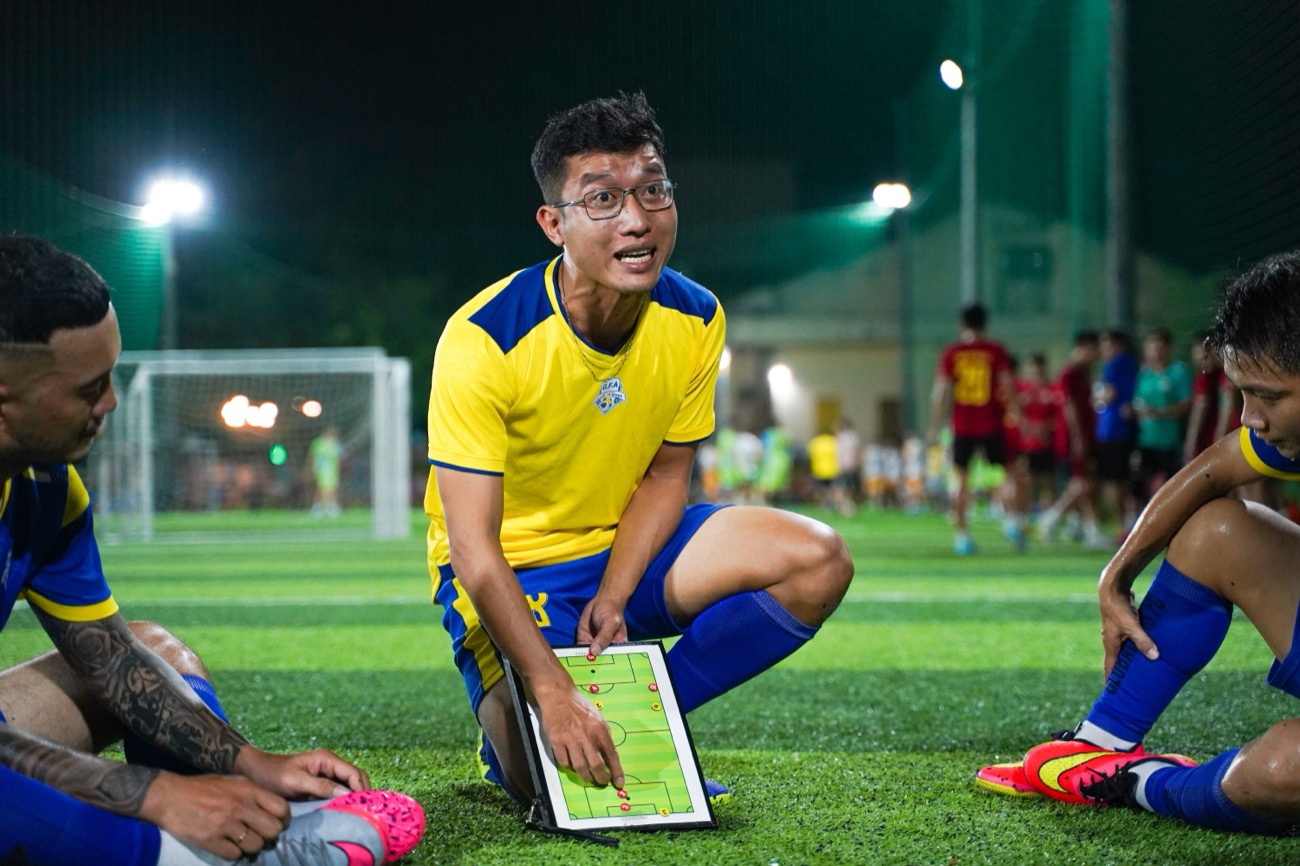
Start Earlier Than You Think
Players who wait until they are seventeen to have their first real conversation with a coach find it much harder than those who started at thirteen with small questions.
Ask a coach what to work on at the end of a season. Ask what they thought of a game. Those small conversations build the habit, and by the time it matters — high school selection, a recruiting call — it is not a new skill.
Our coaching staff expects players to ask, and will always give a straight answer. That starts at tryouts, where any player is welcome to ask what they saw.
Frequently Asked Questions
Should a player or parent talk to the coach about playing time?
The player, in almost every case. Coaches respond far better to an athlete asking what to improve, and it teaches self-advocacy — a skill that matters well beyond baseball.
How should a player ask about playing time?
Ask what to work on to earn more, not why they are not playing. The first is a request for information the coach can answer; the second is a challenge they will defend against.
When is the right time to approach a coach?
Not immediately after a game, and not during practice. Ask for a couple of minutes at a calm moment, or request a time — usually a day or two after whatever prompted it.
What if a player is nervous about the conversation?
Write down two or three questions beforehand and bring them. Having the notes removes most of the anxiety, and coaches read preparation as seriousness rather than nerves.
What should a player do with the answer?
Act on it visibly. A coach who gives specific feedback is watching whether it gets applied, and nothing changes a coach’s view faster than seeing it taken seriously.
Ask Us Anything
WAR Baseball coaches give players honest, specific feedback. See upcoming tryouts for 13U through 17U in Tallahassee.