
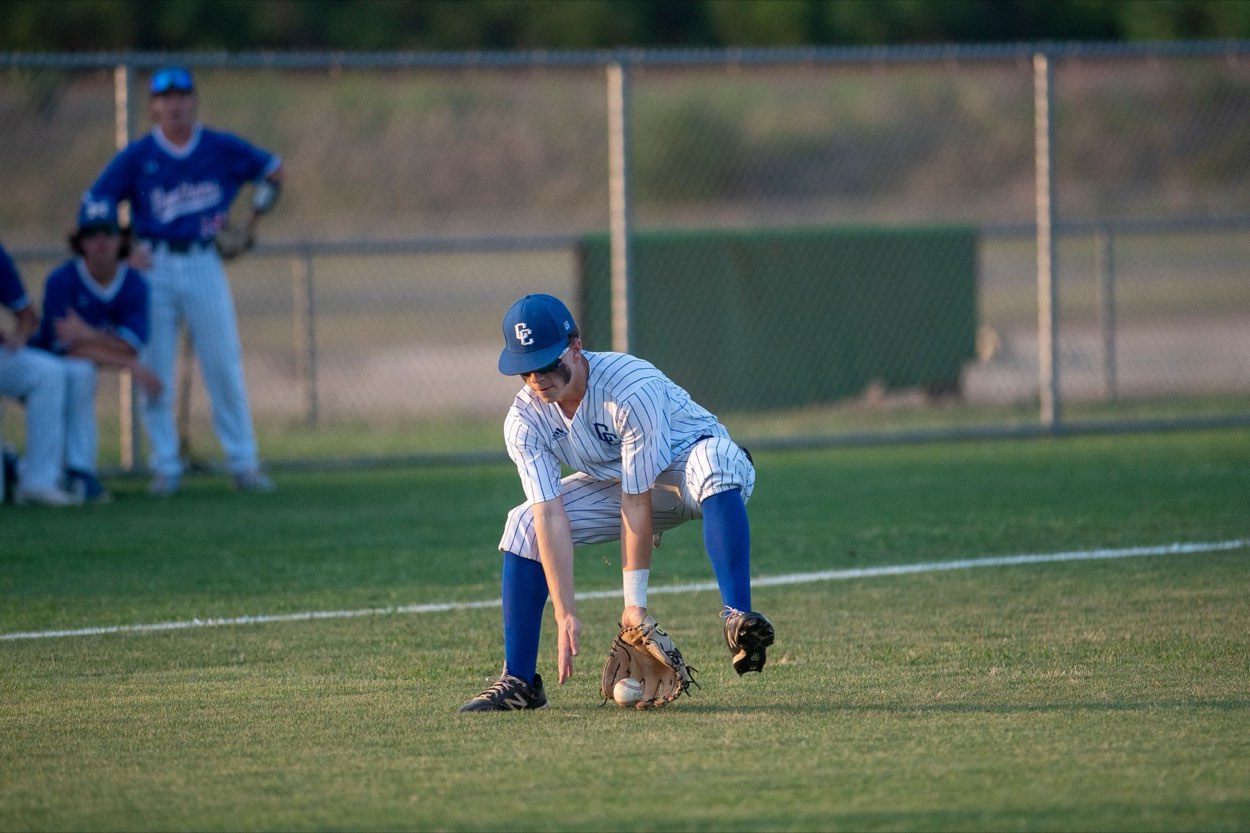
Every baseball parent eventually asks it: what position should my kid play?
The honest answer at younger ages is most of them. But as players approach thirteen and fourteen, positions start to matter — for development, for playing time, and eventually for recruiting. Here is what each one actually demands.
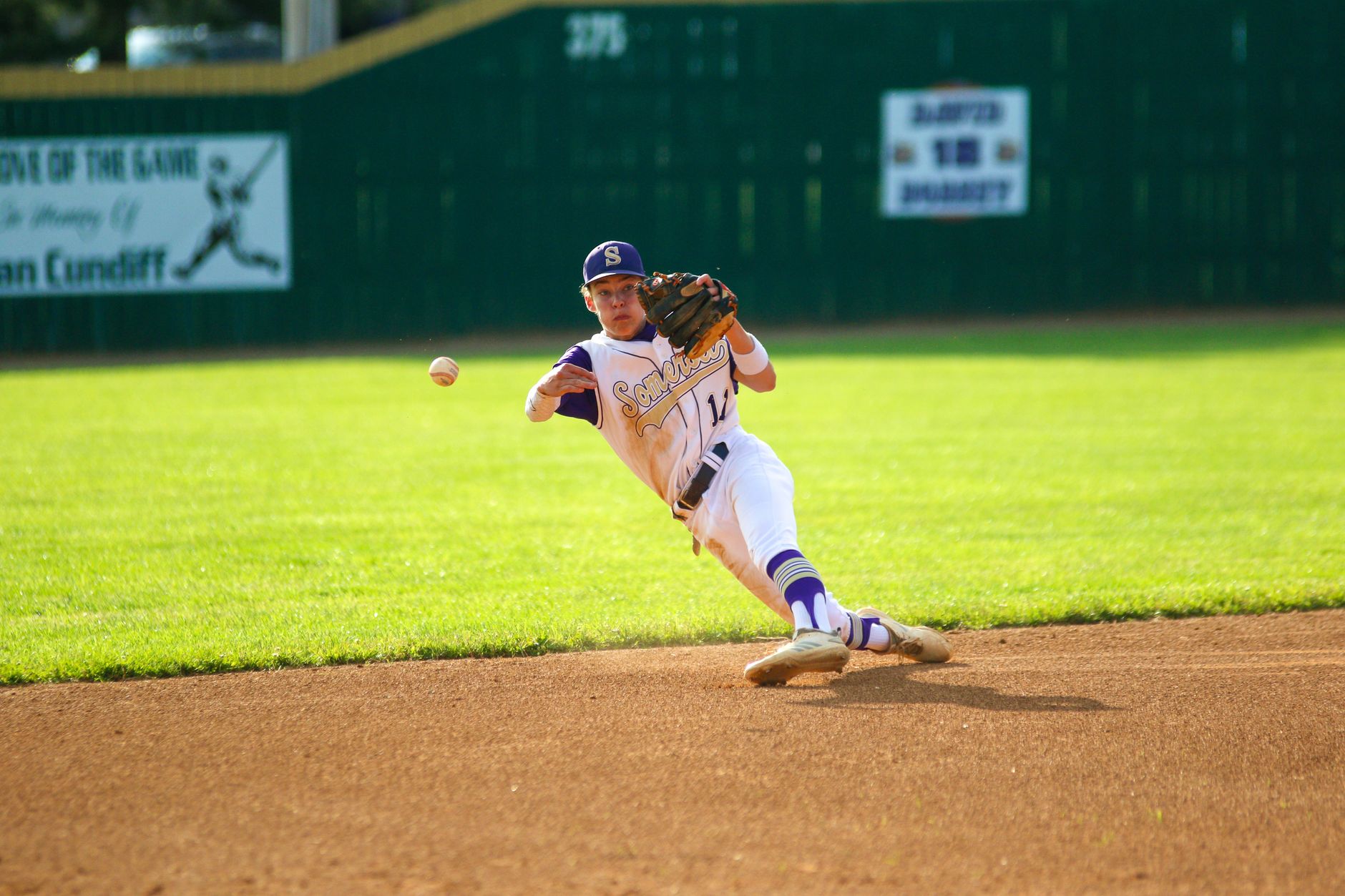
The Nine Positions by Number
Baseball numbers its positions for scorekeeping. A 6-4-3 double play means shortstop to second baseman to first baseman.
| # | Position | Primary demands |
|---|---|---|
| 1 | Pitcher | Arm strength, command, composure under pressure |
| 2 | Catcher | Toughness, arm, leadership, game awareness |
| 3 | First base | Reliable hands, footwork around the bag, usually a bat |
| 4 | Second base | Quick hands and feet, double-play turns |
| 5 | Third base | Reactions, strong arm, fearlessness on hard-hit balls |
| 6 | Shortstop | Range, arm strength, the best all-round infielder |
| 7 | Left field | Reads off the bat, usually the least demanding outfield spot |
| 8 | Center field | Speed, range, outfield leadership |
| 9 | Right field | Strongest outfield arm — the throw to third is longest |
The Premium Positions
Not all positions are equally valued, and this is worth understanding early because it shapes opportunity later.
Catcher, shortstop and center field are the premium defensive spots. They are harder to fill, and programs at every level are perpetually short of players who can genuinely handle them.
| Tier | Positions | Why |
|---|---|---|
| Premium | Catcher, shortstop, center field | Highest defensive demand; chronically scarce |
| Mid | Second base, third base | Specific skills; solid opportunity |
| Bat-first | First base, left field, right field | Offense carries more of the value |
This is the same logic behind the positional adjustment in the WAR statistic — our explainer on what WAR means in baseball covers why a shortstop and a first baseman with identical bats are not equally valuable.
The practical consequence for a developing player: if they can credibly handle a premium position, more doors stay open. It is one of the clearest levers in college recruiting.
Catcher: The Position Nobody Volunteers For
Catcher deserves separate mention because the supply-demand imbalance is extreme. Good young catchers are the single scarcest commodity in youth baseball.
It demands toughness, a quick and accurate arm, and the willingness to be involved in every single pitch. In return, catchers see the whole field, learn the game faster than anyone else, and are recruited disproportionately.
The caution is workload. Catching is high-volume throwing plus significant wear on knees and shoulders. A player who catches and pitches heavily in the same season is carrying real cumulative risk — see our arm care guide for how to manage that.
If your player is willing to catch and has the temperament for it, that decision alone can change their baseball future.
WAR Baseball coaching staff
How Natural Fit Usually Emerges
Position tends to be revealed rather than chosen. Three physical traits do most of the sorting.
| Trait | Points toward | Points away from |
|---|---|---|
| Elite arm strength | Pitcher, catcher, shortstop, right field | Second base, left field |
| Elite foot speed | Center field, shortstop, second base | First base, catcher |
| Size and strength, less speed | First base, third base, corner outfield | Middle infield |
| Quick hands, average arm | Second base, first base | Shortstop, right field |
| High pain tolerance, vocal | Catcher | — |
Temperament matters as much as tools. Pitchers and catchers need composure when things go wrong. Third basemen need to not flinch. Center fielders need to take charge of two teammates.
Left-handed players are a special case worth knowing about. Lefties are effectively limited to first base, the outfield and the mound — the footwork at the other infield spots does not work. That narrows the options but makes a left-handed pitcher unusually valuable.
Why Young Players Should Move Around
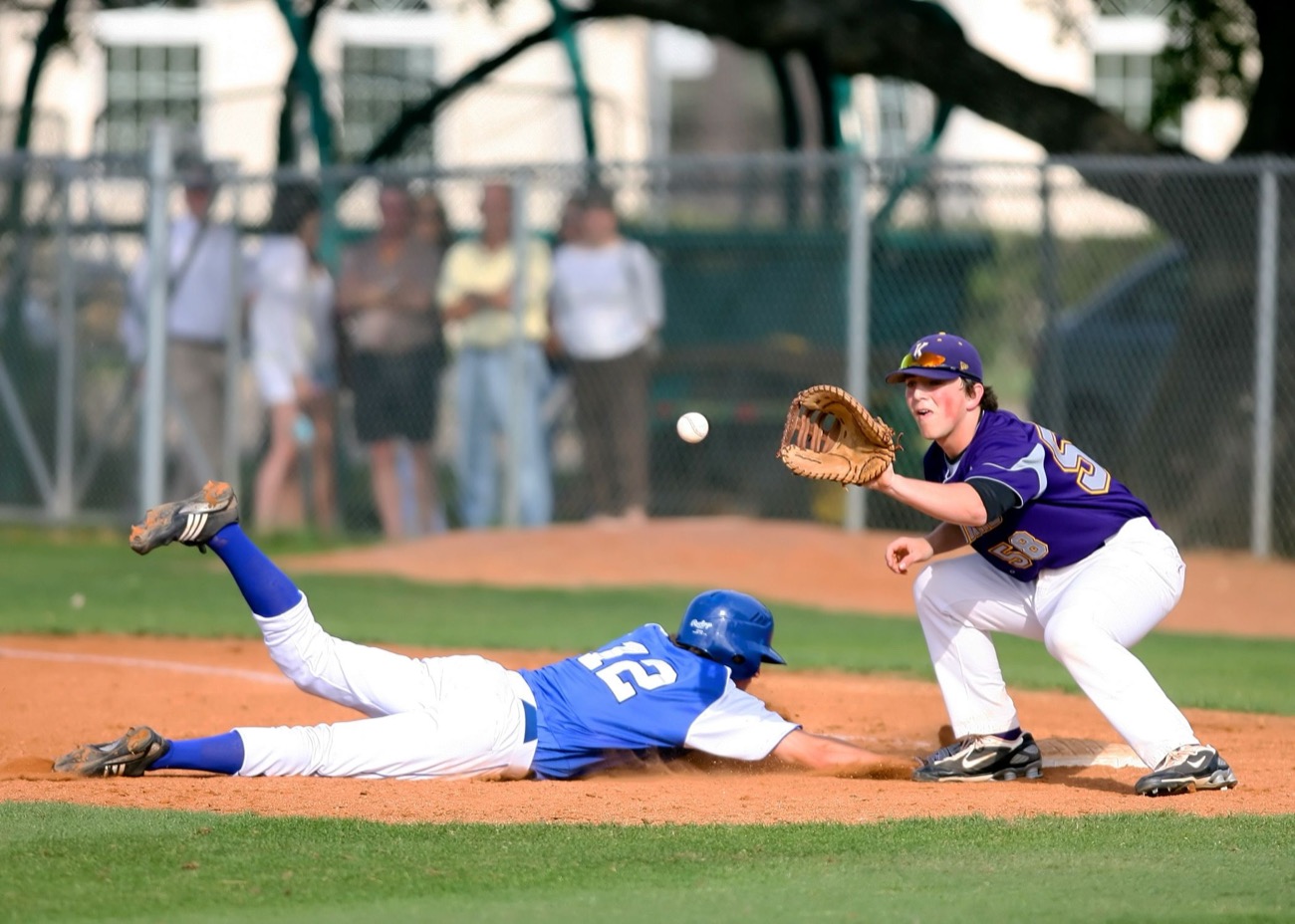
Specialising in a position too early is a smaller version of the same mistake as specialising in a single sport too early.
- Physical development changes everything. The biggest twelve-year-old is often not the biggest sixteen-year-old.
- Playing multiple positions builds a broader defensive skill set that transfers.
- Players who understand several positions read the game faster.
- Versatility earns playing time at every level, especially early in a career.
- A player locked into one spot at ten has nowhere to go if it stops fitting.
Guidance from USA Baseball, the sport’s national governing body, consistently emphasises broad athletic development over early specialisation for youth players.
Our own approach is to move players around at 13U and 14U and let genuine fits emerge by 15U and 16U. You can see how our age groups are structured on the rosters page.
Pitching Is Not a Position
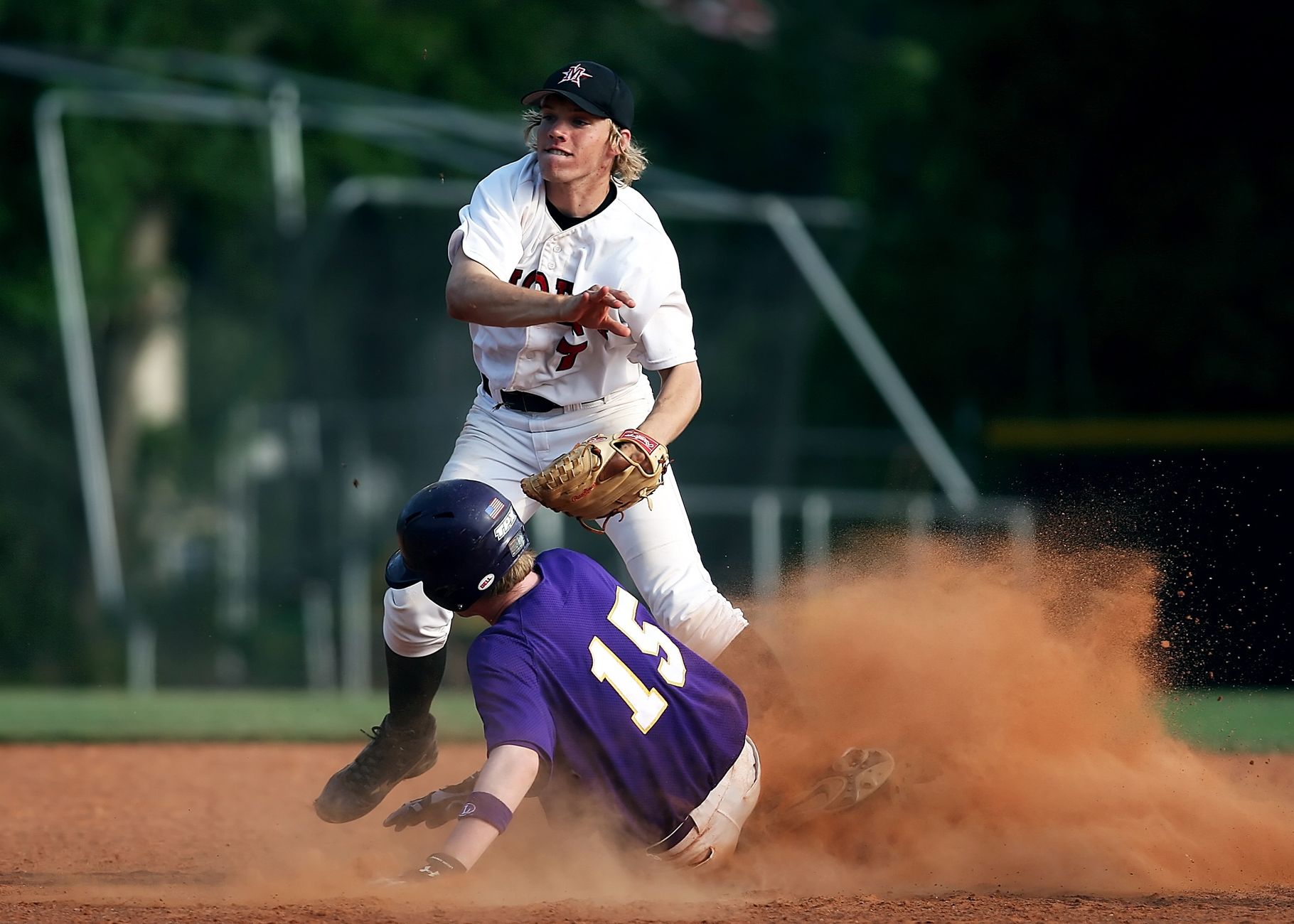
Worth stating plainly, because it causes confusion. Most youth pitchers also play a field position, and treating pitching as a player’s identity at twelve is usually a mistake.
Velocity at younger ages tracks physical maturity more than future ability. Plenty of dominant twelve-year-old pitchers are ordinary at sixteen, and plenty of ordinary twelve-year-olds throw hard later — something covered in our 13U big-field guide, where the mound moves back and the picture changes entirely.
What Parents Can Usefully Do
- Ask what your player enjoys — enjoyment sustains the practice that builds skill.
- Encourage catching if they show any interest at all.
- Do not lobby coaches for a position. It rarely works and reflects poorly, as our parent guide explains.
- Support the boring work — footwork and throwing accuracy decide positions more than hitting.
- Get the right glove. A position-specific glove genuinely matters — see our glove buying guide.
If your player is ready to be evaluated properly across positions, our coaches do exactly that at tryouts — arm strength, foot speed, hands and instincts, then an honest conversation about where they project.
Frequently Asked Questions
What are the nine baseball positions by number?
1 pitcher, 2 catcher, 3 first base, 4 second base, 5 third base, 6 shortstop, 7 left field, 8 center field and 9 right field. The numbering is used for scorekeeping — a 6-4-3 double play means shortstop to second base to first base.
What position should my child play in youth baseball?
Before about age fourteen, the best answer is several. Players who move around the field develop a broader skill set and understand the game better. Natural fits usually emerge from arm strength, foot speed and temperament rather than from a decision made at nine years old.
Which baseball positions are hardest to fill?
Catcher, shortstop and center field are the premium defensive positions, and programs at every level are perpetually short of good ones. Players who can genuinely handle those spots have more opportunities available to them.
Does playing catcher hurt a young player’s arm?
Catching involves a high volume of throws and considerable wear on the knees and shoulders. It is not inherently harmful, but catchers who also pitch heavily carry real cumulative risk, and that combination should be managed carefully.
Can a player change positions later?
Yes, and many do — often as late as high school or college. Athleticism transfers. A player who moves off shortstop to third base or the outfield usually adapts within a season.
Get an Honest Position Evaluation
WAR Baseball coaches evaluate every player across the field at tryouts. Find out where your player actually projects.