
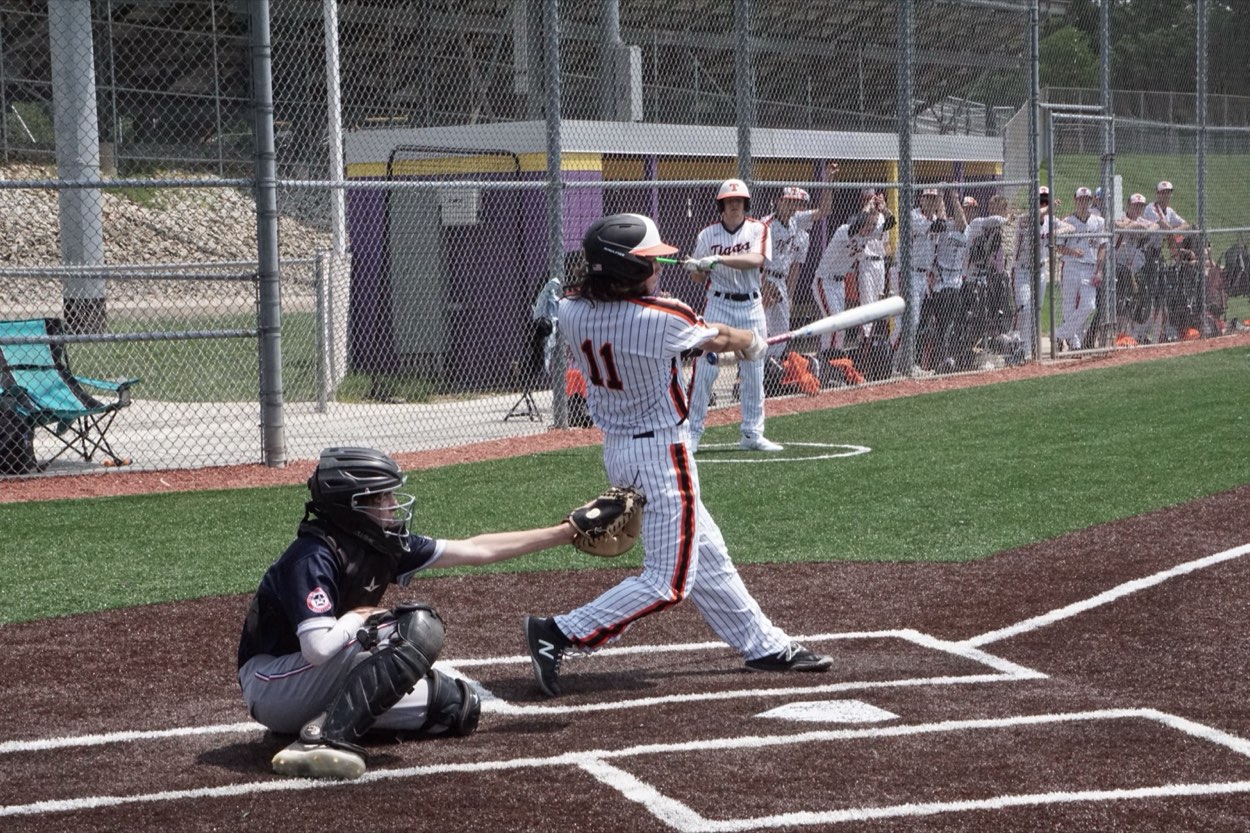
For most travel baseball players, making the high school team is the first goal that carries genuine stakes. It is also the first time a player can be cut.
The transition catches families out because the rules, the calendar and the evaluation criteria are all different from travel ball. Here is how it actually works.
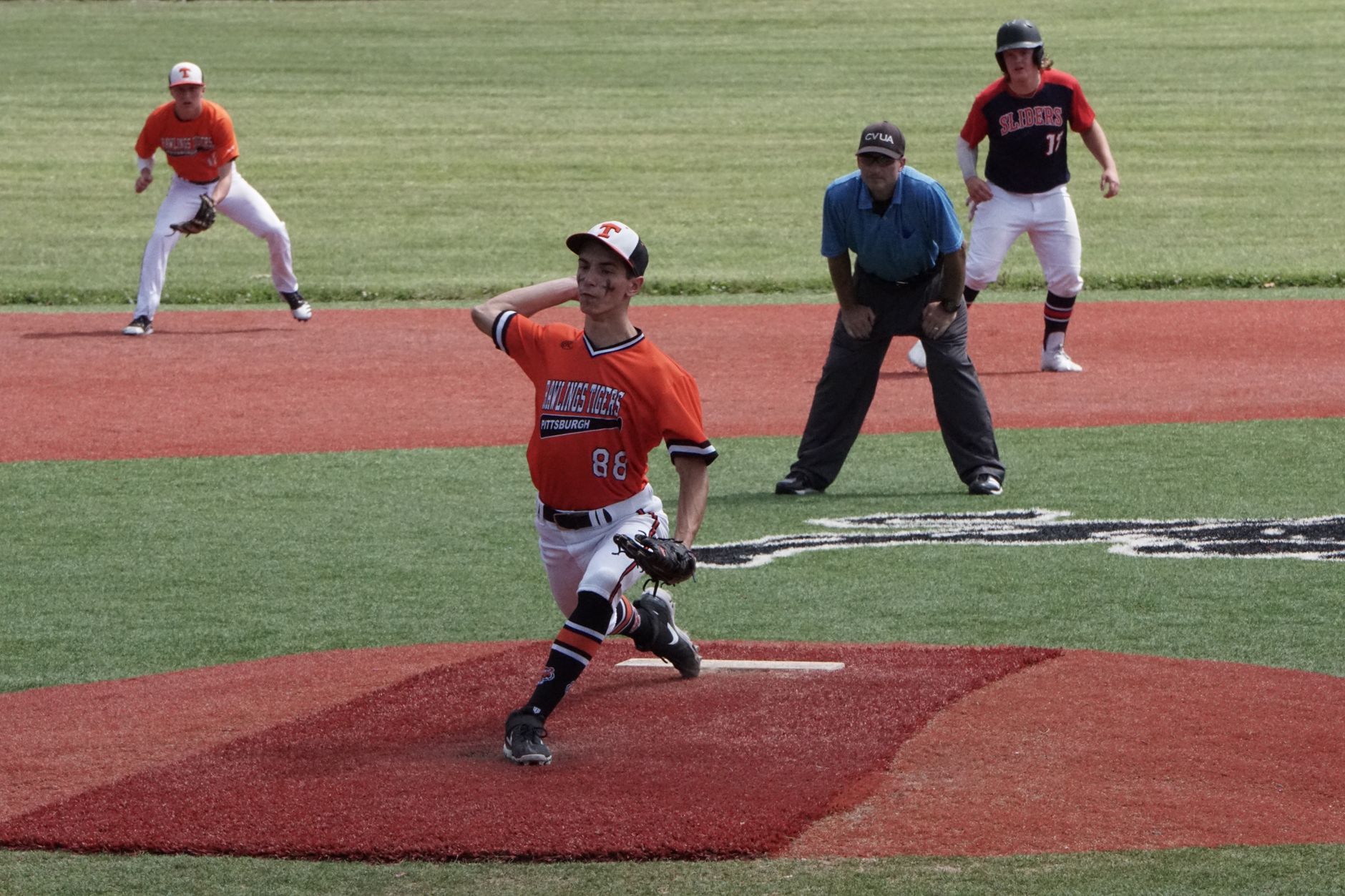
The Florida Calendar
High school baseball in Florida runs in spring, which shapes the whole year for a player.
| Period | What happens |
|---|---|
| Autumn | Open workouts and conditioning — attendance is noticed |
| December | Off-season strength work; travel season quiet |
| January | Tryouts for most programs |
| February – May | High school season |
| Summer | Travel ball resumes; showcases begin for older players |
| Autumn (again) | Fall travel season alongside school workouts |
The autumn workouts matter more than most freshmen realise. Coaches form impressions long before January, and a player who has been showing up since September is a known quantity.
Season dates and eligibility rules are set by the Florida High School Athletic Association, which also governs how much outside baseball a player may play during the school season.
What Changes at This Level
| Travel ball | High school | |
|---|---|---|
| Roster selection | Tryout, usually pay to play | Tryout, and players get cut |
| Schedule | Weekend tournaments | Weekday games, full season |
| Competition | Chosen by age division | Whoever is in your district |
| Playing time | Often related to fees | Purely earned |
| Coaching | Paid specialists | Teachers and school staff |
| Stakes | Development focus | Represents the school; districts and playoffs |
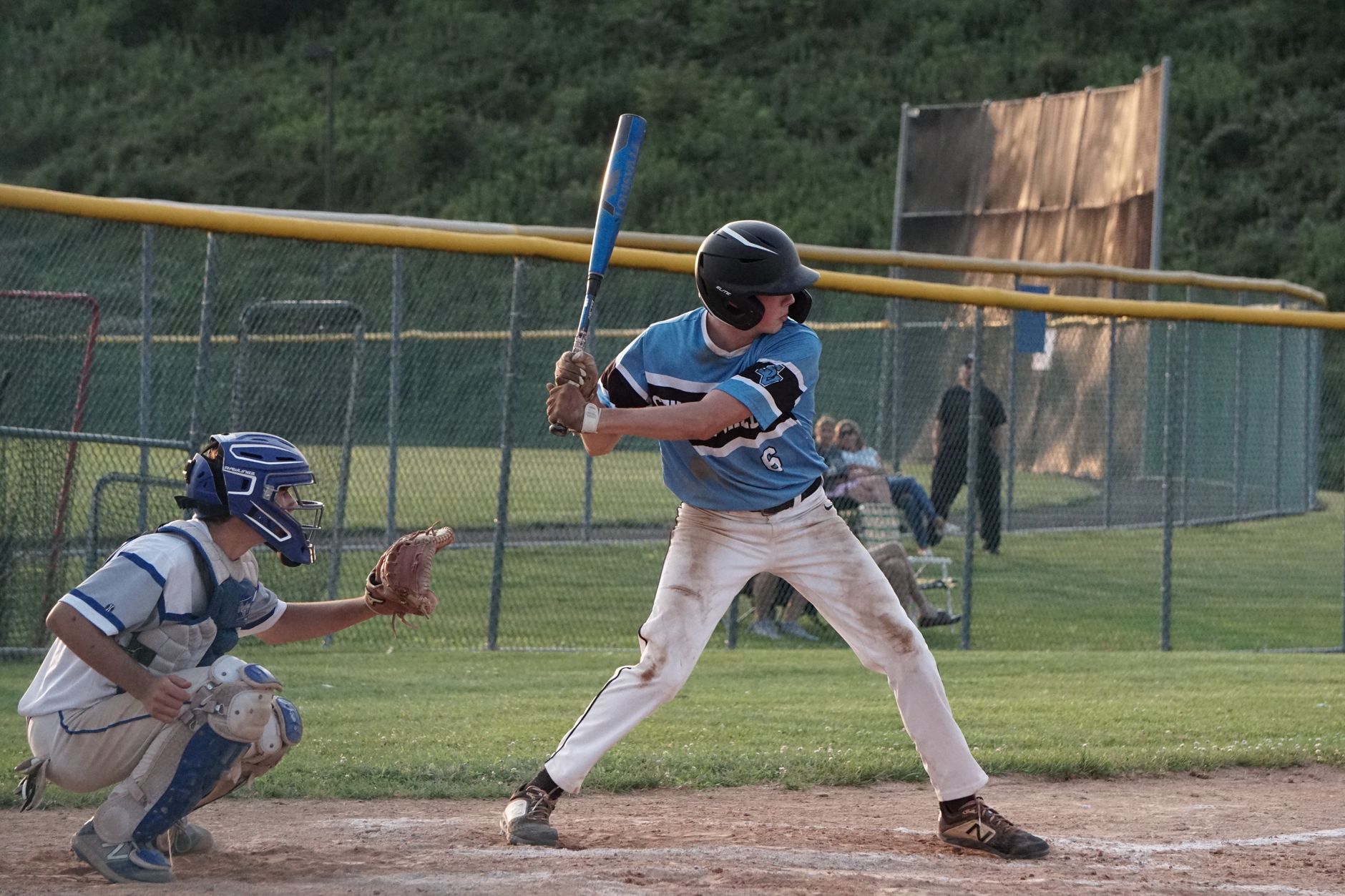
What Coaches Actually Evaluate
High school coaches assess quickly, often across a few days, and are effectively looking for a reason to keep you or cut you.
| Factor | Weight | Notes |
|---|---|---|
| Fundamentals at speed | High | The game is faster; routine plays must stay routine |
| Athleticism | High | Speed and arm strength screen early |
| Attitude and hustle | Very high | Frequently decides borderline cases |
| Coachability | Very high | How you take instruction is watched closely |
| Situational knowledge | Moderate | Bunting, cutoffs, counts, baserunning |
| Reputation | Moderate | Coaches talk; travel coaches get asked |
The bunting point is not trivial. High school baseball asks players to give themselves up in ways travel ball often does not — a freshman who can lay down a sacrifice bunt on demand stands out immediately.
Two players with the same tools, one hustles between drills. That decision takes about four seconds to make.
How borderline calls actually get decided
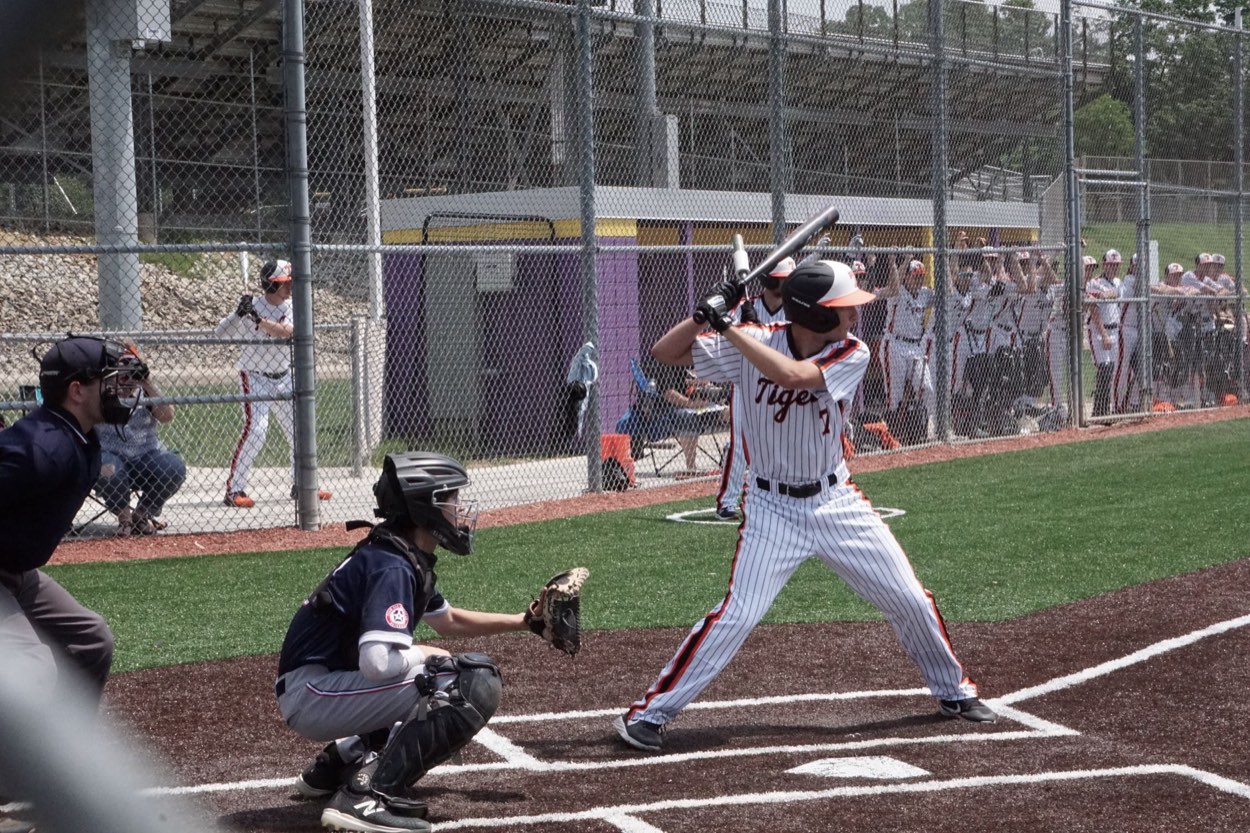
How Travel Ball Helps — and Where It Does Not
Travel players usually arrive better prepared. More repetitions, tougher competition, and coaching from people who played at higher levels all transfer directly.
What does not transfer is entitlement. A player who assumes a spot because they play travel ball makes a poor impression quickly. High school coaches select for their own program’s needs, and they are not obliged to be impressed.
Our players arrive having faced regional tournament competition and having trained year-round, which is the genuine advantage — not the badge.
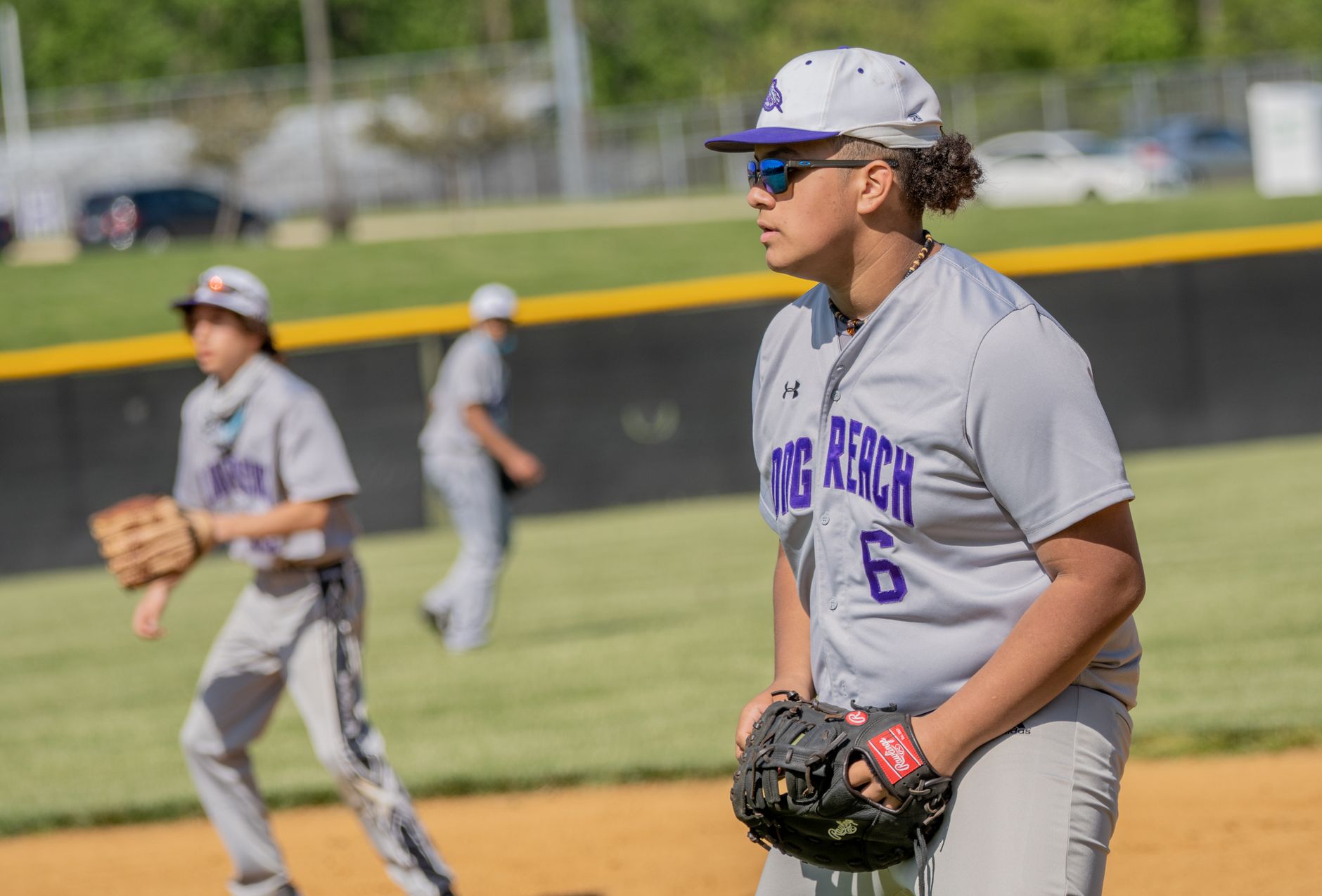
JV or Varsity?
Families often treat this as a status question. It is a development question.
| Scenario | Better choice | Why |
|---|---|---|
| Freshman, would start on JV | JV | Daily repetitions beat occasional innings |
| Freshman, would sit on varsity | JV | Bench time develops nobody |
| Sophomore, would contribute on varsity | Varsity | Better competition, genuine role |
| Junior or senior seeking recruitment | Varsity | Where coaches look |
Very few freshmen benefit from a varsity bench spot. Playing every day matters more at that age than the label on the jersey — a point that also applies to college recruiting, where game repetitions produce the video and metrics coaches want.
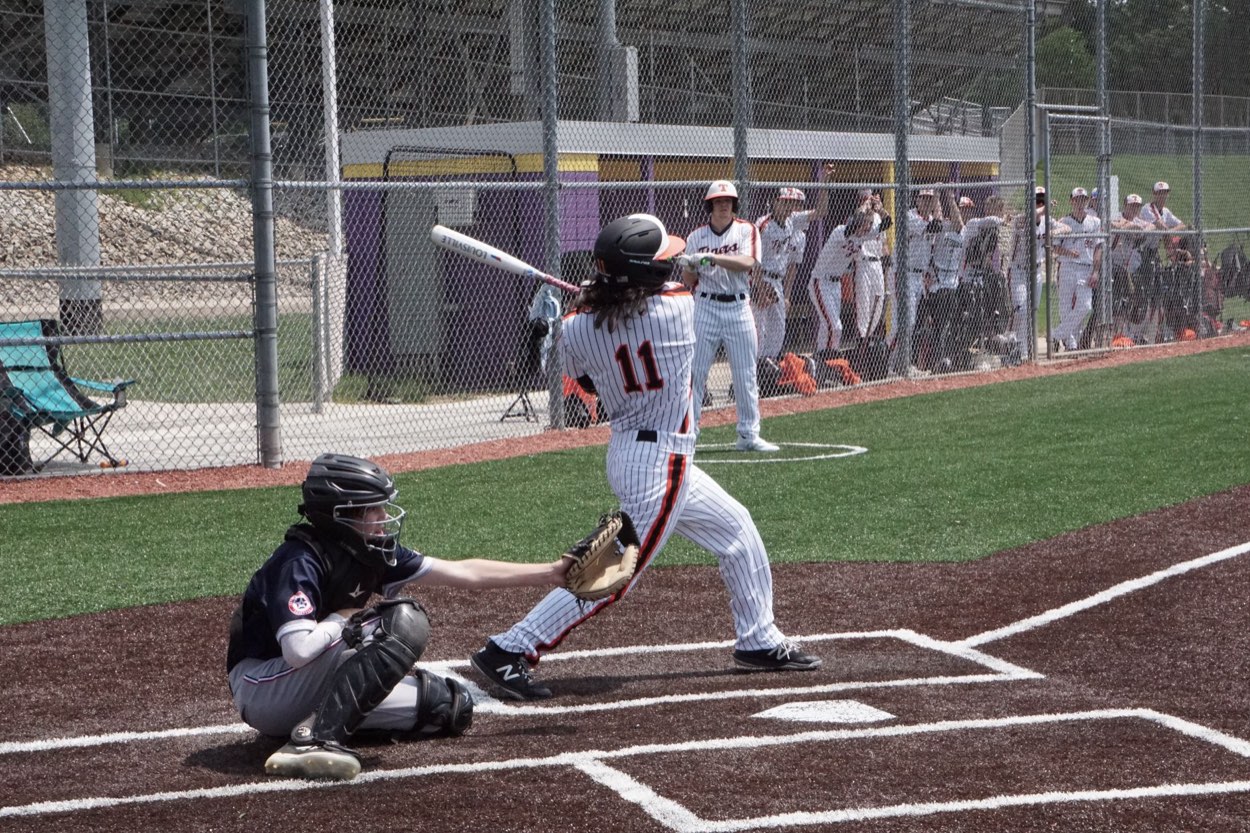
Preparing for Tryouts
- Show up in the autumn. Open workouts are the real first tryout.
- Contact the coach beforehand and ask what to work on — it signals the right attitude.
- Arrive in shape. Tryouts run several days and test endurance.
- Learn the small things — sacrifice bunts, cutoffs, situational baserunning.
- Sprint everywhere. The same rule as our travel baseball tryout guide.
- Manage your arm. Arriving with a tired arm from fall ball helps nobody — see our arm care guide.
The Academic Half
Eligibility is the part families forget until it becomes a problem. Florida high school athletes must maintain minimum academic standards to compete, and a player who falls below them sits regardless of ability.
| Requirement | Why it matters |
|---|---|
| Minimum GPA for eligibility | Falling below it removes a player from the roster mid-season |
| Attendance standards | Enforced alongside academic requirements |
| NCAA core courses | Must start freshman year — cannot be fixed retroactively |
| Standardised testing | Widens college options and unlocks academic aid |
The NCAA core-course requirement catches families out most often. Those courses have to be taken from freshman year onward, so a junior who decides they want to play in college cannot go back and fix a transcript — a point our recruiting timeline covers in more detail.
If They Get Cut
It happens, including to good players, and it is rarely permanent.
The productive response is to ask the coach directly what to work on, then spend the year doing it while continuing to play travel ball. Plenty of players cut as freshmen make the team as sophomores, and a few go on to play in college.
Handling that conversation well is itself a skill — one our guide to the mental game covers, and one that matters far beyond baseball.
Our coaching staff has prepared Tallahassee players for high school programs since 2011, including at Lincoln and Chiles. If your player is approaching that transition, come to a tryout and get an honest evaluation.
Frequently Asked Questions
When are high school baseball tryouts in Florida?
Most Florida high school programs hold tryouts in January, with the season running February through May. Conditioning and open workouts often begin in the autumn, and attending those matters more than most freshmen realise.
Does travel baseball help you make the high school team?
It helps considerably. Travel players arrive with more repetitions against better competition, and coaches often already know them. It does not guarantee anything — high school coaches select for their own program’s needs.
What do high school baseball coaches look for at tryouts?
Fundamentals executed at speed, athleticism, and attitude. Coaches are looking for a reason to keep you or cut you. Hustle, coachability and being a good teammate carry more weight than families expect, especially for borderline players.
Should a freshman play JV or varsity?
Playing every day on JV is almost always better than sitting on varsity. Development comes from repetitions. Very few freshmen benefit from a varsity bench spot.
Can you play high school and travel baseball at the same time?
Not usually in the same season — they overlap. Most players do high school in spring and travel ball in summer and fall. Check your state association rules, which restrict outside participation during the school season.
Prepare for the Next Level
WAR Baseball develops 13U through 17U players in Tallahassee, with coaches who have taken players through the high school transition for over a decade.