
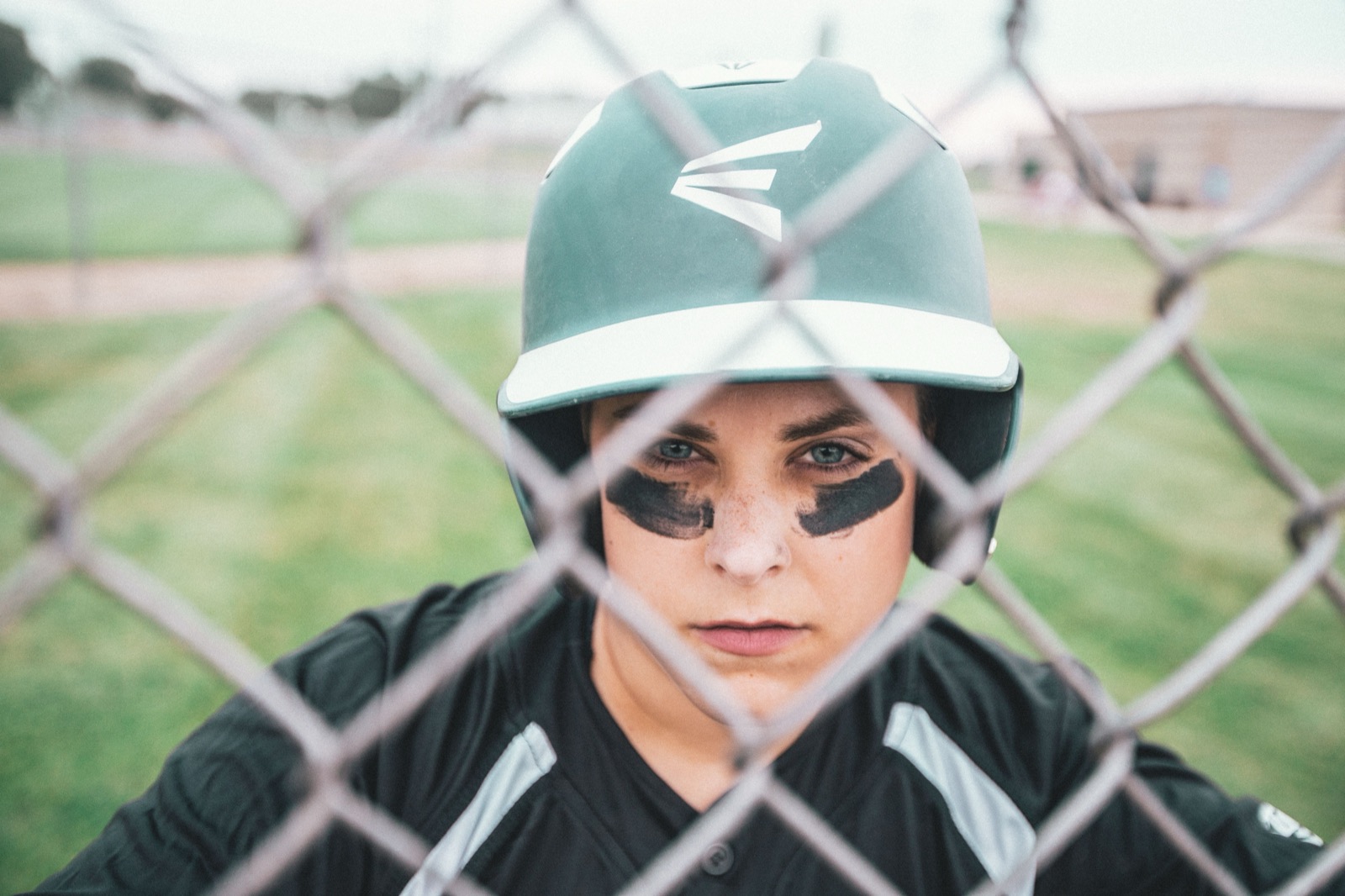
Youth baseball injury conversations focus almost entirely on arms, and for good reason — throwing overuse is the most common serious problem in the sport.
But the injuries that most often send a young player to hospital are different: batted balls, collisions and slides. Nearly all of them are preventable, and most families under-invest in exactly the equipment that prevents them.
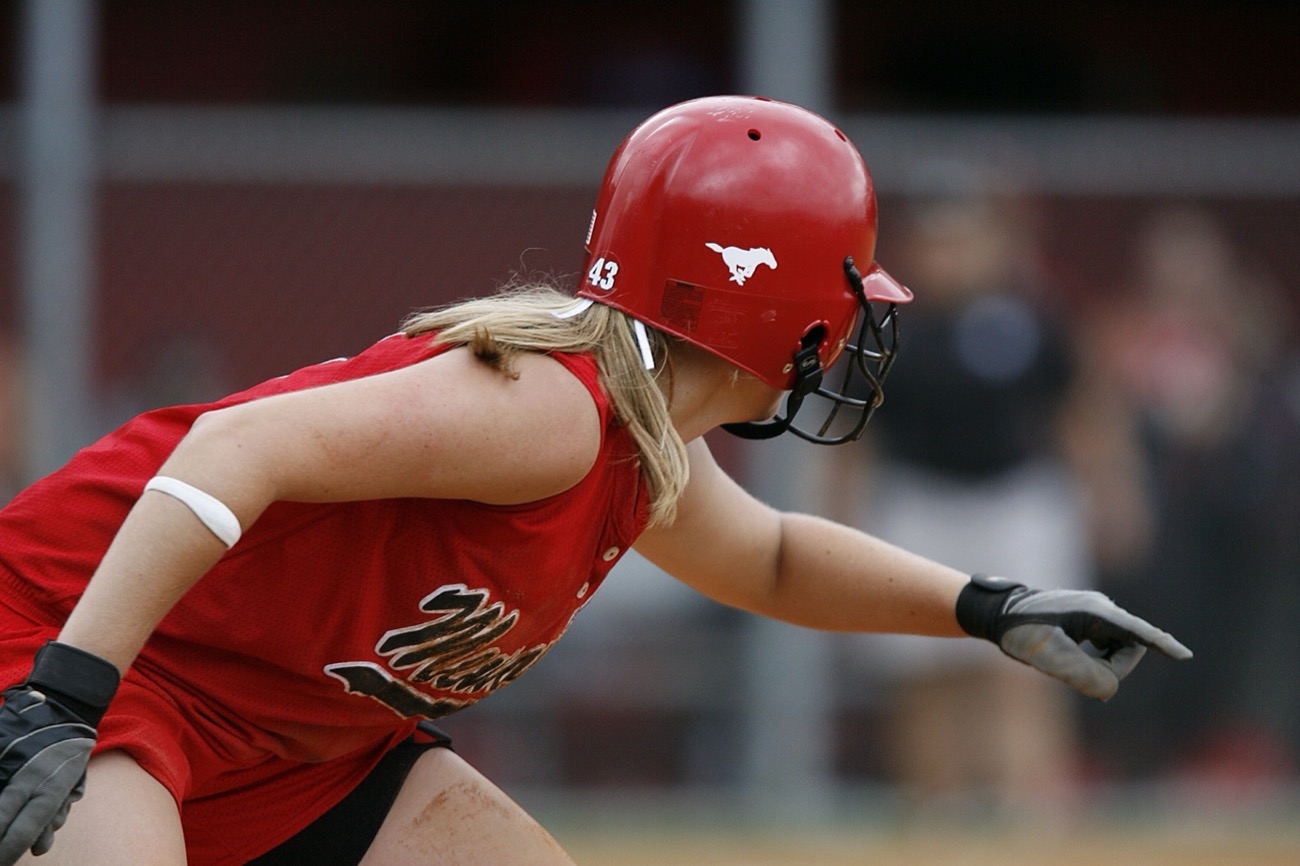
The Real Risk Picture
| Risk | How it happens | Primary prevention |
|---|---|---|
| Batted ball to the head or face | Line drives, foul balls, pitchers and corner infielders | Helmets with face guards; fielder’s masks |
| Pitched ball to the batter | Errant pitch at the plate | Properly fitted helmet, jaw guard |
| Fielding collision | Two players converging on a fly ball | Communication and priority rules |
| Sliding injury | Hands, ankles, knees | Feet-first default; taught technique; break-away bases |
| Base collision | Runner and fielder at a bag | Rules and coaching; break-away bases |
| Foul ball off the foot | Batter fouling straight down | Foot and shin guards |
Note how many of these involve the head and face. A baseball is hard, and at 13U and above it arrives fast enough to cause serious injury.
Helmets and Face Protection
A properly fitted batting helmet is non-negotiable and universally required. The more useful conversation is about face protection, which remains optional in many leagues.
- Fit first. A helmet that shifts when the player shakes their head is too big.
- Face guards meaningfully reduce facial fractures and dental injuries.
- Jaw guards add coverage to the side of the face with minimal vision cost.
- Replace after significant impact — the protective foam compresses.
- Do not buy used helmets unless you know their history.
The objection is usually that face guards look unusual or restrict vision. Neither holds up well against a fractured orbital bone, and they are increasingly common at youth level.
Nobody regrets the face guard. Plenty of families regret not having one, once.
What we tell parents who ask

Position-Specific Protection
| Position | Additional gear worth considering |
|---|---|
| Catcher | Full set: helmet and mask, chest protector, leg guards — non-optional |
| Pitcher | Fielder’s mask increasingly used; heart guard in some programs |
| Third base | Fielder’s mask worth considering — reaction time is short |
| First base | Fielder’s mask in some programs |
| Batter | Face or jaw guard; foot and shin guard |
| Baserunner | Sliding shorts; sliding mitt for frequent base stealers |
Catchers carry the most gear and the most risk — our catching guide covers fit and workload in detail. Fit matters more than brand for every item on that list.
Guidance from child safety organisations such as Safe Kids Worldwide consistently emphasises properly fitted equipment and age-appropriate rules as the two most effective interventions in youth sport.
Sliding
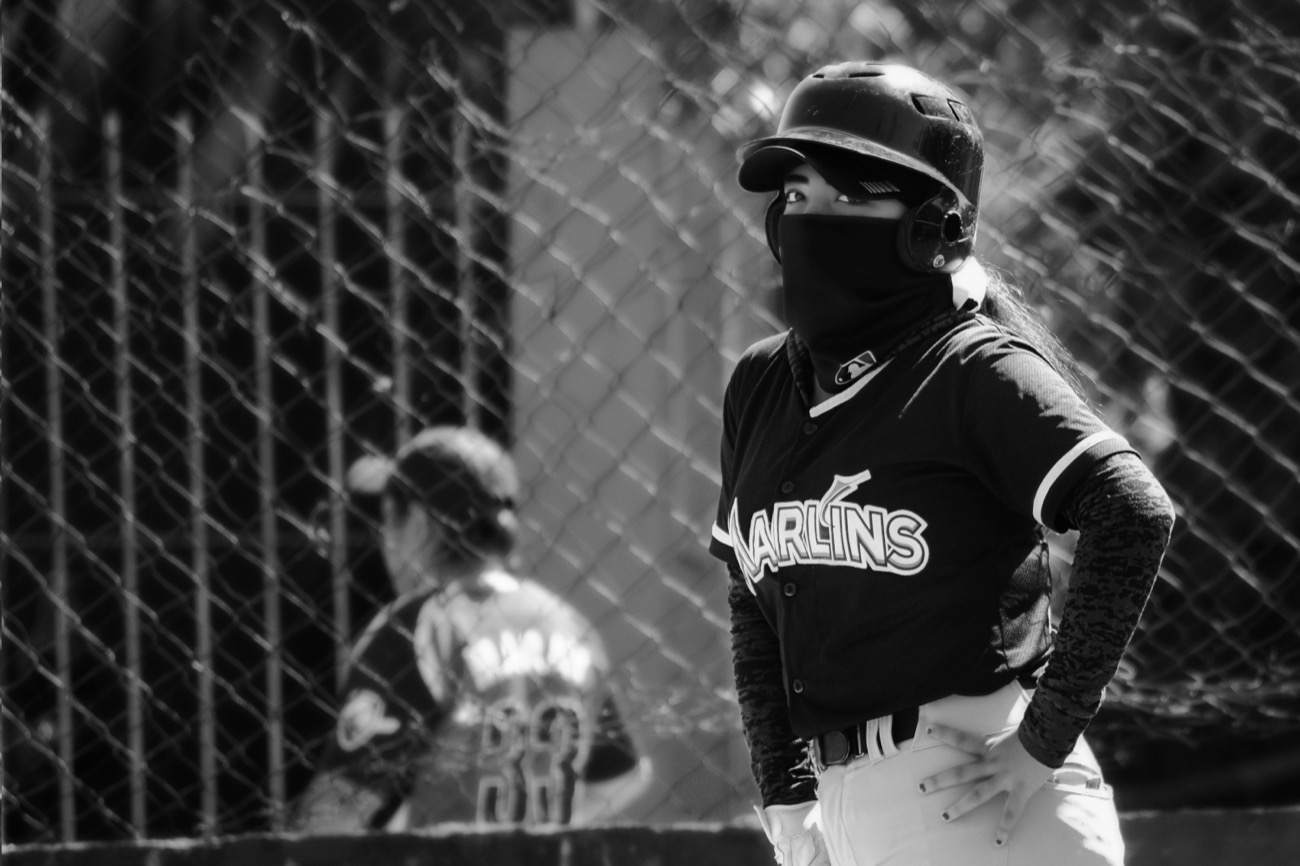
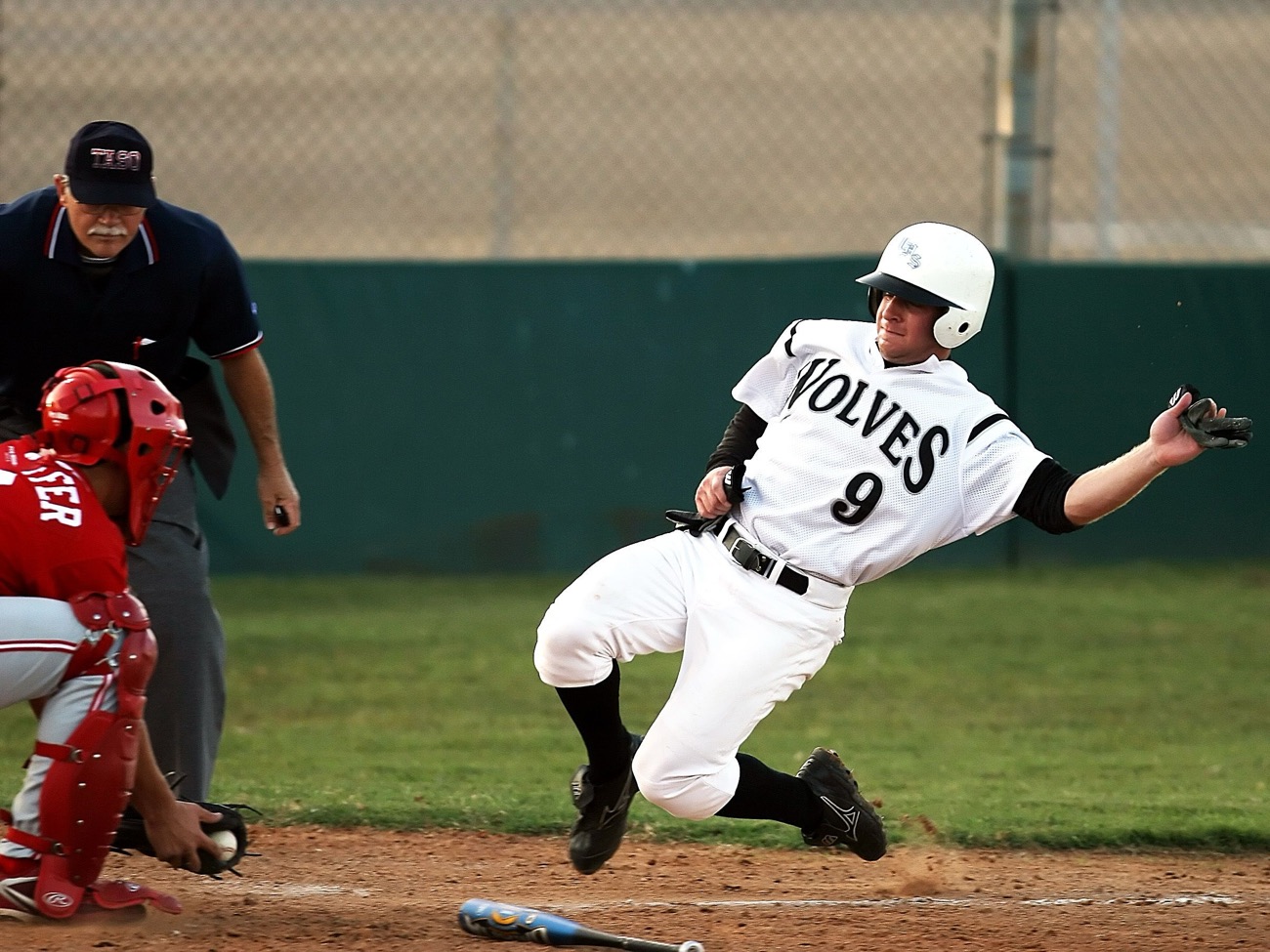
Sliding injuries are common and largely a coaching problem rather than a bad-luck one.
| Practice | Why |
|---|---|
| Feet-first as the default | Lower hand, wrist and shoulder injury risk than head-first |
| Commit early | Most injuries happen when a runner changes their mind mid-slide |
| Never slide into first base | Slower and higher risk than running through |
| Teach it on grass or a mat first | Learning technique at speed on dirt is how players get hurt |
| Hands up, not down | Keeps fingers away from the bag and from spikes |
| Break-away bases where available | Reduce force on ankles and knees significantly |
Sliding mitts are worth a mention. They are a padded glove worn on the lead hand, protecting fingers from catching on the bag. Not essential for everyone, but sensible for a player who steals frequently — see our baserunning guide.

Collisions
Two fielders converging at speed on a shallow fly ball is one of the more serious injury mechanisms in youth baseball, and it is almost entirely preventable through communication.
- Call loudly and repeatedly — one call is not enough at a noisy complex.
- Establish priority rules and practise them: outfielders over infielders on shallow balls, centre field over the corners.
- The player calling it off has the ball; everyone else peels away and clears.
- Practise it at game speed, not just walking through it.
- Coach players to expect a teammate rather than assume the ball is theirs.
This overlaps directly with the communication section of our infield defense guide. Teams that talk avoid collisions; teams that do not eventually have one.
Concussion
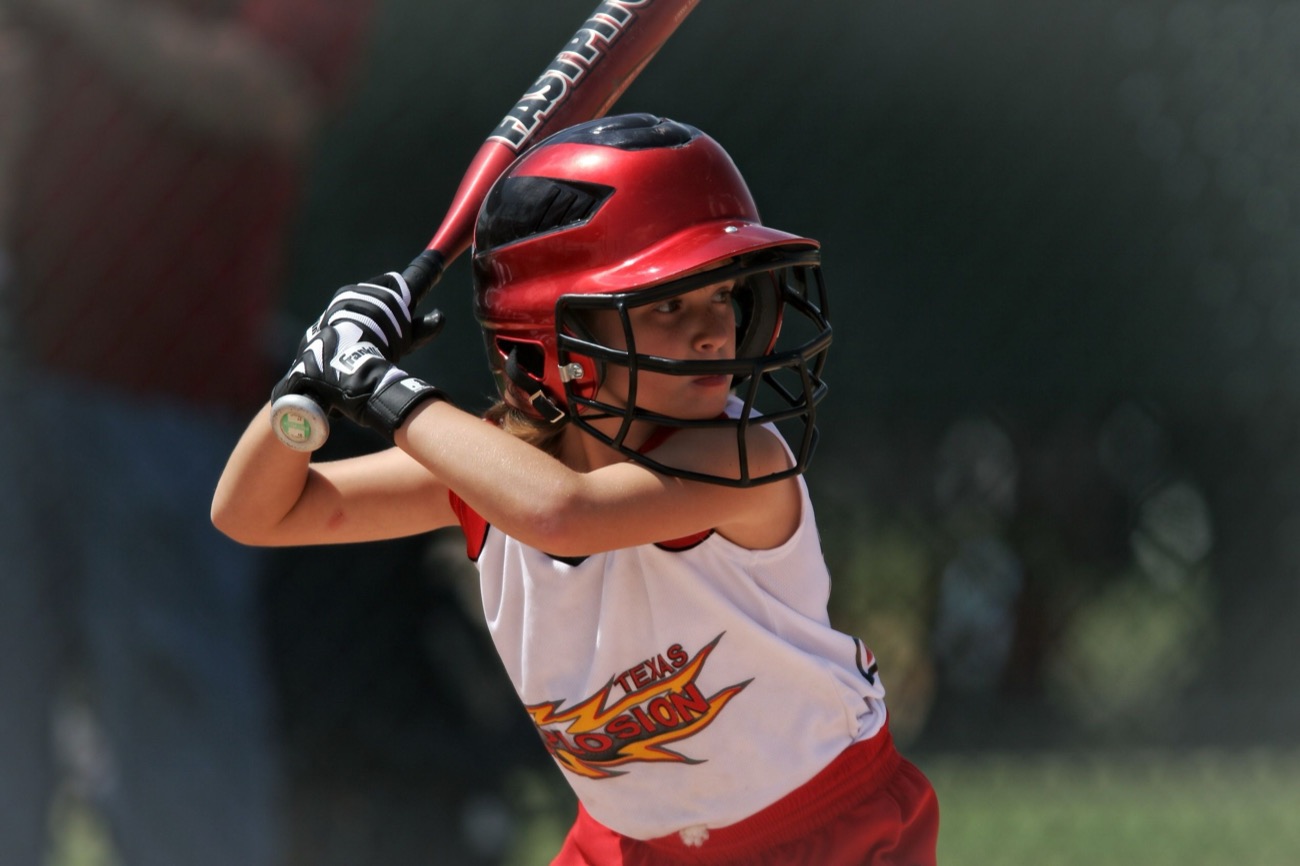
Concussions in baseball come mainly from batted or pitched balls and from collisions. They are less frequent than in contact sports but they do occur, and the response matters.
- Any suspected concussion means removal from play that day — no exceptions.
- Symptoms can appear hours later; monitor overnight.
- Return to play requires medical clearance and a graded progression, as our return from injury guide describes.
- Never let a player talk their way back in on the day it happens.
- Coaches and parents should know the signs: confusion, headache, balance problems, unusual emotion.
What We Would Prioritise
If a family is deciding where to spend on safety equipment, the order is fairly clear.
| Priority | Item | Rough cost |
|---|---|---|
| 1 | Properly fitted batting helmet | $40 – $90 |
| 2 | Face or jaw guard for the helmet | $25 – $60 |
| 3 | Athletic cup | $15 – $30 |
| 4 | Full catcher’s set (if catching) | $200 – $400 |
| 5 | Sliding shorts | $25 – $45 |
| 6 | Fielder’s mask (pitcher, third base) | $50 – $80 |
| 7 | Sliding mitt | $30 – $50 |
The first three cost less than a single tournament weekend and cover the most serious risks. Our cost breakdown puts equipment in the context of a full season, and our glove guide and bat guide cover the rest of the kit.
Frequently Asked Questions
What protective equipment do youth baseball players need?
A properly fitted batting helmet is essential, and increasingly one with a face guard or jaw guard. Catchers need full gear. Beyond that: an athletic cup, sliding shorts, and for some positions a fielder’s mask, heart guard or shin and foot guards.
Should young baseball players wear face guards on helmets?
Many programs now recommend it. Face guards and jaw guards meaningfully reduce facial fractures and dental injuries from errant pitches and foul balls, and the performance cost is negligible.
Is head-first sliding dangerous for young players?
It carries higher hand, wrist and shoulder injury risk than feet-first, and many youth leagues restrict it. Feet-first should be the default, and sliding should be taught properly rather than improvised in a game.
What is a sliding mitt and does my player need one?
A padded glove worn on the lead hand when sliding, protecting fingers from being caught on the bag or spiked. Not essential, but a reasonable precaution for players who steal frequently.
How do you prevent fielding collisions?
Communication. Calling for the ball loudly and repeatedly, established priority rules, and practising it. Collisions between converging fielders are among the more serious youth baseball injuries and are largely preventable.
Safety Is Part of Coaching
WAR Baseball manages workload, teaches sliding properly and coaches communication. See upcoming tryouts for 13U through 17U in Tallahassee.