
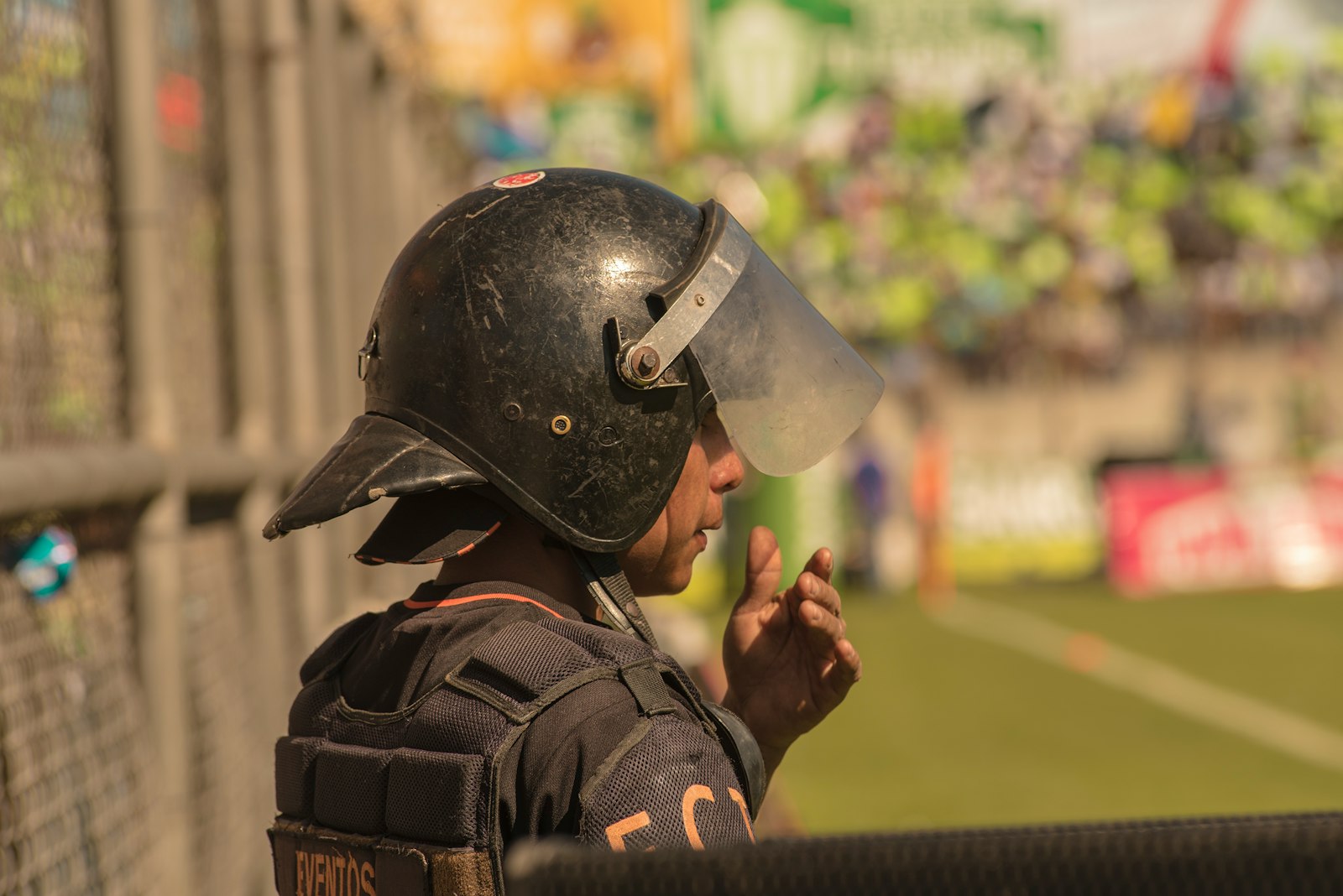
Youth baseball has an umpire problem, and it is not that the umpires are bad.
Tens of thousands of officials have left youth and high school sports in recent years, and surveys consistently find the same reason: how they are treated by adults in the stands. The consequence lands on the players.
The Scale of It
| Finding | What surveys of youth sports officials report |
|---|---|
| Officials lost | Roughly 50,000 have left since 2018-19 |
| Early attrition | About 80% quit before their third year |
| Assault | Around 13% report having been assaulted |
| Safety | Roughly 47% report having feared for their safety |
| Ejections | About 64% have ejected a spectator for behaviour |
| Respect | Around 59% say they do not feel respected by spectators |
Read the second row again. Four in five new officials quit within three years — which means the umpire at your child’s game is disproportionately likely to be inexperienced, because the experienced ones left.
The umpires we complain about are inexperienced largely because we drove out the experienced ones.
The uncomfortable arithmetic
What It Costs Your Player
- Fewer games. Events get cancelled or shortened when no officials are available.
- Less consistency. Inexperienced umpires call a more variable strike zone.
- Higher fees. Scarcity raises the cost, which flows into tournament entry fees.
- A worse environment. Players notice tension between adults, and it affects them.
- A bad lesson. Children learn that authority is something to shout at.
The National Association of Sports Officials tracks these trends and publishes survey work on officiating recruitment and retention — worth reading for anyone who thinks the problem is overstated.
Who These People Actually Are
At youth level, most umpires are not career officials.
| Reality | Implication |
|---|---|
| Frequently teenagers | Often only a few years older than the players |
| Sometimes their first job | Learning in public, under pressure |
| Multiple games per day | Fatigue in Florida heat is a real factor |
| Modest pay | Not enough to justify abuse |
| Variable training | Consistency across a weekend is unrealistic |
This does not mean bad calls should be pretended away. It means the response should be proportionate to a sixteen-year-old doing a hard job for very little money.
The Rules for Parents
There is really only one, and it admits no exceptions: never address an umpire.
- Not to disagree. Not to clarify. Not to say something you consider light-hearted.
- Not between innings, not in the car park, not at the concession stand.
- Concerns go to your coach, who decides whether to raise them.
- If a rule has genuinely been misapplied, that is a coach’s conversation.
- If you cannot manage this, watch from further away. That is a legitimate solution.
Coaching from the fence and arguing with officials are the two behaviours most likely to embarrass a player, as our parent guide sets out at greater length.
What Players Should Learn
| Situation | What a player should do |
|---|---|
| Called out on a borderline pitch | Return to the dugout without reaction |
| Disagrees with a call at a base | Nothing — play resumes immediately |
| Hears a teammate complaining | Reset them; it helps nobody |
| Strike zone is inconsistent | Adjust to it — that is a skill |
| End of the game | Shake hands, including with the umpire |
Adjusting to the zone is worth emphasising as a competitive skill rather than a moral one. A hitter who identifies within two innings that the umpire is calling the low strike and adapts is simply a better hitter — a form of the situational thinking in our baseball IQ guide.
What Coaches Should Model
Parents take their cue from coaches more than they realise. A coach who argues every call gives the stands permission to do the same.
| Coach behaviour | Effect on the stands |
|---|---|
| Calm question between innings | Sets a ceiling on parent behaviour |
| Arguing balls and strikes | Signals that shouting is acceptable |
| Thanking the umpire afterwards | Models it for players and parents |
| Addressing a parent who crosses the line | Far more effective than the umpire doing it |
| Ignoring a bad call entirely | Teaches players to move to the next pitch |
The fourth row matters most. An umpire asking a parent to stop escalates; a coach doing it usually ends it — and it is the coach’s job, not the official’s.
Knowing the Rules Helps
A surprising share of sideline anger comes from spectators being wrong about the rule.
The infield fly, the dropped third strike, obstruction versus interference, and the fact that youth leagues use different rulebooks all generate confident objections to correct calls. Our guide to baseball rules for parents covers the ones that cause most of it.
Learning them has a double benefit: fewer wrongly aggrieved moments, and a better understanding of what your player is being coached to do.
Consider Officiating
It is worth saying plainly: the shortage is solvable, and one obvious solution is more people doing it.
Umpiring is reasonable work for a teenager — it pays, it builds confidence and decision-making, and it produces a permanently different perspective on the game. A number of high school players umpire younger divisions, and it makes them better teammates.
If your player is 15 or older and looking for work, most local associations run clinics before each season and are actively recruiting.
The Wider Point
Roughly seven in ten children stop playing organised sport by around age thirteen. The reasons given are consistent: it stopped being fun, and adult behaviour was part of that.
Umpire abuse is one visible expression of a broader problem — treating youth games as though the outcome matters more than the experience. It does not, and the players can tell which one the adults believe.
Our coaching staff holds a simple standard on this at every WAR game: players compete hard, and nobody in our dugout or our stands talks to the umpire. If that matters to your family, come and see us.
Frequently Asked Questions
Why is there an umpire shortage in youth baseball?
Primarily because of how officials are treated. Surveys of youth sports officials report widespread verbal abuse and safety concerns, and tens of thousands have left the role in recent years — with the majority quitting within their first three years.
Should parents ever talk to an umpire?
No. It accomplishes nothing, embarrasses the player, and in many leagues can result in ejection. Concerns about rules interpretation should go through the coach, and only through the coach.
What do you do if an umpire makes a wrong call?
Nothing, in the moment. Umpires miss calls, as do players and coaches. If a rule has genuinely been misapplied, the coach — not a parent — raises it calmly with the umpire between innings.
How do you teach young players to respect officials?
Mostly by modelling it. Players take their cue from the adults around them. A parent who argues from the stands teaches more than any conversation about sportsmanship will undo.
Are youth baseball umpires trained?
Training varies widely. Many youth umpires are teenagers working their first job, often officiating several games a day in the heat for modest pay. Expecting professional consistency is unrealistic.
Play in a Program With Standards
WAR Baseball expects hard competition and genuine respect for the game. See upcoming tryouts for 13U through 17U in Tallahassee.