
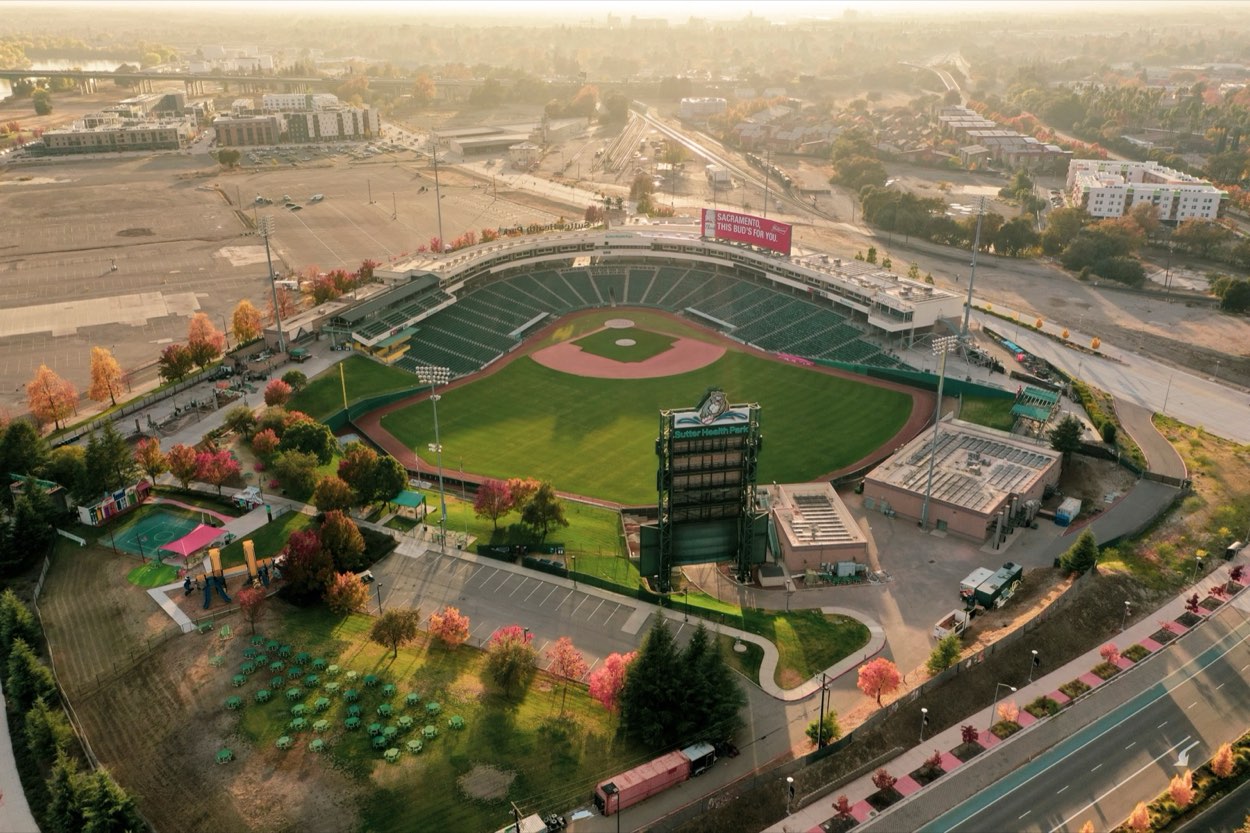
Florida runs two travel baseball seasons, and families routinely treat them as the same thing twice. They are not, and using them interchangeably wastes the value of both.
Fall is a development season. Spring is a competitive one. Knowing which is which changes what you should ask of a player in each.
The Two Seasons Compared
| Fall | Spring / Summer | |
|---|---|---|
| Tryouts | July – August | November – January |
| Runs | Late August to Thanksgiving | February into July |
| Tournaments | 2-4 typically | 4-8 or more |
| Competitive intensity | Lower — instructional | Higher — results matter |
| Roster stability | Often newly formed | Set in winter, carried through |
| Best used for | Development and experimentation | Competition and evaluation |
| Recruiting weight | Limited | Substantial |
The recruiting row is the one families most often get backwards. Fall camps and fall events are widely marketed as exposure opportunities, but college coaches are running their own programs in autumn. Evaluation concentrates on summer events and spring performance.
Use the fall to get better. Use the spring to be seen. Reversing that wastes both.
WAR Baseball coaching staff
What Fall Is Genuinely Good For
- Mechanical change. A swing or delivery adjustment needs low-stakes games to bed in, and fall provides them.
- Trying a new position. Far easier when a loss costs nothing — see our positions guide.
- Giving young pitchers innings. Command develops in games, not bullpens.
- Building a new roster. Teams formed in August need time before spring.
- Adjusting to a bigger field. The 13U jump is far kinder in the fall — see our big-field guide.
The permission to experiment is the real asset. A player who spends the fall grinding for results has effectively played two competitive seasons and had no development window at all.
What Spring Demands
Spring is where the roster settles, the competition sharpens and — for older players — the evaluation happens.
| Priority | Why it changes in spring |
|---|---|
| Consistency | Coaches watch performance over a season, not one weekend |
| Health | A player injured in April misses the entire evaluation window |
| Role clarity | Positions settle; two-way loads need managing |
| Showcase timing | Summer events follow spring; arriving fresh matters |
| Academics | Spring overlaps with exams — see our balancing guide |
Spring also overlaps with the high school season for older players, which creates the workload problem our two-way player guide covers — two coaches, one arm, and nobody adding up the total.
Should a Player Do Both?
Many do. The honest test is not whether they can, but whether a genuine off-season exists somewhere in the calendar.
| Pattern | Verdict |
|---|---|
| Fall + spring, real winter break | Sustainable — the common healthy pattern |
| Spring + summer only | Sustainable, with a long autumn off |
| Fall + spring + summer, no break | The injury pattern |
| Fall only, other sport in spring | Excellent for younger players |
| Year-round with lessons on top | The highest-risk arrangement there is |
Sports medicine guidance consistently recommends two to three months per year away from overhead throwing. Florida’s two-season structure makes that easy to skip, because there is always another season starting — which is precisely why our specialisation guide treats it as a deliberate decision rather than a default.
Picking a Season to Skip
If something has to give, the choice is usually clearer than it feels.
- Younger players (13U-14U) — skipping fall to play another sport is rarely a loss and often a gain.
- Players changing mechanics — keep fall, skip a summer showcase block.
- Recruiting-age players — protect spring and summer; fall is the flexible one.
- Anyone coming off an injury — the season after return should be lighter, per our return-to-play guide.
- Pitchers with heavy spring innings — a lighter fall is sensible, not soft.
Note what is absent from that list: skipping a season because a player had a disappointing one. A bad spring is usually a reason to keep playing, not to stop.
What Changes for the Player
The two seasons should feel different to the player, not just to the calendar. If they do not, the fall is being wasted.
| Fall mindset | Spring mindset | |
|---|---|---|
| Goal | Get better at something specific | Compete and produce |
| Failure | Expected — it is the point | Costly but survivable |
| Position | Try things; move around | Settle into a role |
| Pitching | Build innings and command | Perform in leverage |
| Measurement | Process — did you do the work? | Outcome — did it hold up? |
Telling a thirteen-year-old that the fall is for experimenting genuinely changes how they play it. Without that framing, every season becomes a results season and mechanical change never happens.
How We Use Each
Our fall season runs from tryouts in July and August through to the week before Thanksgiving, with each team playing two to four tournaments. Spring teams play more.
The fall roster is deliberately a development environment — players move around the field, pitchers get innings, and mechanical work happens while the stakes are low. Our FAQ sets out the practice and tournament structure for each season, and the tournament schedule shows the current calendar.
The Practical Summary
Treat fall as the season you get better in and spring as the season you compete in, and both become more valuable.
Protect a real break somewhere in the year regardless of which seasons you play. Guidance from player development organisations such as Keep Playing Baseball is worth reading on planning a year around development rather than continuous competition.
If you are deciding between programs or seasons, our travel versus rec comparison and Florida travel baseball guide cover the wider picture, and our tryouts are open for both seasons.
Frequently Asked Questions
Is fall ball or spring baseball more important?
They serve different purposes. Fall is the development season — less competitive, more room to work on mechanics and try new positions. Spring is the competitive season, and for recruiting-age players it carries more weight because that is when performance is evaluated.
Should a player do both fall and spring baseball?
Many do, but not all should. The deciding factor is whether there is a genuine off-season somewhere in the year. Playing fall, spring and summer with no break is the pattern most strongly associated with arm injury.
What is fall ball actually for?
Development. It is the best window to change mechanics, try a new position, give young pitchers innings in lower-stakes games, and let new rosters build chemistry before the competitive season.
Do college coaches watch fall baseball?
Less than families assume. Coaches are running their own fall programs, and recruiting evaluation concentrates on summer events and spring performance. Fall is better used for getting better than for being seen.
When does fall baseball start in Florida?
Tryouts are typically held in July and August, with the season running from late August until around Thanksgiving. Spring tryouts usually follow in November through January.
Fall and Spring in Tallahassee
WAR Baseball runs defined fall and spring seasons with real breaks between. See upcoming tryouts for 13U through 17U.