

Two players have the same 60 time, the same arm and similar bats. One makes the roster. Ask the coach why and the answer is almost never about tools.
Being a good teammate requires no talent, costs nothing, and separates players constantly. It is also the thing families spend the least time on.
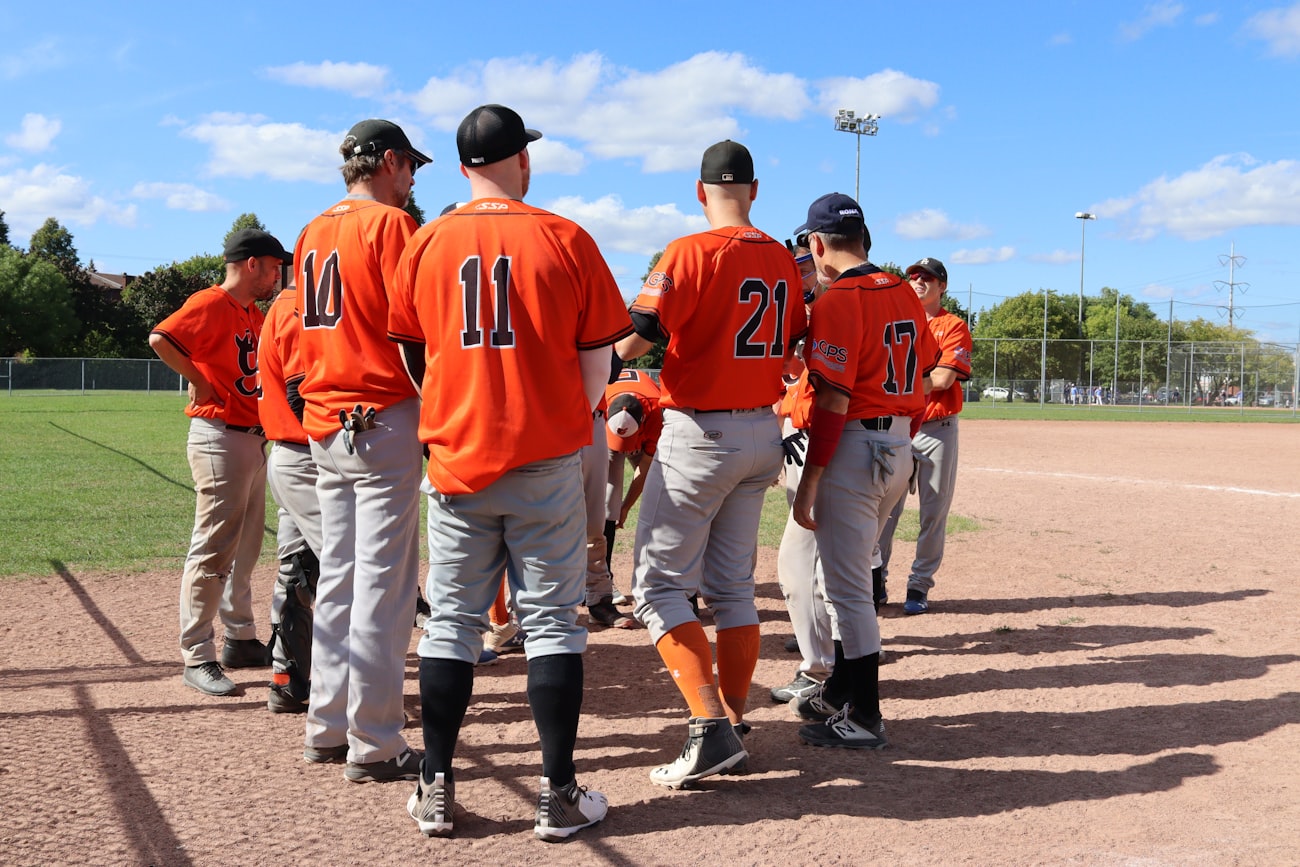
What It Actually Looks Like
It is more specific than ‘having a good attitude’, and coaches are watching for particular behaviours.
| Behaviour | What a coach reads from it |
|---|---|
| Sprinting on and off the field | Respects the game and the team’s time |
| Encouraging a struggling teammate | Puts the team above personal frustration |
| Staying engaged from the bench | Coachable and ready when needed |
| Accepting a position change | Flexible; can be developed |
| Handling a strikeout quietly | Emotionally durable |
| Helping pack up equipment | Not entitled |
| Congratulating the player who replaced them | Genuinely team-first |
That last row is the hardest and the most revealing. A player who can be pleased for the teammate who took their spot has something coaches actively look for.
We are picking people we will spend twelve weekends with. Talent gets you looked at; makeup gets you kept.
WAR Baseball coaching staff
Why It Decides Selection
Travel baseball rosters are small and weekends are long. A player who drains the dugout costs more than their production adds.
It also travels. High school and college coaches ring travel coaches, and the questions are rarely about statistics — they ask what a player is like to coach, how they handle failure and whether they show up. Our recruiting timeline covers how much weight that carries.
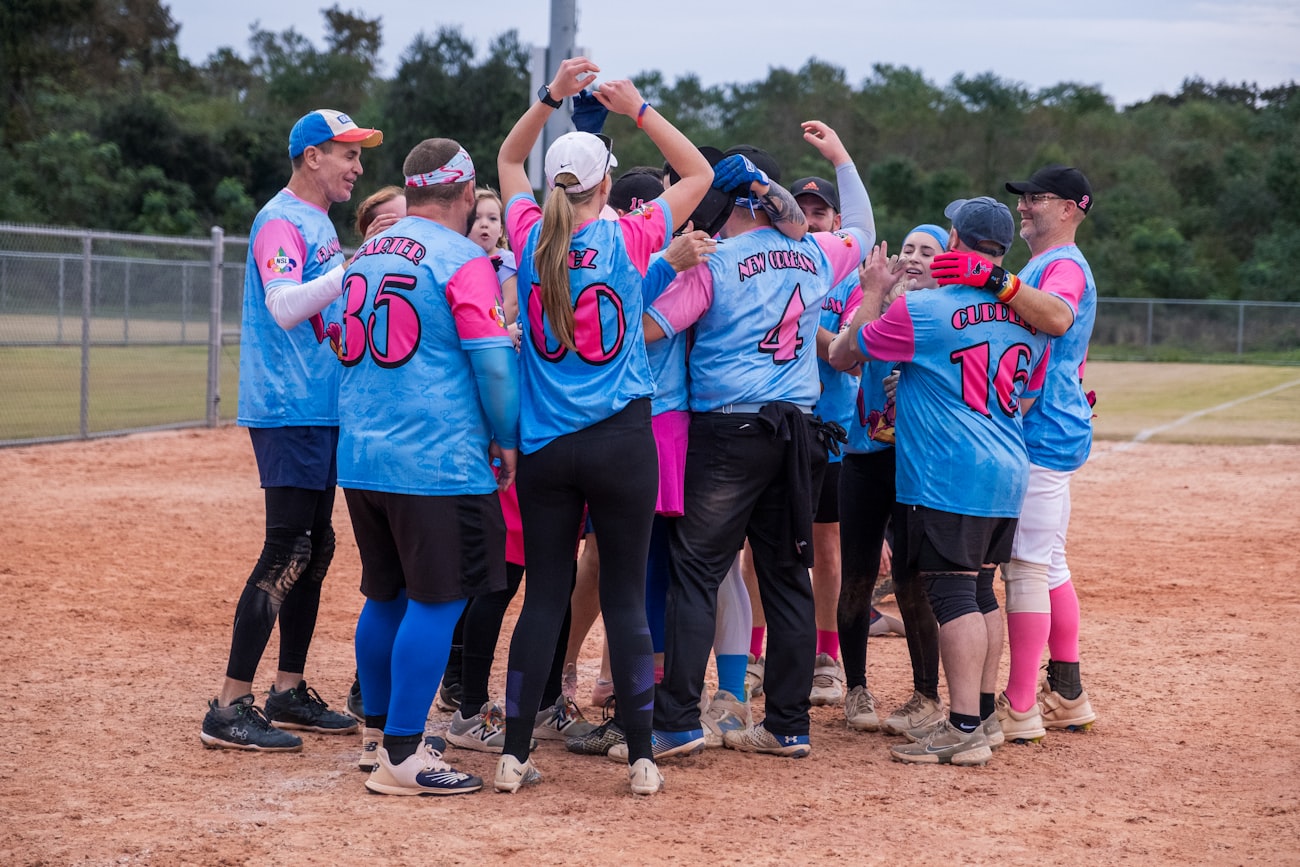
The Bench Test
Every player sits at some point. What happens next is one of the clearest signals available.
| On the bench | Signal |
|---|---|
| Tracking the count and situation | Engaged; ready to contribute |
| Encouraging by name | Team-first, and it lifts others |
| Warming up without being told | Prepared |
| Sitting apart, quiet, phone out | Checked out |
| Visible sulking | Makes the coach’s decision harder next time |
| Complaining to teammates | Actively damaging |
The practical point for a frustrated player: bench behaviour is one of the few things that genuinely shortens time on the bench. Coaches return to players who stayed ready.
Leadership Is Not Reserved for the Best Player
Most genuine team leaders in youth baseball are not the most talented player on the roster.
- Effort — the standard others match without being asked.
- Consistency — the same person after a win and a loss.
- Encouragement — noticing teammates, by name, specifically.
- Accountability — owning mistakes rather than explaining them.
- Resilience — the response to adversity sets the tone for everyone.
All five are available to a player batting ninth. That is worth saying to a young player directly, because most assume leadership is something conferred on the best.

What Parents Can Do
More here than in almost any technical area, because this is learned by copying adults.
| Unhelpful | Helpful |
|---|---|
| Criticising teammates in the car | Praising a teammate’s good play |
| Comparing your player to others | Comparing them to themselves last season |
| Only asking about their performance | Asking how the team did |
| Complaining about playing time in front of them | Discussing it privately, or not at all |
| Celebrating only their hits | Noticing their encouragement and effort |
Players copy what they hear at home with striking accuracy. A parent who criticises the shortstop on the drive home produces a player who does the same in the dugout — a dynamic our parent guide covers at greater length.
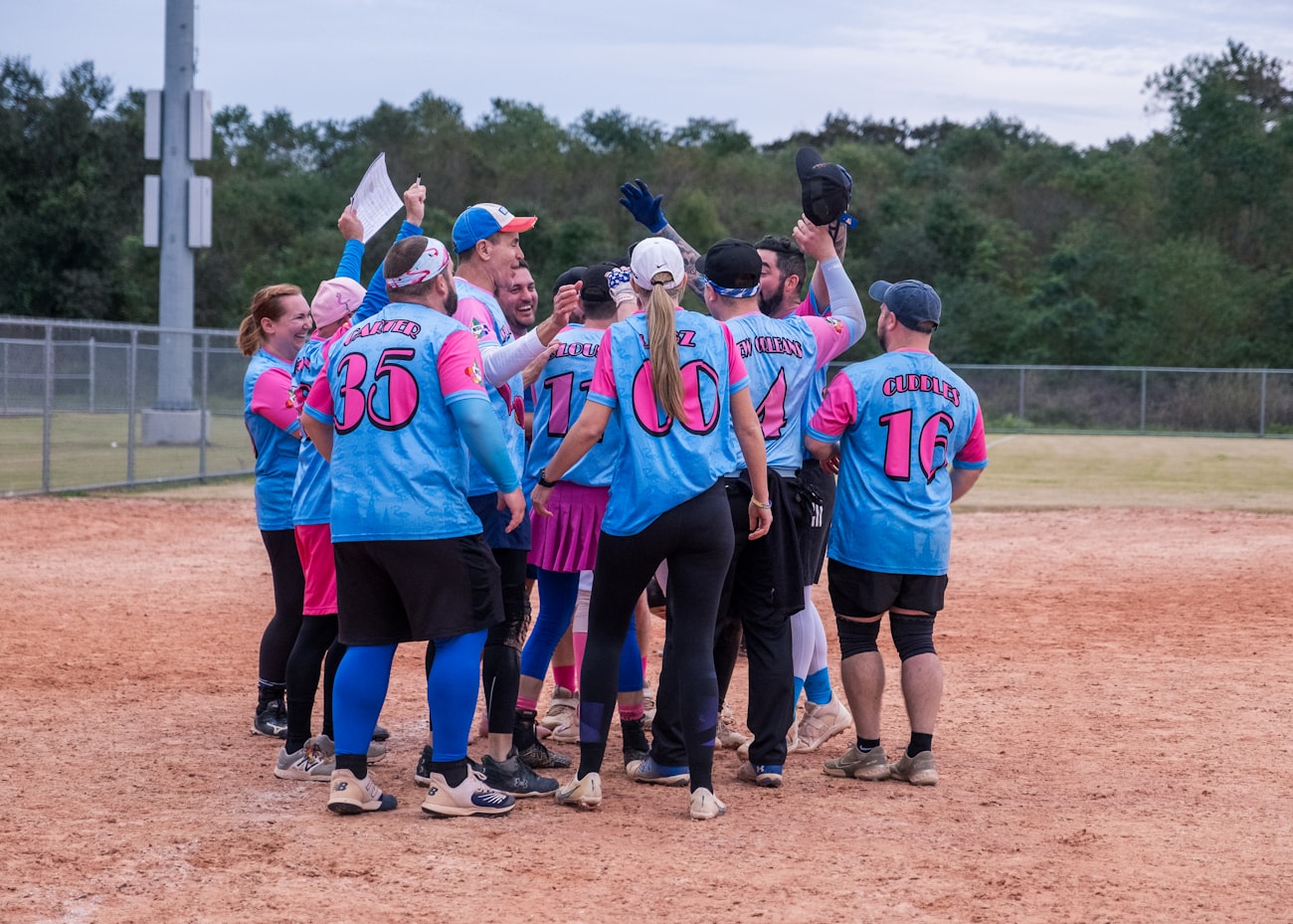
Teaching It Deliberately
Most programmes hope good culture emerges. It is more reliable to coach it the way any other skill is coached.
- Name the behaviours you want rather than asking vaguely for a good attitude.
- Praise them publicly when they happen — specifically, not generically.
- Give players roles: charting pitches, tracking the situation, leading a warm-up.
- Rotate who leads, so leadership is not reserved for the best player.
- Address the corrosive behaviours privately and early, before they spread.
The roles point does a lot of work. A player with a job stays engaged, and engagement is most of what being a good teammate looks like from the outside.
When a Player Is Struggling
The hardest time to be a good teammate is during a personal slump, and it is when it matters most.
A player hitting .180 who still encourages others is demonstrating exactly the emotional durability coaches want. One who withdraws is telling a coach how they will handle pressure later.
This is a genuine skill rather than a personality trait, and it can be coached — our mental game guide covers separating personal performance from how you treat the people around you.
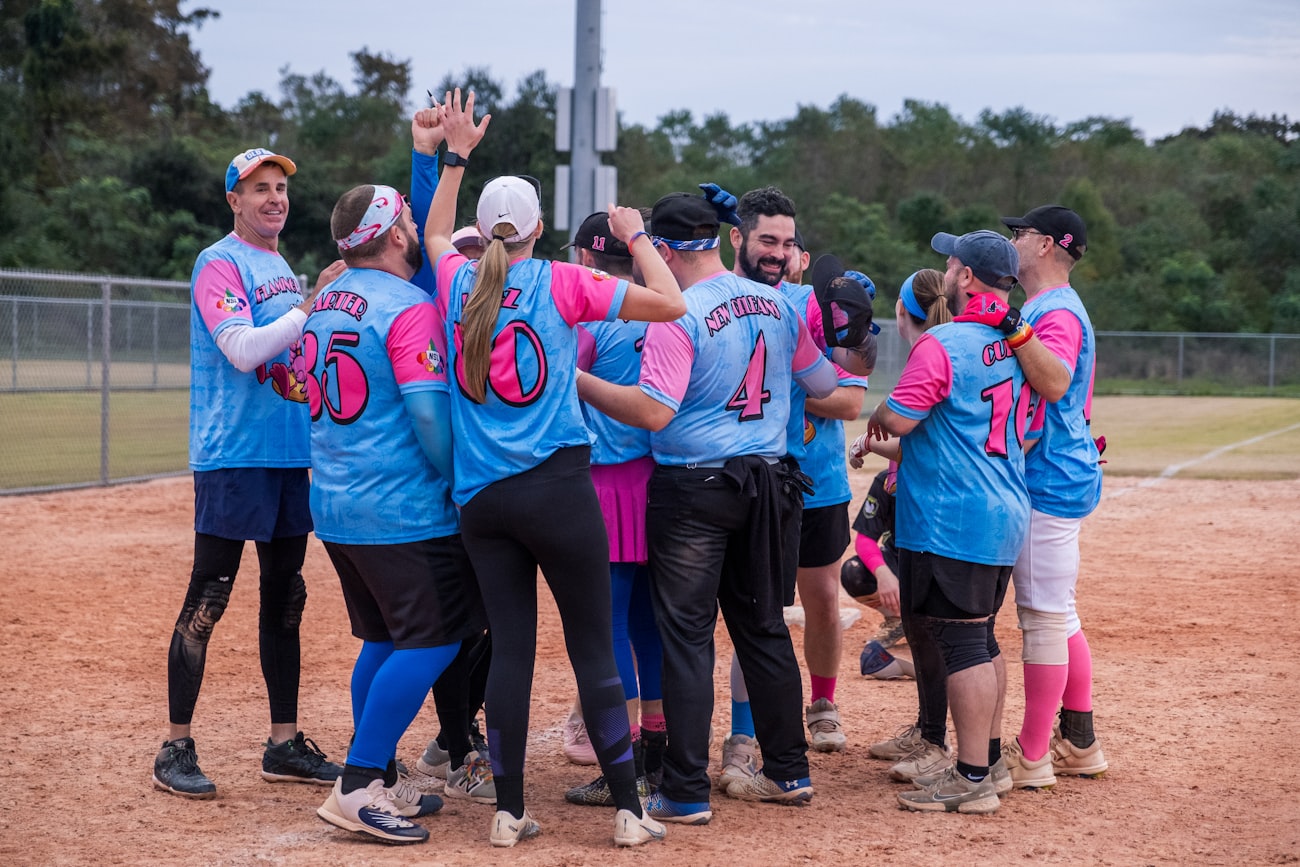
The Wider Benefit
Youth sport is one of the more effective places young people learn communication, accountability and how to function inside a group with a shared goal.
Research on youth sport participation consistently points to those psychosocial benefits as the most durable outcome — more so than athletic advancement. Paediatric health organisations such as Norton Children’s publish material on the developmental value of team participation that is worth reading alongside the performance conversation.
Almost every player will stop competing at some point. What they learned about working with other people will not stop being useful.
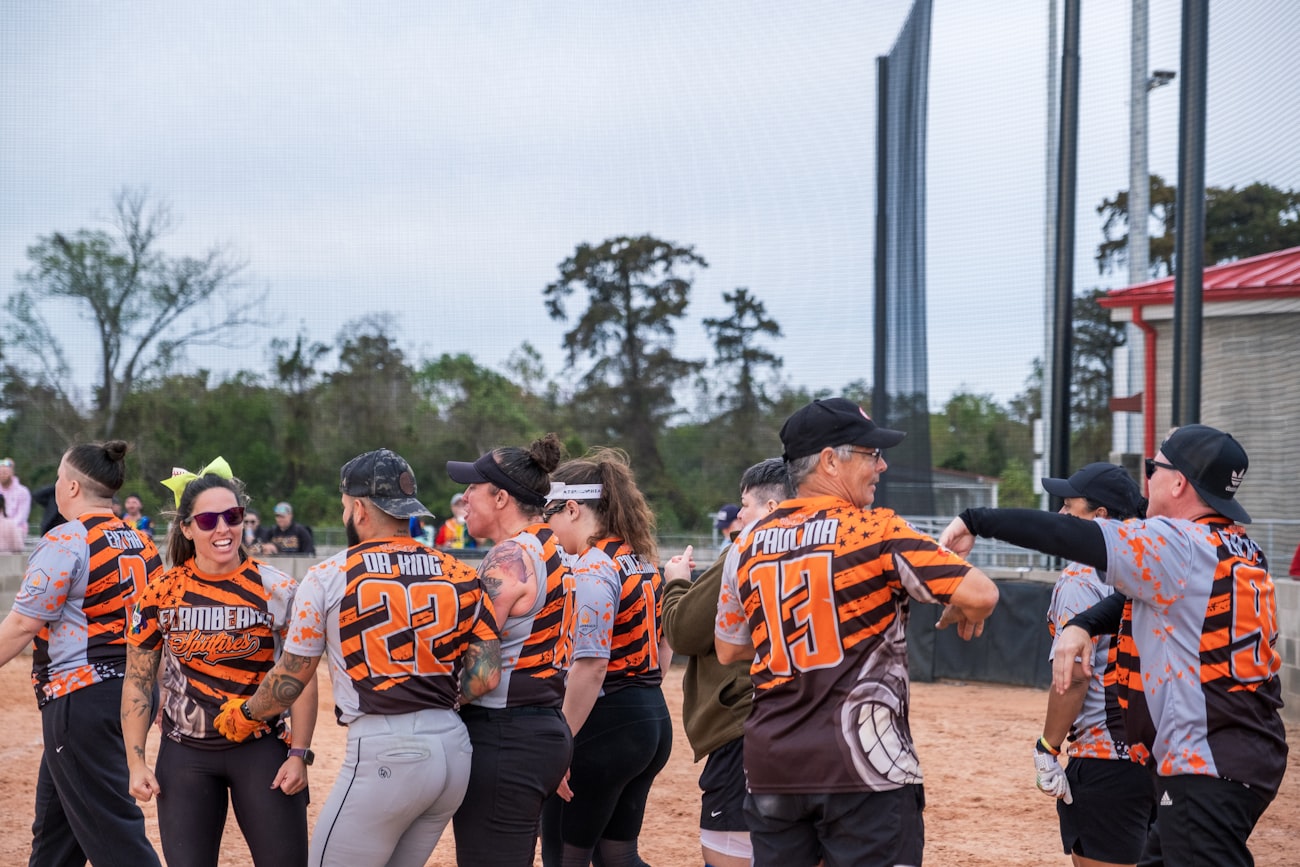
How We Evaluate It
We watch it at every tryout, deliberately. Arm strength and foot speed get measured, but so does how a player treats the person next to them in line and what they do after a bad round.
Our tryout guide sets that out plainly, because it is genuinely part of the evaluation rather than a platitude. If your player competes hard and lifts the people around them, come and see us.
Frequently Asked Questions
What makes a good teammate in baseball?
Consistent effort, encouraging others genuinely, accepting a role without sulking, staying engaged when not playing, and handling personal failure without making it the team’s problem. None of it requires talent.
Do coaches actually care about attitude?
Yes, and it frequently decides selection between players with similar ability. Coaches are choosing people they will spend entire weekends with, and travel coaches get asked about makeup when high school and college coaches call.
How do you teach a child to be a good teammate?
Mostly by modelling it and by praising it when you see it. Notice the dugout encouragement rather than only the hits, and avoid criticising teammates in front of your player — they copy that directly.
What if my player is on the bench?
Staying engaged from the bench is one of the clearest markers coaches watch. Learning the situation, encouraging teammates and being ready when called is a skill, and it tends to shorten the time spent there.
Can a player lead without being the best player?
Yes, and most team leaders are not the best player. Leadership in youth sport comes from effort, consistency and how someone treats others — all available to anyone regardless of ability.
Culture Matters Here
WAR Baseball selects for makeup alongside ability. See upcoming tryouts for 13U through 17U in Tallahassee.