

Baseball scorekeeping looks like a secret language, which puts most parents off entirely. It is genuinely simple, and learning it is the fastest route to understanding the game.
It takes about two innings to pick up the basics. After that you will follow situations you previously missed and understand what your player is being coached to do.

The Grid
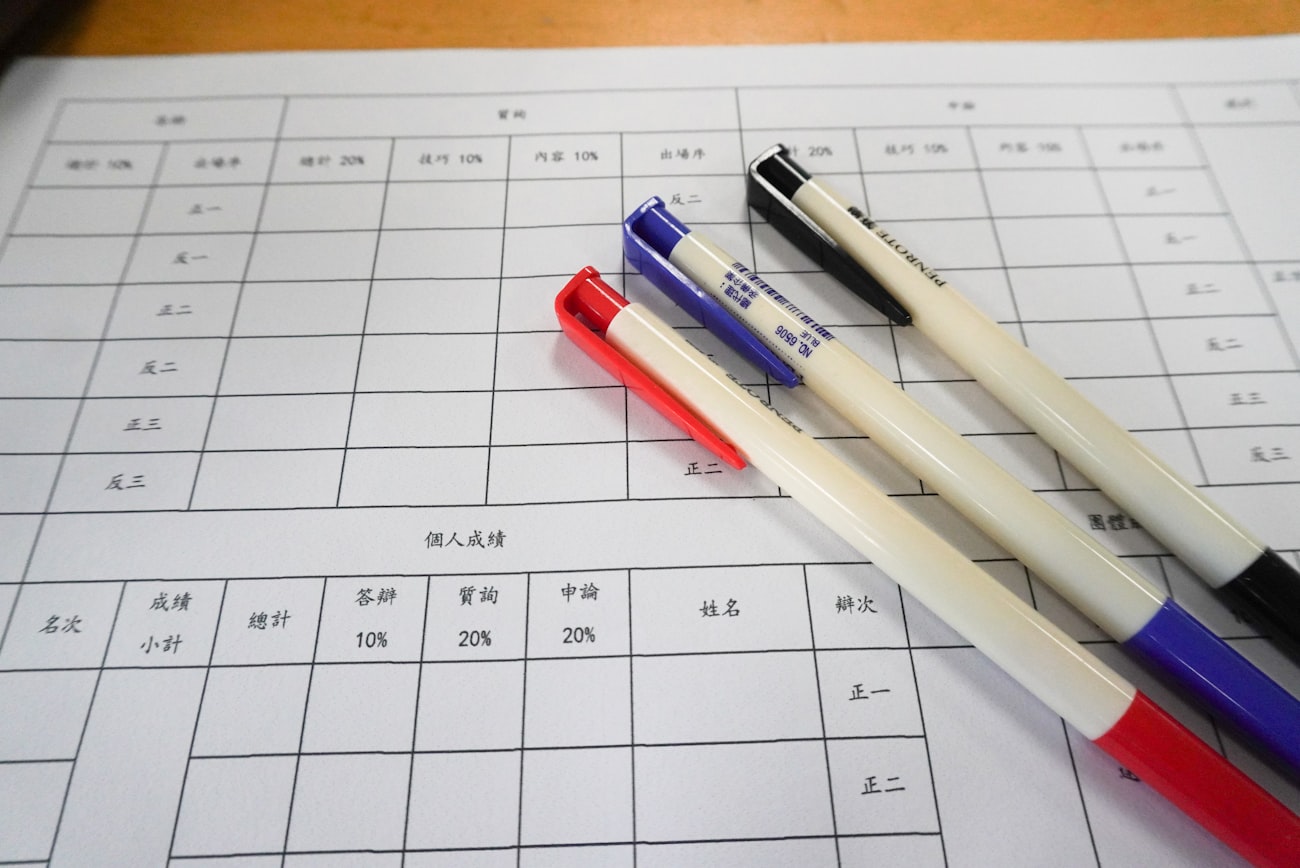
A scorebook is a table. Batting order runs down the left side, innings run across the top, and each box records what one batter did in one inning.
Each box is treated as a small diamond. The bottom-right corner is first base, top-right is second, top-left is third, and the bottom-left is home. As a runner advances, you trace their path around the box.
The Position Numbers
Every defensive position has a permanent number, and nearly all scoring shorthand is built from them.
| # | Position | # | Position |
|---|---|---|---|
| 1 | Pitcher | 6 | Shortstop |
| 2 | Catcher | 7 | Left field |
| 3 | First base | 8 | Centre field |
| 4 | Second base | 9 | Right field |
| 5 | Third base | — | — |
Note that the numbers are not the batting order and not the jersey. They are fixed by position, which is why 6-4-3 always means shortstop to second baseman to first baseman — the classic double play, and the reason that sequence is so widely recognised.
These are the same numbers behind position terminology generally, and our guide to baseball positions covers what each one actually does.

The Common Symbols
| Symbol | Meaning |
|---|---|
| 1B, 2B, 3B, HR | Single, double, triple, home run |
| BB | Walk (base on balls) |
| K | Strikeout swinging |
| Ꝁ (backwards K) | Strikeout looking |
| 6-3 | Ground out, shortstop to first base |
| F7 | Fly out to left field |
| L4 | Line out to second base |
| P5 | Pop out to third base |
| E6 | Error by the shortstop |
| FC | Fielder’s choice |
| SAC / SH | Sacrifice bunt |
| HBP | Hit by pitch |
That table covers the overwhelming majority of what happens in a youth game. Everything else can be written in words in the margin — nobody is auditing your scorebook.
Recording an At-Bat
The habit is: record the outcome, then trace the runner.
- Batter singles — mark 1B and draw a line to the first-base corner.
- He advances to second on the next play — extend the line to the second-base corner.
- He scores — complete the diamond and fill or circle the centre of the box.
- Batter strikes out — write K and mark the out.
- Batter grounds to short — write 6-3.
Most scorebooks also have small spaces to tally outs per inning and runs per inning. Keeping those accurate matters more than perfect notation, because that is what people actually ask you for.
A useful habit is to mark the out immediately, before recording how it happened. Outs drive everything else in the book, and reconstructing a muddled inning is far harder than reconstructing a single missing notation.
The Baseball Almanac maintains reference material on scoring conventions and their history if you want to go deeper than a youth game requires.
How Much Detail?
| Purpose | Detail needed |
|---|---|
| Following the game as a parent | Outcome of each at-bat; runs |
| Team volunteer scorekeeper | Outs, runs, hits, and who is due up |
| Official book for a tournament | Full notation, pitching changes, substitutions |
| Tracking your own player | Their at-bats and results only |
| Pitch counts | Always worth recording — see our arm care guide |
That last row deserves attention beyond scorekeeping. Pitch counts are the single most useful number a youth scorebook produces, and someone tracking them properly protects arms — as our arm care guide and two-way player guide both set out.

Common Beginner Mistakes
| Mistake | Fix |
|---|---|
| Using jersey numbers instead of position numbers | Positions are fixed 1-9; jerseys are not |
| Forgetting to mark outs | Track outs first; everything else can be reconstructed |
| Losing track after substitutions | Note the change in the margin as it happens |
| Trying to record every pitch | Only if you want pitch counts — otherwise skip it |
| Scoring in pen | Use a pencil; you will change your mind |
Outs are the thing worth getting right. A book with imperfect notation but accurate outs and runs is useful; one with beautiful notation and a miscounted inning is not.
Why It Is Worth Learning
- You watch differently. Scoring forces attention to the count, outs and situation.
- You learn the game faster than any amount of reading.
- Teams need volunteers, and it is a genuinely useful contribution.
- It gives you something to do across a long tournament day.
- You can talk to your player about situations, not just results — which our parent guide suggests is the more useful conversation.
It also builds the same situational awareness the players are being taught. A parent tracking outs and runners is doing exactly what our baseball IQ guide asks of the players.
Getting Started
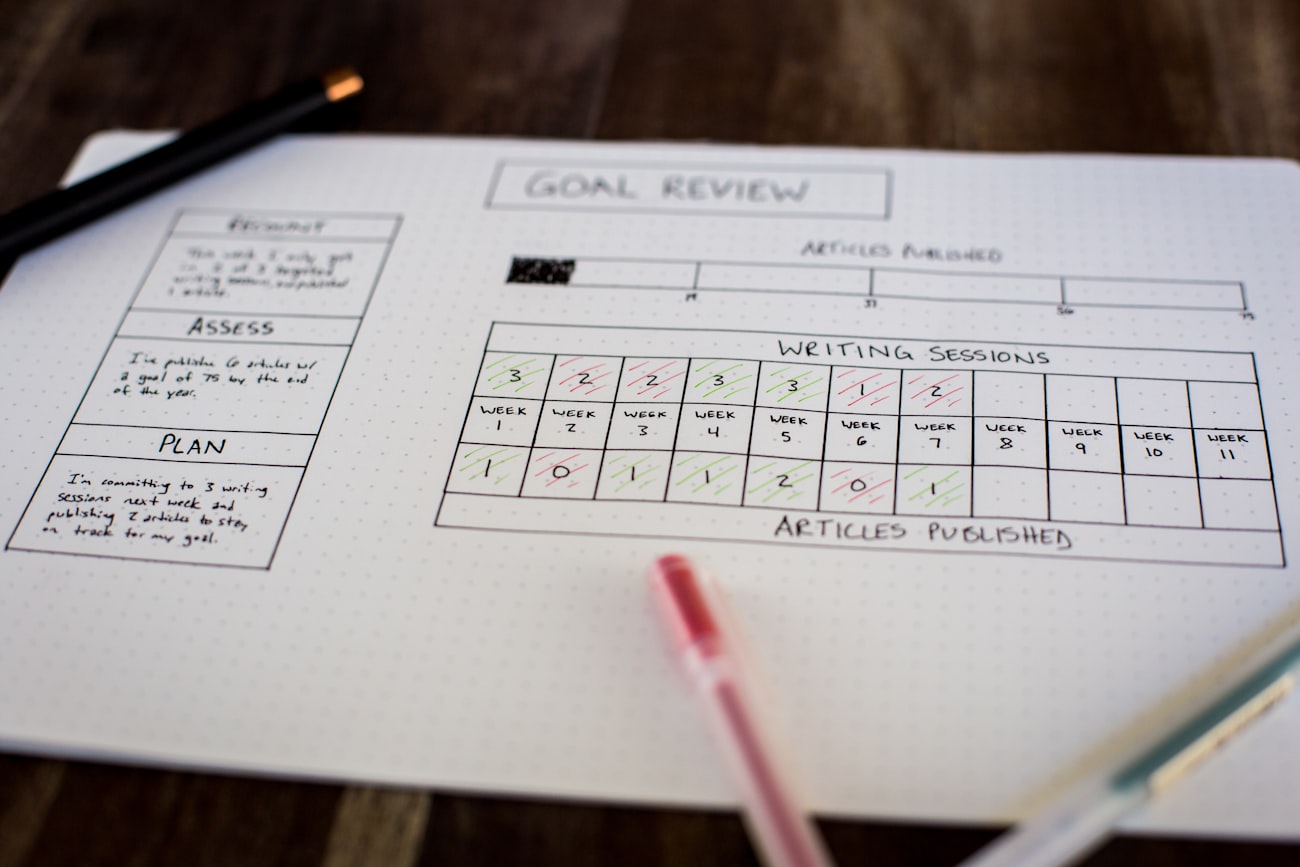
Buy a basic scorebook, or use one of the free apps — though paper is easier to learn on because nothing is hidden behind a menu.
Score one game without worrying about accuracy. Score a second and it will start to feel automatic. By the third you will be correcting the person next to you.
If you want to help with our teams, ask a coach — most youth programs are perpetually short of someone reliable with a scorebook, and it is one of the easier ways to be useful. Get in touch and we will point you at whoever keeps the book.
Frequently Asked Questions
How do you keep score in baseball?
A scorebook is a grid — batting order down the side, innings across the top. Each box records what one batter did in one inning, using position numbers and shorthand. A 6-3 means shortstop threw to first for the out.
What do the numbers 1 to 9 mean in scorekeeping?
They are the defensive positions: 1 pitcher, 2 catcher, 3 first base, 4 second base, 5 third base, 6 shortstop, 7 left field, 8 centre field, 9 right field. Every fielding play is recorded using them.
What does K mean in baseball scoring?
A strikeout. A forward K is a swinging strikeout; a backwards K conventionally means the batter was called out looking.
Do I need to score every detail?
No. If you are keeping score to follow the game rather than for official statistics, recording the outcome of each at-bat and how runs scored is plenty. Precision can come later if you enjoy it.
Why should a parent learn to keep score?
It makes watching far more engaging, it teaches you the game quickly, and most youth teams need a volunteer scorekeeper. It is also the fastest way to understand what your player is being coached to do.
Get Involved With the Team
WAR Baseball families contribute in all sorts of ways, scorekeeping included. See upcoming tryouts for 13U through 17U in Tallahassee.