
A baseball swing takes about a fifth of a second. A pitching delivery is not much slower. Neither is visible to the naked eye in any useful detail — which is why players spend years believing they do something they do not.
Video closes that gap, and it costs nothing beyond a phone. Our recruiting video guide covers filming for college coaches; this is about using film to actually get better.
Why It Works
The core problem in changing mechanics is not effort. It is that a player’s internal sense of what their body did is frequently wrong.
A hitter told they are dropping their hands will insist they are not, because it does not feel that way. Show them frame by frame and the argument ends immediately. That is most of the value — video removes the disagreement.
You cannot fix what you do not believe you are doing. Video is the fastest route from denial to work.
WAR Baseball coaching staff
How to Film It
| Skill | Angles | Notes |
|---|---|---|
| Hitting | Side-on level with hips; and from directly behind or in front | Include the finish |
| Pitching | Side-on; and from centre field behind the mound | Full delivery, both feet visible |
| Infield | Wide, from the side | Show footwork and the throw landing |
| Catching | Behind and to the side | Receiving, blocking, and the transfer |
| Running | From the side, static camera | For sprint mechanics |
- Use a tripod. A moving camera makes comparison across sessions impossible.
- Highest frame rate available — most phones shoot slow motion, and it matters.
- Keep the framing identical between sessions so change is visible.
- Film several reps, not one. Consistency is the thing being assessed.
- Good light, and avoid shooting into the sun.
What to Actually Look For
Untrained eyes tend to look at the wrong thing — usually the arms or the bat, which are the end of the chain rather than the cause.
| Skill | Look at first | Not first |
|---|---|---|
| Hitting | Lower half — stride, hip rotation, balance | Hands and bat path |
| Pitching | Direction and front foot landing | Arm slot |
| Fielding | Feet and approach | Glove |
| Throwing | Momentum toward the target | Arm action |
| Sprinting | First three steps and shin angle | Top-end form |
This mirrors how coaching should work generally — our infield guide makes the same point about hands and feet, and our bat speed guide covers why power starts at the ground.

The Comparison Trap
The most common misuse of video is putting a fourteen-year-old side by side with a professional and copying positions.
- Professionals have decades of strength and years of specific adaptation.
- A position reached by a strong adult may be unreachable — and unsafe — for a growing player.
- Copying an outcome without the underlying capacity usually creates compensation.
- Every professional has idiosyncrasies that are not worth imitating.
- The useful comparison is a player against themselves, three months ago.
That last line is the whole discipline. Filming the same drill from the same angle every few weeks produces a genuinely motivating record of change, and it is far more useful than any side-by-side with a big leaguer.
How Often
| Frequency | Verdict |
|---|---|
| Every session | Too much — encourages constant tinkering |
| Weekly | Usually noise rather than signal |
| Every 2-4 weeks in a development block | About right |
| Start and end of an off-season | Excellent for measuring a block of work |
| After any significant change | Worth a baseline |
Mechanical change is slow. A player filming weekly and adjusting each time never consolidates anything — the same problem our instructor guide describes with lessons that introduce something new every session.
Video analysis platforms such as Hudl have made frame-by-frame review and side-by-side comparison straightforward, though a phone’s built-in slow motion covers most of what a youth player needs.
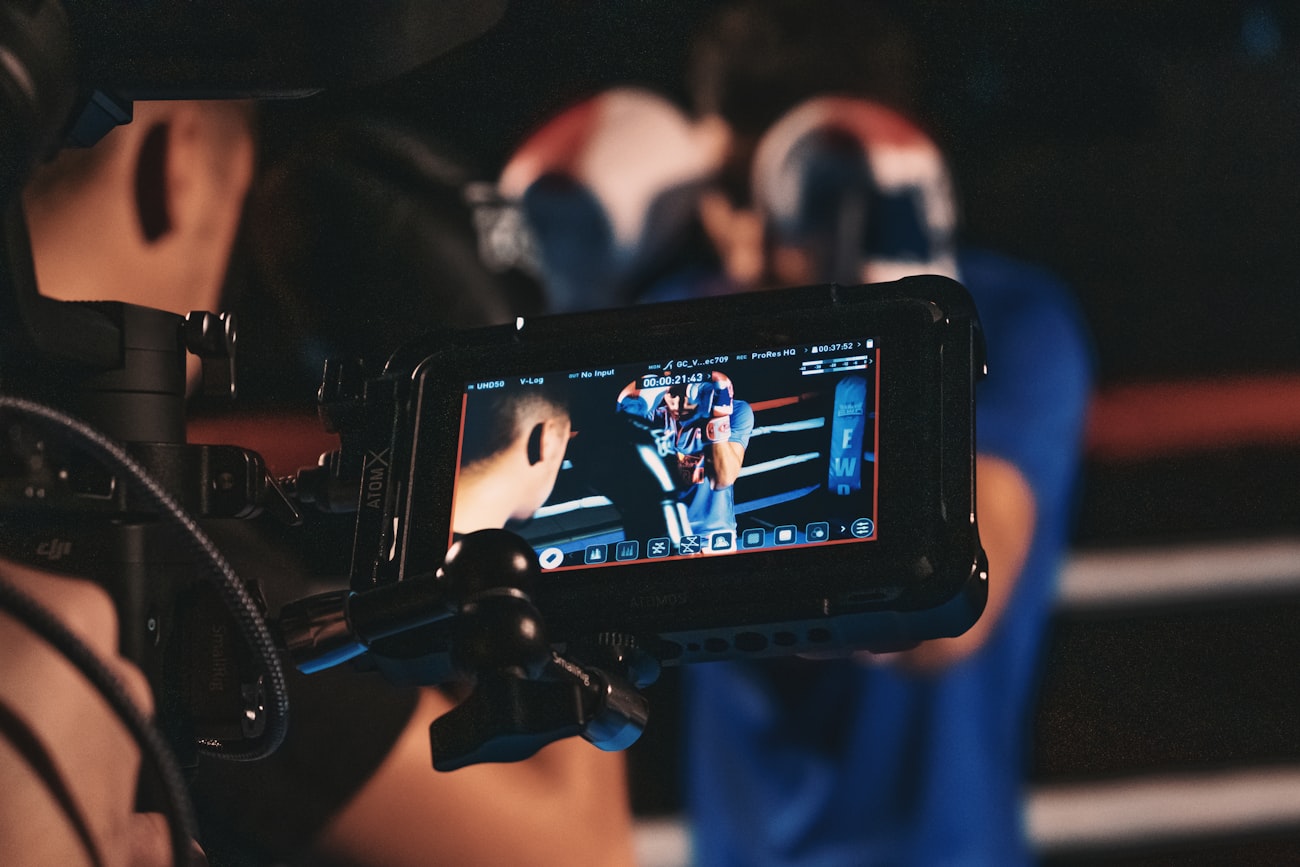
Keeping the Footage Organised
Video is only useful if you can find it later, and most families end up with hundreds of unlabelled clips.
- Create one folder per season, not one per session.
- Name clips with date and skill — 2026-01-15-swing-side.
- Keep the best two or three per session and delete the rest.
- Store a single baseline clip per angle for comparison.
- Back it up somewhere; phones get lost and replaced.
A player with a clean baseline from six months ago has something genuinely motivating to compare against. One with four hundred clips in a camera roll has nothing usable.
Using It With a Coach
Video shows what happened. It does not explain why, and that distinction matters.
A hitter’s front side flying open might be a timing issue, a strength issue, a vision issue or a response to being late on velocity. The footage looks identical in each case, and the fix is different every time.
Bring footage to a coach rather than a diagnosis. A player who arrives saying ‘here are five swings, what do you see?’ gets far more than one who arrives having already decided what is wrong.
It also travels well. A short clip sent to a coach between sessions gets a useful answer far faster than a description of a problem, and it removes the guesswork from a conversation that would otherwise happen from memory a week later.
A Simple Routine
- Film two or three angles at the start of an off-season block.
- Pick one thing to work on, with a coach’s input.
- Do the work for three to four weeks without filming.
- Film again from the identical angles.
- Compare, then choose the next single thing.
That cycle pairs naturally with the phased approach in our off-season training guide, and it is entirely doable alone — see our guide to practising without a team.
Frequently Asked Questions
How can video help a young baseball player improve?
A swing or delivery happens far too fast to see accurately in real time. Slow-motion video lets a player see what they actually do rather than what they think they do, which is often the single biggest obstacle to changing it.
How should you film a player for swing analysis?
Two angles: side-on level with the hips, and from behind the plate or directly in front. Keep the camera still on a tripod, film at the highest frame rate available, and capture the full movement including the finish.
Is video analysis useful without a coach?
Partly. Players can see obvious differences between their movement and a reference, and track change over time. Diagnosing why something happens still benefits from a coach — video shows the what, not the why.
How often should a player film themselves?
Every few weeks during a development block is plenty. Filming every session encourages tinkering, and mechanical change is slow enough that weekly footage mostly shows noise.
What is the most common mistake with video?
Comparing a young player frame by frame with a professional. Bodies, strength and stage of development differ enormously, and copying a position without the underlying strength usually makes things worse.
Get Eyes on Your Mechanics
WAR Baseball coaches use video with players across 13U through 17U. See upcoming tryouts in Tallahassee.