
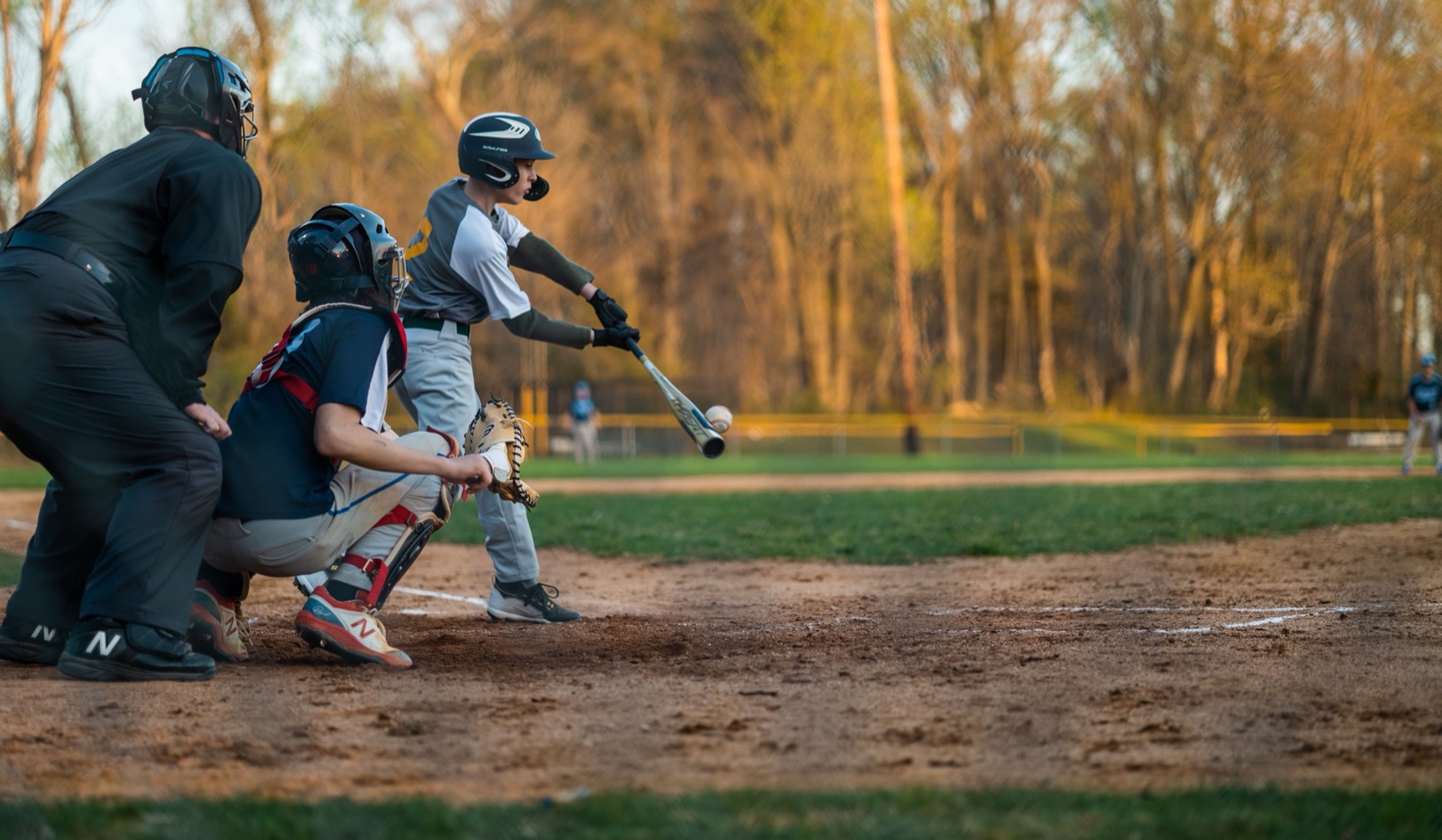
First base is where youth teams put the player they are least worried about. It is also the position that touches the ball on almost every infield out, and a poor first baseman turns routine plays into errors all afternoon.
Played properly it is a genuine skill position. Here is what it actually involves.
Why It Matters More Than It Looks
| Responsibility | Frequency |
|---|---|
| Receiving throws from infielders | Nearly every infield out |
| Picking throws out of the dirt | Several times a game |
| Holding runners | Every runner on first |
| Fielding bunts and covering | Regularly at 13U and up |
| Communicating on pop-ups | Constantly |
| Being a big target | Every single throw |
A first baseman who picks two throws out of the dirt a game saves two errors and, more importantly, gives the infielders confidence to let the ball go. That effect on the rest of the defence is the part nobody counts.
A good first baseman makes four other infielders better, because they stop aiming.
WAR Baseball coaching staff
Footwork at the Bag
The sequence is the same every time, and it starts before the ball is hit.
- Set up off the bag in fielding position — you are an infielder first.
- On a ground ball elsewhere, move to the bag and find it with your feet, not your eyes.
- Square up to the throwing infielder with heels near the bag.
- Read the throw, then stretch — committing early on a bad throw loses the runner.
- Stretch toward the throw: glove-side foot on the bag for a glove-side throw, and vice versa.
Finding the bag by feel is the skill that separates competent first basemen from nervous ones. A player who looks down to locate the base loses sight of the throw at exactly the wrong moment.
For younger players, none of this matters yet. Below about 12U the priority is simply catching the ball with a foot somewhere on the bag — stretches and foot switching are a 13U and 14U conversation.
Picking Balls Out of the Dirt
The highest-value skill at the position, and the one that takes real practice.
| Do | Do not |
|---|---|
| Get the glove down early | Stab down at the last moment |
| Let the ball come to the glove | Reach out and attack it |
| Lift through the ball as it arrives | Trap it flat against the ground |
| Keep the foot on the bag if possible | Come off the bag by default |
| Block it if you cannot pick it | Let it through to the fence |
The last row matters in youth baseball more than the first four. A ball blocked and dropped in front keeps the runner at first; a ball that gets past goes to the fence and costs two bases.
Short-hop practice is the drill, and it is the same work an infielder does — see our infield defense guide. A tennis ball and a wall covers most of it, as our solo practice guide sets out.
Holding Runners
From 13U onward, once leads and steals arrive, holding runners becomes part of the job.
- Set up with the right foot against the bag, body angled toward the pitcher.
- Give the pitcher a clear target with the glove.
- On the pickoff throw, catch first and apply the tag second.
- Sweep the tag down and back toward the bag, not out at the runner.
- As the pitch is released, break off toward your fielding position at an angle.
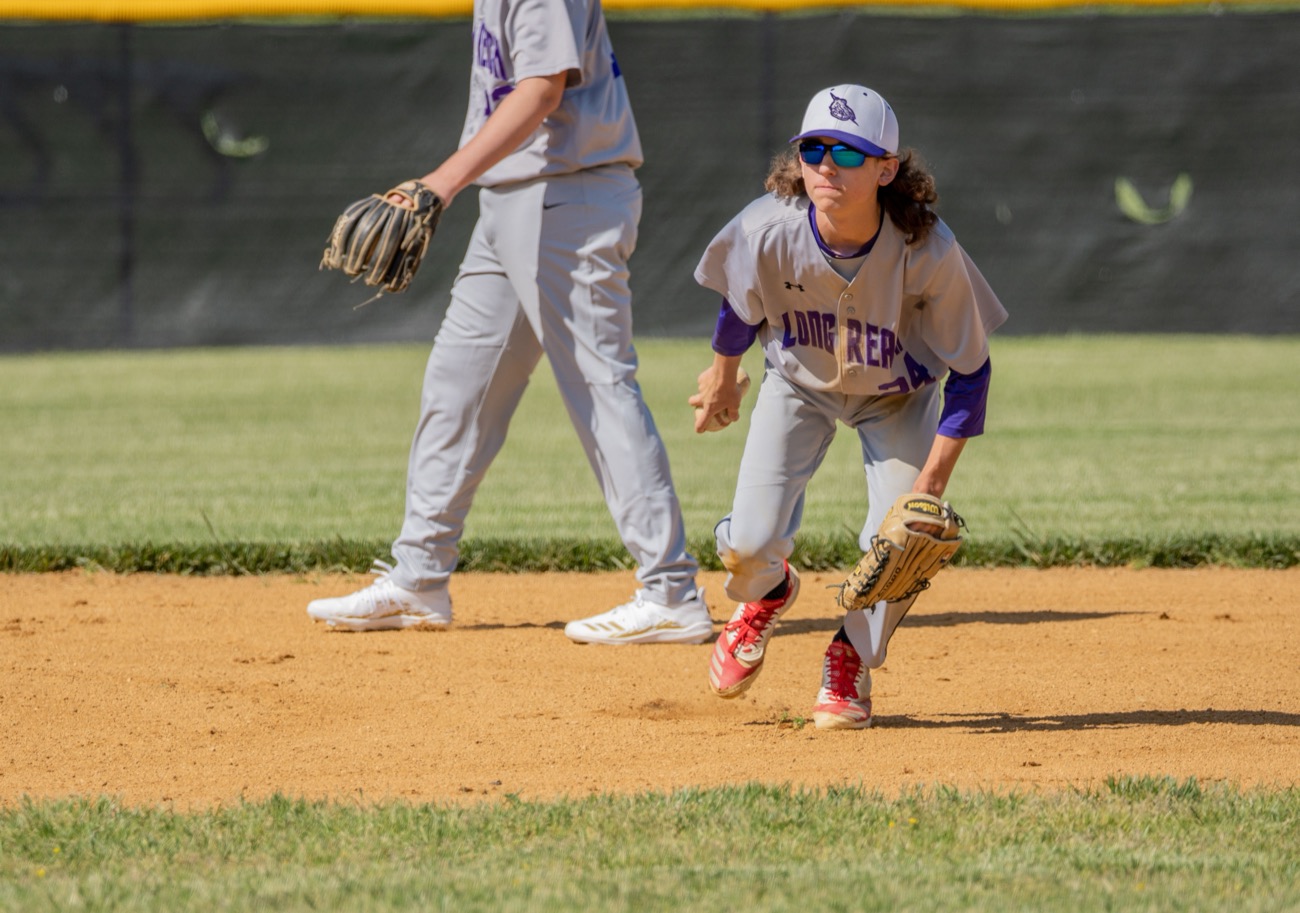
Breaking off at roughly 45 degrees toward the mound rather than straight back gives a better throwing angle on a ground ball and avoids throwing across the baseline.
Bunt Coverage and Cutoffs
Two responsibilities that catch young first basemen out because they only arise occasionally.
- On a bunt, charge hard and communicate — the catcher usually calls the base.
- If you field it, know before the pitch whether you are throwing to first or second.
- On a ball to right field, you are frequently the cutoff man on a throw home.
- Line up between the outfielder and the target, and listen for the catcher’s call.
- On an overthrow anywhere, you back up — first base is rarely idle.
Knowing the play before the pitch is the same situational habit our baseball IQ guide describes, and it is what separates a first baseman who reacts from one who is already moving.
Who Suits the Position
| Helps | Does not matter |
|---|---|
| Reliable hands | Foot speed |
| Height and reach | Arm strength |
| Left-handedness | Range |
| Calm under a bad throw | Being the best athlete |
| Willingness to practise scoops | Being the biggest hitter |
Left-handers have a genuine structural advantage here — it is the only infield position that favours them, for reasons our left-handed players guide sets out. Coaching resources aimed at athletic staff, such as AthleticDirectorU, make the broader point that position-specific instruction is where most youth programmes have the biggest gaps.

Equipment
First base requires a mitt rather than a fielding glove — larger, with a deeper pocket and no individual finger stalls.
It is not optional equipment or a preference. A standard infield glove at first base makes scooping and receiving materially harder, and a first base mitt is one of the few genuinely position-specific pieces of kit in baseball. Sizing is covered in our glove buying guide.
Do Not Treat It as a Dumping Ground
The habit of parking a weaker fielder at first is understandable and expensive. It is the position most involved in the defence, and putting the least reliable hands there guarantees errors on otherwise routine plays.
It is also a genuine developmental home for players who fit it — particularly left-handers and players whose bat is ahead of their foot speed, as our positions guide explains.
Our coaches work first basemen properly at every age group. If your player fits the position, come and be evaluated — and if they do not, we will tell you that too.
Frequently Asked Questions
Is first base an easy position?
It is the easiest to play adequately and considerably harder to play well. Receiving throws, picking balls out of the dirt, holding runners and covering bunts are all genuine skills, and a good first baseman saves several errors a season.
What should a young first baseman focus on first?
Catching the ball. Below about 12U, footwork and stretches matter far less than simply securing the throw. Proper stretch mechanics and foot switching come in around 13U to 14U.
Which foot goes on the bag at first base?
The foot on the same side as the throw’s direction — stretch with the glove-side foot for a throw to the glove side, and vice versa. On an accurate throw, stride directly toward it with either foot on the bag.
How do you scoop a throw in the dirt?
Get the glove down early and let the ball come to it, then lift through the ball rather than stabbing at it. Keeping the foot on the bag while doing so is the part that takes practice.
Do left-handed players have an advantage at first base?
Yes — it is the only infield position that favours them. The glove is on the infield side, which improves angles on throws and lets them throw to second or third without turning.
Every Position Gets Coached
WAR Baseball works positions properly across 13U through 17U, first base included. See upcoming tryouts in Tallahassee.