
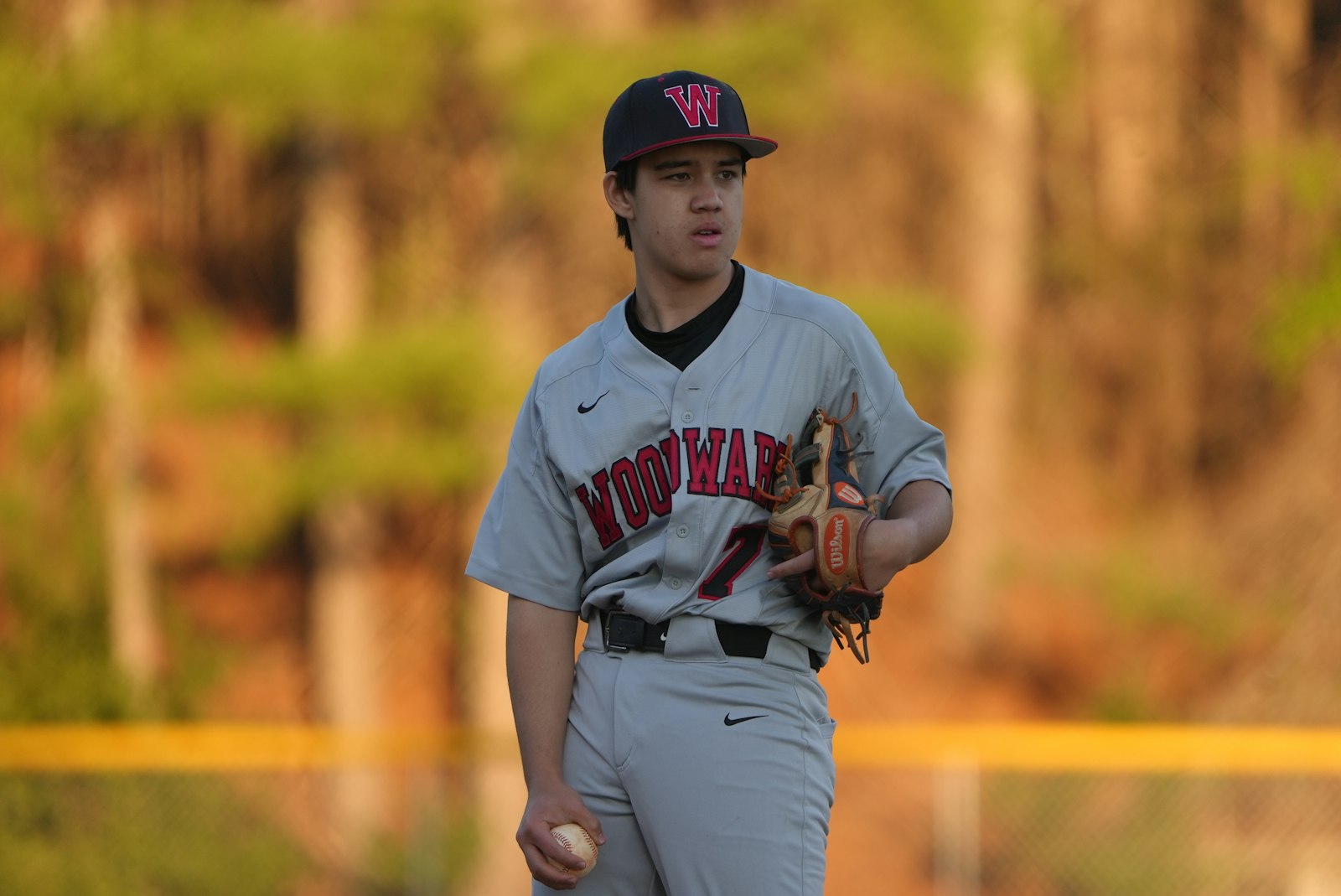
A player reaches September of senior year without a commitment and the family concludes it is over. It usually is not — it just means the search needs to widen and move faster.
A great deal of college baseball recruiting happens after most families assume it has finished.
Where the Timelines Actually Sit
| Level | When spots typically fill |
|---|---|
| NCAA D1 | Earliest — often junior year |
| NCAA D2 | Junior into senior year |
| NCAA D3 | Senior year, often into spring |
| NAIA | Senior year, frequently late |
| JUCO | Latest — spring and summer before enrolment |
JUCO programmes recruit late deliberately. They know many players are waiting on four-year offers, so they hold spots and move once those timelines pass — which makes junior college a genuine option in April rather than a last resort, as our guide to D3, NAIA and JUCO sets out.
Being uncommitted in September of senior year is normal at every level except Division I. The mistake is treating it as failure rather than as a signal to widen.
What experienced recruiters say
What to Do Immediately
- Widen the target list to D2, D3, NAIA and JUCO. Substantially.
- Refresh the video — senior footage, not sophomore. See our recruiting video guide.
- Email directly and personally. Small staffs read their own mail.
- Prioritise schools you would attend without baseball.
- Keep the grades up — at D3 and NAIA they change the money.
- Attend one or two targeted prospect camps, per our camps guide.
The fourth point is the one that saves families from a bad outcome. A school chosen only for baseball becomes a problem the moment baseball stops going well.
Spots Open Later Than You Think
Rosters are not fixed once signing day passes.
| When | Why spots open |
|---|---|
| March – April | Commitments fall through; players decommit |
| May | Academic issues; players choose another sport |
| June | Late transfers; roster reshuffles |
| July – August | Final gaps before enrolment |
| Any time | Coaches find a player they had not seen |
Guidance from recruiting organisations such as NCSA consistently makes the same point: uncommitted seniors who keep working and keep contacting coaches find places, and those who stop looking in November do not.
The Walk-On Question
Worth being realistic about, because the landscape has changed.
Division I roster limits have tightened considerably, and the traditional walk-on spot has largely disappeared at that level. Walk-on opportunities are more realistic at smaller four-year programmes and at junior colleges, where rosters remain larger.
If walking on is the plan, it should be a conversation with the coach in advance rather than an assumption. A player arriving in August hoping to try out is usually too late.
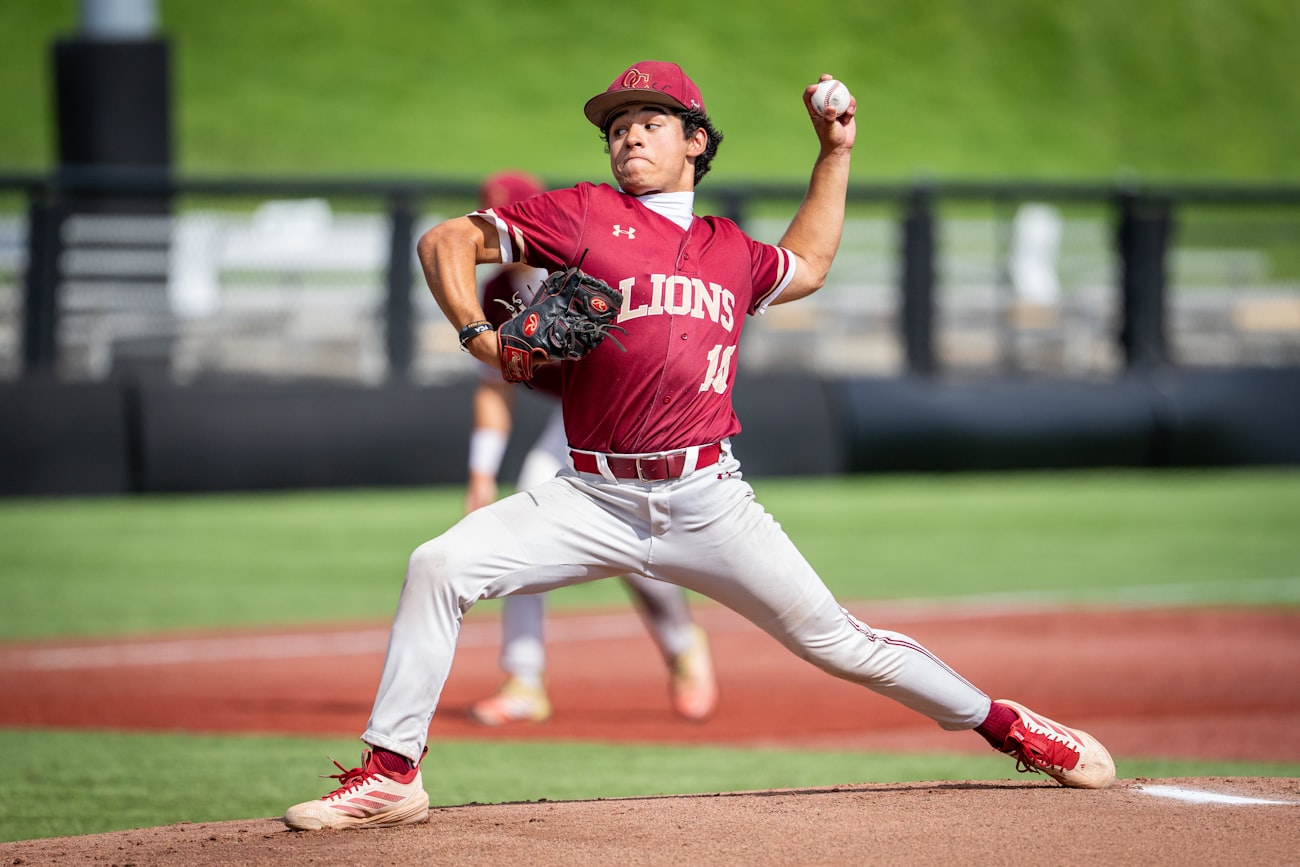
Building the Target List
The most common senior-year mistake is a list of ten schools that are all the same level.
| Tier | How many | Purpose |
|---|---|---|
| Reach | 2-3 | Genuinely above current level |
| Realistic | 6-8 | Where most of the effort goes |
| Likely | 4-5 | Would take you now |
| Academic-first | 2-3 | Schools you would attend regardless |
| JUCO | 2-3 | Later timeline; keeps options open |
Roughly twenty schools, weighted toward realistic and likely. A list of ten Division I programmes is not a strategy, and it is how families reach June with nothing.
Do Not Waste the Senior Season
Coaches evaluate the whole year, and a strong spring changes conversations that looked closed in the autumn.
| Priority | Why |
|---|---|
| Stay healthy | An injured senior is invisible |
| Play well in the school season | It is watched more than families assume |
| Keep working with your travel team | Summer exposure continues |
| Maintain grades | Eligibility and money both depend on it |
| Keep emailing | Rosters shift; be the name they remember |
| Handle it well publicly | Coaches ask about character |
Our arm care guide matters more than usual in a senior year — a pitcher who is overused in the spring loses the summer, which is often where the remaining opportunities are.
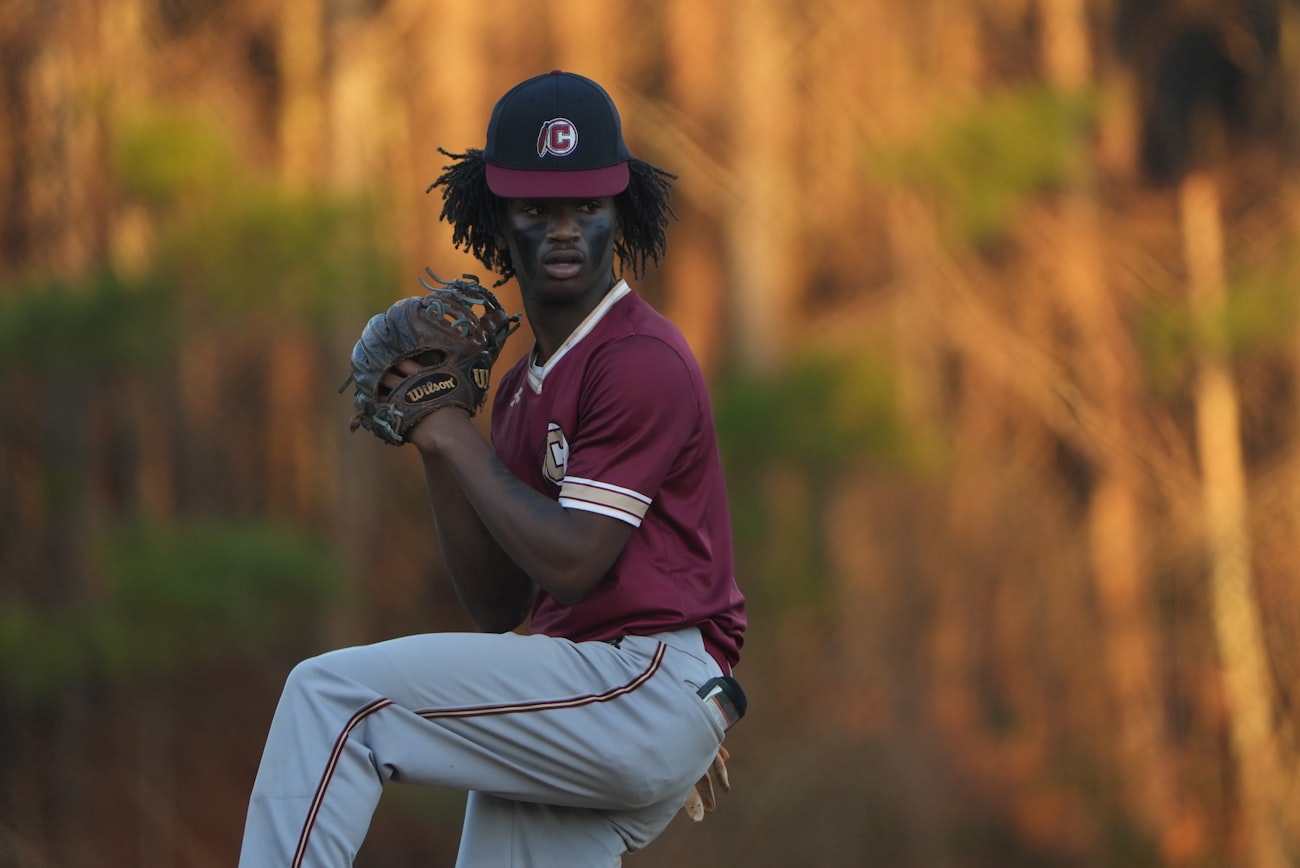
What Coaches Are Still Looking For
Late in the cycle, coaches are filling specific gaps rather than assembling a class.
| What helps late | Why |
|---|---|
| A premium position | Catchers and middle infielders fill gaps late |
| Left-handed pitching | Perpetual shortage — see our lefty guide |
| Flexibility on role | A player who will do anything is easier to fit |
| Academic strength | Opens D3 and NAIA money quickly |
| Being genuinely available | Answering fast matters in July |
The second row is worth acting on. Left-handed pitching is in demand at every level, as our guide to left-handed players sets out, and a late-signing lefty who throws strikes will find somewhere.
Managing the Emotional Side
A senior year spent waiting is genuinely hard, particularly when teammates commit and the player does not.
- Separate the outcome from self-worth. This is a matching process, not a verdict.
- Keep the search practical rather than emotional — a list, a schedule, weekly emails.
- Accept that a good fit at a smaller school beats a poor fit at a bigger one.
- Let them lead the communication, per our guide to talking to coaches.
- Have a plan that does not involve baseball, and say so without drama.
Our mental game guide and guide to not making a team both apply here — the skill is separating a disappointing process from a judgement about the player.

It Is Also Fine to Stop
Some seniors reach the end of the process and decide they have had enough, or that the schools available do not appeal enough to justify four more years of the commitment.
That is a legitimate outcome, not a failure. Playing through eighteen and choosing to finish is a complete youth baseball career — and our guide to life after baseball covers what that transition actually involves.
If your player is a senior and wants an honest assessment of realistic options, our staff will give one — get in touch.
Frequently Asked Questions
What should an uncommitted senior do?
Widen the search immediately. Most uncommitted seniors find spots at D2, D3, NAIA or junior college through the spring and summer, and JUCO programmes in particular recruit later than four-year schools.
Is it too late to get recruited as a senior?
No. Roster spots open through May, June and July as commitments shift, and JUCO recruiting runs later by design. Senior year is late for Division I and entirely normal for other levels.
Do walk-on spots still exist?
Fewer than they used to at Division I, where roster limits have tightened considerably. Walk-on opportunities are more realistic at smaller four-year programmes and junior colleges.
What should a senior focus on during their final season?
Playing well, staying healthy and continuing outreach. Coaches evaluate character and work ethic across the whole senior year, and a strong spring changes conversations.
When do most players actually commit?
It varies enormously by level. Division I commitments cluster earlier; D2, D3, NAIA and JUCO run considerably later, with many spots filled in the spring and summer before enrolment.
Play Your Last Years Well
WAR Baseball fields 15U through 17U teams playing schedules built around exposure. See upcoming tryouts in Tallahassee.