
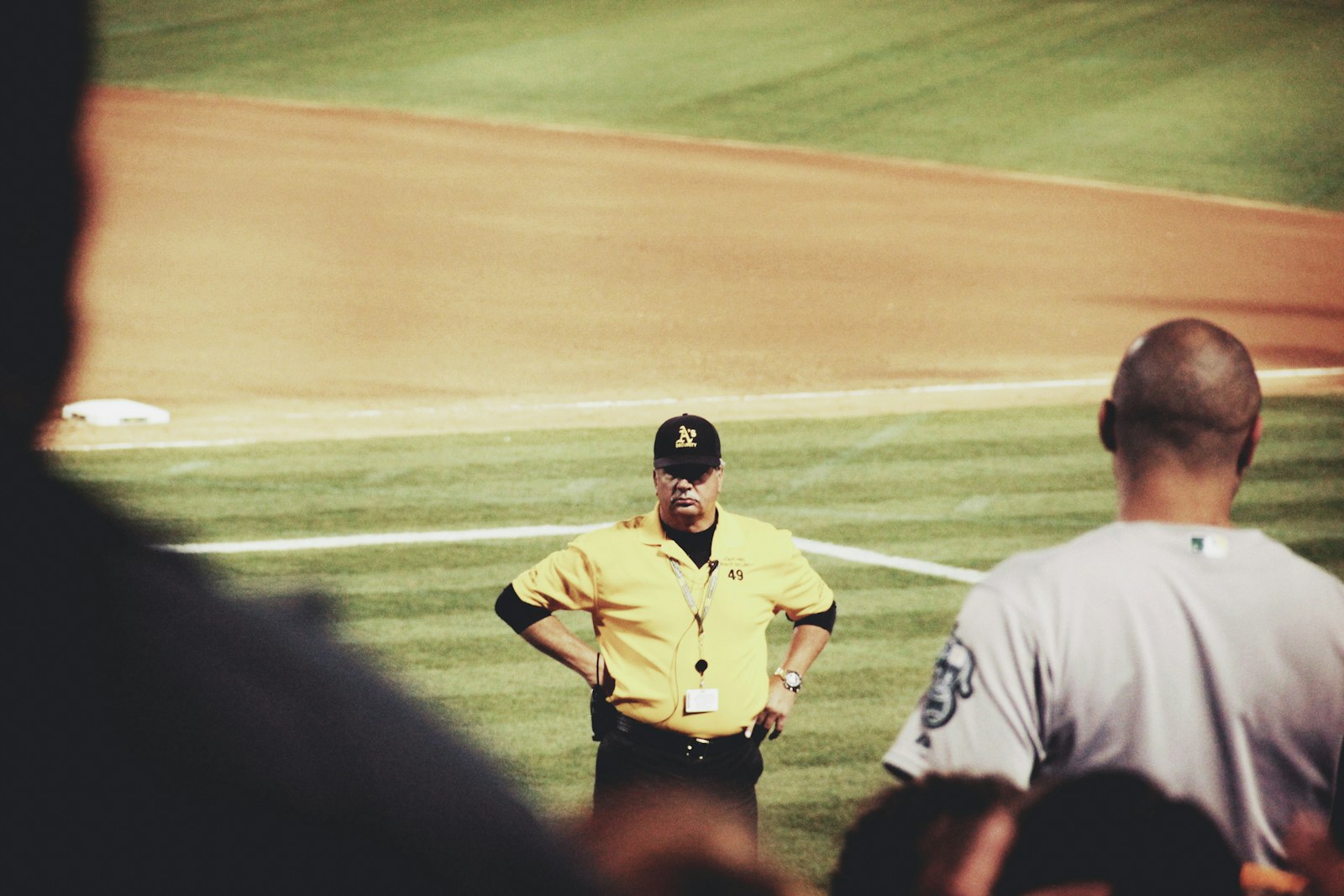
Baseball has more rules that look wrong than any other sport. Most parents can follow a game comfortably until an umpire calls a batter out on a pop-up nobody caught, and the stands erupt.
Here are the handful of rules that cause nearly all the confusion — explained without the rulebook language.
The Infield Fly Rule
The most misunderstood rule in baseball, and the one that generates the loudest reactions.
What it says: with fewer than two outs and runners on first and second (or bases loaded), if a fair pop-up can be caught by an infielder with ordinary effort, the umpire declares the batter out immediately — caught or not.
Why it exists: without it, the defence could deliberately let the ball drop. The runners, forced to advance, would be easy outs at second and third — an unearned double or triple play. Calling the batter out removes the force, so the runners are no longer compelled to run and dropping the ball gains nothing.
| Condition | Required? |
|---|---|
| Fewer than two outs | Yes |
| Runners on first and second, or bases loaded | Yes |
| Fair ball | Yes |
| Catchable with ordinary effort by an infielder | Yes — umpire’s judgement |
| Ball actually caught | No — batter is out either way |
| Line drives or bunts | Rule does not apply |
The Dropped Third Strike
The rule that produces the strangest-looking plays in youth baseball.
If the catcher does not cleanly catch strike three, the batter is not automatically out. They may run to first, and the defence must tag them or throw them out.
| Situation | Batter may run? |
|---|---|
| First base empty | Yes |
| Two outs | Yes — regardless of runners |
| First base occupied, fewer than two outs | No |
| Ball hits the dirt before the mitt | Yes — it is not cleanly caught |
This is why you occasionally see a catcher throw to first after a strikeout that already looked complete — and why alert baserunning turns a strikeout into a baserunner.
The Balk
A balk is an illegal motion by the pitcher while at least one runner is on base. The penalty is automatic: every runner advances one base.
- Starting the delivery and then stopping.
- Failing to come to a complete stop in the set position.
- Faking a throw to first or third without stepping properly.
- Stepping toward a base without throwing there.
- Delivering while not in contact with the rubber.
Balks are judgement-heavy and are called far more strictly at higher levels. Many youth leagues issue a warning first, particularly at 13U when players are new to pitching from the stretch on a full-size field — a transition our 13U big-field guide covers.

Obstruction and Interference
These two get used interchangeably in the stands, and they are opposites.
| Obstruction | Interference | |
|---|---|---|
| Committed by | The defence | The offence |
| What it is | Fielder without the ball impedes a runner | Runner or batter impedes a fielder |
| Common example | First baseman blocking the bag without the ball | Runner hit by a batted ball |
| Result | Delayed dead ball; umpire awards bases | Usually an immediate out |
| Judgement | Was the fielder making a play on the ball? | Was the contact avoidable? |
A fielder in the act of fielding a batted ball has right of way. A fielder standing in the baseline without the ball does not.
The most frequent youth example is a catcher blocking the plate without the ball, or a first baseman planted on the bag waiting for a throw that has not arrived. Both are obstruction.

Rules That Differ Between Leagues
Much of the confusion in youth baseball is not about the rules themselves but about which rulebook is in force. A single player might encounter three sets in one season.
| Rule | Varies how |
|---|---|
| Leading off | Not permitted in some youth leagues; permitted from 13U in most travel ball |
| Dropped third strike | Disabled entirely in some younger divisions |
| Time limits | Most tournaments cap games; league play often does not |
| Run rules / mercy rules | Thresholds vary widely by event |
| Courtesy runners | Commonly allowed for catchers; rules differ |
| Pitching limits | Pitch counts and rest requirements vary by sanctioning body |
| Bat standards | USA Bat, USSSA or BBCOR depending on the event |
That last row catches families out most often — our bat standards guide covers which certification applies where. Pitching limits are covered in our arm care guide.
Detailed rule explanations and video breakdowns are available at Baseball Rules Academy, which is a useful reference when a call genuinely is unclear.
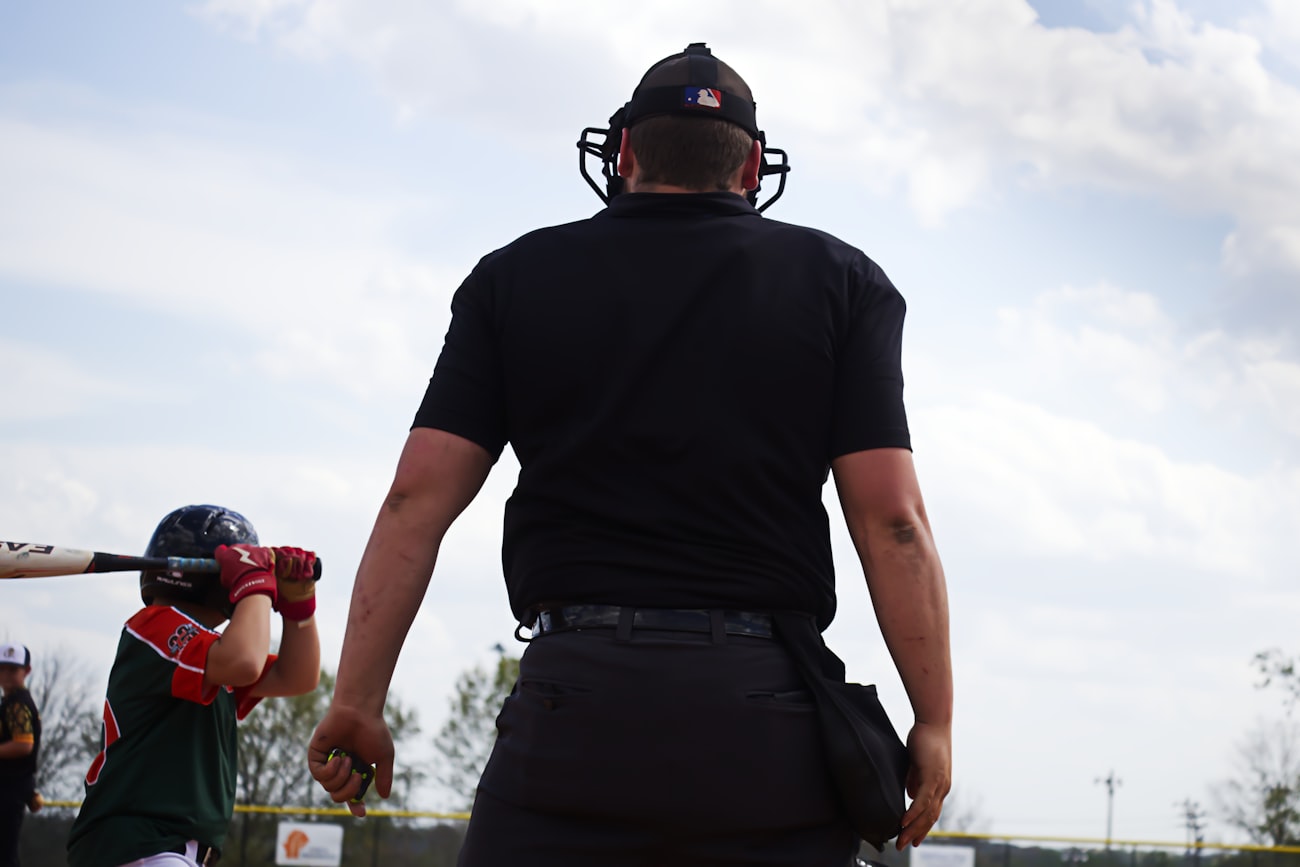
A Word About Umpires
Most youth baseball umpires are teenagers or part-time volunteers, often working several games a day in Florida heat for modest pay.
They will get calls wrong. So will the coaches, and so will the players. The rules above exist partly so that spectators understand what they are watching — not so they have better material for arguing.
Our parent guide puts it plainly: never address an umpire. It accomplishes nothing, embarrasses your player, and occasionally gets a coach ejected.
Learning the Game
Knowing these rules makes watching considerably more enjoyable, and it helps you follow what your player is being coached on.
Situational awareness — knowing the count, the outs, where the play is — is one of the things coaches evaluate at every level, as our tryout guide notes. Players learn it faster when the conversation at home goes beyond hits and errors.
If you are new to baseball and want to understand what your player is working on, ask a coach. Ours are happy to explain — most coaches genuinely enjoy a parent who wants to learn the game.
Frequently Asked Questions
What is the infield fly rule?
With fewer than two outs and runners on first and second (or bases loaded), if a fair pop-up can be caught by an infielder with ordinary effort, the umpire calls the batter out automatically — whether or not the ball is caught. It stops the defence from deliberately dropping it for an easy double play.
What is a dropped third strike?
If the catcher does not cleanly catch strike three, the batter may run to first base and must be tagged or thrown out. It does not apply if first base is occupied with fewer than two outs.
What is a balk in baseball?
An illegal motion by the pitcher while at least one runner is on base — typically starting and stopping a delivery, failing to come set, or faking a throw to first. Every runner advances one base.
What is obstruction in baseball?
When a fielder without the ball impedes a runner. It is a delayed dead ball, and the umpire awards bases as judged appropriate. It is distinct from interference, which is committed by the offence.
Why do baseball rules differ between leagues?
Youth baseball mixes MLB, high school, Little League and tournament-specific rulebooks. Rules on leading off, dropped third strikes, courtesy runners and time limits commonly differ, which is why so much confusion arises. Always check the rules for the specific event.
Join a Program That Teaches the Game
WAR Baseball develops baseball IQ alongside physical skills. See upcoming tryouts for 13U through 17U in Tallahassee.