

Watch a youth baseball team before a game and you will often see the same thing: a lap, a circle of static stretches held for thirty seconds each, then throwing at close to full effort within a couple of minutes.
Nearly every part of that sequence is backwards. Here is what the evidence supports instead.
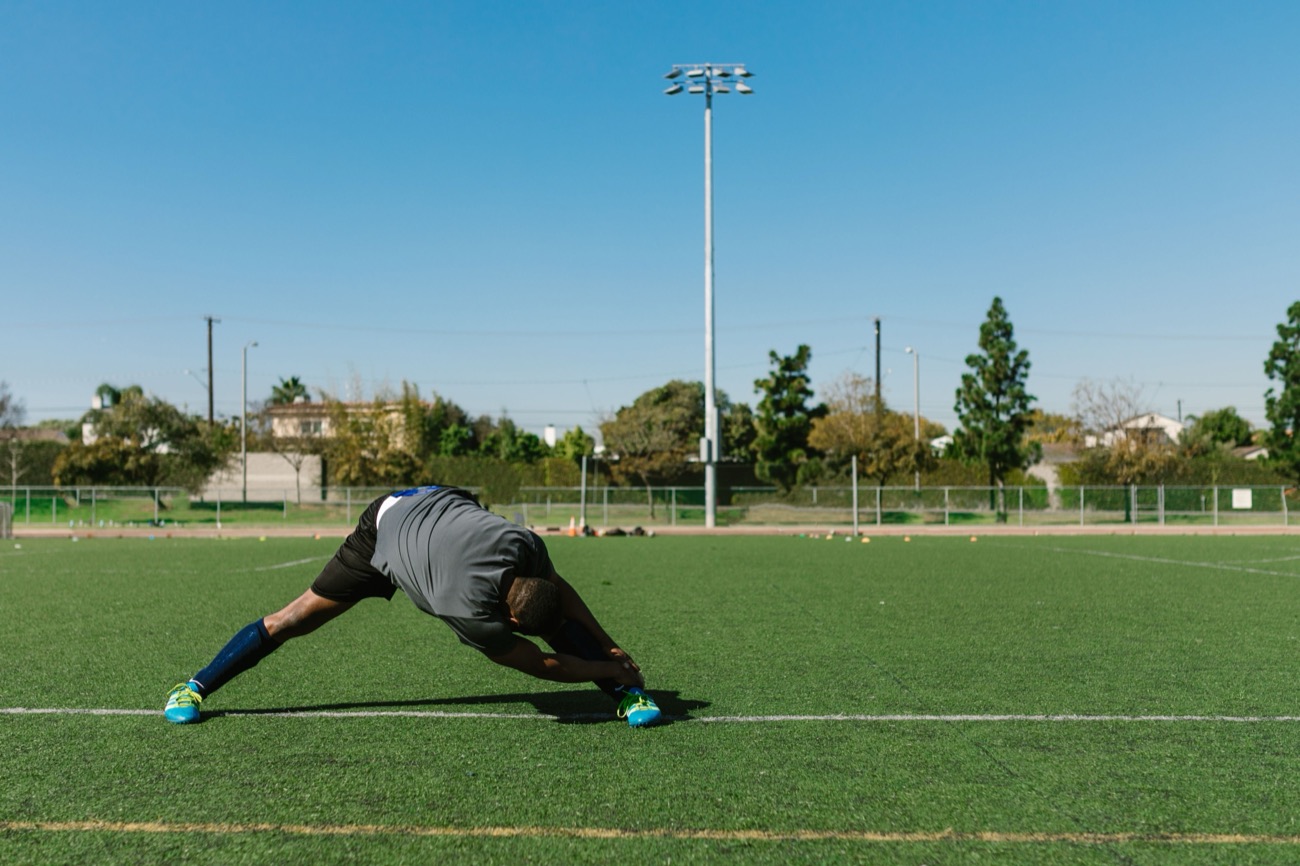
Dynamic Before, Static After
This is the clearest finding in warm-up research and the most commonly ignored.
| Dynamic (before) | Static (after) | |
|---|---|---|
| What it is | Controlled movement through range | Holding a stretch at end range |
| Effect on power | Maintains or improves | Temporarily reduces |
| Effect on reaction time | Improves | Can slow it |
| Raises heart rate | Yes | No |
| Best used | Before games and practice | After, while still warm |
Static stretching before activity has been shown to reduce balance, reaction time and movement speed — the exact qualities a hitter needs in the first inning. It remains valuable, but afterwards, as part of a cool-down.
Stretch to finish, move to start. Most youth teams have it exactly the wrong way round.
WAR Baseball coaching staff
What a Dynamic Warm-Up Includes
- General movement — light jogging, skipping, side shuffles to raise temperature.
- Leg swings forward-back and side-to-side, controlled.
- Walking lunges with a rotation, opening hips and thoracic spine.
- Inchworms or world’s greatest stretch for the posterior chain.
- Arm circles and band work to prepare the shoulder.
- Build-up sprints — 60-70%, then 80%, before anything maximal.
The thoracic spine and hips matter most for baseball, because both rotation-heavy actions — throwing and hitting — depend on them. A player who cannot rotate warms up into compensating elsewhere, usually the shoulder or lower back.

A 15-Minute Structure
| Time | Focus |
|---|---|
| 0-3 min | General movement — jog, skip, shuffle |
| 3-7 min | Dynamic mobility — legs, hips, thoracic spine |
| 7-9 min | Shoulder activation — bands or light arm circles |
| 9-14 min | Throwing progression, building distance gradually |
| 14-15 min | Position-specific work or build-up sprints |
If time is short, cut the general movement rather than the throwing progression. Going from cold to hard throwing is where the risk sits.
The Throwing Progression
This is the most important part of a baseball warm-up and the part most often rushed on a tournament day when the previous game has run long.
- Start close — around 20 feet, easy, wrist and short-arm throws.
- Extend gradually to 45, then 60, then 90 feet or beyond.
- Keep effort proportional; distance increases before intensity does.
- Come back in with flat, firm throws before playing.
- Never let a player’s first hard throw of the day be a game throw.
Pitchers need more than position players: activation work, a full throwing progression, then a bullpen that builds rather than starting at full effort. Our pitching development guide and arm care guide both cover why the ramp matters as much as the workload.
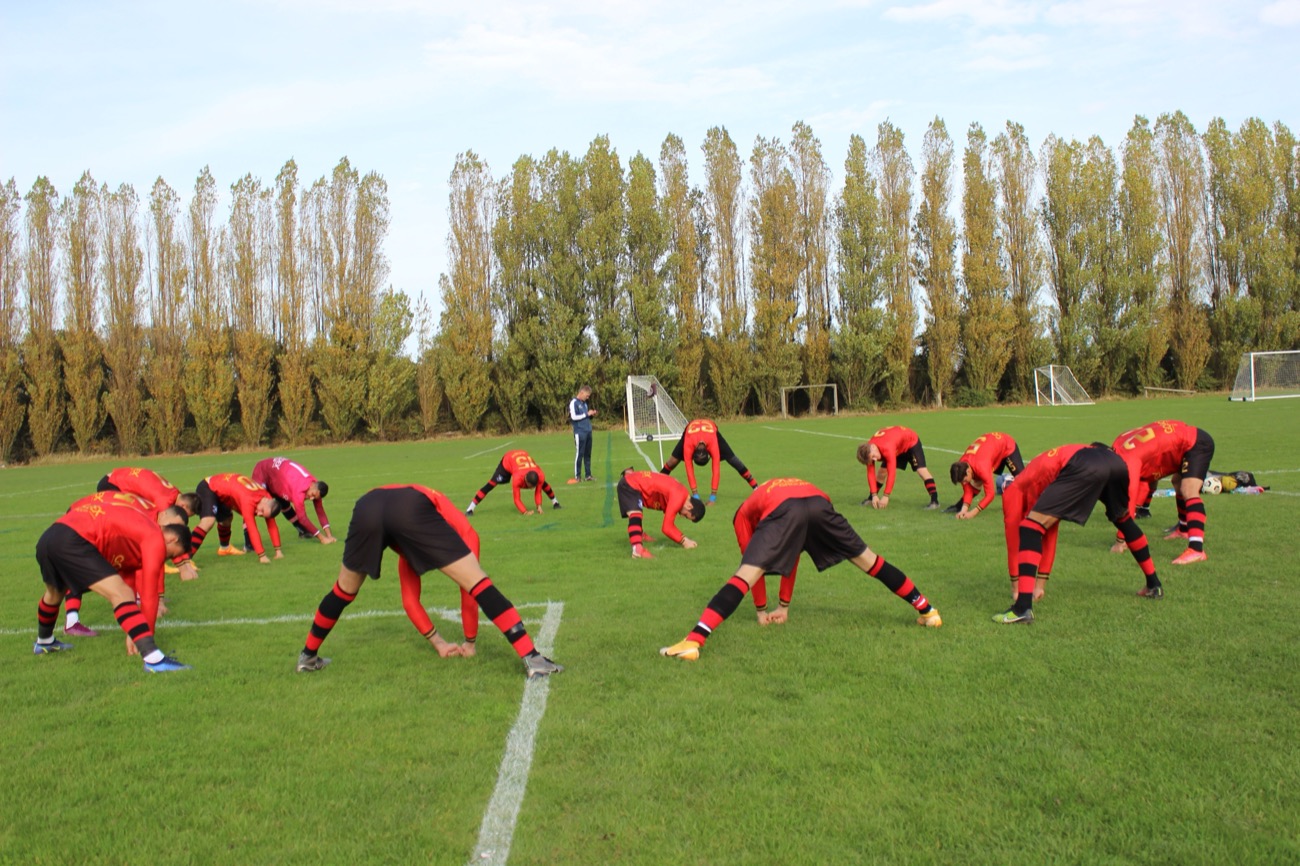
Between Games
Tournament days create a specific problem: a player warms up properly at 8am, then sits for six hours and takes the field at 3pm having done nothing since.
| Situation | What to do |
|---|---|
| Gap under 1 hour | Light catch and movement 15 minutes before |
| Gap of 2-4 hours | Full re-warm-up; treat it as a new game |
| Cold or windy conditions | Longer warm-up; keep layers on between innings |
| Pitcher entering mid-game | Full progression in the bullpen, never rushed |
| After a long delay | Re-warm before returning, even if it holds play up |
Florida heat changes this calculation slightly — the body stays warm longer, but dehydration accumulates. The warm-up gets shorter; the fluid intake does not, as our heat safety guide and nutrition guide set out.
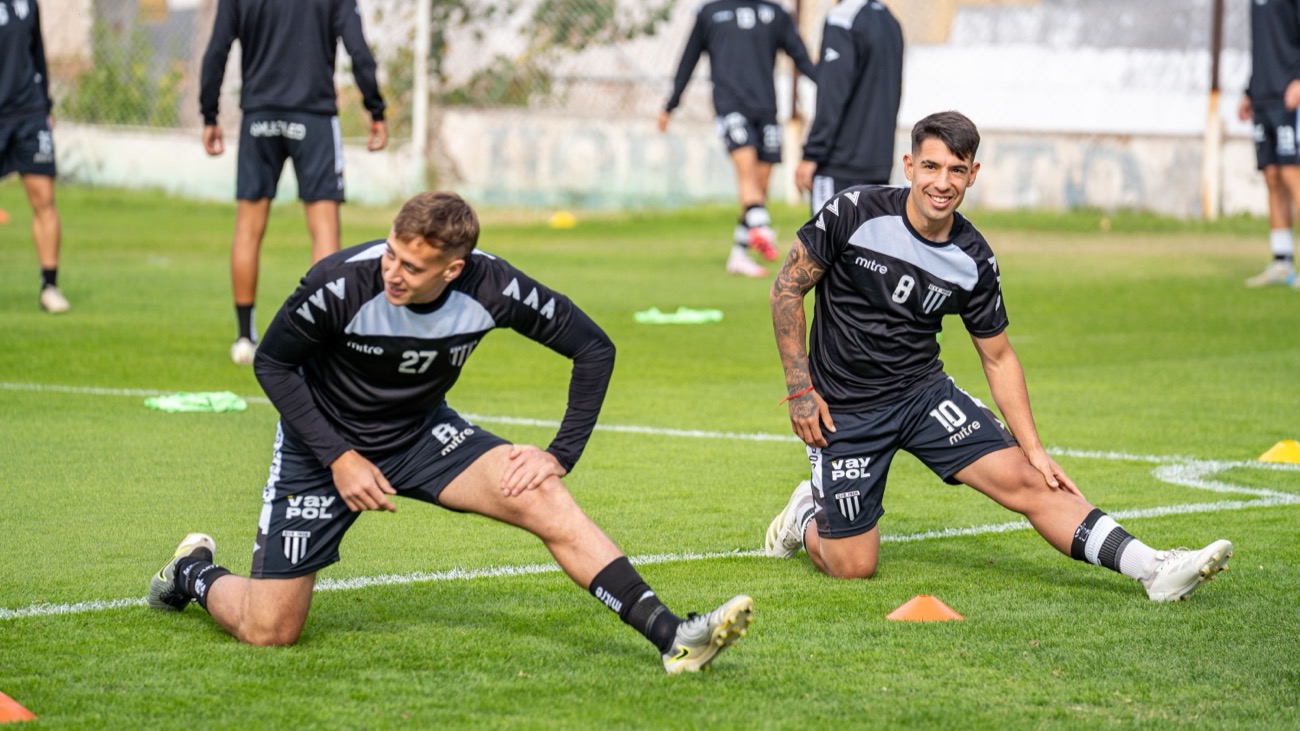
A Warm-Up Is Not Conditioning
A common error is turning the warm-up into a workout — long runs, high-volume calisthenics or conditioning drills before a game.
| Purpose | Where it belongs |
|---|---|
| Raise temperature and mobility | Pre-game warm-up |
| Prepare the throwing arm | Pre-game warm-up |
| Build endurance or strength | Training sessions, not game day |
| Punishment running | Nowhere, and certainly not before playing |
| Skill work at high intensity | Practice, not pre-game |
A player who reaches first pitch already fatigued has been made worse by their preparation. The warm-up should finish with players feeling ready, not winded.
The Cool-Down
This is where static stretching belongs, and where almost nobody does it.
- Light movement for a few minutes to bring the heart rate down.
- Static stretching for hamstrings, hip flexors, quads, chest and shoulders.
- Extra attention for pitchers — posterior shoulder and forearm.
- Rehydrate and eat within the hour, as our recovery guide covers.
- Note anything that felt wrong while it is fresh.
A five-minute cool-down does more for the next day than most families expect, and it costs nothing but the willingness to stay a few minutes longer.

For Growing Players
Warm-ups matter more during rapid growth, not less. Bones lengthening faster than muscles and tendons produces tightness, and tight tissue warmed inadequately is where growth-related problems show up.
Players going through a growth spurt benefit from a longer mobility segment and consistent post-activity stretching — see our guide to growth spurts in young athletes.
Physical education and health organisations such as SHAPE America publish guidance on age-appropriate physical preparation that is worth reading if you are designing a routine for a youth team.

Making It Stick
The best warm-up is the one that actually happens. Keep it consistent, keep it short enough to survive a rushed morning, and have the players lead it once they know it.
Players who run their own warm-up take it more seriously and carry the routine into high school and beyond — which is exactly the sort of self-direction coaches notice, as our high school transition guide explains.
Frequently Asked Questions
Should baseball players stretch before playing?
Dynamic movement before, static stretching after. Static stretching before activity has been shown to temporarily reduce power, balance and reaction time — exactly the qualities baseball needs.
What is a dynamic warm-up?
Movement-based preparation that raises heart rate and takes joints through their range under control — leg swings, lunges, skips, arm circles and gradual throwing. It prepares the body to move rather than simply lengthening muscle.
How long should a baseball warm-up take?
Fifteen to twenty minutes for a full pre-game routine, including general movement, activation, throwing progression and position-specific work. Shorter is possible but the throwing progression should never be rushed.
Do young players really need to warm up?
Yes. Young athletes are often assumed to be immune to injury because they recover quickly, but throwing at full effort on a cold arm is a genuine risk regardless of age.
What should a pitcher’s warm-up look like?
General movement, then band or activation work for the shoulder, then a gradual throwing progression building distance, then a bullpen at increasing intensity. A pitcher should never go from standing to maximum effort.
Train With Proper Preparation
WAR Baseball builds warm-up, conditioning and arm care into team training. See upcoming tryouts for 13U through 17U in Tallahassee.