
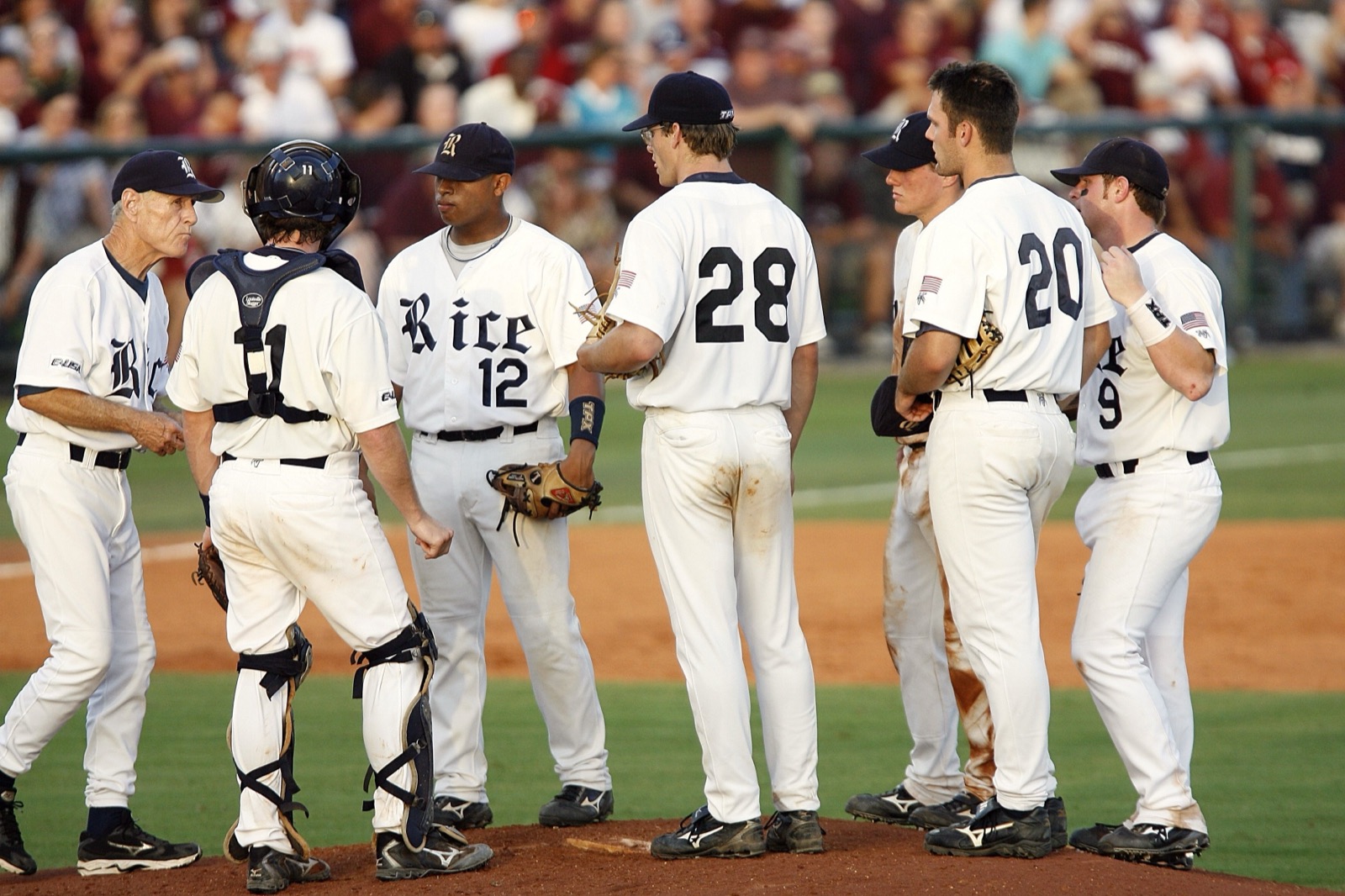
Two players with identical tools will not have identical careers. The one who knows what to do before the ball is hit will out-play the one who works it out afterwards.
Baseball IQ is the cheapest edge available in youth baseball — it requires no physical gift, no equipment and no lessons. It is also among the least deliberately coached.

What Baseball IQ Actually Is
It is not trivia. It is the habit of holding game context in mind and knowing what that context changes about your job on the next pitch.
| Context | What it changes |
|---|---|
| Number of outs | Whether runners tag, where the throw goes, defensive depth |
| Score and inning | Risk tolerance on the bases and in the field |
| The count | Hitter approach, whether a runner is likely moving |
| Runners on base | Force plays, cutoffs, double-play depth |
| The hitter | Positioning; pull or opposite field tendencies |
| Field conditions | Wind, sun, fence distance, infield speed |
Of these, the number of outs is the one that matters most and is forgotten most often. A player who always knows the outs makes dramatically better decisions than one who does not, and it costs nothing to know.
Before every pitch, ask yourself what you do if the ball comes to you. If you cannot answer, you are not ready for the pitch.
The habit we try to build in every player
The Situations That Matter Most
- Cutoffs and relays — where the ball goes and who lines it up.
- Force versus tag — which changes with every runner.
- Tagging up — and when it is worth attempting.
- Bunt coverage — who charges, who covers.
- First and third plays — offensively and defensively.
- Infield in or back — and what it means for the hitter.
- Count leverage — approach at 2-0 differs from 0-2.
Several of these depend on rules that confuse spectators too — the infield fly, the dropped third strike, obstruction. Our guide to baseball rules for parents covers them plainly, and a player who understands them plays them faster.

How It Is Actually Taught
Baseball IQ is not built through lectures. It is built by embedding situations inside drills players are already doing.
| Method | How it works |
|---|---|
| Situational batting practice | Call a situation before each round — runner on second, one out |
| Freeze and quiz | Stop a scrimmage mid-play and ask what each player should do |
| “What would you do?” | Between pitches, at water breaks, on the drive home |
| Announce the situation | Players call outs and situation aloud before each pitch |
| Coach in the dugout | Real-time teaching as situations arise, not afterwards |
| Watch games together | Pause and predict; ask what the defence should do |
The announce-the-situation habit is the highest-value and simplest. Requiring infielders to call the number of outs aloud before each pitch takes seconds, and it converts a passive assumption into an active check.
Pre-Pitch Routine
Every high-IQ player has one, whether or not they could describe it.
- Check the score, inning and outs.
- Note the runners and which forces are live.
- Check the count and what the hitter is likely to do with it.
- Decide your first move for a ball hit to you.
- Decide your first move for a ball hit elsewhere — where do you back up?
- Set your feet and move as the pitch is delivered.
The backing-up step is the one young players skip entirely. On most plays a fielder’s job is not to field the ball but to be somewhere specific in case of an overthrow — and nobody notices until an error becomes two bases.
A useful test: after any play, ask a player who was not involved where they were meant to be. The answers show how much of the team is genuinely engaged on each pitch, and it is usually fewer players than a coach assumes.
Baserunning Is Where IQ Shows
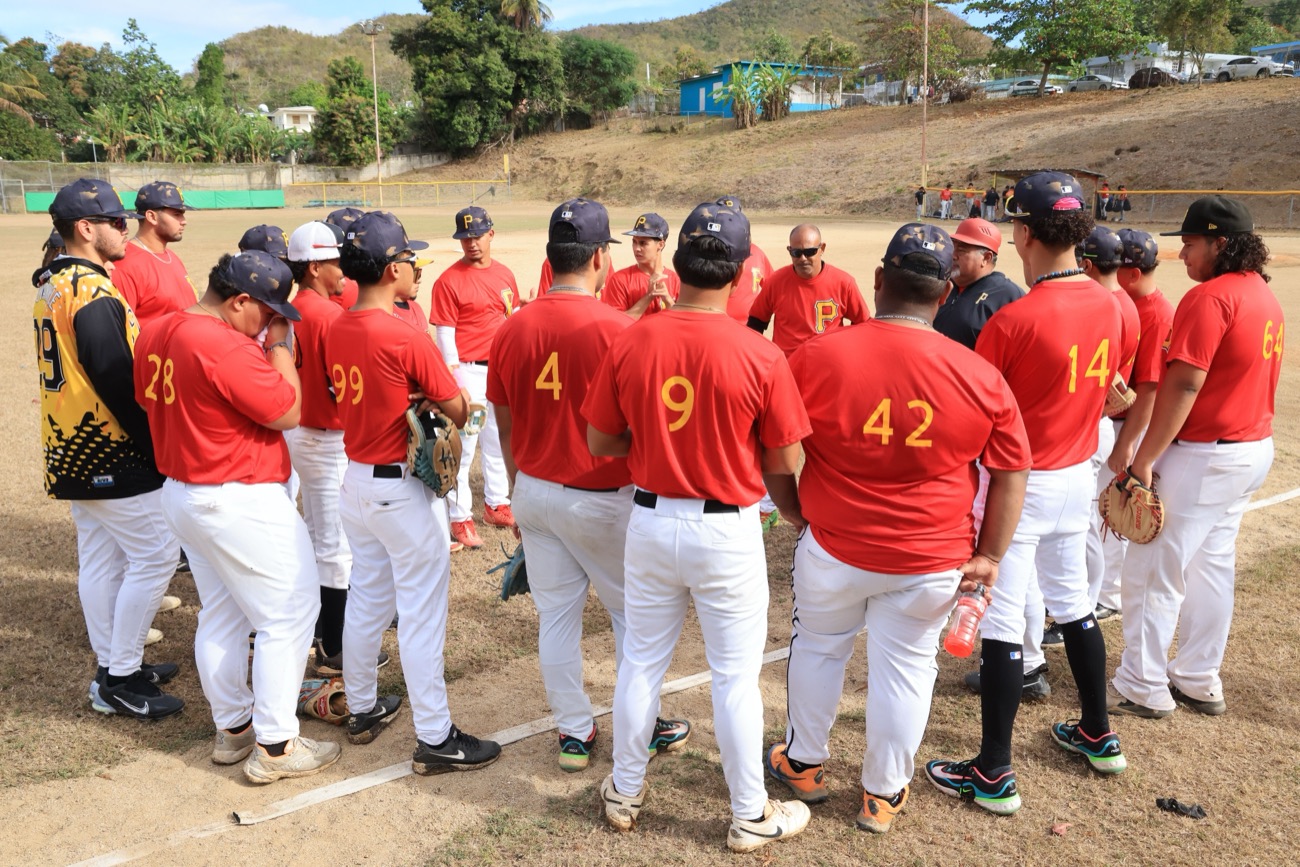
The clearest expression of baseball IQ is on the bases, because decisions there are made alone and at speed.
Knowing when to tag, when to freeze on a line drive, when the outfielder’s momentum makes an extra base available — these are judgement calls no coach can make for a runner mid-play.
Our baserunning guide covers the specific reads. The underlying skill is the same one: knowing the situation before it arrives.
Why Coaches Notice
Baseball IQ is a common tiebreaker between players with similar physical tools, at every level from travel team selection to college recruiting.
| What coaches watch | What it signals |
|---|---|
| Pre-pitch movement | The player is engaged and thinking |
| Backing up throws | Understands responsibilities beyond their own |
| Correct cutoff decisions | Knows the situation |
| Baserunning reads | Judgement under pressure |
| Talking on defence | Leadership and awareness |
| Knowing the outs when asked | The simplest test there is |
Coaches will genuinely ask a player how many outs there are mid-inning. It is quick, revealing and impossible to fake — and it comes up at tryouts more often than players expect.
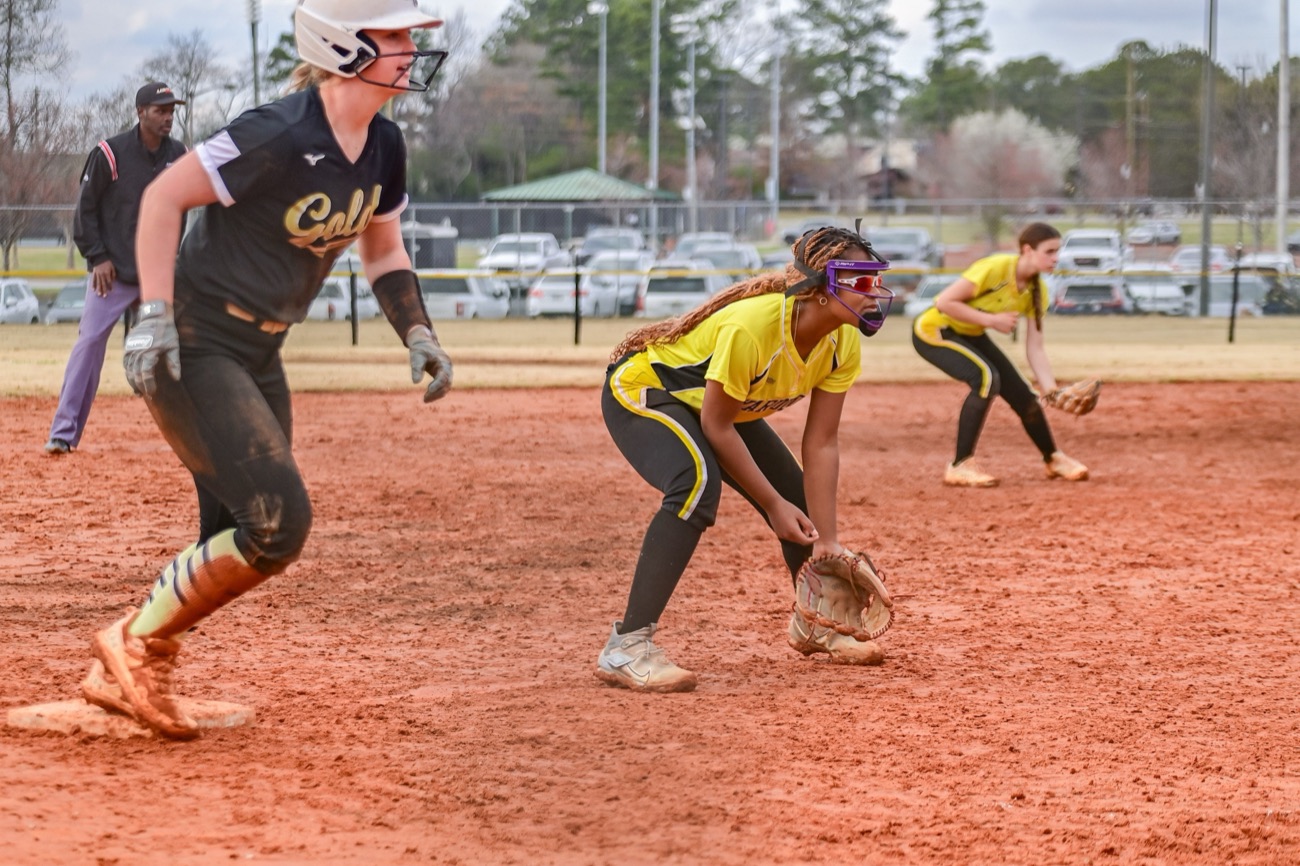
What Parents Can Do
More than in almost any other area, because this one is taught through conversation rather than repetition.
- Watch games together and talk about situations rather than outcomes.
- Ask ‘what should the defence do here?’ during broadcasts — the analysis on outlets like Sports Illustrated’s MLB coverage is a reasonable prompt for that conversation.
- Ask about decisions, not results, after games.
- Let them explain it to you — teaching it cements it.
- Resist correcting mid-game. Save it for later, as our parent guide recommends.
A player who watches baseball thoughtfully develops IQ faster than one who only plays it. It is the rare part of development that improves from the sofa.
Frequently Asked Questions
What is baseball IQ?
The ability to understand game context and make correct decisions before the ball is put in play — knowing the score, inning, count, outs and runners, and what each of those changes about your job on the next pitch.
How do you teach baseball IQ to young players?
By adding situations to ordinary drills rather than teaching it separately. Freeze-and-quiz during scrimmages, situational batting practice, and asking ‘what would you do?’ between pitches all build it faster than lectures.
Why is knowing the number of outs so important?
Because it changes nearly every decision on the field — whether a runner tags, whether an infielder goes home or to first, whether an outfielder plays deep. Players who always know the outs make dramatically better decisions.
At what age should players learn situational baseball?
Basic awareness — outs, count, where the play is — can start around 10 or 11. More complex situations such as cutoffs, bunt coverage and first-and-third plays typically develop from 12 to 14.
Do college coaches evaluate baseball IQ?
Yes, though indirectly. They watch pre-pitch positioning, whether a player knows the situation, and decision quality on the bases. It is a common tiebreaker between players with similar physical tools.
Learn the Whole Game
WAR Baseball coaches situational awareness alongside physical skills. See upcoming tryouts for 13U through 17U in Tallahassee.