
Florida records more lightning strikes and more lightning deaths than any other state, and the pattern that produces them — afternoon convective storms through the summer — lines up exactly with the baseball calendar.
Most youth baseball families have stood on an open field watching a dark sky and waited for someone official to make a decision. That is the wrong instinct, and this covers why.
The 30-30 Rule
This is the standard most sports bodies use, and it is simple enough to apply without any equipment.
| Step | The rule |
|---|---|
| Count the gap | Time from lightning flash to thunder |
| 30 seconds or less | Storm is within ~6 miles — stop play, seek shelter |
| Any thunder heard | Sufficient reason to suspend, even without visible lightning |
| Resuming | Wait 30 minutes after the last thunder or lightning |
| New thunder during the wait | Resets the 30-minute clock |
Sound travels roughly a mile every five seconds. A thirty-second gap means the storm is about six miles away, which is comfortably within the range at which lightning strikes — bolts regularly travel that far from the storm cell producing them.
If you can hear thunder, you are close enough to be struck. There is no safe distance at which thunder is still audible.
The principle behind every lightning guideline
Detailed guidance is published by the National Weather Service, including the reasoning behind the 30-minute wait, which exists because strikes frequently occur after a storm appears to have passed.
What Is and Is Not Shelter
This is where youth baseball gets it most wrong, because the instinctive move is the wrong one.
| Safe | Not safe |
|---|---|
| Substantial building with plumbing and wiring | Dugout |
| Fully enclosed hard-topped vehicle | Picnic shelter or pavilion |
| Permanent restroom block (if enclosed) | Storage shed or equipment hut |
| Complex clubhouse | Under a tree |
| — | Bleachers, including covered ones |
| — | Standing under an umbrella or canopy |
A dugout is a partially open concrete or metal structure at ground level in the middle of an open field. It offers rain protection and effectively no lightning protection, and it is where most youth teams instinctively go.
A car is genuinely safe — not because of the tyres, but because the metal shell conducts current around the occupants. Windows up, and avoid touching metal.
The Florida Pattern
Knowing the local rhythm helps families plan rather than react.
| Timing | What typically happens |
|---|---|
| Late morning | Usually clear; the best window for play |
| Early to mid afternoon | Convective storms build inland |
| Mid to late afternoon | Peak strike risk, and peak tournament game time |
| Evening | Storms often clear, leaving humidity |
| Summer generally | Near-daily pattern rather than an occasional event |
The practical consequence is that afternoon games in June through September carry a genuine probability of delay. Building that into the day — spare clothes, a plan for where to go, a full phone battery — makes it an inconvenience rather than a crisis, as our first tournament guide covers.
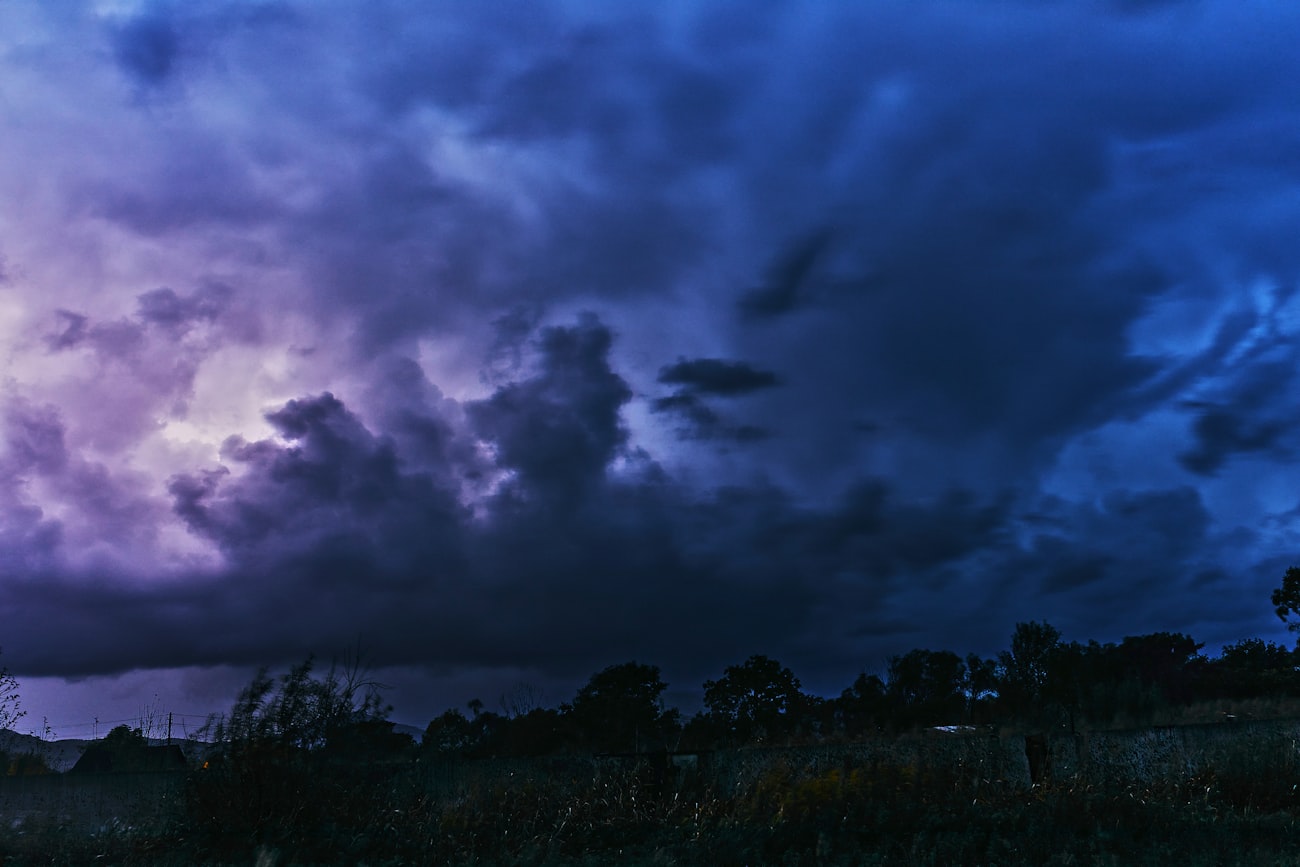
Nobody Needs Permission
Formally, tournament directors and umpires suspend play. Practically, no player, parent or coach should wait for that.
- Any adult can remove a child from a field for safety at any time.
- You do not need to justify it, and no coach worth playing for will object.
- If a director is slow to call it, families can still leave.
- The social pressure not to be the first to move is real — ignore it.
- There is no game outcome worth a lightning strike.
This is worth agreeing with your player in advance so it is not a discussion in the moment. Our youth baseball safety guide takes the same position on protective equipment: the decision should be made before it is needed.
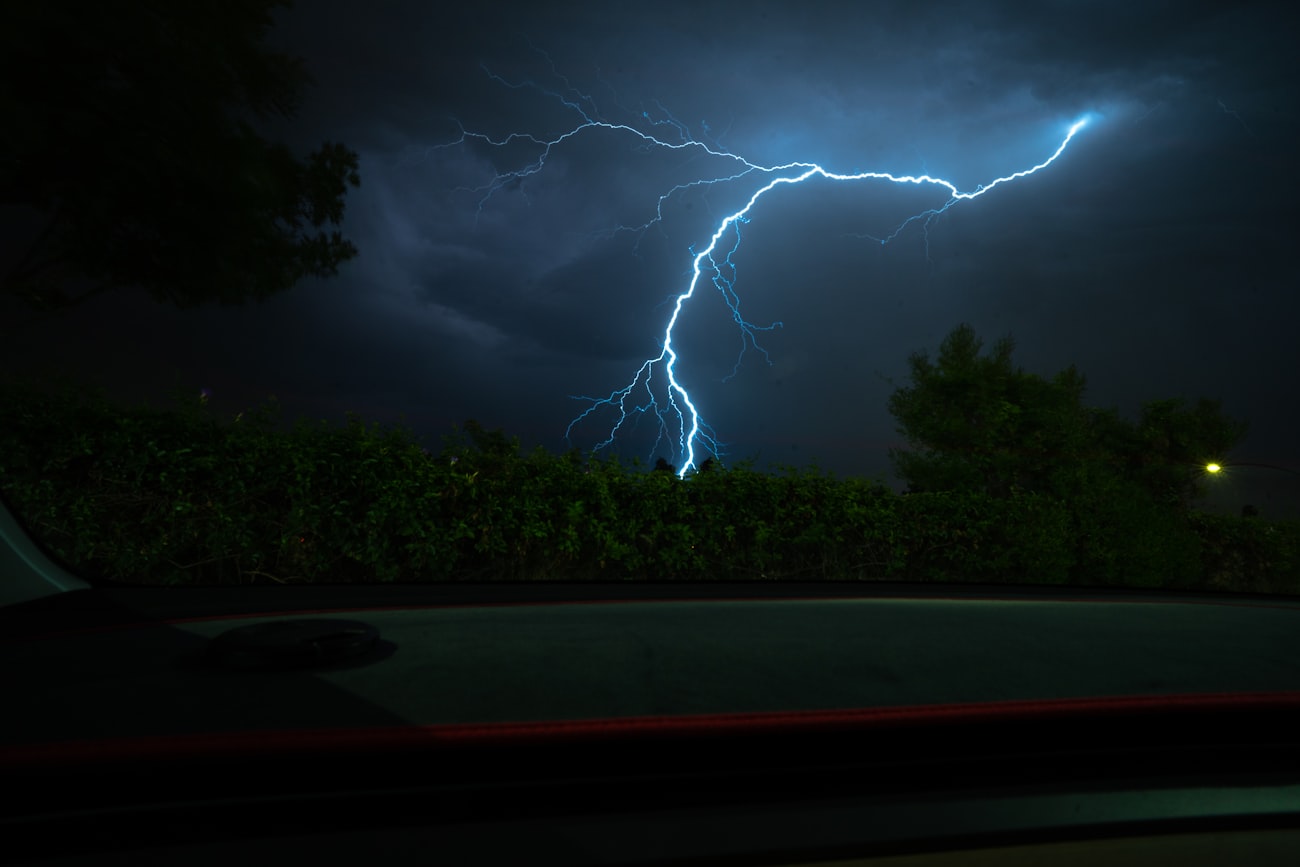
Rain Is a Separate Question
Rain and lightning get conflated, and they are different decisions. Rain affects playability and field condition; lightning affects safety.
| Condition | Concern | Who decides |
|---|---|---|
| Light rain | Field condition, grip, ball handling | Umpire or director |
| Heavy rain | Standing water; unsafe footing | Umpire or director |
| Thunder with no rain | Safety — play stops regardless | Everyone |
| Storm nearby, clear overhead | Safety — strikes travel miles | Everyone |
| Post-storm | Field condition and the 30-minute clock | Both |
The third and fourth rows are the ones families misjudge. A clear sky overhead with audible thunder is a stop, not a judgement call — lightning regularly strikes several miles from the cloud producing it.
What to Ask Your Program
| Question | What a good answer sounds like |
|---|---|
| What triggers a stoppage? | A specific rule — 30-30 or a detection app |
| Where do players shelter? | A named building or vehicles, not the dugout |
| Who makes the call? | Named person, with an obvious deputy |
| How are parents notified? | A group message system that works |
| What happens to the schedule? | Honest answer about delays and refunds |
Most events now use a lightning detection service, which is a meaningful improvement on someone squinting at the sky. It is a fair question to ask when a program or tournament has none.
Heat Is the Other Half
Weather risk in Florida baseball is not only storms. The same afternoons that produce lightning produce heat index readings in the dangerous range, and heat illness affects far more players each season than lightning does.
Our heat safety guide covers acclimatisation, warning signs and why young athletes are more vulnerable than the adults watching them, and our hydration guide covers fluid across a long day.
Between the two, weather is the most predictable risk in Florida youth baseball — and the most manageable, provided families decide in advance what they will do.
Frequently Asked Questions
What is the 30-30 rule for lightning?
If the gap between a lightning flash and the thunder is 30 seconds or less, the storm is within roughly six miles and play should stop immediately. Wait at least 30 minutes after the last thunder or lightning before resuming — and any new thunder resets the clock.
How far away is lightning if you can hear thunder?
Close enough to be dangerous. Sound travels roughly one mile every five seconds, so a 30-second gap means about six miles — well within strike range. If you can hear thunder at all, you are close enough to be hit.
What counts as safe shelter during a thunderstorm?
A substantial enclosed building with plumbing and wiring, or a fully enclosed hard-topped vehicle. Dugouts, picnic shelters, storage sheds and trees are not safe shelter, despite being the places people instinctively go.
Is Florida especially risky for lightning?
Yes. Florida records more lightning strikes and lightning fatalities than any other US state, and the summer afternoon thunderstorm pattern coincides exactly with baseball season.
Who decides to stop play for weather?
Tournament directors or umpires normally make the call, but no parent, coach or player should wait for permission to seek shelter. Anyone can leave the field for safety at any time.
Play With a Program That Plans Ahead
WAR Baseball trains at Powermill with indoor options when Florida weather makes outdoor play unsafe. See upcoming tryouts for 13U through 17U.