
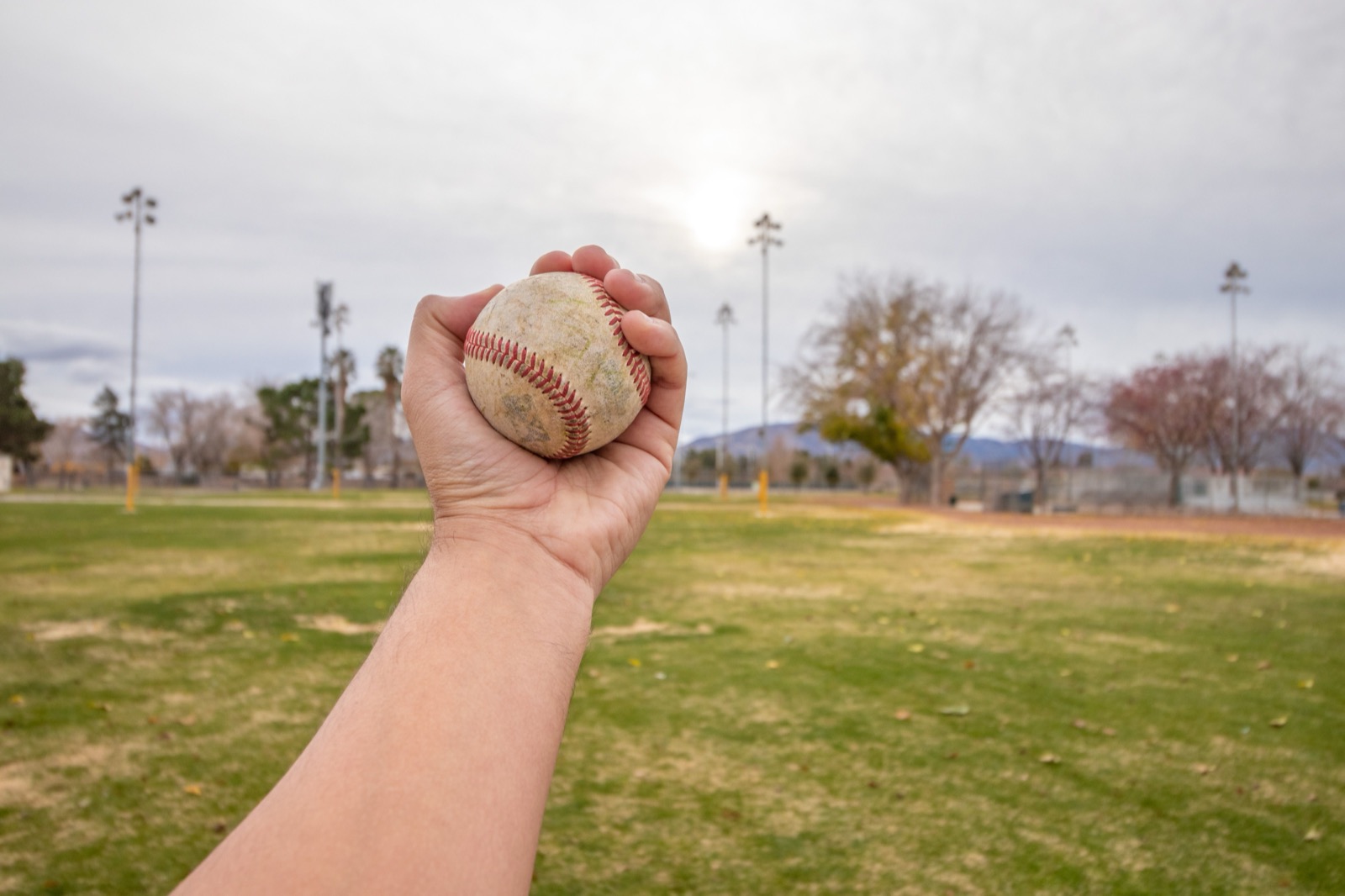
Young pitchers want more pitches. Coaches want fewer, thrown better. The coaches are right, and the reason is straightforward: two pitches commanded beats four pitches thrown.
Here are the grips that matter at youth level, and the order they should arrive in.
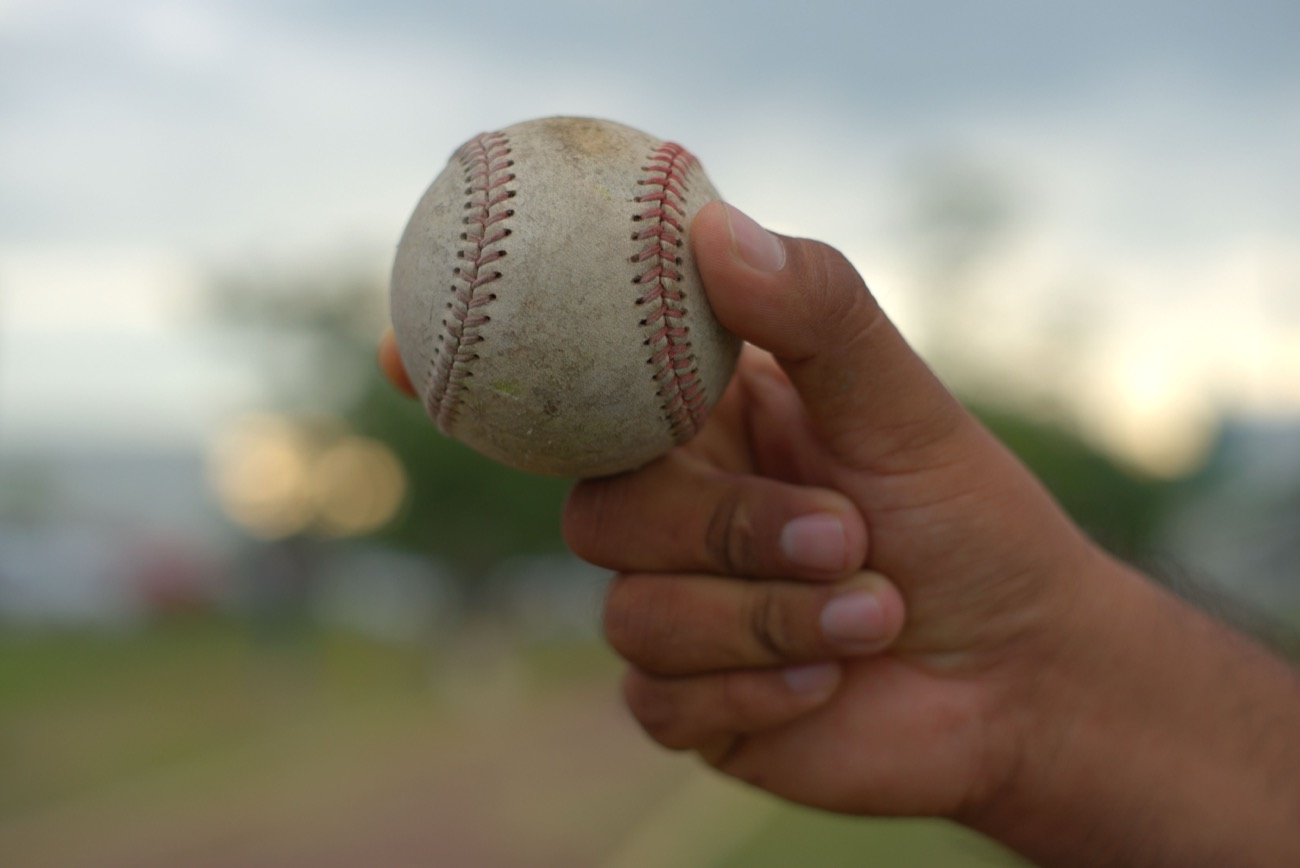
The Order That Works
| Pitch | When | Why |
|---|---|---|
| Four-seam fastball | From the start | The foundation; straightest and easiest to command |
| Changeup | 9-12 | Safest off-speed pitch; same arm action |
| Two-seam fastball | 12-14 | Movement with minimal added stress |
| Curveball | 13-14 at the earliest | Requires forearm strength and consistent mechanics |
| Slider | 15+ | Highest stress; rarely needed at youth level |
Our pitching development guide covers the reasoning behind that sequence in more depth, particularly around breaking balls. This piece is about the grips themselves.
The Four-Seam Fastball
The primary pitch, and the one every other pitch is measured against.
- Place index and middle fingers across the wide part of the horseshoe seam.
- Keep the fingers roughly an inch apart — not clamped together.
- Thumb underneath the ball, roughly centred.
- Leave a small gap between the ball and the palm.
- Grip firmly but without tension. A tight grip costs velocity.
The four-seamer is the straightest and most controllable pitch, which is exactly why it should be the one a young pitcher commands first. Reference material on pitch types and their movement is maintained in MLB’s pitch type glossary.
The Changeup
The most underused pitch in youth baseball and the most valuable second one.
It works by looking identical to a fastball out of the hand and arriving noticeably slower. Everything about the delivery must match — arm speed above all.
| Grip | How | Suits |
|---|---|---|
| Three-finger | Index, middle and ring across the seams, ball back in the hand | Most youth pitchers |
| Circle change | Circle with index and thumb, ball buried in the palm | Larger hands, usually 14+ |
| Palm change | Ball held deep in the palm, fingers wrapped | Very young pitchers |
The three-finger version is the practical starting point. Many young players simply cannot form a proper circle grip, and forcing it produces a pitch they cannot control.
Same arm speed, same delivery, less velocity. If the arm slows down, it is not a changeup — it is a slow fastball, and hitters see it coming.
The one thing that makes a changeup work
A gap of roughly 8 to 12 mph below the fastball is a useful target. Consistency of that gap matters more than its exact size.
The Two-Seam Fastball
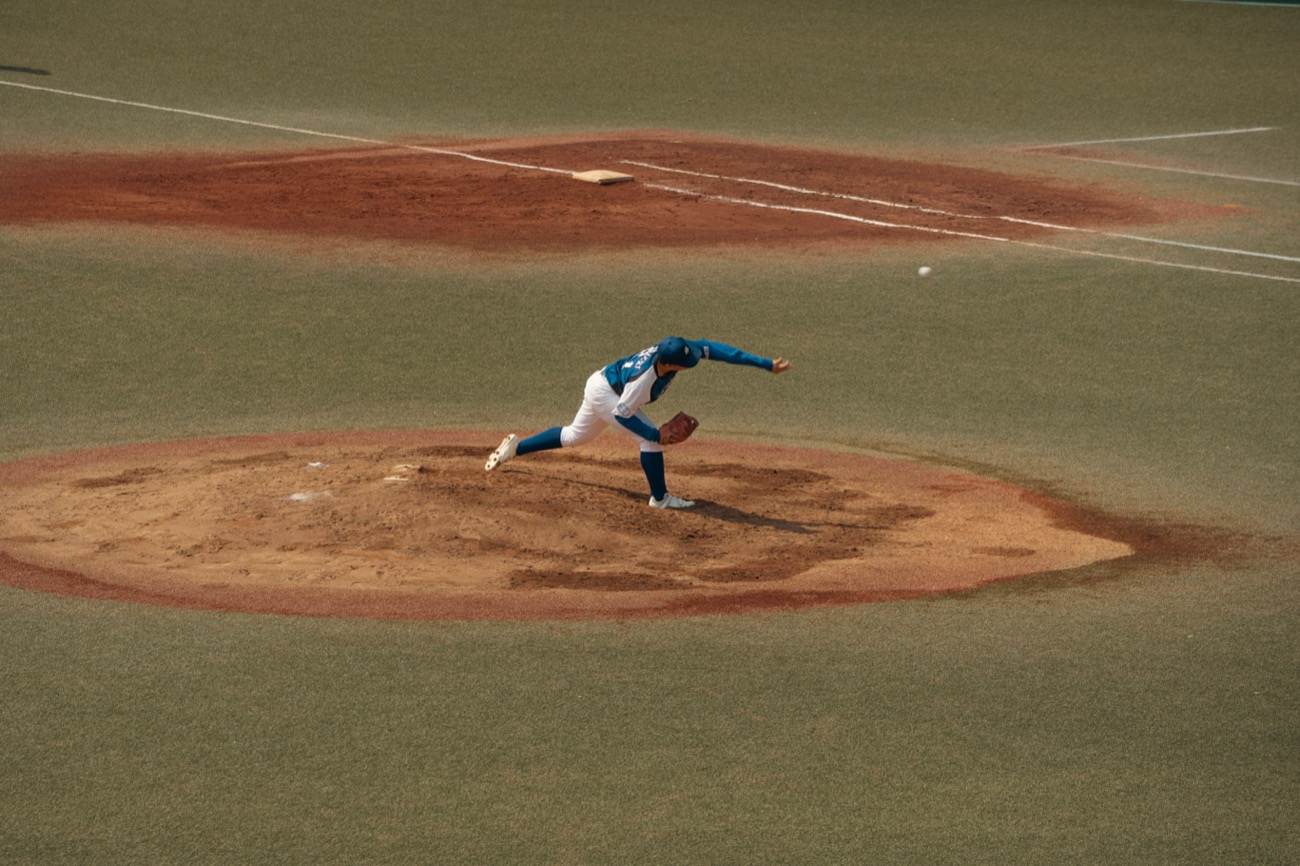
A movement pitch that costs very little to add once the four-seamer is reliable.
- Place index and middle fingers along the two narrow seams.
- Slight pressure with the middle finger encourages arm-side run.
- Thumb underneath, as with the four-seamer.
- Throw it exactly like a fastball — no manipulation at release.
- Expect similar velocity with sinking, arm-side movement.
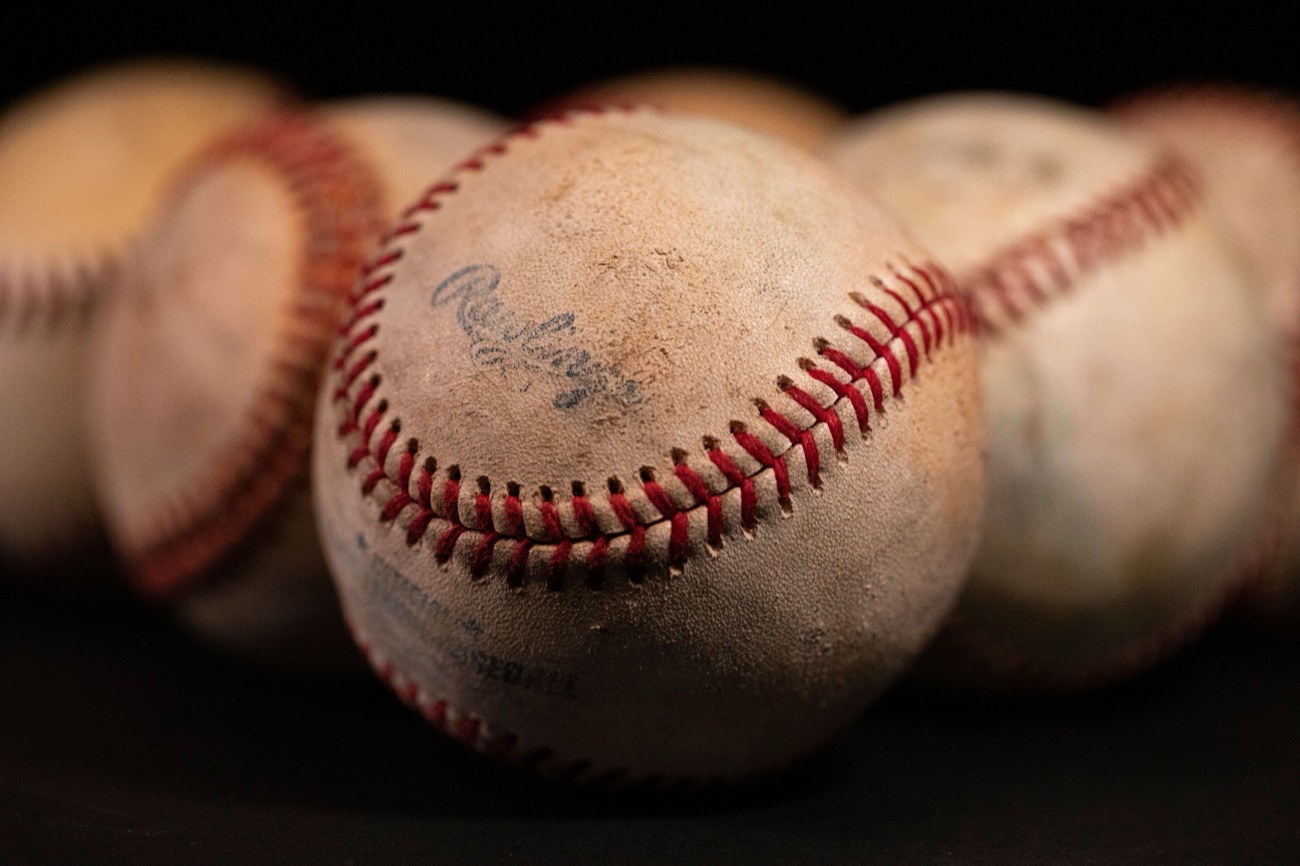
For a right-handed pitcher the ball tends to run in on a right-handed hitter and down. It is particularly useful for inducing ground balls, which pairs well with a defence that can field them — see our infield guide.
Common Grip Mistakes
| Mistake | Effect |
|---|---|
| Gripping too tightly | Reduces velocity and tightens the whole arm |
| Ball buried in the palm on a fastball | Kills spin and carry |
| Fingers too far apart | Inconsistent release and command |
| Slowing the arm on a changeup | Hitters read it immediately |
| Twisting the wrist to create movement | Adds elbow stress for little gain |
| Changing grip pressure mid-delivery | Erratic command |
The fifth row matters most for arm health. Movement should come from the grip and from natural arm action, never from manipulating the wrist at release — that is where avoidable stress enters, as our arm care guide explains.
Concealing the Grip
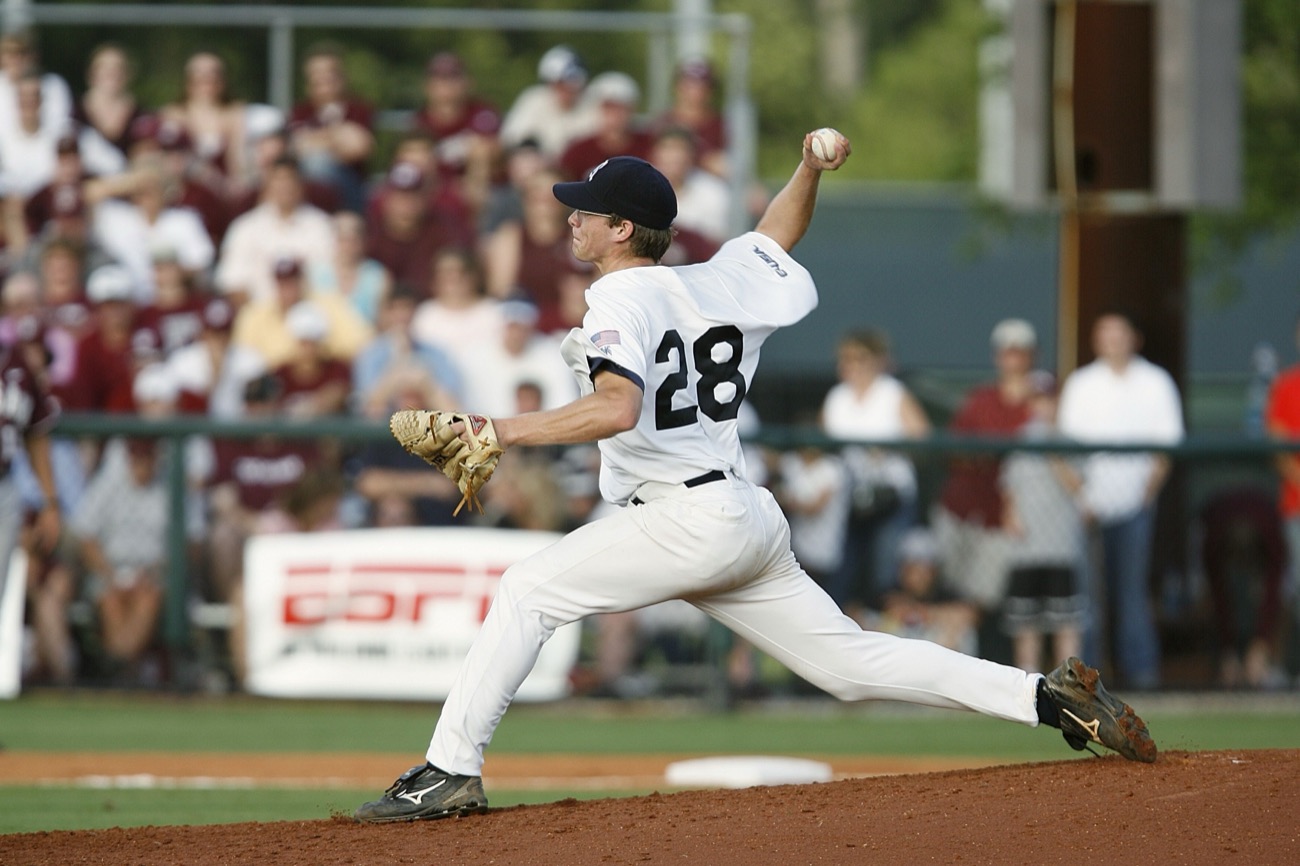
A grip that a hitter or a coach can read is worth less, and youth pitchers give this away constantly.
| Habit | What it reveals |
|---|---|
| Setting the grip outside the glove | The pitch, to anyone watching |
| Different glove position per pitch | The pitch |
| Looking into the glove | That something changed |
| Longer pause before off-speed | Timing tells the hitter |
| Using an open-web glove as a pitcher | The grip, straight through the webbing |
The last row is worth acting on. Pitchers should use a closed-web glove precisely so the grip is not visible through it — a detail covered in our glove buying guide.
Practising Grips
- Set each grip without looking, until it is automatic.
- Practise finding the seams as you take the ball from the glove.
- Throw all grips at the same effort in catch play, well before bullpens.
- Film from the side to check arm speed matches across pitches — see our video guide.
- Count every one of these throws toward the week’s load, per our arm care guide.
Grip work is ideal solo practice. It requires a ball and no partner, and the muscle memory it builds is the difference between finding a grip and fumbling for it — our solo practice guide covers what else fits in that category.
Resist Adding More
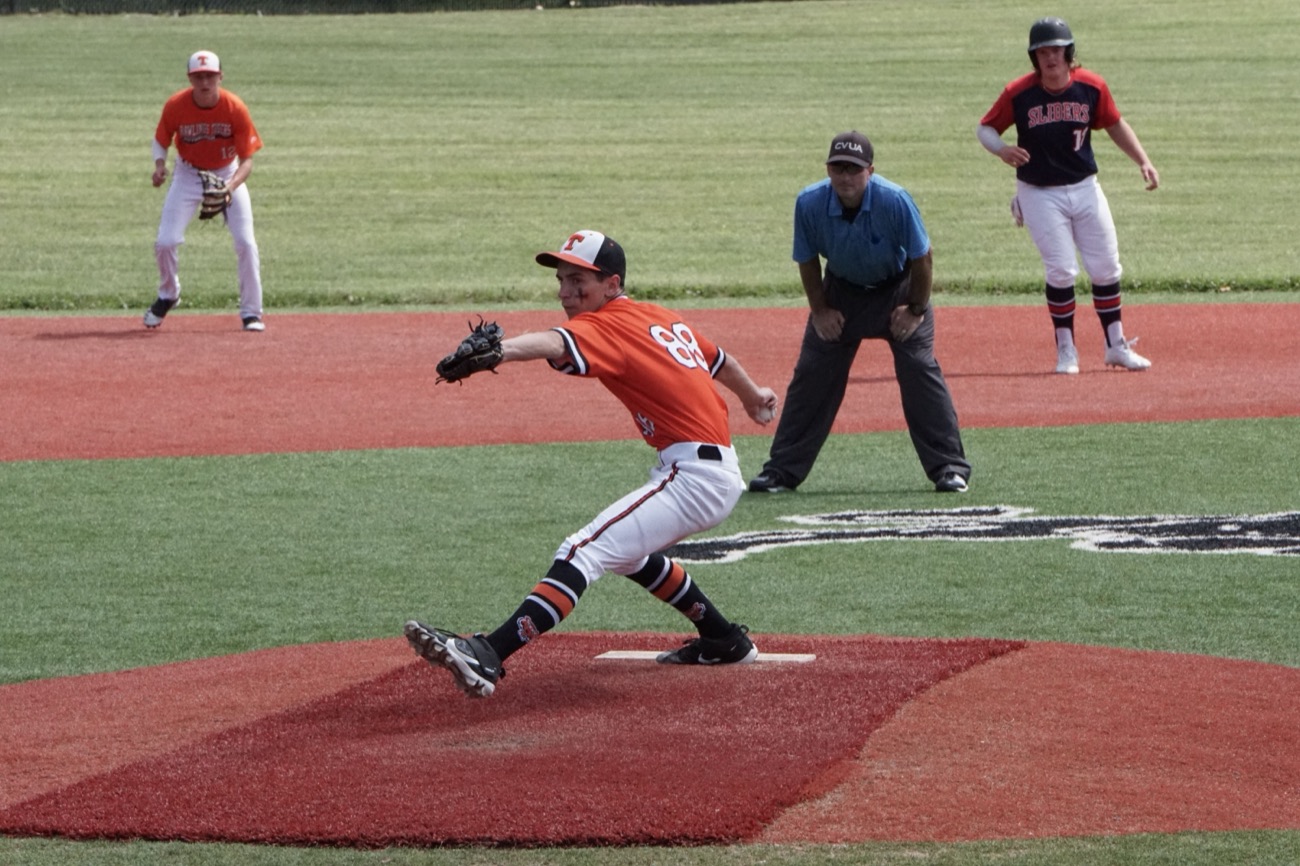
A young pitcher with a commanded fastball and a genuine changeup is more effective than one with five pitches and no command of any.
Every additional pitch divides limited practice time and adds a delivery to keep consistent. The pitchers who progress are almost always the ones who mastered two and added a third only when the first two were reliable.
Our coaching staff includes a pitcher who threw 225 professional games with a career 2.50 ERA. If your player wants genuine instruction on this, come to a tryout.
Frequently Asked Questions
What pitches should a young pitcher throw?
A four-seam fastball and a changeup, until command of both is genuinely reliable. A two-seam fastball can follow. Breaking balls come later — generally not before 13 or 14, and only with sound mechanics.
How do you grip a four-seam fastball?
Index and middle fingers across the wide part of the horseshoe seam, roughly an inch apart, thumb underneath the ball. The grip should be firm but not tight, with a small gap between the ball and the palm.
What is the best changeup grip for a young pitcher?
Usually a three-finger changeup rather than a circle change. Many young players lack the hand size to form the circle grip properly, and the three-finger version is an easy adjustment from the fastball grip.
Why does a changeup work?
Because it looks like a fastball out of the hand and arrives slower. Arm speed must stay identical — a changeup thrown with a visibly slower arm fools nobody and teaches a bad habit.
How much slower should a changeup be?
Roughly 8 to 12 mph below the fastball is a useful target. The exact number matters less than the gap being consistent and the arm action being indistinguishable.
Learn From People Who Pitched
WAR Baseball’s staff includes former professional pitchers. See upcoming tryouts for 13U through 17U in Tallahassee.