
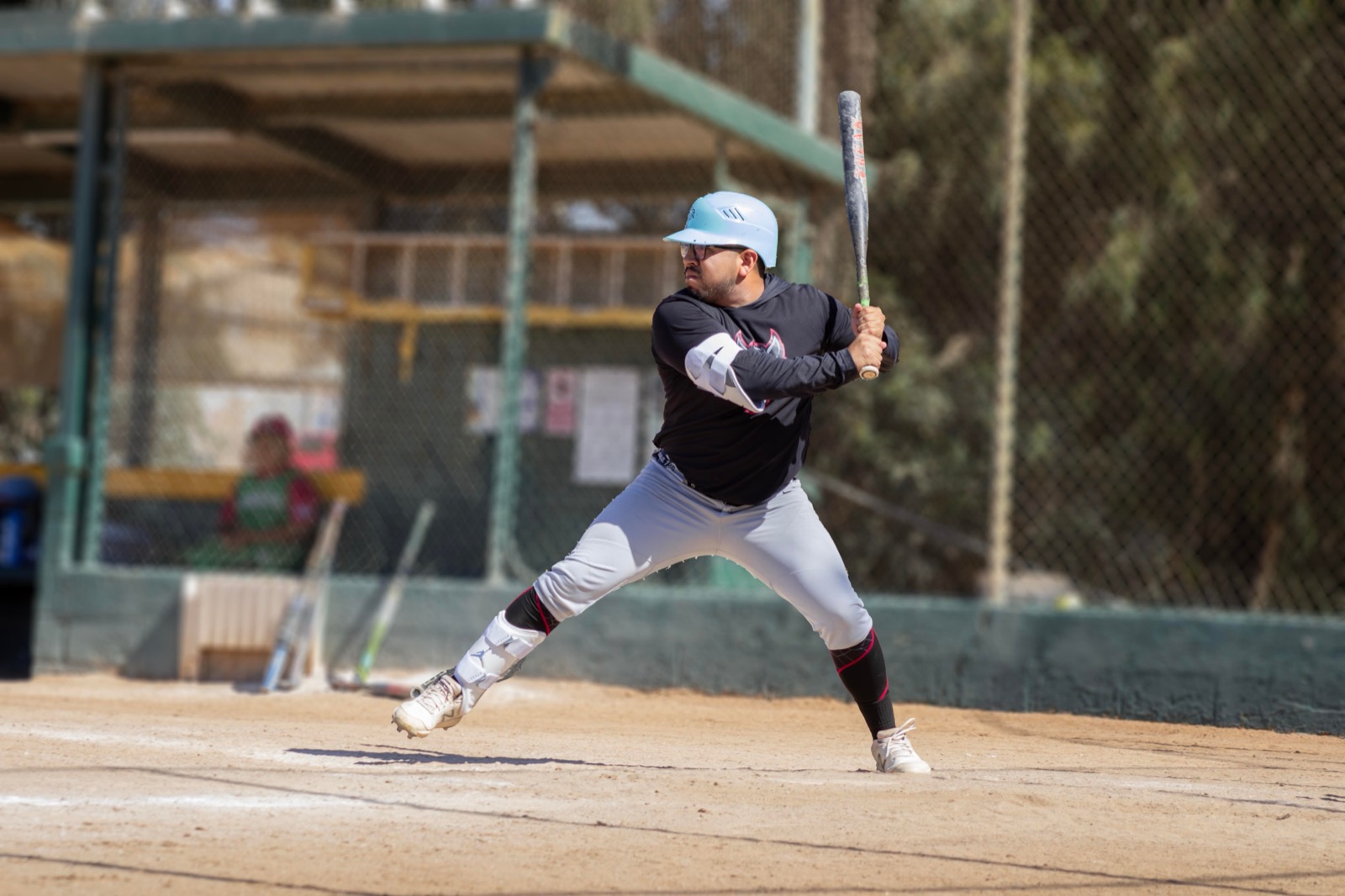
Switch hitting looks like a pure advantage — always face an opposite-handed pitcher, never be matched up against, get a few feet closer to first from the left side.
The advantages are real. So is the cost, which is roughly twice the practice for one player’s worth of at-bats. Whether it is worth it depends heavily on age and on the individual.
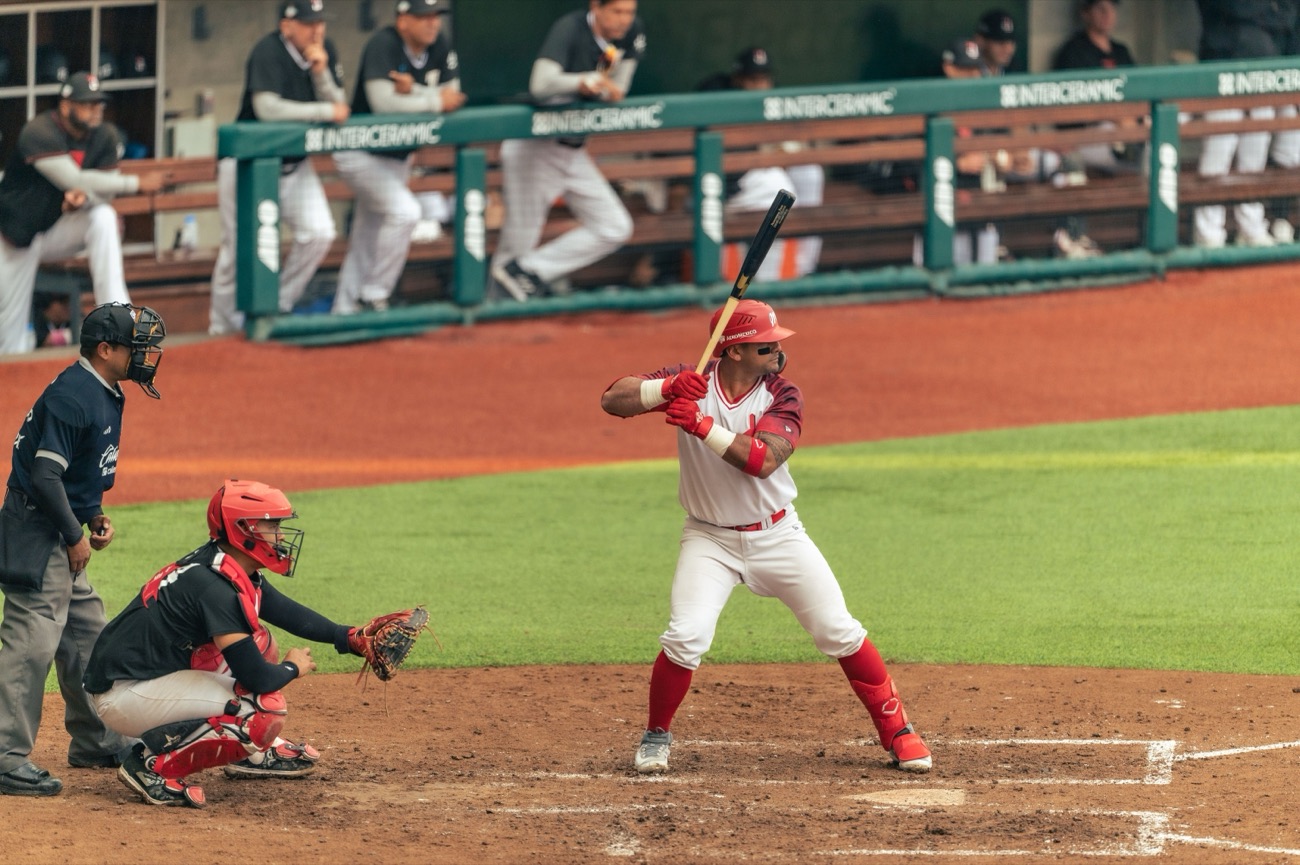
The Age Window
This is the single most important factor, and it is fairly narrow.
| Age | Realistic prospect |
|---|---|
| 7 – 10 | Best window — coordination patterns still forming |
| 11 – 12 | Still viable with commitment |
| 13 – 14 | Difficult; the natural swing is well established |
| 15+ | Rarely worth starting from scratch |
| Any age | Worth trying in practice to see what happens |
The reasoning is motor learning. A swing built while coordination is still developing embeds far more readily than one bolted on afterwards. Past about twelve, a player is competing against years of established pattern on their natural side.
Start it at eight and it is a second swing. Start it at fifteen and it is a project that costs you your first one.
The practical summary
The Genuine Advantages
- Sight of the ball. A same-handed pitcher’s breaking ball starts behind the hitter and moves away; facing opposite-handed always avoids that.
- Neutralising matchups. Specialist relievers become far less effective.
- Distance to first. From the left side a hitter is roughly five feet closer with momentum already heading that way — see our left-handed players guide.
- Roster value. A coach with a switch hitter has more lineup flexibility.
- Bunting angle. Drag bunting from the left side is genuinely easier — our bunting guide covers why.
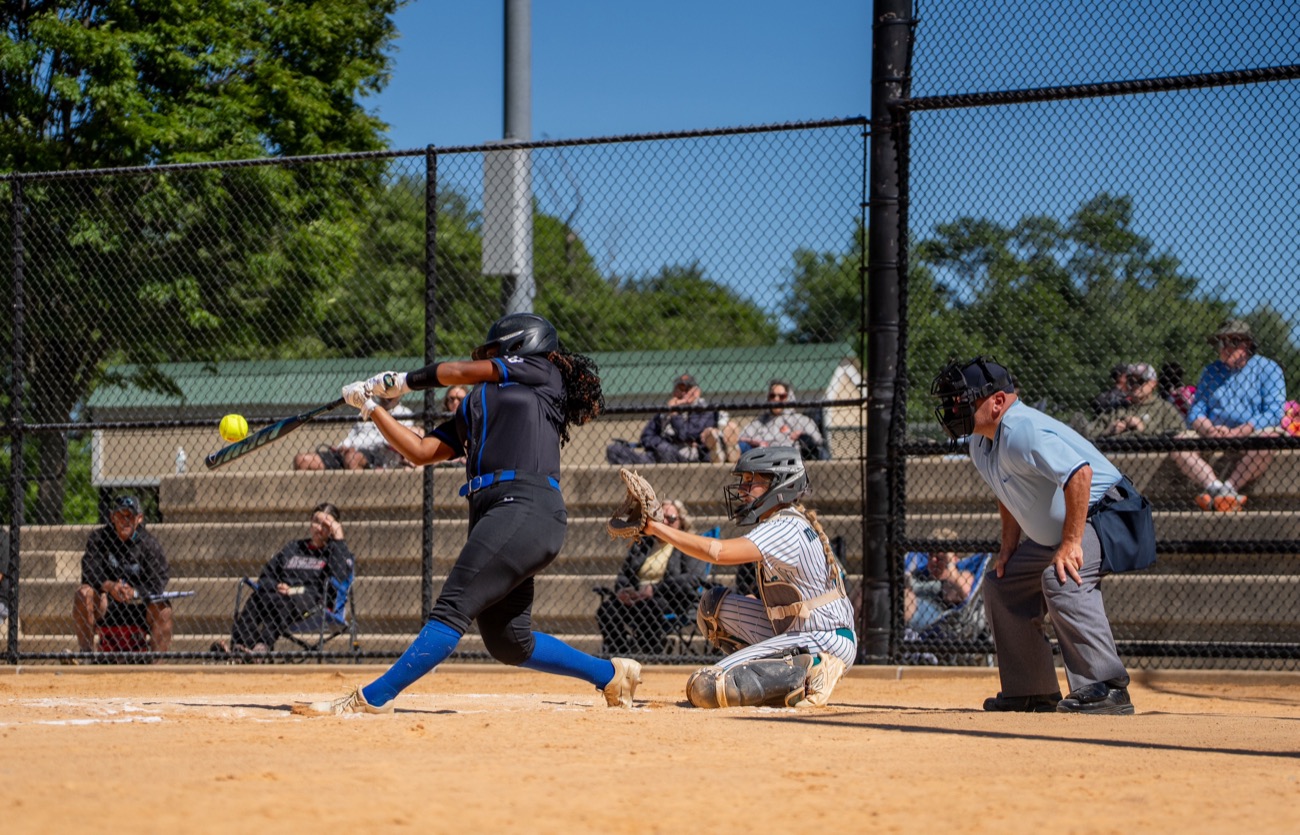
The Real Costs
| Cost | What it means in practice |
|---|---|
| Double the practice | Two swings to build and maintain, same hours available |
| Slower development on the natural side | Time is finite |
| Power lags from the weak side | Often for years, sometimes permanently |
| Swings can interfere | Changes on one side can bleed into the other |
| Game repetitions are split | Half the at-bats from each side |
| Risk of being average from both | The worst outcome available |
The last row is the outcome to avoid. A hitter who is good from one side is more valuable than one who is mediocre from two, and coaches evaluate it that way.
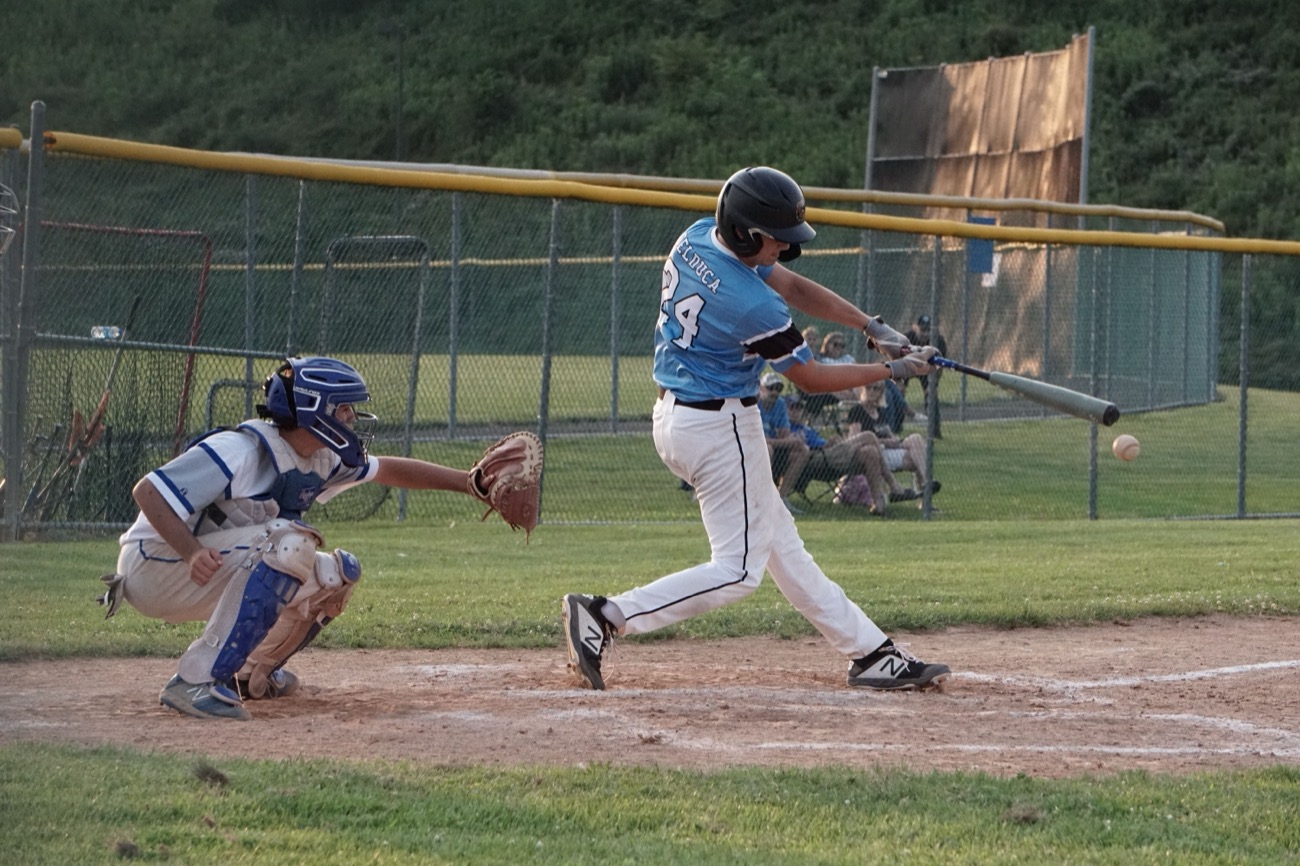
Who It Suits
| Good candidate | Poor candidate |
|---|---|
| Under about twelve | Fifteen and established |
| Shows natural coordination both ways | Struggles with the natural swing already |
| Enjoys the extra work | Already short of practice time |
| Speed-based offensive profile | Power-based profile |
| Wants it themselves | Parent’s idea |
| Has a coach who can teach both | Nobody to supervise the weak side |
The speed point is worth drawing out. Switch hitting pairs particularly well with a player whose value comes from getting on base and running — the left-side head start compounds with speed, as our speed guide explains.
What the Weak Side Actually Requires
Families underestimate this, so it is worth stating concretely.
| Requirement | Rough commitment |
|---|---|
| Building the movement | Several months of tee and dry work |
| Reaching game-usable | A full season, typically |
| Matching the natural side | Often two or more years |
| Maintaining both | Ongoing — neither side keeps itself |
| Practice split | Roughly 50/50 once established |
Set against a finite number of practice hours, that is the genuine trade-off. Time spent building a second swing is time not spent making the first one better.
How to Try It Properly
- Start with dry swings and tee work only, from the new side.
- Build the movement before adding a moving ball.
- Front toss next, then machine, then live pitching.
- Do not use it in games until it holds up in practice.
- Keep the natural swing as the priority throughout.
- Film both sides so change is visible — see our video guide.
The fourth point is where families get impatient. A hitter who switch hits in games before the swing is ready accumulates failure from the weak side, and that damages confidence in both — a dynamic our mental game guide covers.
Coaching and scoring platforms such as GameChanger make it straightforward to track results from each side separately, which turns an impression into evidence.
How to Know If It Is Working
| Sign it is working | Sign to stop |
|---|---|
| Contact quality improving from the weak side | No progress after a full season |
| Natural side unaffected | Natural side visibly declining |
| Player still enjoys the extra work | It has become a chore |
| Coaches see two usable swings | Coaches quietly stop using it |
| Confidence holding from both sides | Avoiding at-bats from one side |
Stopping is a legitimate outcome and not a failure. A season spent trying it and returning to one side leaves a player with better bat control and a clearer understanding of their own swing.
The Honest Recommendation
For most players, particularly those starting after about twelve, the better investment is becoming genuinely good from one side. Bat speed, contact quality and approach all transfer further than a second swing does — as our bat speed guide sets out.
For a young player who is naturally coordinated both ways, wants it, and has the practice time, it is worth trying. The window is real and it does not stay open long.
If you are weighing it, ask a coach who has watched your player hit. Ours will give a straight answer at tryouts or by phone.
Frequently Asked Questions
Should a young player learn to switch hit?
It is worth trying if they show interest and reasonable coordination from both sides, and if they are young enough — generally before about twelve. It is a large time commitment and it is not for everyone.
What age should you start switch hitting?
Most guidance points to the 7-12 range, while coordination patterns are still forming. Starting later is possible but considerably harder, because the dominant-side swing is already ingrained.
What are the advantages of switch hitting?
Better sight of the ball by always facing an opposite-handed pitcher, neutralising specialist relievers, and — batting left-handed — standing closer to first base with momentum already heading that way.
What is the downside of switch hitting?
You must maintain two swings, which roughly doubles the practice required and takes time away from the natural side. Power from the weaker side usually lags for years, and the two swings can interfere with each other.
Do college coaches value switch hitters?
A genuinely competent switch hitter has value, particularly if they can handle a premium defensive position. A player who is mediocre from both sides is generally less attractive than one who is good from one.
Develop the Swing You Have
WAR Baseball coaches hitting across 13U through 17U. See upcoming tryouts in Tallahassee and get an honest assessment.