
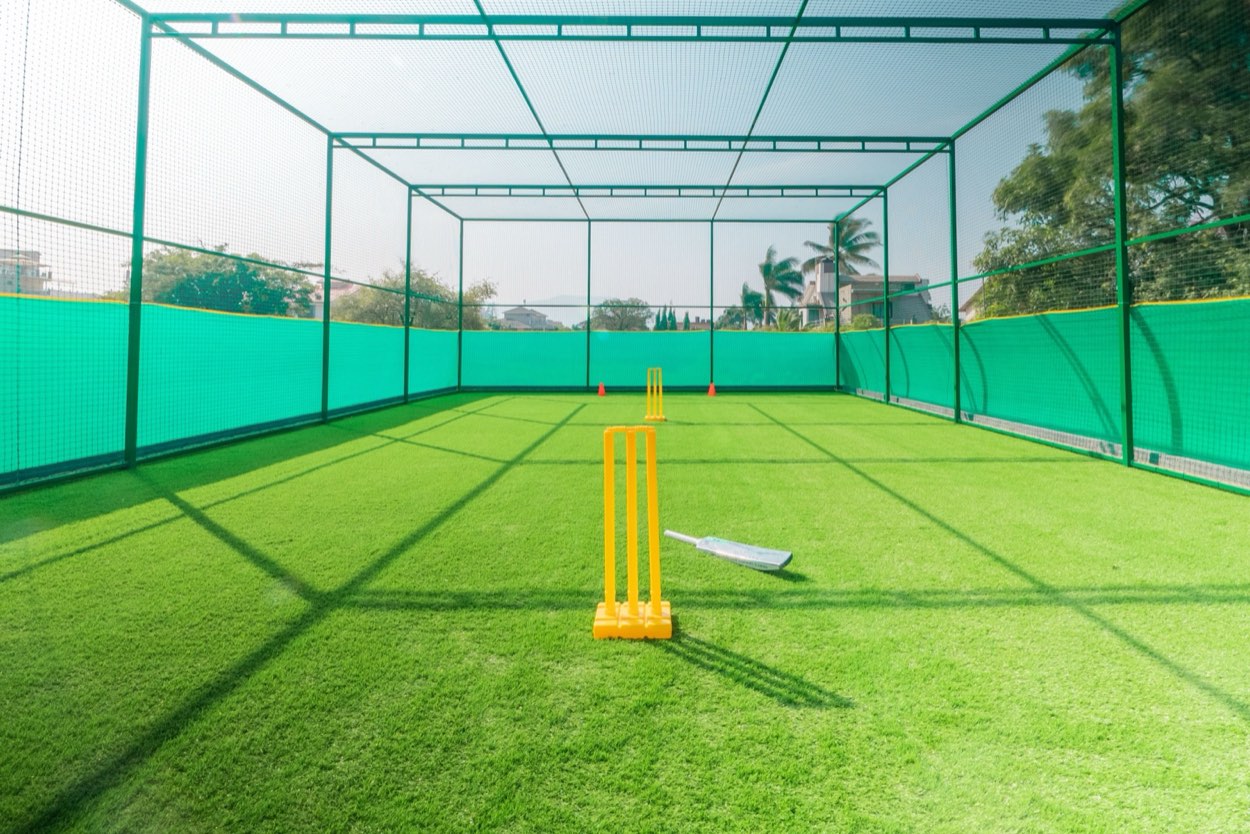
Northern baseball families train indoors because the ground is frozen. Florida families train indoors for entirely different reasons — daily afternoon storms, heat that makes long outdoor sessions unwise, and the simple problem that a rained-out field means a cancelled session.
The result is the same: indoor space is what turns an intended training block into an actual one.
The Florida Problem
| Month | Outdoor obstacle |
|---|---|
| June – September | Daily afternoon storms; dangerous heat index |
| October – November | Best outdoor conditions of the year |
| December – January | The genuine development window; occasional cold snaps |
| February – May | Spring season; little spare training time |
| Year-round | Lightning risk during any afternoon storm |
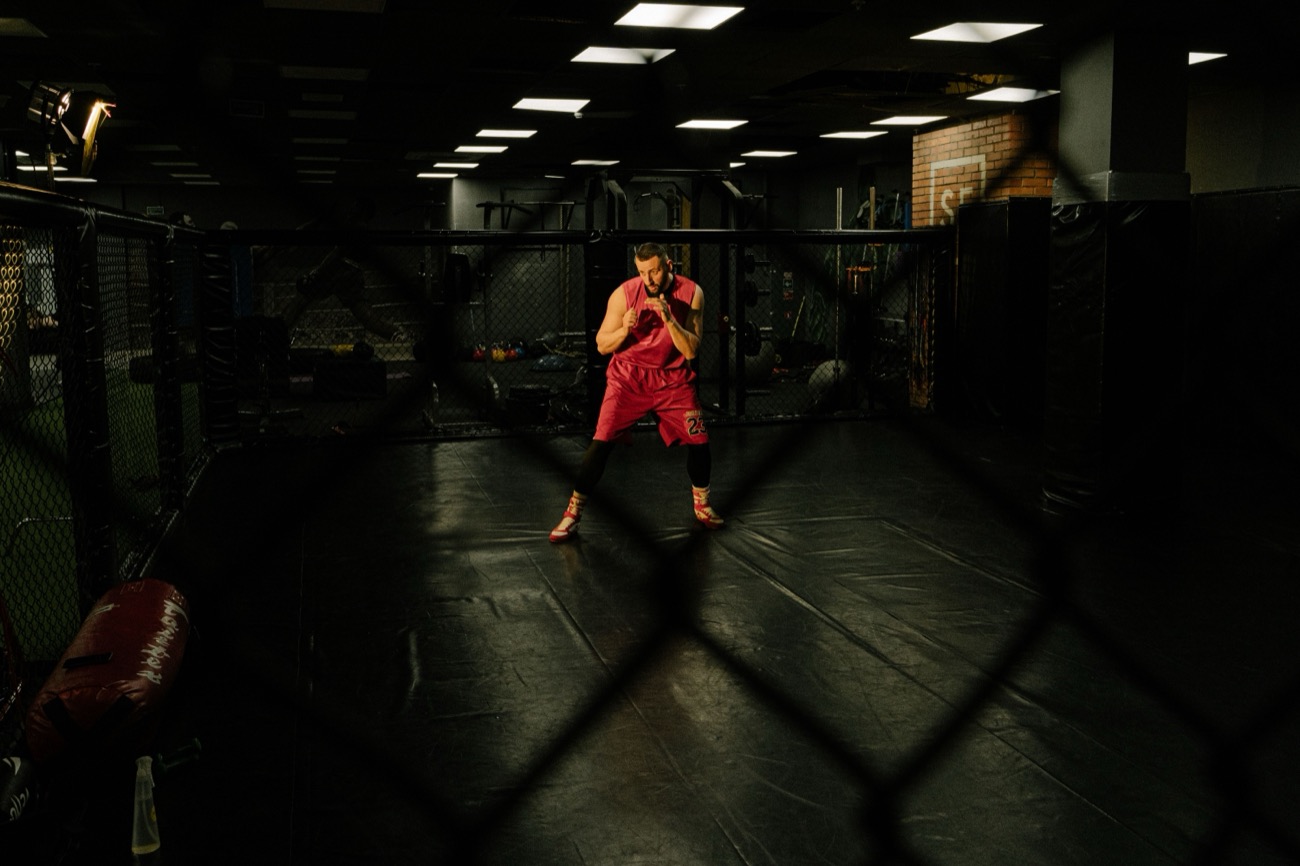
The pattern that matters: the best weather coincides with the fall season, and the genuine off-season window falls in December and January — a short block that gets lost entirely if training depends on the weather cooperating.
Our heat safety guide and lightning guide cover why the summer obstacles are safety issues rather than inconveniences.
What Transfers Indoors
| Activity | Indoors? | Note |
|---|---|---|
| Tee and machine hitting | Fully | No loss at all |
| Strength and conditioning | Fully | Arguably better indoors |
| Speed and agility | Fully, with space | Turf works well |
| Bullpens | Fully | Needs a proper mound |
| Infield work | Mostly | Turf hops differ slightly from dirt |
| Short throwing progression | Mostly | Distance is the constraint |
| Long toss | Limited | Needs real distance |
| Outfield reads | No | Cannot replicate ball flight |
Everything except distance and ball flight transfers. That covers most of what actually makes a player better in December.
WAR Baseball coaching staff
Structuring the Window
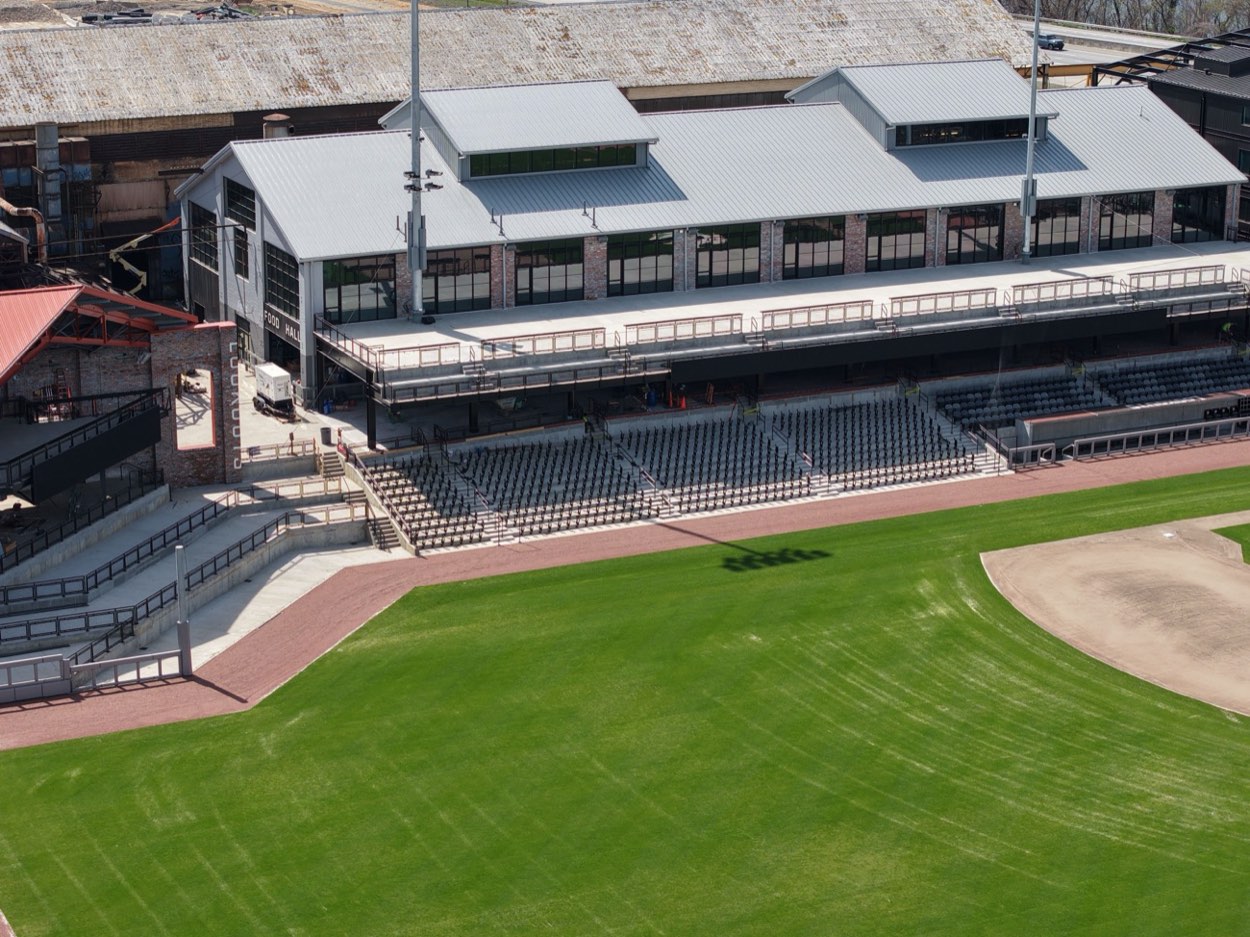
December and January are roughly eight weeks. Used deliberately, that is enough for genuine physical change; used casually, it disappears.
| Weeks | Priority | Throwing |
|---|---|---|
| 1-2 | Rest from throwing; general movement | None |
| 3-5 | Strength foundation; mobility | Light catch |
| 6-8 | Power development; skill volume | Long toss progression |
| Pre-season | Maintain strength; sharpen skill | Full progression, bullpens |
The rest weeks are not optional and they are the first thing families skip. Our off-season training guide covers why the sequence matters more than the total volume.
Guidance from the National Strength and Conditioning Association on long-term athletic development is worth reading before designing any winter programme for a young player.
What Indoor Space Actually Buys You
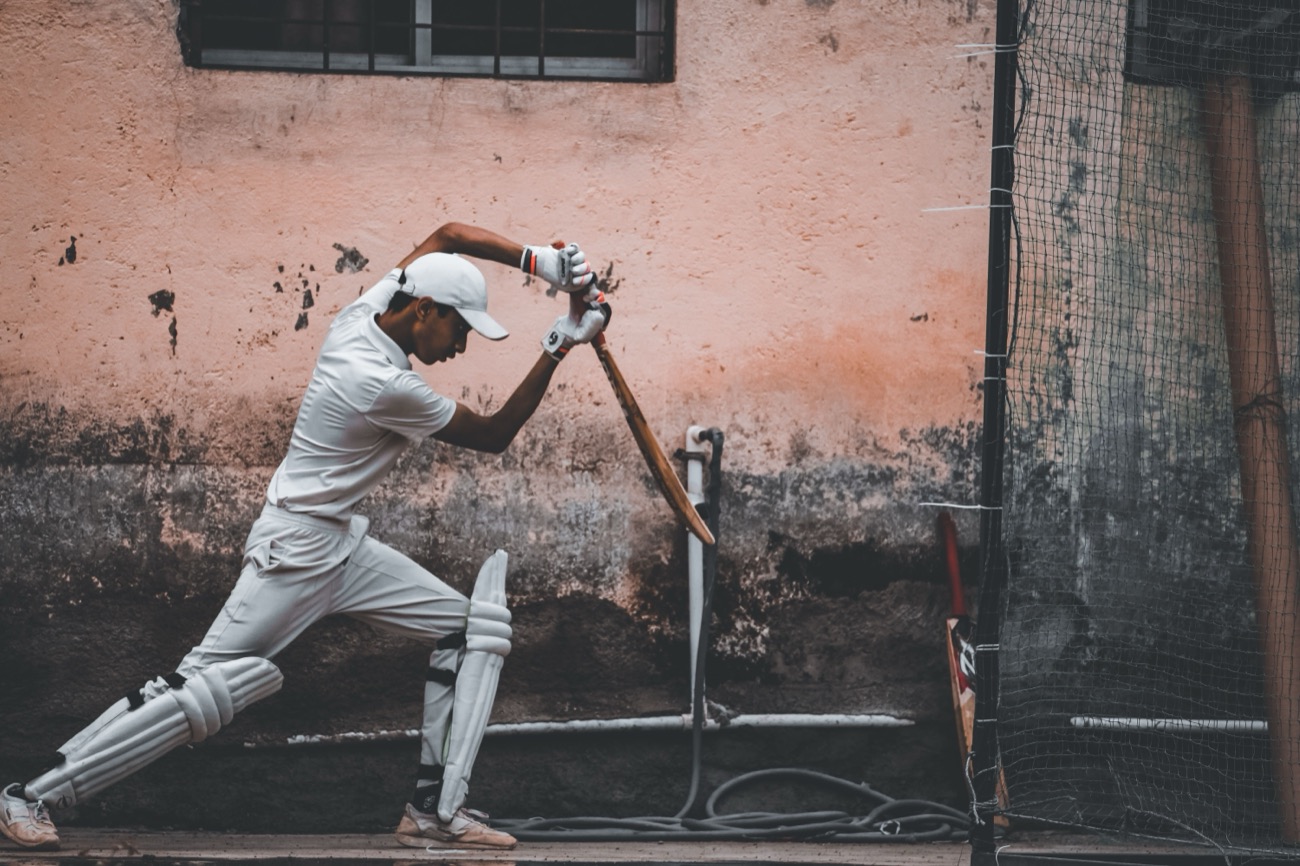
The value is not the equipment. It is that a session planned for Tuesday happens on Tuesday.
| Without indoor access | With it |
|---|---|
| Sessions cancelled by weather | Sessions happen as planned |
| Training clusters into good weeks | Consistent weekly load |
| Summer work squeezed into mornings | Usable afternoons |
| Off-season block often lost | Eight genuine weeks in December-January |
| Progress is stop-start | Progress compounds |
Development is a function of consistency far more than intensity. A player training twice a week for ten weeks beats one training five times a week for three weeks and then stopping.
Making a Cage Session Count
An hour in a cage can be genuinely productive or largely wasted, and the difference is structure.
- Arrive with a plan. One thing to work on, decided beforehand.
- Warm up properly — see our warm-up guide.
- Separate mechanical and intent rounds. They compete.
- Use feedback — a coach, a net target, or video.
- Stop when quality drops. Tired reps reinforce the wrong pattern.
- Finish with something competitive to keep it enjoyable.
Volume without feedback is the most common failure. Two hundred swings with nobody watching mostly rehearses whatever the player already does — the point our bat speed guide and video guide both make.
Training Without a Facility
Not every family has cage access, and a great deal can be done without it.
| Space | What is possible |
|---|---|
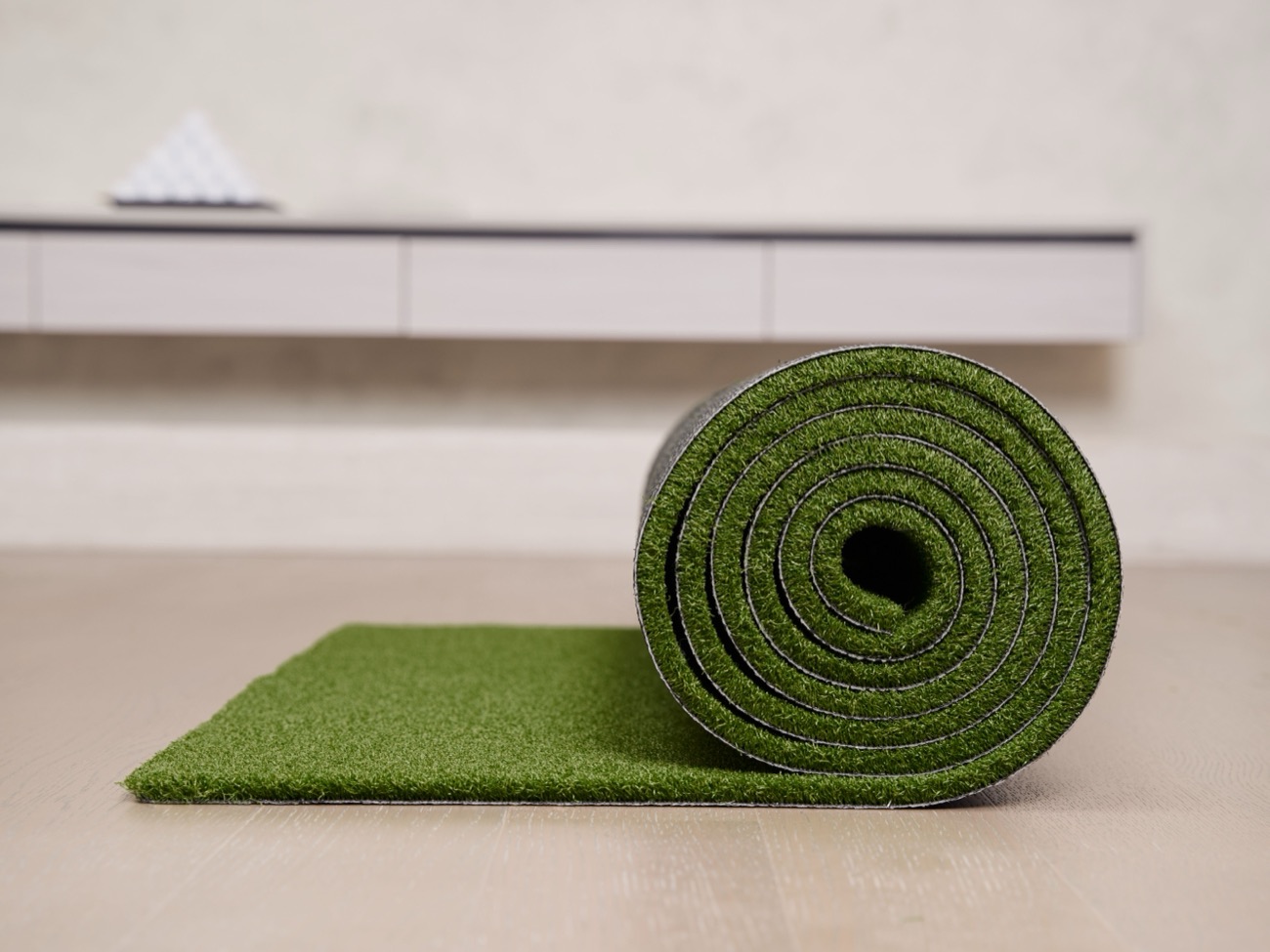
| Garage or carport | Tee into a net, dry swings, band work |
| Driveway | Wall ball, footwork, sprint starts |
| Any flat wall | Fielding reps with a tennis ball |
| Living room | Mobility, core work, grip practice |
| Local park | Long toss on dry days |
Our solo practice guide covers these in detail. A player with a wall, a net and twenty minutes a day makes real progress across an eight-week block.
Sharing Cage Time
Facility time is usually limited and shared, which is worth planning around rather than complaining about.
- Book a slot and arrive ready — warm up before the clock starts.
- Two players in a cage is often better than one; you get rest between rounds and feedback.
- Rotate roles: one hits, one watches and calls out one cue.
- Bring a tee so you are not waiting on the machine.
- Use the last five minutes for something competitive.
Working in pairs also halves the cost, which matters given what a season already runs to — see our cost breakdown.
What Indoor Training Cannot Fix
Two things need outdoor time, and planning around them matters.
Outfield reads. Judging a ball off the bat at distance, with sun and wind, is not reproducible indoors — our outfield guide explains why the first step is the whole skill.
Long toss. Arm strength is built through progressive distance, which needs genuine space. Cold snaps aside, Florida winters permit outdoor throwing most days — it is worth prioritising those days for throwing and using indoor time for everything else.
How We Use It
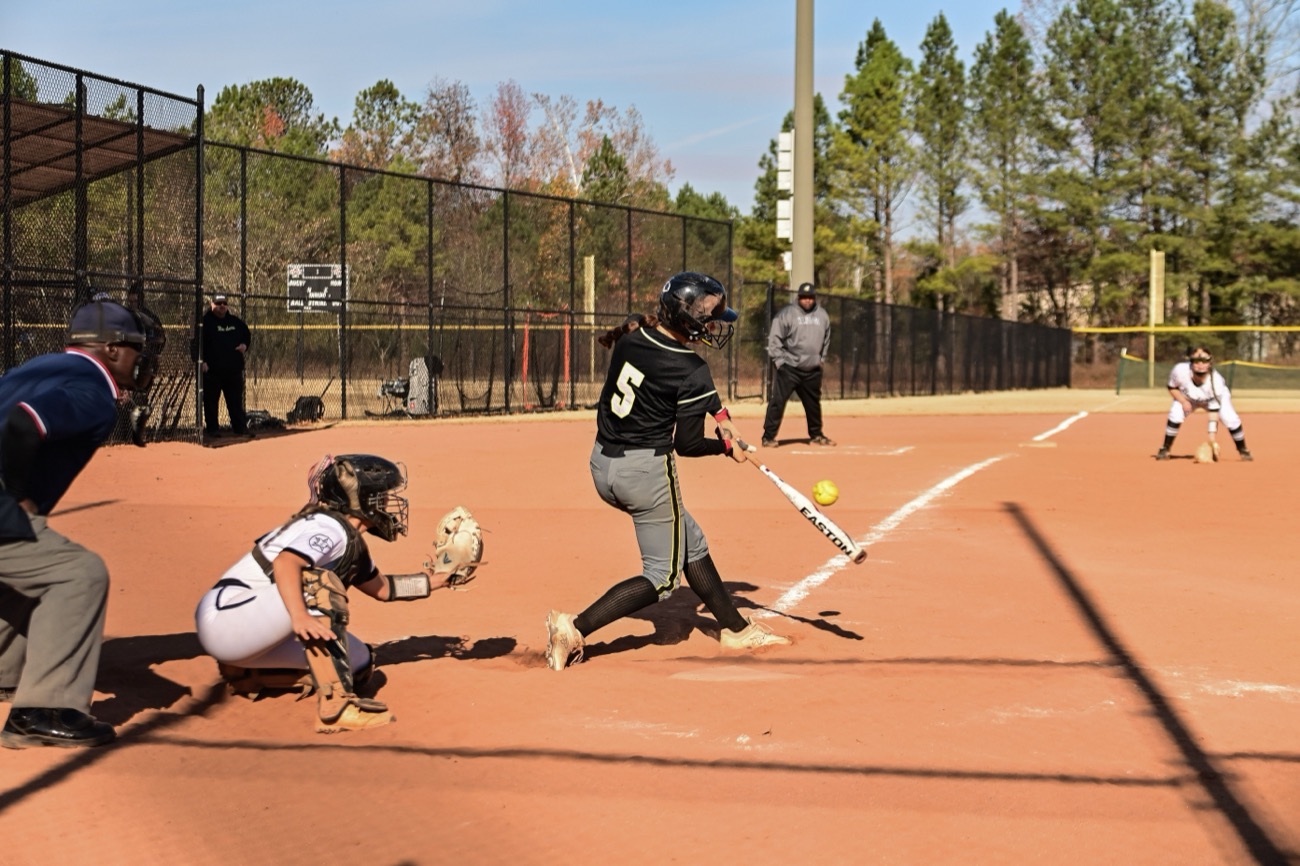
Our players train at Powermill, which gives them cage and turf access regardless of weather, plus speed and agility sessions built into team membership.
That matters most in two windows: the summer, when afternoon heat and storms make outdoor sessions unreliable, and the December-January block, when the development that shows up in spring actually happens.
Our FAQ covers practice frequency across the year, and tryouts are the way in.
Frequently Asked Questions
Why does a Florida baseball player need indoor training?
Not for cold — for rain, heat and consistency. Florida afternoons produce daily storms for much of the year, and summer heat makes long outdoor sessions unsafe. Indoor space is what keeps training happening regardless.
What can you actually do indoors?
Almost everything except live fly balls. Hitting off tees and machines, short-distance throwing progressions, bullpens, infield work on turf, strength training, speed and agility work all transfer fully.
Is indoor practice as good as outdoor?
For skill and strength work, essentially yes. What it cannot replicate is reading a ball off the bat at distance, wind, sun and real game footing — which is why outdoor sessions still matter for outfielders in particular.
When is the baseball off-season in Florida?
There is no true weather off-season, which is part of the problem. The developmental off-season is roughly December through January, between the fall and spring seasons.
How often should a player train indoors in winter?
Two to three quality sessions a week alongside a throwing progression is plenty. Volume matters less than consistency across the eight to twelve weeks between seasons.
Train Regardless of the Weather
WAR Baseball trains at Powermill with indoor cages and turf. See upcoming tryouts for 13U through 17U in Tallahassee.