
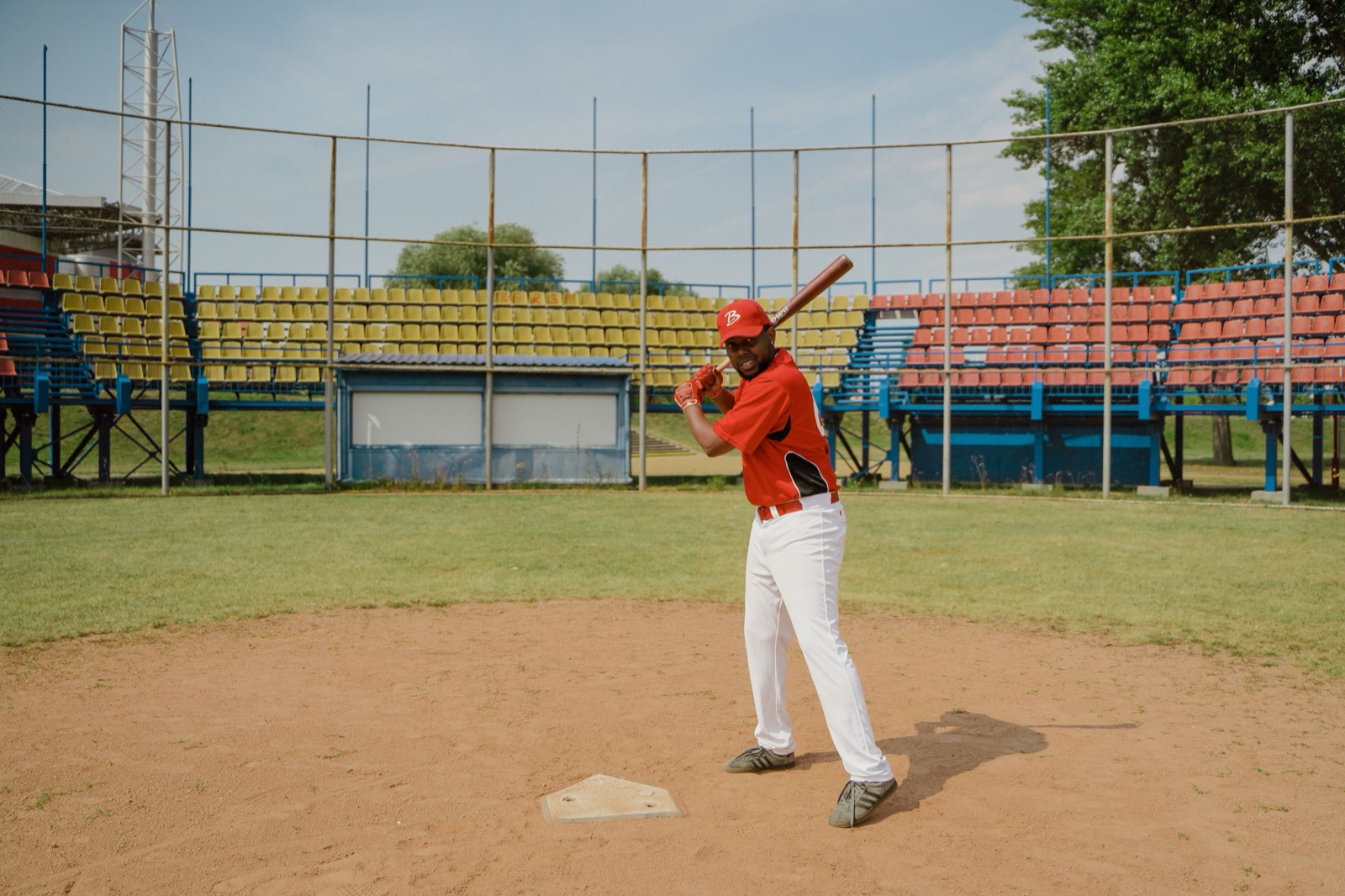
Travel baseball marketing implies the race started at eight, and families whose child discovers the sport at twelve or thirteen often assume they have missed it.
They mostly have not. The players who arrive at 13U and dominate are not disproportionately the ones who started earliest — they are the ones who developed sound mechanics and kept getting better.

What a Late Start Actually Costs
Being honest about the gap makes closing it easier.
| Behind in | Ahead or equal in |
|---|---|
| Repetitions and pattern familiarity | Athleticism, if they played other sports |
| Situational knowledge | Enthusiasm and rate of improvement |
| Comfort with game speed | Absence of ingrained bad habits |
| Positional refinement | Coachability — no unlearning required |
| Existing relationships with coaches | Physical maturity, in some cases |
The bad-habits point is genuinely underrated. A player who has thrown incorrectly for six years has to unlearn before they can learn. A newcomer is simply taught it properly the first time, and frequently overtakes them.
Give me an athlete who has never played over a player who has played badly for five years. One of those is a shorter project.
WAR Baseball coaching staff
What to Work On First
Late starters have less time, so the order matters more than it would otherwise.
- Throwing mechanics. The single most transferable skill and the most visible at a tryout.
- Fielding footwork. Hands follow feet — see our infield guide.
- Consistent contact. Not power. Contact first, always.
- Baserunning. Almost entirely learnable and rarely coached — our baserunning guide covers it.
- Athleticism. Speed and strength transfer immediately and are age-appropriate to train.
Notice what is absent: velocity, exit velocity and specialised position work. Those matter later, and pursuing them first is how a late starter burns the time they have least of.
Where to Start Playing
| Option | Best for | Note |
|---|---|---|
| Rec ball for a season | Complete beginners | Repetitions and playing time; low cost |
| Travel, lower-tier team | Athletic beginners | Better coaching; watch playing time |
| Travel, top team | Rarely appropriate immediately | Bench time develops nobody |
| Lessons plus rec ball | Fast-track option | Effective and relatively affordable |
| School team | Ages 14+ | Free, and a genuine development environment |
The rec ball option is underrated by families worried about falling further behind. A season of playing every inning beats a season on a travel bench, and our travel versus rec comparison sets out why repetitions matter more than the badge at this stage.
Age Matters for Physical Reasons
Starting at thirteen coincides with the transition to a full-size field in Florida, which is a genuine complication.
A newcomer is learning fundamentals while the field expands, base paths lengthen and pitching distance increases. Our 13U big-field guide covers what changes; for a late starter it means expecting a harder first year and judging progress over a full season.
On the other hand, physical maturity is arriving at the same time. A late starter who is already growing can convert new mechanics into real output quickly — sometimes faster than a smaller player with better technique.
A Realistic Timeline
| Period | What to expect |
|---|---|
| First 3 months | Mechanics improve fast; game performance lags |
| 6 months | Comfortable at practice; still behind at game speed |
| 1 year | Competitive within an age group; gap noticeably smaller |
| 2 years | Gap largely closed at youth level for a committed athlete |
| Beyond | Ceiling determined by athleticism and work, not start date |
Set expectations with the player accordingly. A late starter judging themselves against players with five years of repetitions after three months will conclude something untrue — a framing problem our mental game guide addresses.

What Parents Should Do
A late starter needs different support from a player who has been in the sport for years.
- Manage the comparison. They will measure themselves against players with five more years of repetitions.
- Prioritise volume over polish — playing time beats sitting on a better team.
- Expect a slow first season. Judge progress across a year, not a month.
- Get one competent coach rather than several conflicting voices.
- Protect the enjoyment. A late starter who loves it will out-develop a reluctant early starter.
The last point tends to decide it. Players who arrive late are usually there because they genuinely want to be, and that motivation closes gaps faster than anything a coach provides.
The Multi-Sport Advantage
Many late starters arrive from other sports, and that is an asset rather than lost time.
Basketball builds lateral movement and hand-eye coordination. Football builds strength and physicality. Track builds sprint mechanics, which transfers directly to the 60-yard dash that every evaluator measures — see our speed guide.
Research on athletic development consistently favours broad early participation over early specialisation, and organisations promoting youth participation such as the YMCA have long built programming around that principle. Our specialisation guide covers the evidence.
Being Realistic
A player starting at thirteen can absolutely play high school baseball, and some play in college. A player starting at sixteen with no athletic background is facing a much steeper climb, and pretending otherwise helps nobody.
What is nearly always true is that the ceiling is set by athleticism, work rate and enjoyment rather than by start date. If a player wants it and will do the work, the honest answer is that it is worth finding out.
Our tryouts are open to anyone, including players new to the sport, and our coaching staff will give a straight assessment of where someone actually stands. Our tryout guide covers how to prepare.
Frequently Asked Questions
Is 13 too late to start travel baseball?
No. Players who arrive at 13U and 14U and succeed are not disproportionately the ones who started at eight — they are the ones who developed sound mechanics and kept improving. Starting later is a disadvantage in repetitions, not in ceiling.
What should a late starter work on first?
Fundamentals that transfer everywhere: throwing mechanics, fielding footwork, and making consistent contact. Chasing velocity or power before those are in place wastes the time a late starter has less of.
Will a late starter get cut?
Possibly, and that is worth being realistic about. But many programmes value athleticism and coachability over polish at 13U and 14U, and a good athlete new to baseball is often a better bet than a polished player who has stopped improving.
How long does it take to catch up?
A focused year closes a surprising amount of the gap, particularly for a good athlete. Two years of consistent work usually removes it entirely at youth level.
Should a late starter play rec ball first?
Often yes, for a season. Rec ball provides repetitions and playing time without the cost or the weekend commitment, and it is a better environment to learn in than the end of a travel bench.
New to the Game? Come Anyway
WAR Baseball tryouts are open to players of any background across 13U through 17U. Get an honest evaluation in Tallahassee.